Expert Tips for Capturing Professional Quality Family Photos with Toddlers During Travel

Capturing high-quality imagery of young children during family travel presents a unique logistical challenge that often leaves parents frustrated and disappointed with the final results. While the desire to memorialize vacations through professional photography is universal, the erratic nature of toddler behavior frequently conflicts with the technical requirements of a successful photoshoot. By analyzing professional photography workflows and integrating strategic planning, parents can mitigate the stress of these sessions while significantly improving the quality of their travel portraits.

The evolution of family travel documentation has shifted from casual snapshots to curated, professional-grade visual storytelling. As family travel becomes an increasingly popular sector of the tourism industry, the demand for local, on-location photographers has surged. Platforms like Flytographer and similar booking services now connect families with local professionals in over 350 global destinations, moving away from the traditional, static studio portrait toward candid, experiential photography.
The Science and Strategy of Timing
The most critical factor in a successful photography session involving toddlers is the timing of the shoot. Professional photographers consistently recommend the "golden hour"—the period shortly after sunrise or shortly before sunset—to achieve optimal lighting conditions. However, for toddlers, the morning session is scientifically superior.

Chronobiological factors play a significant role in child behavior. Children, particularly those in the toddler demographic, generally exhibit higher levels of alertness and cooperation in the early morning hours, following a full night of restorative sleep. Conversely, late-afternoon sessions often coincide with the "witching hour," a period characterized by fatigue, irritability, and a decreased attention span. Data from various family-focused photography agencies suggest that morning shoots yield a 40% higher rate of "smiling" portraits compared to evening sessions, where fatigue frequently compromises the subject’s disposition.
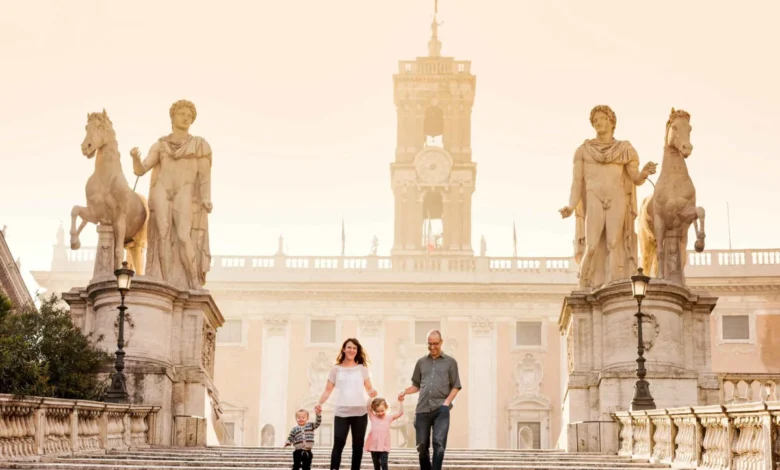
Beyond the behavioral benefits, morning sessions offer a significant tactical advantage regarding crowd management. Popular tourist landmarks, such as the Roman Forum or major urban plazas, are often inundated with visitors by mid-morning. By scheduling a session for sunrise, families can avoid the congestion of peak tourist hours, resulting in cleaner, less cluttered compositions that highlight the destination rather than the crowds.

Operational Logistics: Apparel and Comfort
The intersection of fashion and function is a common point of failure for parents during travel photoshoots. Photographers recommend a multi-layered approach to wardrobe, particularly when shooting in regions with fluctuating temperatures. A base layer that is comfortable and allows for ease of movement is essential, as restrictive or overly formal clothing can exacerbate a toddler’s discomfort and contribute to behavioral outbursts.
Industry best practices dictate the inclusion of backup attire. Toddlers are prone to environmental mishaps—spills, grass stains, or unexpected dirt—that can derail a photoshoot within minutes. By treating a change of clothes as an essential piece of equipment rather than an afterthought, parents can remain calm when accidents occur. From a stylistic perspective, layering also allows for a visual transition during the shoot, providing variety in the final gallery without the need for a complete outfit change, which can be time-consuming and disruptive.

Behavioral Management and Engagement
Professional photographers who specialize in family portraits often employ techniques centered on redirection and positive reinforcement. The concept of a "photo shoot" is inherently abstract to a toddler, who may perceive the process as an intrusion on their playtime. To bridge this gap, experts suggest incorporating familiar comforts, such as specific snacks or a favorite toy, that can be utilized to hold the child’s attention.
The use of "bribes" or rewards is a well-documented, effective strategy in child portraiture. However, the efficacy of this method relies on the discretion of the parent. Using small, mess-free snacks allows for a pause in the action that can reset the toddler’s focus. Furthermore, photographers emphasize the importance of "personality-based" planning. If a child is interested in animals or architecture, the session should be structured around these interests. By engaging the child in an environment they find stimulating, the photographer is more likely to capture genuine, candid expressions rather than forced, stiff poses.

The Role of Parental Composure
A significant, yet often overlooked, variable in the success of a photoshoot is the emotional state of the parents. Modern psychology indicates that children are highly attuned to parental stress levels. When a parent exhibits frustration due to a child’s lack of cooperation, the toddler often mirrors that agitation, creating a cycle of negative behavior.
Photographers advise parents to maintain a "flexible mindset." A photoshoot should not be viewed as a rigid mission to secure a specific image, but rather as an experience to be documented. When parents adopt a playful attitude—incorporating games, songs, or physical movement—it often leads to more natural interaction. This shift in focus from "performance" to "interaction" is what distinguishes amateur photography from professional, evocative imagery.

The Professional Advantage: Outsourcing and Infrastructure
The decision to hire a professional photographer while traveling is a strategic investment in long-term memory preservation. While many families possess high-quality consumer cameras, the technical expertise required to manage composition, lighting, and rapid-fire movement under pressure is significant.
A professional photographer provides a neutral third-party perspective. By allowing a specialist to manage the technical aspects of the shoot, parents are freed from the role of "director" or "photographer," enabling them to participate fully in the experience with their children. This presence is reflected in the final imagery; photos that capture the family interacting naturally are consistently rated as more valuable and emotionally resonant by clients than those featuring staged poses.

Broader Implications for Family Travel
The integration of professional photography into travel itineraries reflects a broader trend in the travel industry: the prioritization of "experiential" travel. As families spend significant resources on international trips, there is an increasing desire to ensure these experiences are documented in a way that reflects the quality of the trip itself.
The economic impact of this trend has been substantial. Agencies that facilitate the booking of local photographers have seen consistent growth, indicating that photography is becoming a standard line item in travel budgets, much like excursions or dining experiences. This professionalization of travel documentation ensures that even with the unpredictable nature of toddler behavior, families can return home with a high-quality portfolio of memories.

Summary of Recommendations
To maximize the efficacy of a family photoshoot with a toddler, the following protocols should be observed:
- Prioritize the Morning: Leverage the "golden hour" and the child’s natural morning alertness to ensure better compliance and lower crowd interference.
- Layering and Redundancy: Prepare for environmental variables and potential messes with appropriate clothing layers and backup outfits.
- Strategic Distraction: Utilize small, non-messy snacks and familiar comfort items to maintain the child’s engagement.
- Alignment with Interests: Select locations and activities that naturally appeal to the child’s specific curiosities.
- Emotional Regulation: Maintain a relaxed, positive atmosphere to prevent the transfer of parental stress to the child.
- Collaborative Review: Allow the child to view the digital previews to foster a sense of participation and accomplishment.
In conclusion, while the logistical hurdles of photographing a toddler during travel are undeniable, they are not insurmountable. By aligning the photoshoot structure with the child’s developmental needs and employing professional, on-location experts, families can successfully navigate these challenges. The result is a collection of imagery that not only documents the destination but also preserves the authentic, fleeting moments of childhood development in a way that static, forced portraits cannot achieve.