The Ecological Corridor of the Gulf Coast
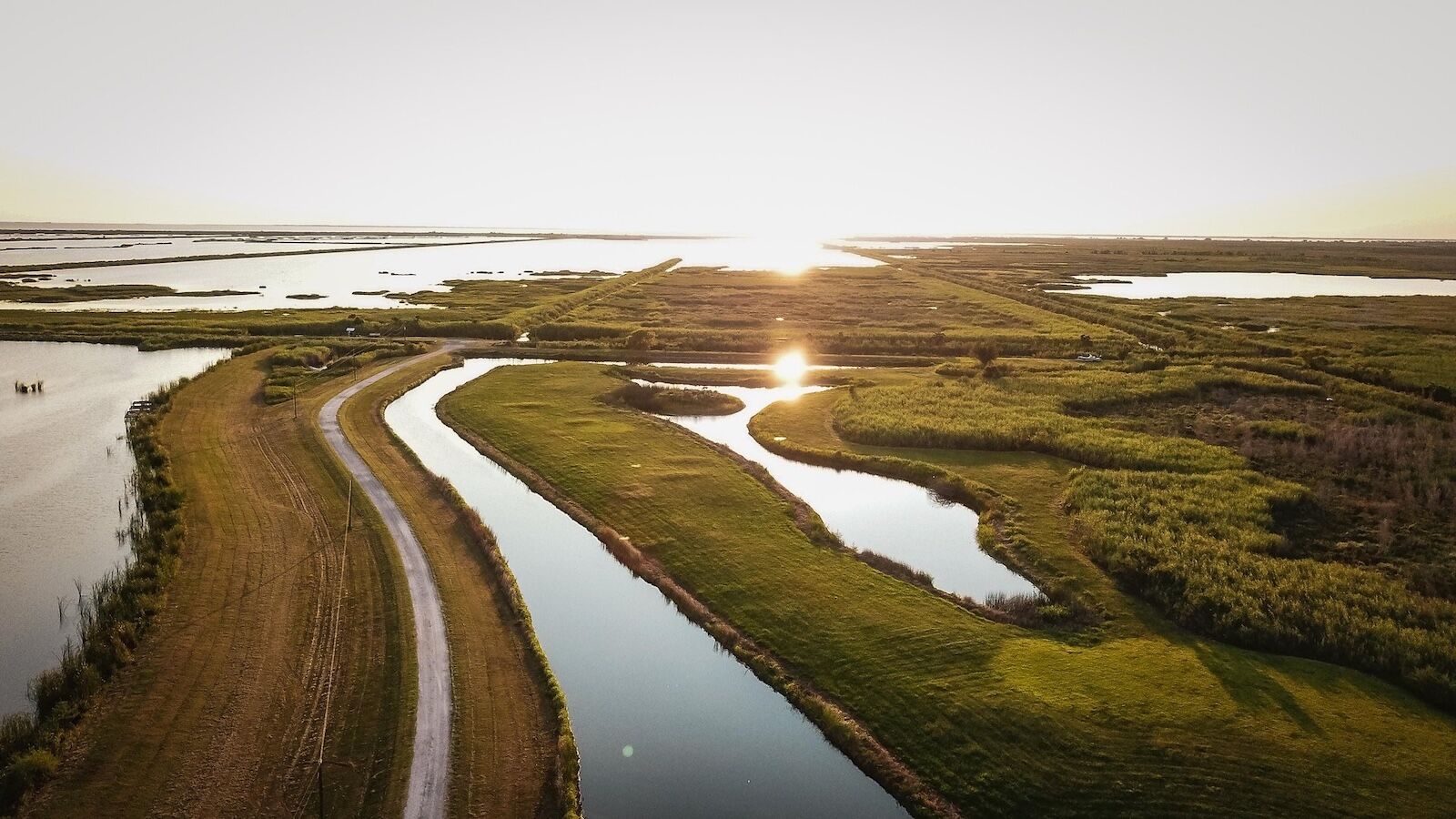
The topography of the Creole Nature Trail is defined by its transition zones. As travelers move southward from Sulphur, the landscape shifts from developed communities to the vast, open grasslands and marshlands of the Sabine and Cameron Prairie National Wildlife Refuges.
The Sabine National Wildlife Refuge, encompassing 124,000 acres, acts as a critical sanctuary for migratory birds. Because the region sits at the intersection of the Central and Mississippi flyways, it serves as a primary staging ground for millions of birds traveling between North and South America. The Wetland Walkway, a signature feature of the refuge, provides a rare, immersive look into a habitat that includes freshwater impoundments, canals, and wooded ridges. These impoundments are not merely for observation; they are highly managed fisheries. With 26,000 acres of freshwater habitat, the refuge supports a robust population of largemouth bass, while the bank fishing along Louisiana Highway 27 remains a consistent draw for local and visiting anglers throughout the year.
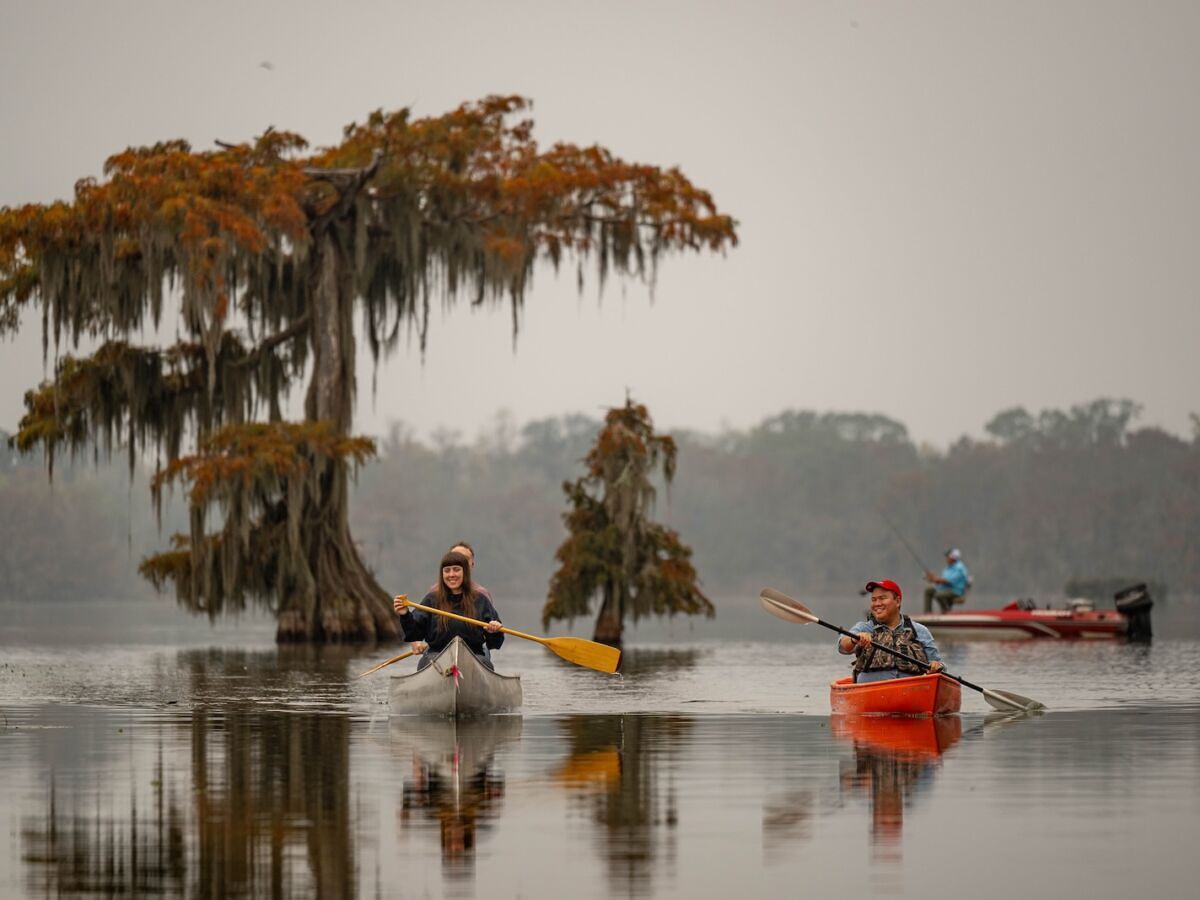
The nearby Cameron Prairie National Wildlife Refuge complements this ecosystem with its Pintail Wildlife Drive. This three-mile loop is designed to provide maximum visibility into open grasslands where alligators are a permanent fixture, often sunning themselves on the banks of the canals. The biodiversity here is seasonal, shifting from waterfowl dominance in the winter to wading birds like herons and egrets during the warmer months.
A Coastal Frontier: The Cajun Riviera
Reaching the terminus of the trail brings visitors to the Gulf of Mexico, where communities like Holly Beach—locally known as the “Cajun Riviera”—and Rutherford Beach offer a stark contrast to the manicured tourism developments found elsewhere in the South. These stretches of shoreline are defined by their rustic, unrefined character. They are valued primarily for their accessibility and their lack of heavy commercial infrastructure, making them prime locations for beachcombing, birdwatching, and surf fishing.
Before embarking on this coastal journey, the Creole Nature Trail Adventure Point in Sulphur serves as the official orientation hub. The facility provides free, hands-on exhibits that contextualize the region’s geography, explaining how the delicate balance of saltwater intrusion and freshwater management creates the unique environment found along the coast.
Sport and Tradition: The Grosse Savanne Model
Southwest Louisiana’s sporting culture is deeply ingrained in its economy and social fabric. Grosse Savanne Lodge represents the pinnacle of this industry, specializing in what is known as the "Cajun Grand Slam"—the achievement of landing a redfish, a speckled trout, and a flounder in a single day.
The seasonality of this region is rigid and well-understood by locals. Fall marks the peak of the saltwater season, coinciding with the migration of flounder into Calcasieu Lake. This timing has birthed organized sporting events like the "Cast & Blast," hosted annually at the lodge since 2018. The event, which has garnered national attention through publications like Garden & Gun, serves to preserve the heritage of hunting and fishing in the region. By pairing two morning teal hunts with two guided fishing trips and game-centric culinary experiences, the event highlights how the region’s natural resources are intrinsically linked to its gastronomic identity.
Sam Houston Jones State Park: A Case Study in Recovery
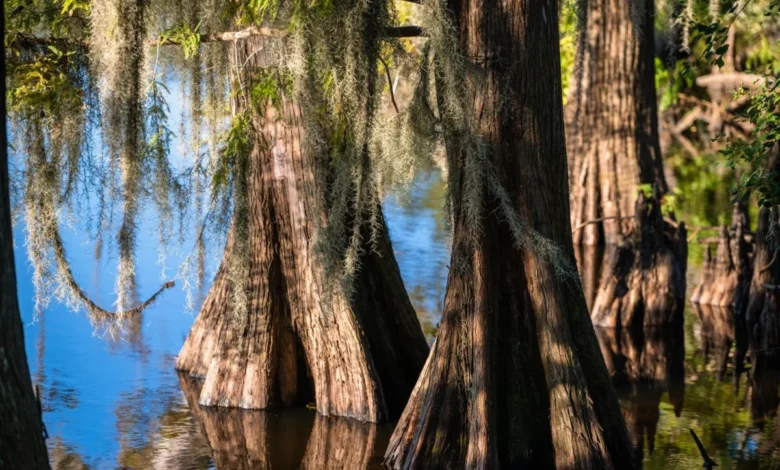
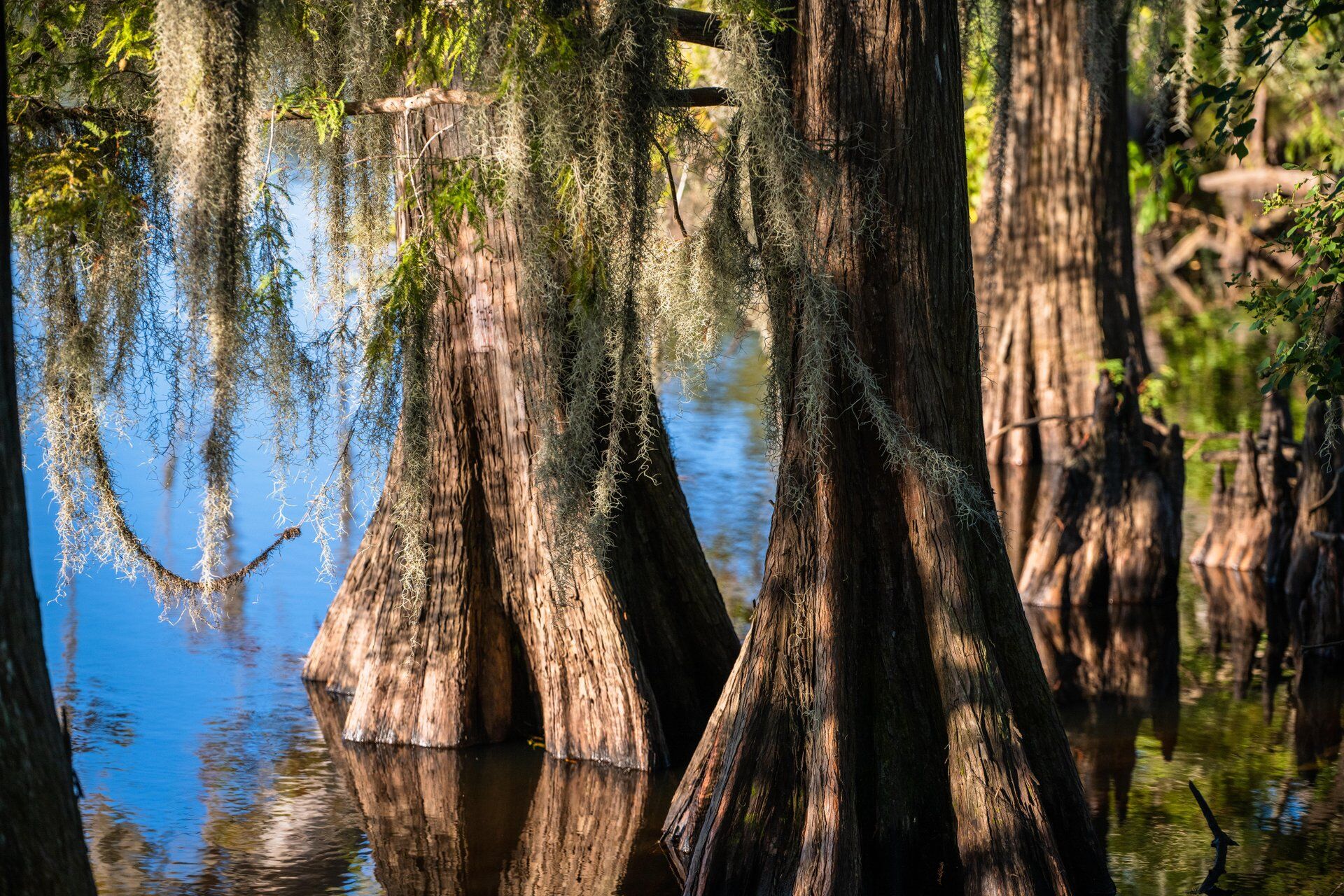
Approximately 1,100 acres of longleaf pine forest and cypress-tupelo swamp define Sam Houston Jones State Park, located just north of Lake Charles. Established in 1944, the park has historically served as a benchmark for Louisiana’s state park system. However, the park’s recent history is one of catastrophic loss and intensive reconstruction.
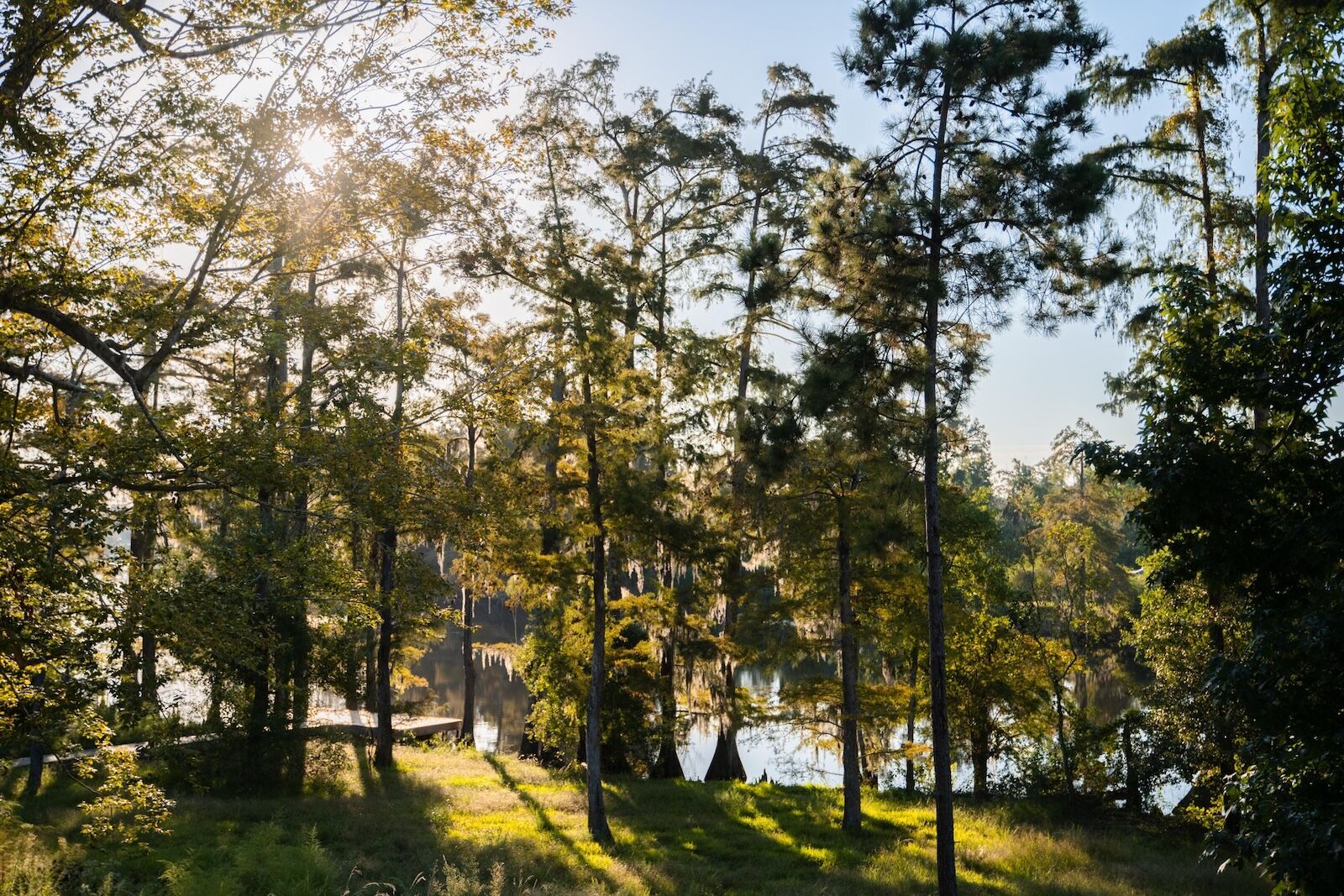
In August 2020, Hurricane Laura—a Category 4 storm—devastated the region, causing the loss of an estimated 80 percent of the park’s tree canopy. The resulting damage forced a closure that lasted until Memorial Day 2022. The recovery process served as a catalyst for a much larger environmental restoration initiative announced in June 2026.
This project is a multi-sector collaboration between Louisiana State Parks, Woodside Energy, the ecological restoration firm RES, and McNeese State University. Woodside Energy has pledged $5 million over six years, marking the largest corporate donation in the history of the Louisiana state park system. The implications of this funding are significant; it allows for the planting of 245,000 native trees and the systematic removal of invasive species that have hampered the natural recovery of the forest since the 2020 storms. Lieutenant Governor Billy Nungesser has positioned this project as a legacy effort, intended to ensure the resiliency of the park against future climate-related events.
Urban Heritage and Cultural Evolution
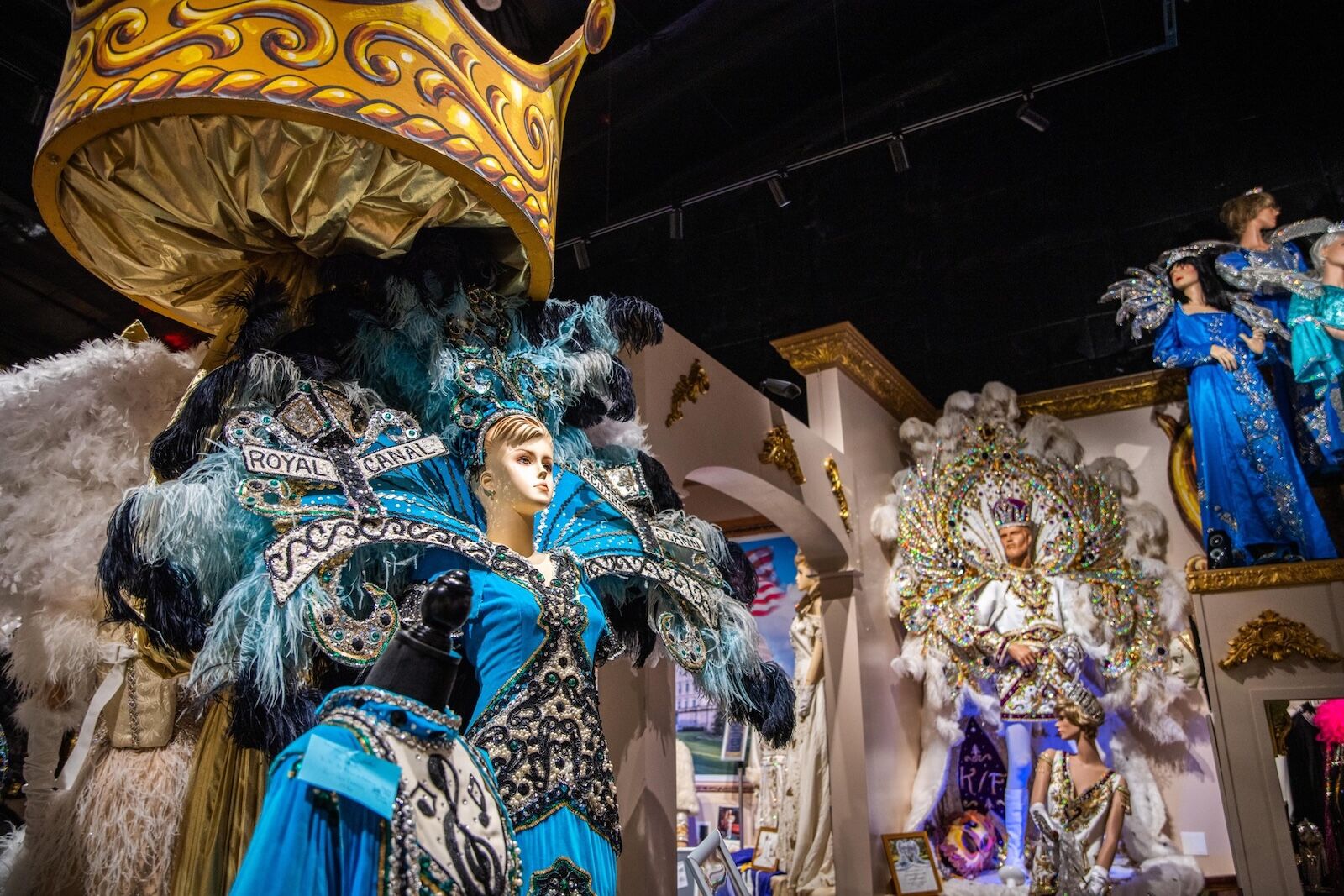
While the outdoors define the region’s perimeter, the city of Lake Charles has focused on codifying its cultural history. The 2026 opening of the Mardi Gras Museum of Imperial Calcasieu provides a permanent home for the elaborate costumes and traditions associated with the region’s 60-plus Mardi Gras krewes. The museum highlights that Carnival culture in Southwest Louisiana is distinct from the New Orleans model, focusing heavily on the Courir de Mardi Gras—a rural, community-based tradition rooted in Cajun identity.
Furthermore, the development of Port Wonder on the city’s waterfront—housing both the Children’s Museum of Southwest Louisiana and the Nature and Science Center—underscores a regional commitment to education regarding the fragile barrier islands and coastal waterways.
The local food scene acts as a cultural mirror, reflecting the diverse influences that have converged in Southwest Louisiana. Restaurants such as Area 337 and Cousin’s Lebanese Cuisine demonstrate a culinary landscape that blends traditional Southern ingredients with Cuban, Spanish, Venezuelan, and Lebanese techniques. This fusion is a testament to the demographic shifts and historical trade routes that have shaped the city.
Lafayette and the Atchafalaya Basin
East of Lake Charles, Lafayette serves as the intellectual and cultural hub of Acadiana. The city’s approach to heritage tourism is increasingly innovative, as evidenced by Rouler Bike Tours. By utilizing bicycle-based tours, the city allows visitors to engage with the urban environment at a granular level, bridging the gap between historical sites like the Vermilionville Living History Museum and the contemporary "Hub City" landscape.
Vermilionville remains the region’s primary site for historical interpretation. Covering 23 acres, it preserves the cultural lineage of the Acadian, Creole, and Native American populations from 1765 to 1890. The site’s commitment to authenticity, through costumed artisans and traditional music, ensures that the historical narrative is not lost to modern development.
The journey concludes in the Atchafalaya Basin, an area that defines the mythos of the region. As the Atchafalaya National Heritage Area celebrates its 20th anniversary of federal designation in 2026, it remains a landscape of folklore, home to tales of the rougarou and the feu follet. Spanning 14 parishes, the Basin is an active ecological zone where agriculture, industry, and wilderness collide.
Implications for the Future
The state of the Southwest Louisiana coastline and its inland forests is in a period of active, managed transition. The integration of corporate investment, academic research, and community-led conservation indicates a shift in how these regions are managed. Rather than viewing nature as a static backdrop, stakeholders are increasingly treating the landscape as a "living ecosystem" that requires ongoing, active intervention to survive the challenges posed by extreme weather and ecological degradation.
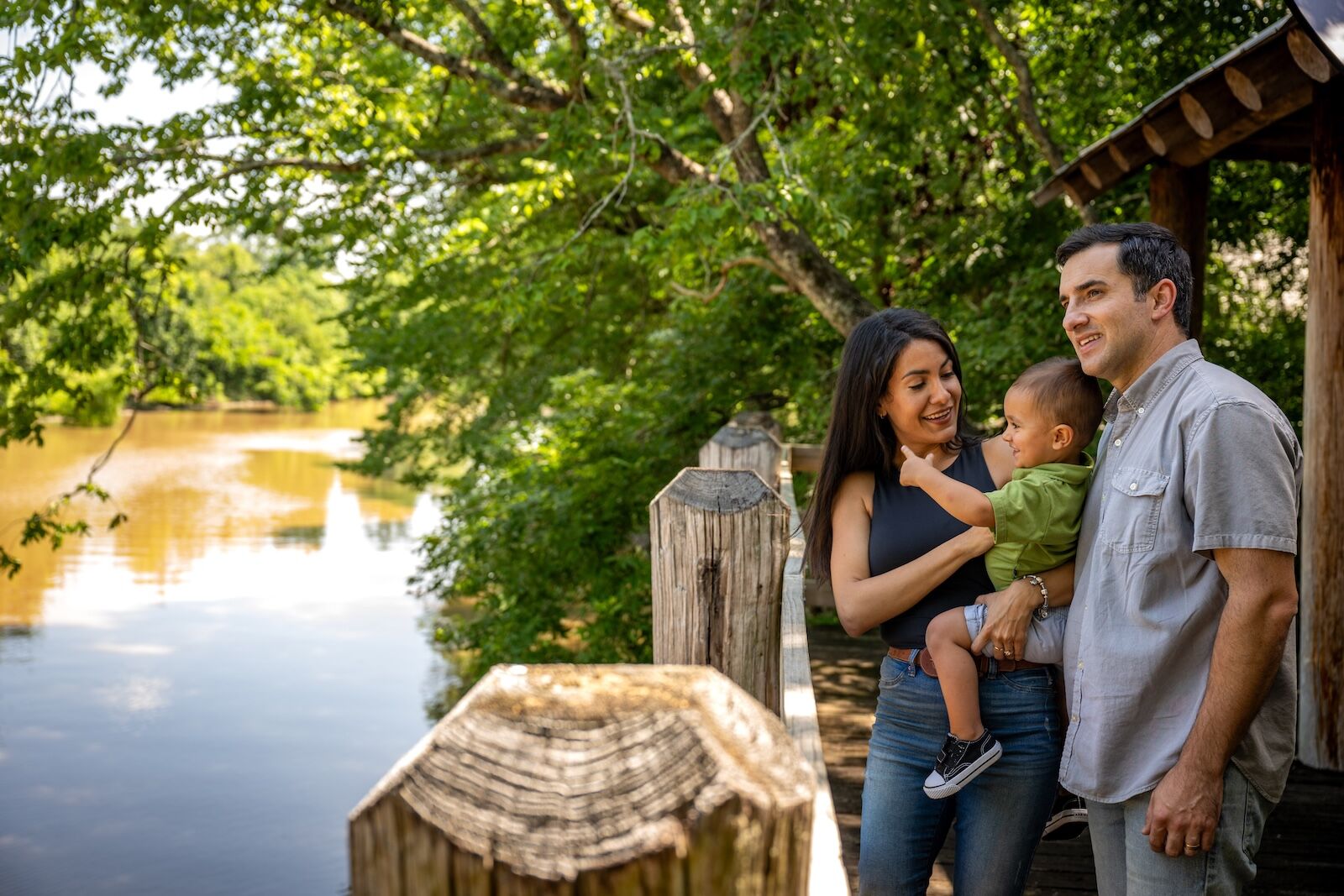
For the visitor, this provides a unique opportunity to witness a landscape in the process of reclaiming its former vitality. Whether through the scientific restoration efforts at Sam Houston Jones State Park or the cultural preservation of the Mardi Gras krewes in Lake Charles, Southwest Louisiana is documenting its own history while simultaneously fighting for its future. The region remains a place where the distinction between outdoor recreation and cultural preservation is largely nonexistent, and where the health of the environment is viewed as the primary indicator of the region’s overall prosperity.