DNA Evidence Confirms Grizzly Bear Family Responsible for Fatal Attack on Mother and Daughter in British Columbia

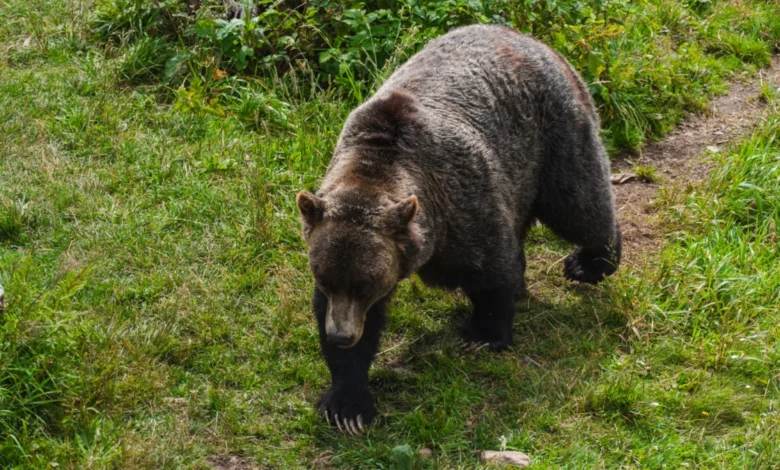
Wildlife authorities in British Columbia have concluded a high-stakes and tragic wildlife investigation following the deaths of two hikers near Bella Coola earlier this autumn. Officials with the B.C. Conservation Officer Service (BCCOS) announced on Tuesday that comprehensive DNA testing conclusively linked a captured adult female grizzly bear and her three offspring to the fatal mauling of 48-year-old Jennifer Balcarras and her 20-year-old daughter, Selah Reed.
The confirmation brings a definitive end to the immediate wildlife search, but it leaves a grieving community and local Indigenous populations grappling with the sobering realities of human-wildlife overlap in remote North American wilderness areas. According to law enforcement and conservation officials, the bears involved in the incident were captured and subsequently euthanized—a standard and mandatory protocol when wild predators are definitively tied to fatal human attacks.
The Anatomy of a Rare Predatory Attack
During a press briefing addressing the tragedy, BCCOS Inspector Jeff Tyre detailed the grim findings of the forensic investigation. Investigators analyzed physical evidence and biological samples gathered from the scene of the attacks, ultimately determining that the nature of the encounter diverged significantly from typical bear-human conflicts.
Unlike the vast majority of grizzly bear incidents, which are generally defensive reactions triggered by surprise, startled mothers, or territorial disputes, forensic indicators suggested this specific encounter was predatory in nature.
To contextualize the statistical rarity of this event, wildlife biologists frequently point to comprehensive long-term research regarding brown bear behavior. A widely cited 2019 academic analysis examining brown bear attacks across North America, Europe, and Asia found that purely predatory attacks account for a mere 5 percent of all documented incidents. In stark contrast, nearly half of all attacks—roughly 47 percent—occur when a human inadvertently startles a female bear accompanied by her cubs. Sudden, close-range encounters account for 20 percent of incidents, while approximately 17 percent are precipitated by the presence of an unleashed domestic dog.
Inspector Tyre acknowledged the extreme anomaly of the Bella Coola incident, categorizing the behavior as exceptionally rare. However, because the adult grizzly and her sub-adult cubs exhibited predatory tendencies that resulted in human fatalities, relocation or rehabilitation was legally and biologically unviable.
"The bears all had to be destroyed, because bears that are involved in fatal attacks on people cannot be rehabilitated or relocated," Tyre stated during the press conference. "This type of behavior presents an extreme risk to the public, and such bears are dispatched to protect the public and prevent similar attacks in the future."
Chronology of Events and Search Efforts
The tragedy unfolded late in October, shattering the quiet routine of the remote coastal community. Jennifer Balcarras and Selah Reed set out for an afternoon hike on October 31, exploring the rugged and picturesque terrain near their home in Bella Coola. When the mother and daughter failed to return by the following morning, mounting concern prompted family members to formally report them missing to local authorities.
A multi-agency search and rescue operation was immediately launched, mobilizing local personnel, trackers, and conservation officers to scour the heavily forested trails. The search effort yielded tragic results over consecutive days. Search personnel discovered the body of Jennifer Balcarras on November 2, bearing severe injuries consistent with a violent animal encounter. The search for Selah Reed continued with heightened urgency, ending the following day when her remains were located nearby.
Following the recovery of the victims, conservation officers initiated a targeted trapping operation in the area to locate and secure the animals responsible, utilizing forensic DNA profiling to match hair and tissue samples from the scene to the captured bears.
Remembering the Victims
Amid the clinical details of the investigation and the subsequent wildlife operations, family members, friends, and community members have sought to honor the lives and legacies of Jennifer Balcarras and Selah Reed.
Balcarras, who worked professionally as an art therapist, had recently relocated to Bella Coola to embrace the natural beauty and tranquility of the region. Those who knew her remembered her as a compassionate, empathetic individual. An obituary published following her passing described her as a gracious and warm-hearted woman who steadfastly believed in accepting people without judgment, offering kindness to everyone who crossed her path.
Her daughter, Selah Reed, inherited her mother’s deep appreciation for the arts and community service. Working as an educational assistant, Reed channeled her creative talents into local public projects. Shortly before her death, she completed three large, vibrant murals at the Bella Coola health center, leaving a permanent artistic footprint that reflects her dedication to her community.
In the wake of the tragedy, a GoFundMe fundraising campaign was established to assist the family with funeral expenses and memorial arrangements, drawing contributions and condolences from across the province and beyond.
Contextualizing Prior Incidents in the Region
The October attack did not occur in an absolute vacuum, compounding the anxiety and grief felt by residents of the region. The fatal mauling took place less than a year after another high-profile wildlife incident occurred just miles away. In that previous encounter, a grizzly bear severely injured three children and an adult chaperone participating in a school field trip.
The proximity of the two events led some observers and public commentators to speculate whether the same animal might be responsible for both attacks. However, Inspector Tyre explicitly addressed and dismissed this theory during the investigation update, confirming through DNA analysis that the bears euthanized this November had no connection to the previous year’s school trip mauling. The bear responsible for the earlier incident was never captured, leaving a lingering sense of unresolved risk for some local recreationists.
Community Impact and Indigenous Response
The Nuxalk Nation, the Indigenous community rooted in the Bella Coola Valley, has felt the profound emotional and psychological repercussions of the twin tragedies. In response to the heightened grizzly activity and the subsequent security operations, tribal leadership and local authorities recommended an 8 p.m. curfew for residents to minimize the risk of nighttime human-wildlife encounters.
Samuel Schooner, the elected chief councillor of the Nuxalk Nation, articulated the deep trauma experienced by the community. He noted that the October attack served as a deeply re-triggering event for local residents who were still actively processing the psychological aftermath of the previous year’s school trip mauling.
"We still have community supports in place, and they will remain there until we feel the timing is right to remove them," Schooner said. "Our community is rightfully still deeply affected, and will be for generations."
Broader Implications for Bear Safety and Coexistence
The fatal incident has reignited broader conversations regarding wildlife management, public safety protocols, and the challenges of human-wildlife coexistence in areas where apex predators share overlapping territory with rural populations. British Columbia boasts one of the largest grizzly bear populations in North America, estimated at approximately 15,000 animals, making encounters an inherent reality for residents and outdoor enthusiasts.
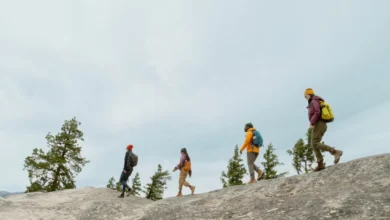
Wildlife management agencies continue to emphasize the importance of rigorous preventative measures, including the secure management of residential attractants such as garbage, fruit trees, and livestock feed, which often draw bears closer to human settlements. Furthermore, experts recommend that hikers in grizzly country travel in groups, carry EPA-approved bear spray in an easily accessible location, and make adequate noise when traversing densely vegetated trails to avoid startling territorial or habituated wildlife.
As the Bella Coola Valley moves forward from the tragedy, community leaders, conservation officers, and residents face the ongoing challenge of balancing the preservation of a magnificent yet dangerous native species with the absolute imperative of public safety in the Canadian wilderness.