Milwaukee, Wisconsin, has evolved into a premier destination for group travel, shedding its industrial-era reputation to become a modern hub of leisure, history, and culture. While traditionally known as the birthplace of major American brewing empires, the city has successfully pivoted toward a diversified tourism economy. Today, it offers a sophisticated blend of heritage tourism, professional sports, and recreational opportunities that cater specifically to the demographics of group weekend getaways.
Historical Context and the Evolution of Brew City
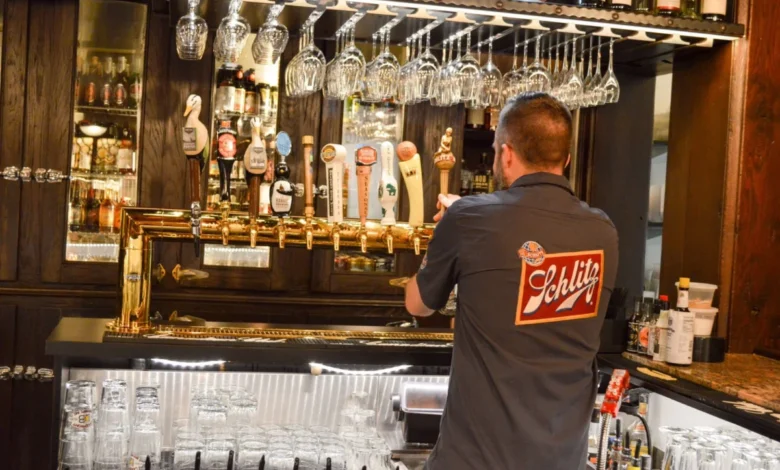
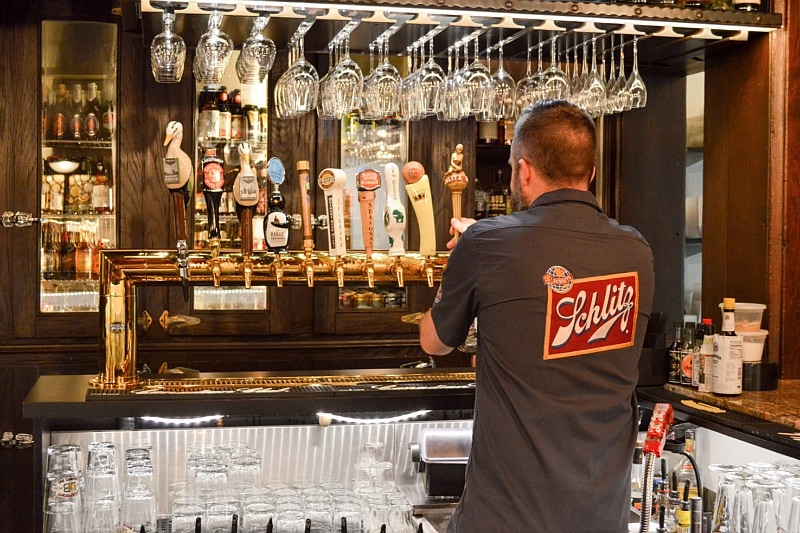
The moniker "Brew City" is deeply rooted in 19th-century history, when waves of German immigrants established a brewing industry that would eventually dominate the national market. The industry was defined by four primary conglomerates: Miller, Pabst, Blatz, and Schlitz. The economic impact of these companies was profound, fostering an architectural landscape that still defines much of the city’s character today.
While industry consolidation in the late 20th century saw the closure of many original facilities, the cultural legacy remains a pillar of the local economy. In the last two decades, Milwaukee has successfully transitioned from a manufacturing-heavy economy to one fueled by service, hospitality, and artisanal craft production. According to recent data from Visit Milwaukee, the tourism industry contributes over $2 billion annually to the local economy, with weekend leisure travel serving as a primary driver for downtown and lakefront business revenue.
The Modern Craft Brewing Landscape
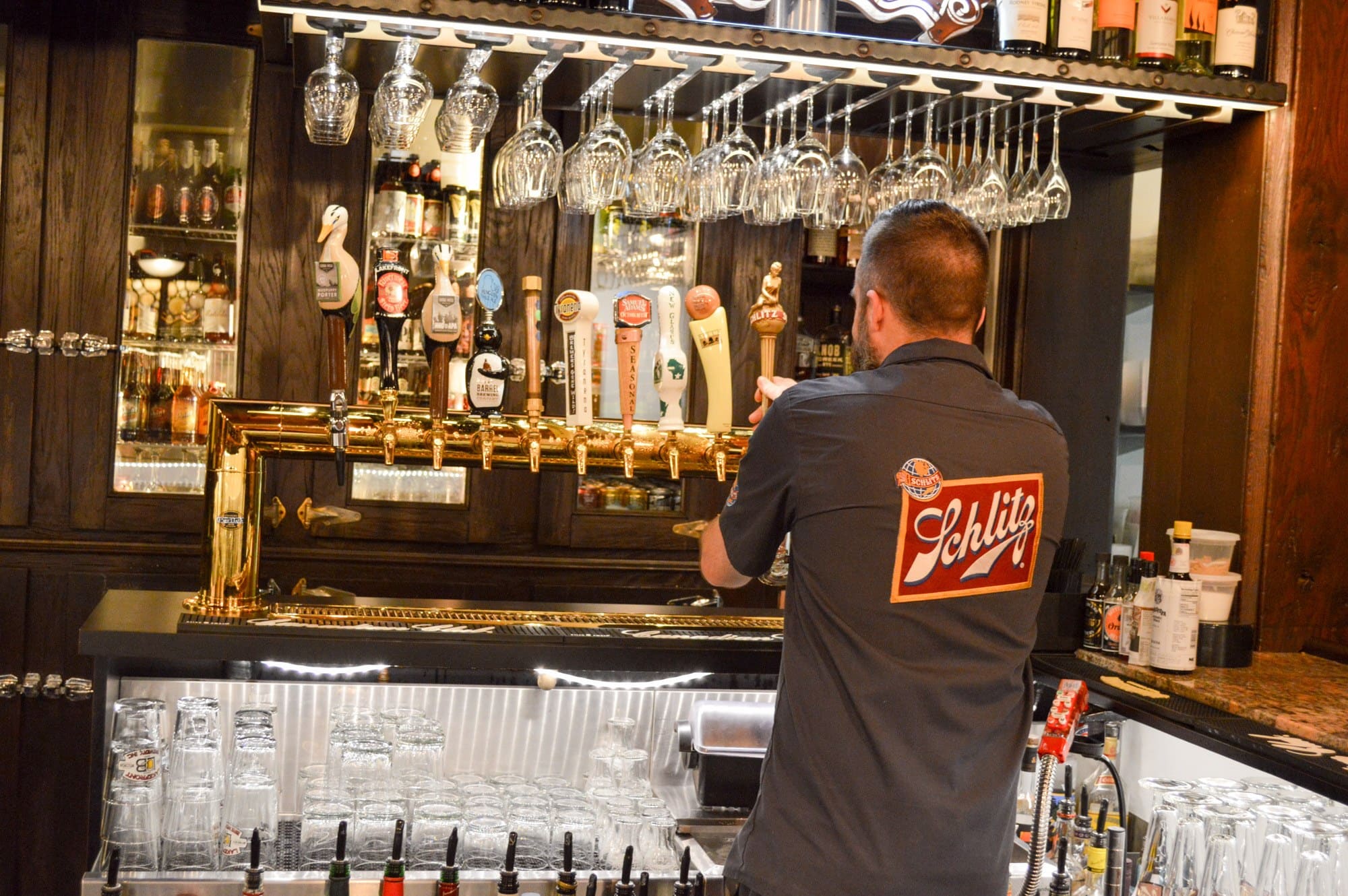
The contemporary brewing scene in Milwaukee represents a symbiotic relationship between historical preservation and modern innovation. While MillerCoors maintains a massive operational presence in the city, the growth of independent craft breweries has become the focal point for tourism.
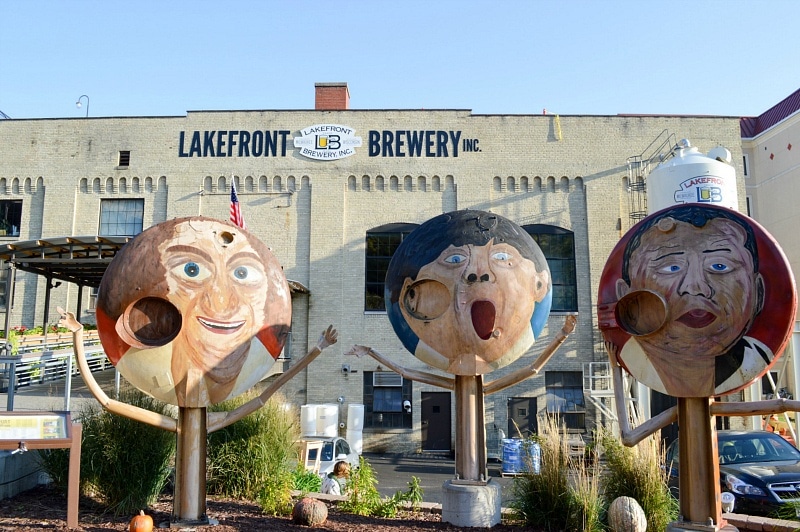
Lakefront Brewery stands as a case study in this transition. Founded in 1987, it was one of the first microbreweries in the United States to embrace the "experience-first" model. Its public tours are not merely educational; they are highly choreographed entertainment events that serve as a primary draw for thousands of visitors annually. This shift toward experiential tourism—where the process of production is integrated with consumer engagement—has allowed Milwaukee to maintain its identity as a beer destination while appealing to a younger, more discerning demographic of travelers.
The Industrial Legacy: The Harley-Davidson Museum
Perhaps the most significant anchor for tourism in the city is the Harley-Davidson Museum, which opened in 2008. Situated on a 20-acre campus near the city center, the museum serves as a repository for over 100 years of American mechanical engineering. The facility attracts hundreds of thousands of visitors each year, providing a substantial economic boost to the local area.
From a sociological perspective, the museum functions as more than a collection of motorcycles; it is an exploration of the American manufacturing spirit. For the group traveler, it offers a structured, immersive experience that requires little prior knowledge of mechanics. The behind-the-scenes collections, which include rare and unrestored prototypes, provide a rare glimpse into the research and development phases of a global industrial giant.

Recreational Assets: Lake Michigan and Urban Infrastructure
Milwaukee’s geography is its greatest asset for group outdoor activity. Situated on the western shore of Lake Michigan, the city has invested heavily in its "Blue and Green" infrastructure. The development of the Lakefront and the revitalized Historic Third Ward has created a seamless transition between urban density and natural space.
During the warmer months, the lakefront becomes a central hub for boating, sailing, and kayaking. Organizations such as the Milwaukee Kayak Company and various sailing charter services provide the necessary infrastructure for groups to engage with the city from the water. Furthermore, the emergence of a localized cold-weather surfing community—utilizing the high-energy wind conditions of Lake Michigan—has garnered national attention, signaling that Milwaukee’s recreational appeal is not limited by seasonal temperature fluctuations.

Professional Sports and the Arena Economy
The development of the Fiserv Forum, which opened in 2018, served as a catalyst for a broader downtown revitalization. As the home of the Milwaukee Bucks, the arena acts as an economic engine, facilitating year-round events that draw significant foot traffic to the downtown core. The surrounding "Deer District" functions as an integrated entertainment complex, designed to keep visitors within the central business district before and after events.
In addition to basketball, the city’s relationship with professional baseball is a cornerstone of the regional identity. American Family Field, home of the Milwaukee Brewers, is unique for its retractable roof, which mitigates the unpredictability of the Great Lakes climate. The culture of "tailgating" at this venue is widely regarded as among the most robust in Major League Baseball, representing a significant cultural event for groups traveling to the city for weekend excursions.

Culinary Traditions and the Supper Club Phenomenon
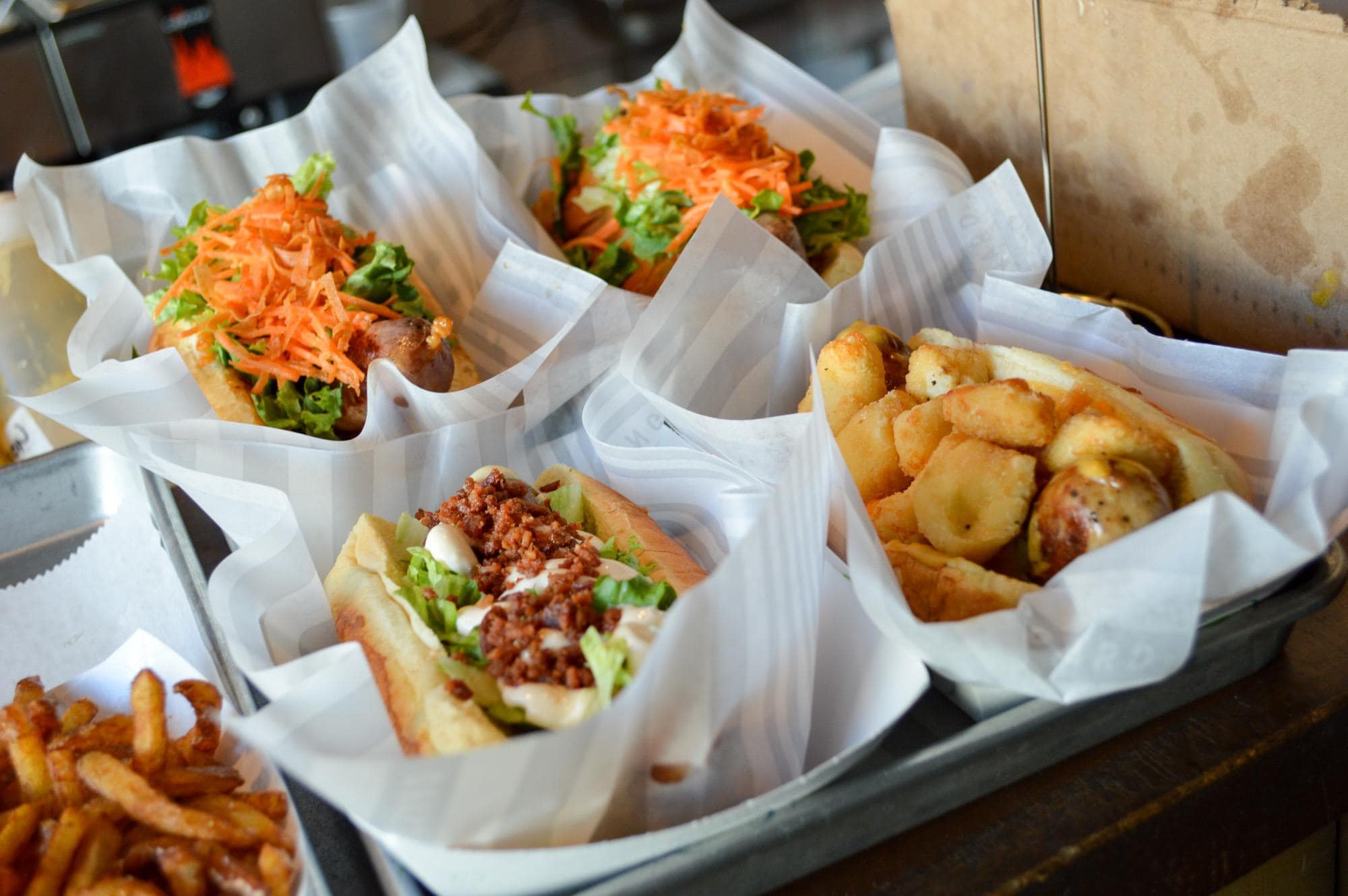
Milwaukee’s culinary identity is defined by a synthesis of Midwestern staples and historical German influence. The "Supper Club" tradition, which gained prominence during the Prohibition era, remains a vital part of the dining experience. Establishments such as the Five O’Clock Steakhouse serve as living museums of this era.
The implications of this dining culture are twofold: it promotes a slow-paced, communal dining experience, and it sustains local supply chains, particularly regarding Wisconsin-bred beef and dairy. The Wisconsin Cheese Mart, located in the historic Old World Third Street area, serves as an educational and retail center for the state’s largest agricultural export. For group travelers, these sites provide a low-barrier-to-entry experience that allows for the exploration of local culture through a culinary lens.

Logistics and Accessibility for Group Travel
From a logistical standpoint, Milwaukee is highly optimized for group mobility. The city’s core—comprising downtown, the Third Ward, and Walker’s Point—is geographically compact. The efficiency of the local transit system, combined with the affordability and availability of rideshare services, makes the city a low-friction environment for groups.
The hotel sector has responded to this influx of group travelers by repurposing industrial assets into boutique accommodations. The Brewhouse Inn and Suites, situated within the former Pabst Brewery complex, is a primary example of adaptive reuse. By integrating the massive copper brewing kettles into the hotel’s architecture, the property preserves the city’s industrial narrative while providing modern amenities. Similarly, the Iron Horse Hotel targets the upscale, motorcycle-oriented demographic, bridging the gap between luxury hospitality and the city’s rugged industrial heritage.
Economic and Sociological Implications
The sustained growth of Milwaukee’s tourism sector has broader implications for regional development. By leaning into its historical strengths—manufacturing, brewing, and blue-collar labor culture—the city has created a brand identity that feels authentic to the contemporary traveler who is increasingly skeptical of generic, manufactured tourism destinations.
The focus on "guys trip" demographics is a deliberate strategic choice by regional stakeholders to maximize spending on high-margin sectors such as nightlife, premium dining, and professional sports. By centralizing these experiences, Milwaukee has successfully mitigated the "leakage" of tourist dollars to suburban areas, ensuring that the economic benefits remain within the city limits.

Summary of Recommendations for Future Planning
For groups planning an excursion to Milwaukee, the optimal window for travel remains the period between June and September. During this timeframe, the city’s infrastructure is fully operational, and the integration of outdoor and indoor activities is at its peak.
- Chronological Planning: Prioritize historical tours (Harley-Davidson, brewery heritage) in the morning and early afternoon, leaving the evening hours for the sports and dining districts.
- Transportation: Utilize the walkability of the Third Ward for daytime activities and transition to rideshare services for transit to the stadium districts.
- Reservations: Given the popularity of the city’s supper clubs and major sports venues, advanced booking remains a necessity, particularly for groups exceeding four individuals.
Milwaukee serves as a model for how mid-sized American cities can leverage their historical assets to build a sustainable, modern tourism economy. By maintaining a focus on authenticity and accessibility, the city continues to position itself as a premier destination for group travel, balancing its industrial past with a dynamic and forward-looking present.