Flighty’s Newest Feature Answers the Question: When Should I Leave For the Airport?

The perennial dilemma of air travel—calculating the exact moment one must walk out the front door to catch a flight without inviting unnecessary stress or pacing restlessly at the boarding gate—may finally have a definitive digital solution. Flighty, the popular iOS-based flight-tracking application utilized heavily by frequent flyers and travel enthusiasts, has officially rolled out a comprehensive software update featuring a tool called "When to Leave." By synthesizing real-time traffic data, predicted roadway congestion, and hyper-personalized airport routines, the application seeks to eliminate the reverse-engineered mental math that has plagued travelers for decades.
The feature anchors a broader autumn release from the engineering team at Flighty, introducing automation to an often chaotic pre-trip window while preserving individual preferences for everything from rental car returns and parking shuttles to airport lounge visits and retail therapy.
Decoding the Mechanics of the "When to Leave" Feature
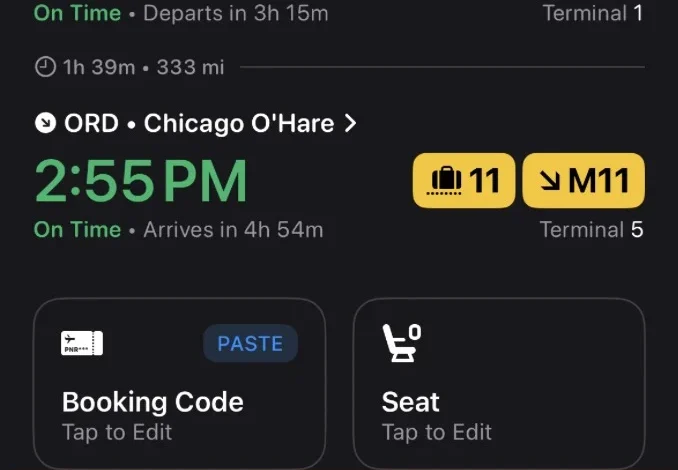
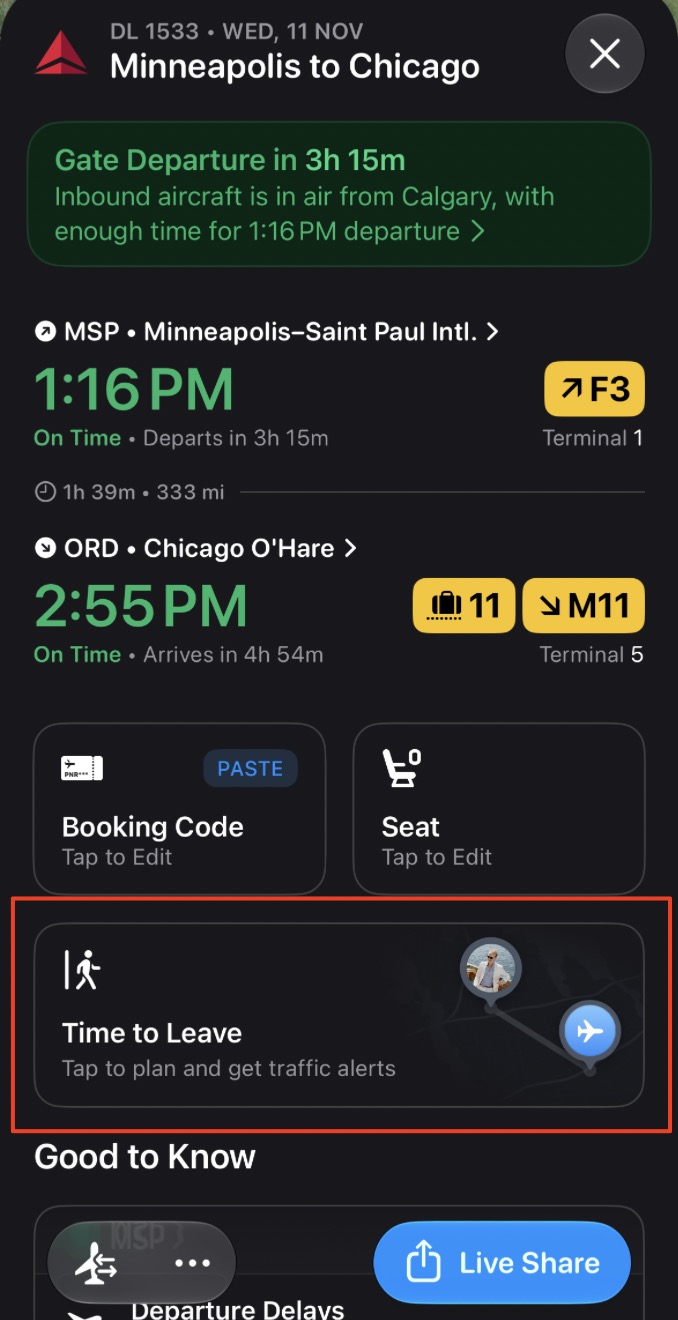
At its core, the "When to Leave" function bridges the gap between navigation applications and flight itinerary managers. Positioned directly beneath booking codes and seat assignments in the Flighty interface, a newly designated "Time to Leave" module serves as the command center for departure planning.
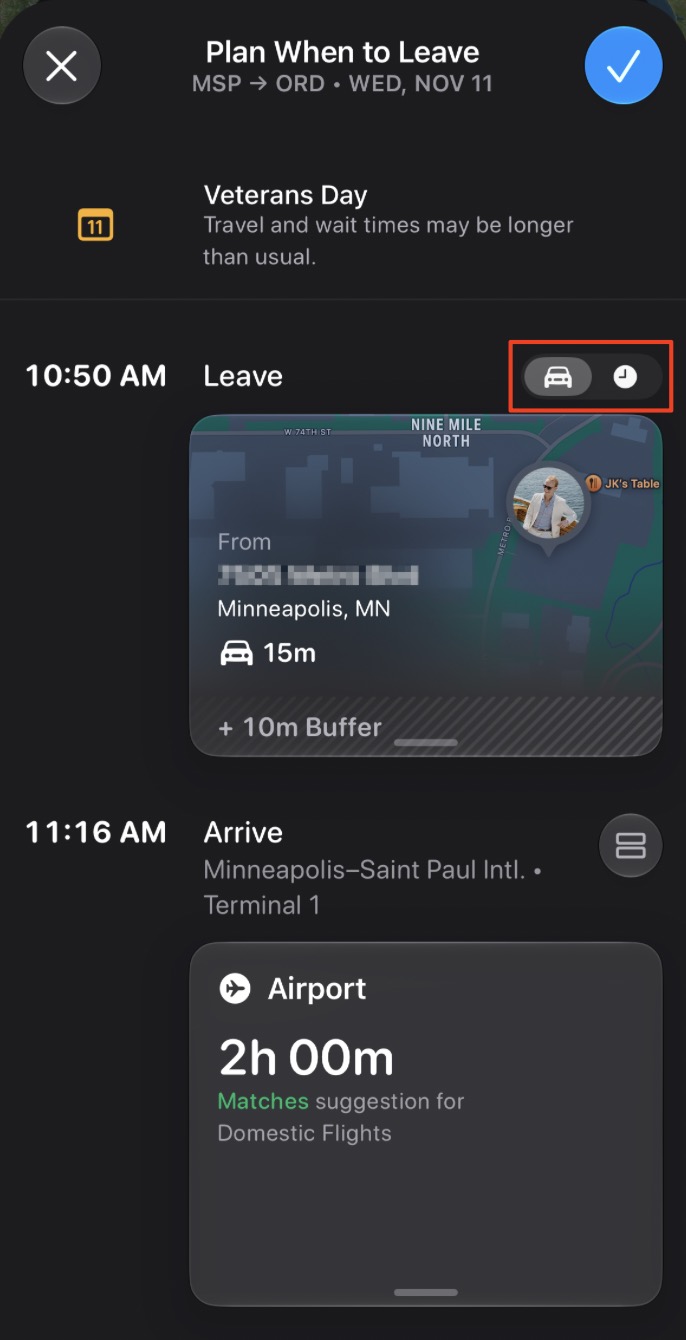
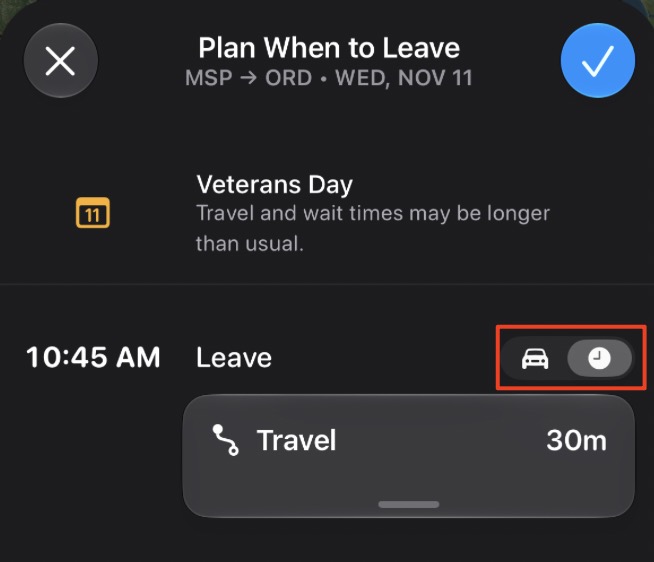
When users grant the application permission to access their live location, the system instantly interfaces with Apple Maps architecture. It reads current traffic conditions, computes anticipated delays along prospective routes, and establishes a baseline departure time complete with an automatic 10-minute safety buffer. For travelers who prefer not to share real-time geographic data due to privacy concerns, the application offers an alternative manual toggle allowing users to input a static, predetermined drive time to the airport.
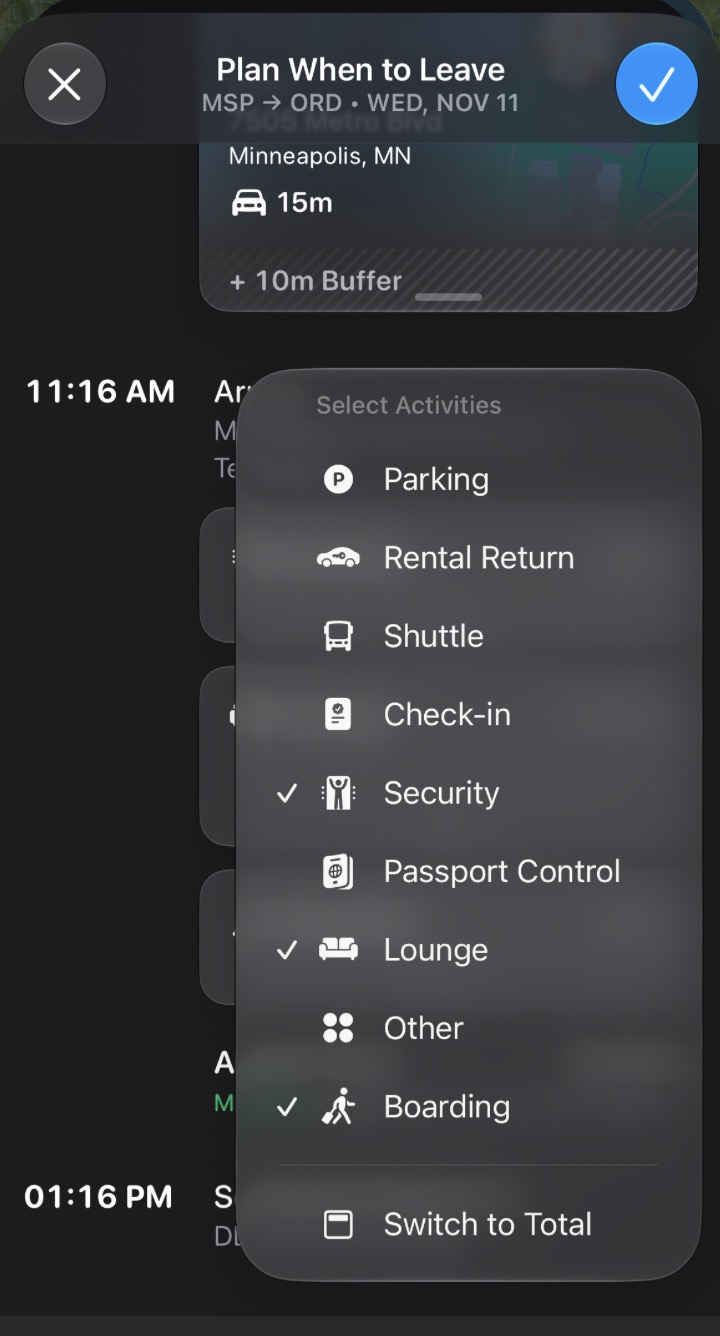
However, the true innovation of the feature lies in its granular customizability. Departing for the airport is rarely just a matter of driving to a terminal; it involves a sequence of operational hurdles unique to each passenger and airport. Flighty allows users to itemize their exact airport workflow. Travelers can factor in specific time allocations for luggage check-in, security screening lines, passport control queues, shuttle transfers, and final boarding deadlines.
Furthermore, the application accommodates lifestyle preferences. Users craving a pre-flight meal or a quiet hour of work can explicitly program a lounge visit into their schedule. Those traveling with children can account for stops at play areas, while others can build in time for retail purchases or a pre-flight stretch. Once these activities are selected, users can adjust the duration of each task down to the minute. If a passenger decides to forgo a sit-down breakfast in favor of a quick coffee, shortening the lounge window automatically pushes the ultimate departure time later, granting the user precious extra minutes at home or in the office.
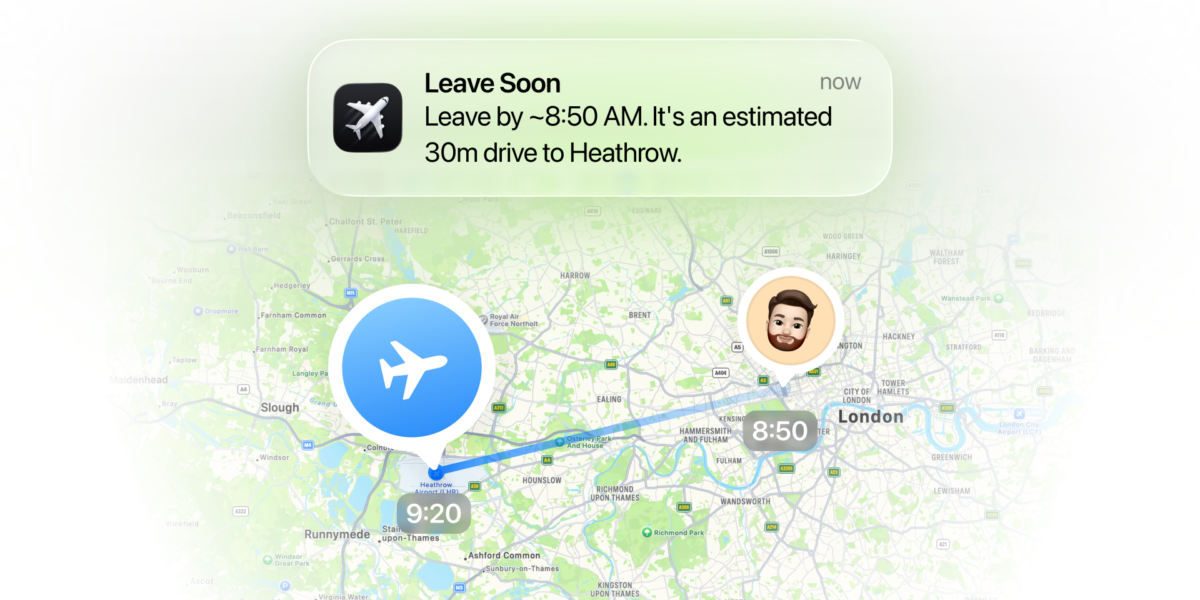
To ensure travelers actually adhere to these calculated schedules, the system issues dual push notifications: a "Leave Soon" alert transmitted 20 minutes prior to departure, followed by a definitive "Time to Leave" notification when it is time to transition from the home or office to the vehicle.
Expanding the Ecosystem: Additional Fall Updates
Beyond the flagship departure-planning tool, Flighty’s latest software update introduces several auxiliary enhancements designed to streamline travel management and social sharing among frequent flyers.
Among the most notable additions is a natural-language search engine for historical flight data. Historically, passengers wishing to review their travel history were forced to manually scroll through digital representations of their passports or extensive lists within the application. The new update allows users to search for previously taken flights using everyday phrasing, significantly cutting down retrieval times for expense reporting or personal reflection.
The application has also upgraded its social integration tool, known as Flighty Friends. Originally launched to allow users to broadcast their live and scheduled flights to colleagues, family members, or travel companions, the feature now permits the reciprocal sharing of the "Flighty Passport"—a digital logbook tracking lifetime miles, countries visited, and aircraft types flown. Additionally, the update provides users with manual sorting capabilities on the Friends page, enabling them to prioritize contacts according to personal preference.
The Evolution of Travel Technology and Modern Passenger Expectations
The introduction of predictive departure tools arrives at a critical juncture in the commercial aviation sector. As global passenger volumes continue to reach or exceed pre-pandemic highs, airports face persistent congestion both on surrounding roadways and within terminal security checkpoints. According to industry analyses, unpredictability in ground transit remains one of the leading causes of missed flights, frequently exacerbating anxiety levels among passengers who tend to over-compensate by arriving hours earlier than necessary.
Traditionally, travelers have relied on a rudimentary formula: adding standard TSA security wait times, boarding windows, and estimated driving times to a mental equation calculated the evening before departure. This method leaves little room for dynamic variables, such as sudden vehicular accidents on highway corridors, unexpected TSA queue surges, or long-term parking lot capacity constraints.
By integrating real-time cartography with bespoke itinerary planning, Flighty’s approach mirrors a broader industry trend toward proactive, context-aware travel software. Rather than treating flight tracking as a passive monitoring exercise—notifying passengers only after a delay has been posted—modern applications are increasingly positioning themselves as end-to-end trip conductors.
Industry Implications and the Broader Impact on the Travel Sector
The release of "When to Leave" highlights the growing importance of software ecosystems in modern travel. While major airlines continue to refine their proprietary mobile applications for ticketing and loyalty management, third-party developers like Flighty have carved out a lucrative niche by offering superior user interfaces and cross-carrier integration that legacy airline apps rarely match.
For business travelers and frequent flyers, the economic implications of missed flights—ranging from expensive same-day rebooking fees to lost productivity—make precise time-management tools highly valuable. By automating the mental math of travel logistics, tools of this nature reduce cognitive fatigue during high-stress travel days.
At the same time, the reliance on third-party location tracking and mapping APIs underscores the deep interdependence of modern software services. The seamless execution of Flighty’s departure algorithm depends entirely on the accuracy of underlying mapping infrastructure and municipal traffic feeds, reminding developers that even the most sophisticated travel applications remain tethered to external municipal and technological variables.
Conclusion
Flighty’s newest software iteration marks a significant step forward in the ongoing effort to modernize and de-stress the passenger journey. By marrying live traffic intelligence with deeply personalized terminal itineraries, the "When to Leave" feature moves past the one-size-fits-all advisory models of the past. Supported by enhanced historical search capabilities and refined social sharing options, the update reinforces the application’s standing as an indispensable tool for the modern traveler navigating an increasingly complex global aviation network.