The New Frontier of Luxury Exploration: Understanding the Safety and Potential of Private Submersibles

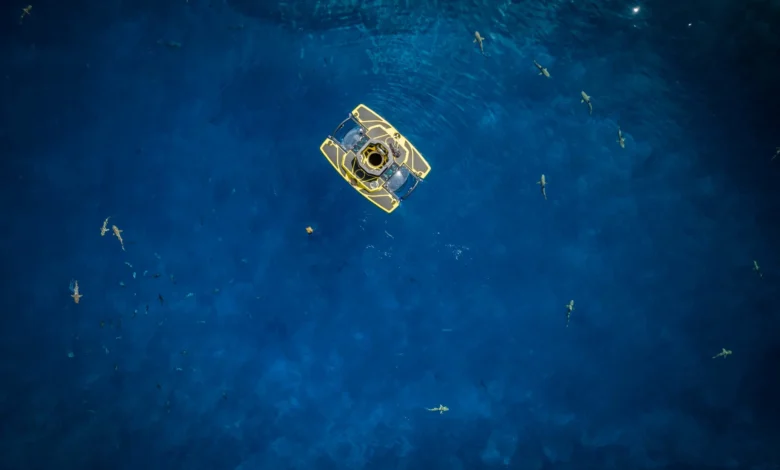
Beneath the frigid, ink-black waters of a Norwegian fjord, the skeletal remains of Second World War warships have rested in relative silence for over eight decades. These maritime time capsules, untouched by the ravages of time and tide, recently became the focal point of a groundbreaking expedition. Earlier this year, a team of specialized explorers from Cookson Adventures successfully navigated these depths using a manned submersible, marking the first time such an undertaking had been conducted with this level of technological sophistication. This mission underscores a burgeoning trend within the ultra-high-net-worth community: the shift from surface-level cruising to deep-sea discovery.
For the global superyacht set, the horizon is no longer merely a line where the sea meets the sky; it is the abyss itself. Private submersibles are unlocking access to historic shipwrecks, unexplored deep-sea reefs, and the enigmatic ecosystems of polar regions—environments that were previously the sole domain of professional researchers or elite military units. While the underlying technology has existed for decades, its application in the luxury sector is undergoing a rapid evolution. However, this growth trajectory faces a critical turning point. Following the catastrophic implosion of OceanGate’s Titan submersible in June 2023, the industry is navigating a fundamental re-evaluation of safety standards, regulatory compliance, and the ethics of deep-sea adventure.
The Engineering of the Abyss: How Private Submersibles Operate
To understand the appeal of the submersible, one must first recognize the inherent limitations of human physiology. Recreational scuba diving is physically constrained by the laws of physics—specifically, the need for decompression and the physiological limits of breathing compressed gas. A typical recreational diver is restricted to depths of roughly 130 feet (40 meters). Beyond this, the risks of nitrogen narcosis and decompression sickness, or "the bends," become severe, and the duration of the dive is hampered by the finite nature of air supply.
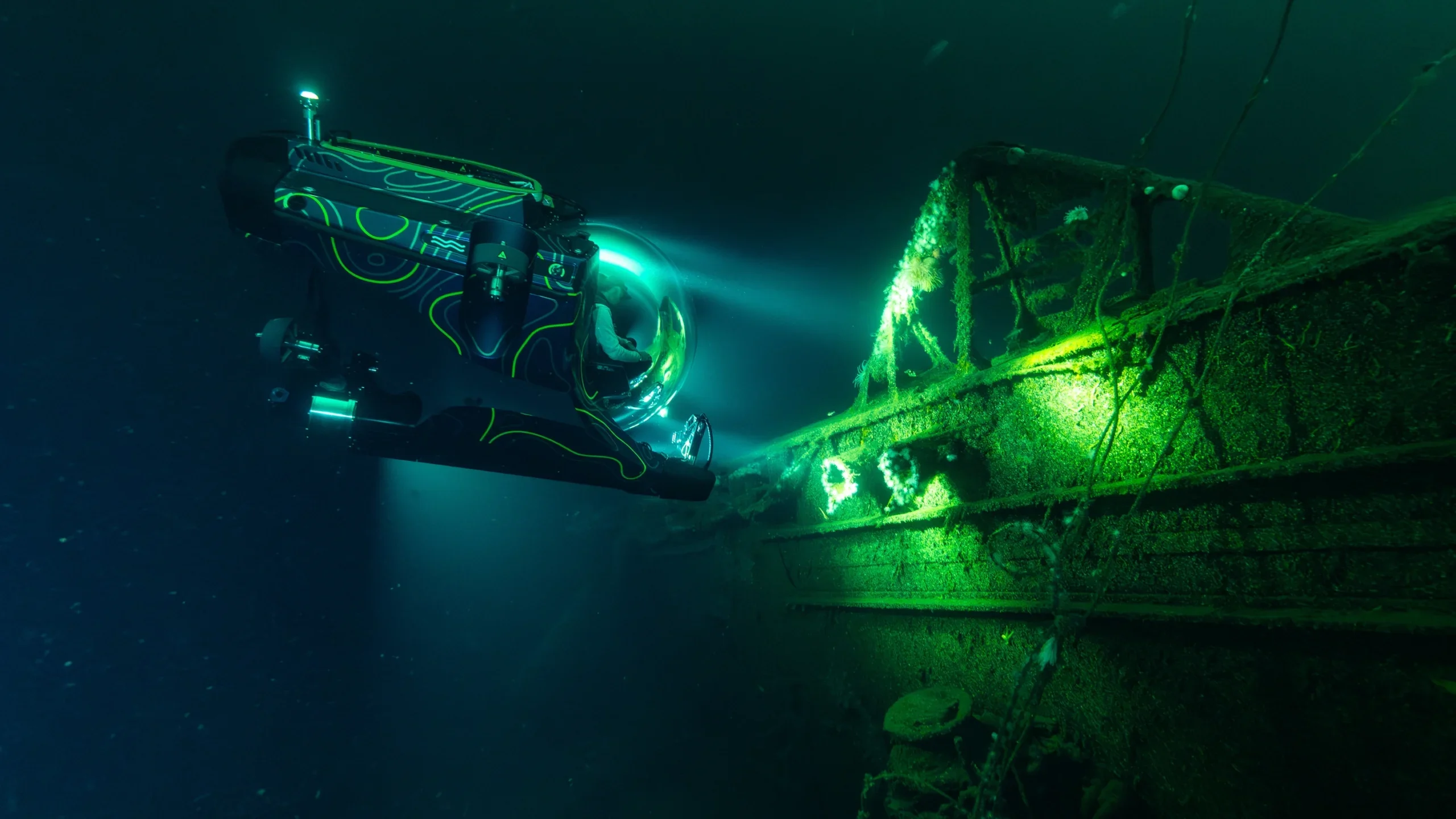
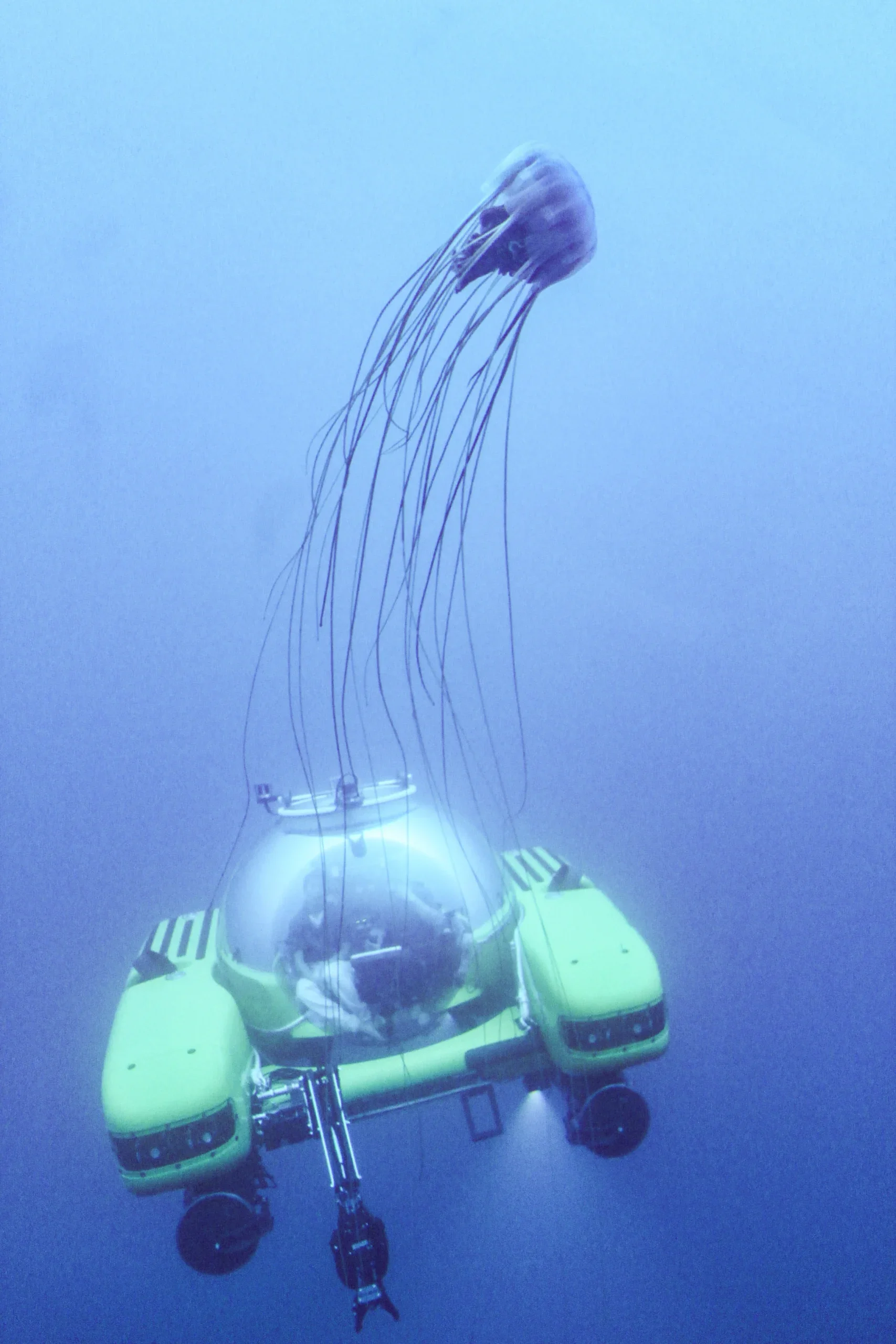
In contrast, a modern crewed submersible acts as a mobile, pressurized laboratory. Passengers are housed within a reinforced, dry cabin maintained at one atmosphere of pressure. Because the occupants remain at sea-level pressure regardless of the depth, the physiological risks associated with gas saturation are eliminated. This allows for prolonged submersion—sometimes lasting for several hours—at depths ranging from 300 meters to several thousand meters.
Erik Hasselman, the head of yachts at Cookson Adventures, brings nearly two decades of experience from the submersible manufacturing giant U-Boat Worx to his current role. Having completed more than 250 dives across a diverse array of models, reaching depths of up to 3,470 feet, Hasselman views these vessels as the ultimate inclusive platform. "A submersible takes you to 300 meters and beyond in a dry cabin at normal pressure," Hasselman explains. "There is no need for decompression, and you can stay down for hours. It is an incredibly inclusive experience; we can host guests ranging from young children to grandparents, allowing families to witness ecosystems that were previously invisible to them."
The Shadow of the Titan: A Turning Point for Industry Safety
The pursuit of the deep is not without peril. The June 2023 tragedy, in which the Titan submersible suffered a structural failure during a descent to the wreck of the RMS Titanic, resulted in the loss of five lives. The incident sent shockwaves through the maritime industry and prompted a rigorous, two-year investigation by the United States Coast Guard.
The final report, released in August 2025, was unequivocal. It identified systemic failures within OceanGate’s engineering philosophy, including the use of experimental, unclassed materials for the pressure hull, a lack of independent third-party certification, and inadequate maintenance and inspection protocols. The report categorized the tragedy as entirely preventable, citing a "culture of negligence" that prioritized rapid innovation over established maritime safety standards.
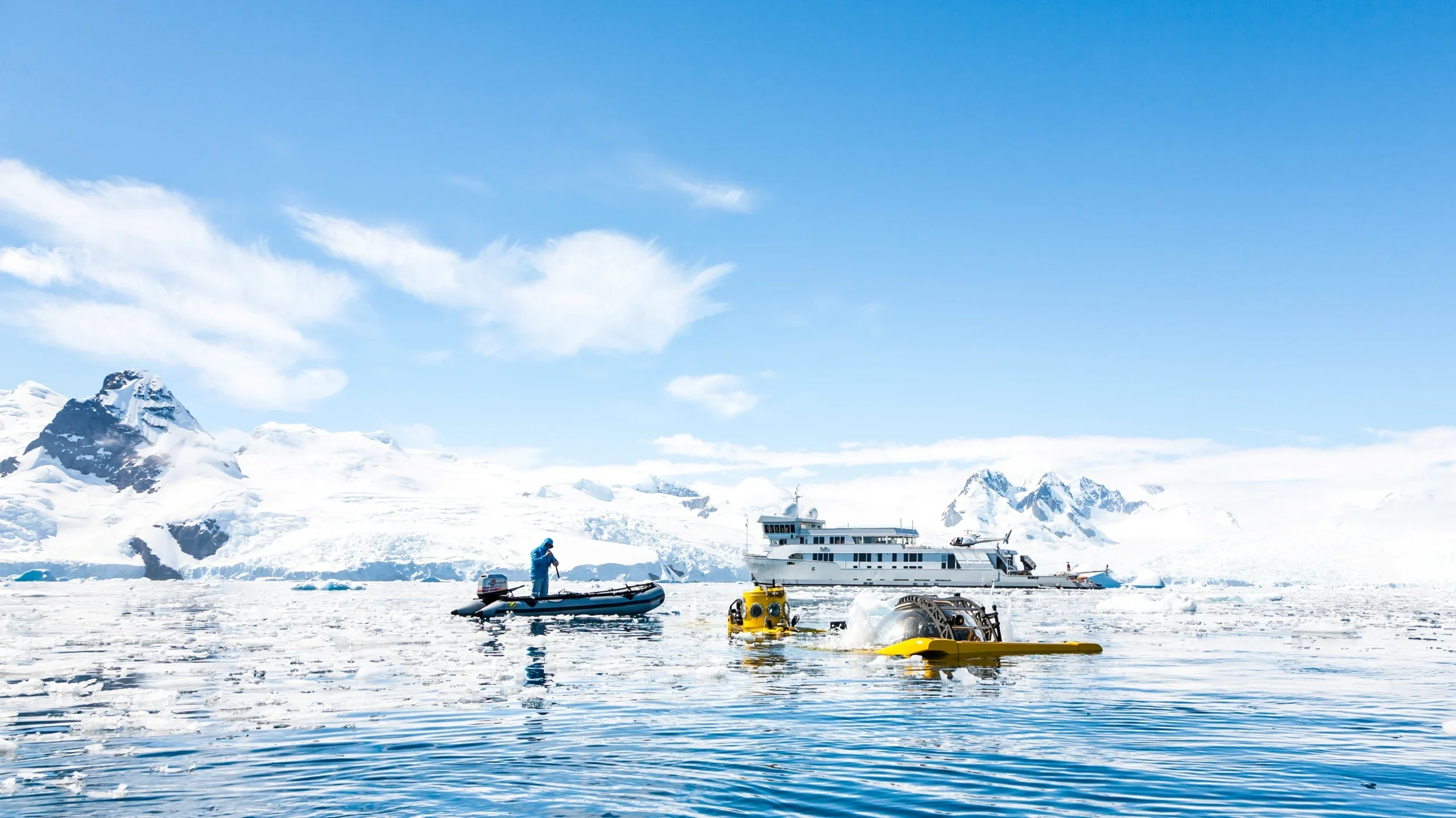
For the private expedition industry, the aftermath has been a period of intense soul-searching. "The industry has changed significantly since the incident," says Hasselman. "Clients are more educated, and they are asking more difficult, necessary questions. This shift in the market is a positive development. It forces every operator to be transparent about their risk management, their hardware, and their certifications."
Establishing the Gold Standard for Safety
For potential owners or charterers of submersibles, the primary metric of safety is "classification." In the maritime world, a classification society—such as DNV (Det Norske Veritas), ABS (American Bureau of Shipping), or Lloyd’s Register—acts as an independent auditor. These organizations establish strict rules for the design, construction, and ongoing maintenance of vessels. A classed submersible is one that has been rigorously inspected and verified to meet international safety benchmarks.
Beyond classification, industry experts emphasize that the greatest danger often lies not in the descent itself, but in the interface between the vessel and the surface. "The launch and recovery system (LARS) is where a substantial portion of the operational risk resides," notes Hasselman. "When you are operating in remote areas, such as the Arctic or the remote islands of the Pacific, the plan must account for every variable: medical access, emergency evacuation logistics, and the location of the nearest operational hyperbaric chamber."
Prospective passengers are advised to verify several key indicators before stepping aboard:
- Classification Status: Is the vessel currently classed by a reputable society?
- Pilot Proficiency: What is the pilot’s total flight time in this specific model of submersible?
- Maintenance Records: Are the inspection logs up to date?
- Emergency Protocols: Are there clear, practiced procedures for loss of power, loss of communication, or medical emergencies?
- Operational Autonomy: Who possesses the final authority to abort a mission due to weather or technical concerns?
Hasselman insists that transparency is the best defense against disaster. "We want a clear operations and rescue plan. We want the right insurance in place, and crucially, we want an atmosphere where any team member—or guest—is empowered to say ‘no’ to a dive when conditions are suboptimal. Pretending that deep-sea exploration is without risk is dangerous. Managing that risk with data and rigorous protocol is how you build trust."
Ownership vs. Chartering: The Economic and Technical Reality
The market for private submersibles is currently served by a select group of manufacturers, including U-Boat Worx, Triton Submarines, and SEAmagine. These companies offer a range of craft, from compact, two-person recreational units to sophisticated, multi-passenger machines capable of reaching the ocean floor.
However, the acquisition of a submarine is a complex commitment. It is not merely a purchase; it is the establishment of a specialized marine department. Owners must employ a minimum of two highly trained pilots to ensure operational redundancy and a dedicated technician capable of performing ongoing maintenance. Furthermore, the craft must undergo annual classification surveys and, at specified intervals, comprehensive deep-structure inspections.
Recognizing the logistical burden of ownership, yacht designers have begun integrating submersibles into the initial design phases of new builds. The 150-foot explorer yacht Milele, built by Hakvoort, serves as a prime example of this trend. The vessel was engineered from the keel up to house a two-person U-Boat Worx craft beneath a custom-designed foredeck hatch. The success of this integration was so significant that it led the manufacturer to develop an entire series of yachts modeled around similar submersible-accommodation requirements.
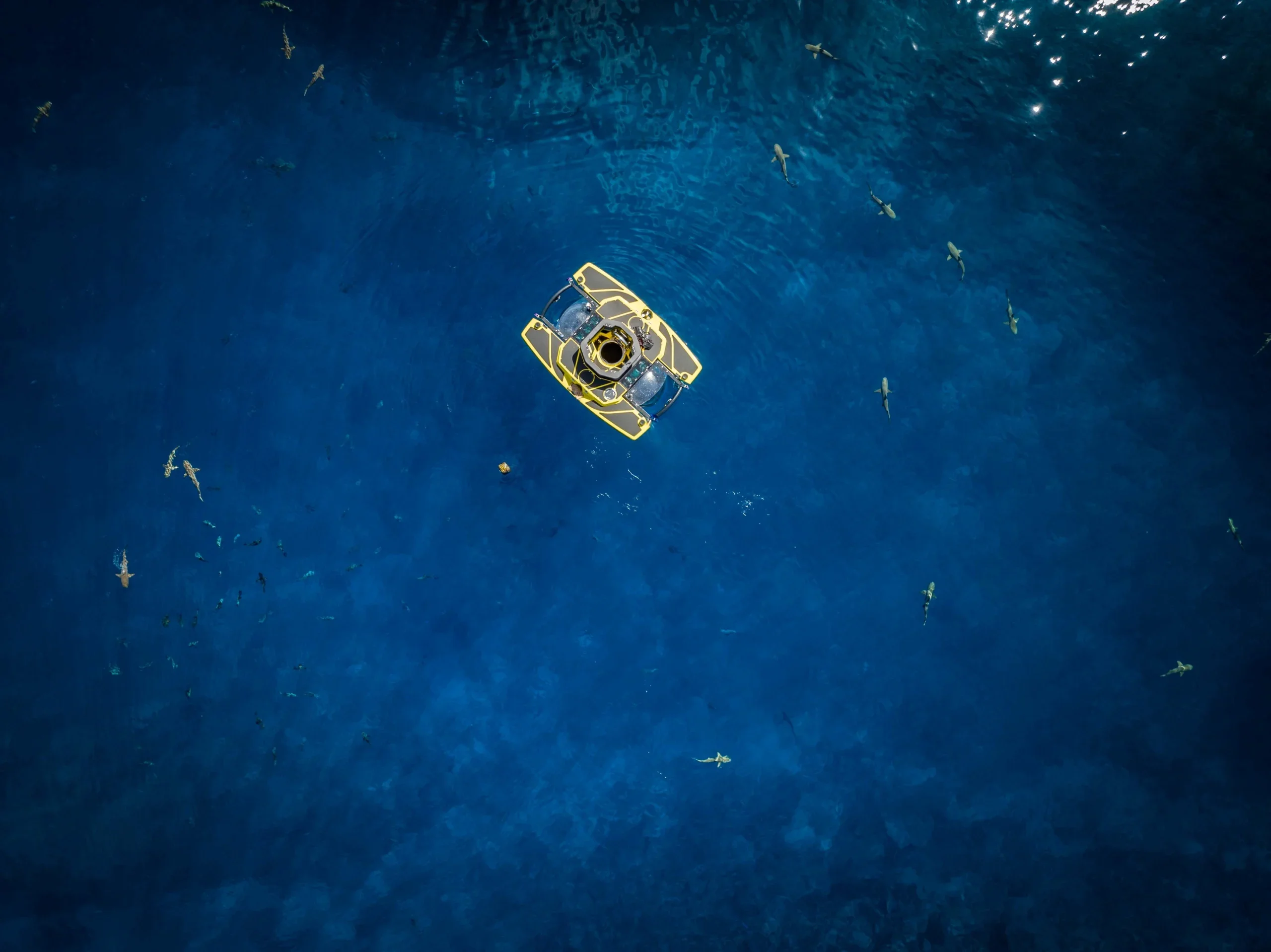
Despite the allure of ownership, experts like Hasselman often advise a more conservative approach for those new to the field. "Ownership makes sense for those who plan to dive frequently and possess the infrastructure to support it. But for the vast majority, chartering as part of a managed expedition is the superior choice. It allows clients to gain experience, understand the technical requirements, and decide whether the lifestyle aligns with their goals before making a multi-million-dollar investment."
The Future: Merging Adventure with Marine Science
As of April 2026, according to data from the National Oceanic and Atmospheric Administration (NOAA), less than 29 percent of the global seafloor has been mapped using modern, high-resolution sonar technology. Even more striking is the fact that less than 0.001 percent of the deep-ocean seafloor has been visually surveyed by humans or remotely operated vehicles (ROVs).
This represents a profound "discovery gap." While sonar can provide a topographical map of the seabed, it cannot identify the complex biological, archaeological, and geological realities hidden in the deep. This is where private expeditions are poised to make a significant contribution to global knowledge.
"I see a future where there is a much tighter, more collaborative link between private expeditions and the marine science community," says Hasselman. "Owners and guests have the unique ability to fund and facilitate access to areas that are otherwise ignored by budget-constrained academic institutions. By assisting in the mapping of historic shipwrecks, conducting reef surveys, and collecting water-column data, these private missions can contribute to a global repository of knowledge that benefits everyone."
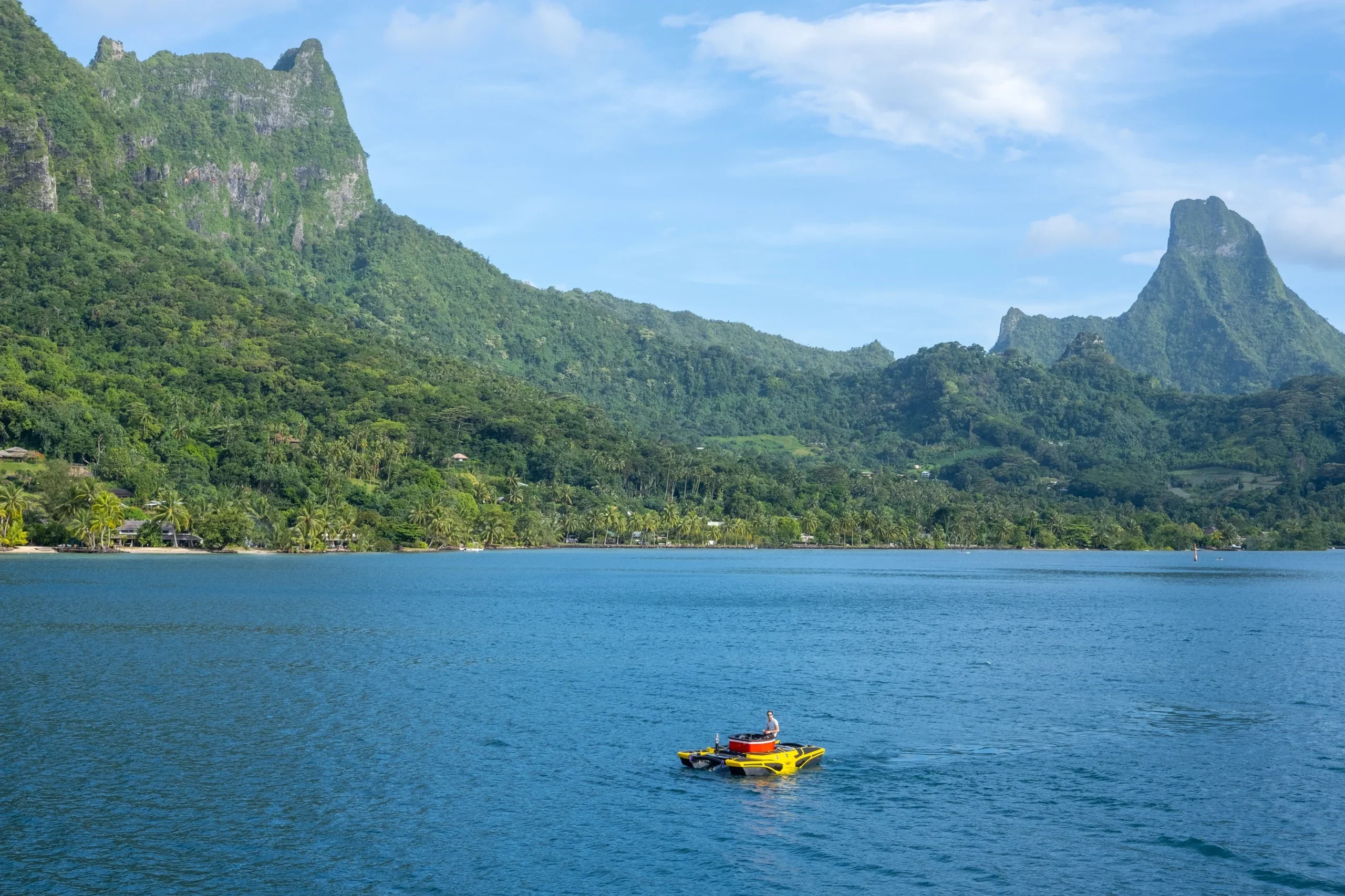
This collaborative vision is already manifesting in upcoming projects. Cookson Adventures is currently planning a series of dives in the waters off Malta, where guests will partner with maritime archaeologist Professor Timmy Gambin to explore First and Second World War wrecks. Similar research-oriented initiatives are being developed for the waters near Narvik, Norway. By shifting the paradigm from mere tourism to purposeful, data-driven exploration, the superyacht industry is carving out a role that transcends luxury—transforming the owners of these vessels into stewards of the last great frontier on Earth.