The Great European Shift: Why Travelers Are Abandoning Traditional Hotspots for Underrated Gems

The traditional European summer itinerary—a predictable loop through the crowded streets of Paris, the Roman Forum, and the canals of Venice—is undergoing a structural transformation. Data from the European Travel Commission (ETC) reveals a distinct pivot in tourism traffic patterns throughout 2026. Rather than flocking to the continent’s established western anchors, international travelers, including a growing contingent from the United States, are increasingly opting for the overlooked, cost-effective landscapes of Central and Eastern Europe. This shift is not merely a matter of aesthetic preference; it is a calculated response to a volatile economic climate characterized by persistent inflation and a sharp, 33 percent year-over-year increase in transatlantic airfare as of autumn 2026.
The Economic Drivers of the New Itinerary
The primary catalyst for this geographical migration is the erosion of purchasing power. With European inflation rates consistently hovering above three percent and the cost of reaching the continent climbing, travelers are adopting a more rigorous approach to destination selection. The "shoulder season"—traditionally the period between peak summer and winter—has become significantly more expensive, forcing families and solo travelers alike to prioritize value over historical ubiquity.
Financial analysts suggest that this trend reflects a broader move toward "budget-resilient" travel. As major hubs like Paris and Rome struggle with over-tourism and inflated hotel pricing, secondary markets are benefiting from a spillover effect. The economic data is clear: in regions where the cost of living remains low, the influx of capital from tourism is accelerating at a pace that far outstrips the growth of established western destinations.
Malta: The Short-Haul Phenomenon
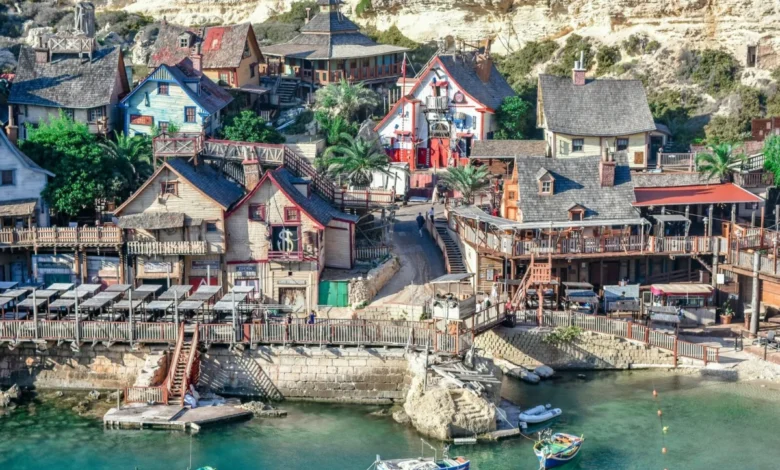
Malta, a Mediterranean island nation with a rich historical tapestry, recorded the most significant surge in arrivals in 2026, with an 18.1 percent increase. This growth, however, is qualitatively different from long-haul tourism. The European Travel Commission attributes the spike primarily to budget carriers and short-haul connectivity from neighboring European markets.
Unlike countries that attract long-term vacationers, Malta’s tourism profile remains dominated by the "long weekend" demographic. Consequently, while arrivals surged, the growth in overnight stays remained more conservative at 10.1 percent. For the savvy traveler, Malta represents a strategic choice: the island offers the historical depth and climate of more expensive Mediterranean locales but remains competitively priced. By shifting travel dates to the spring or autumn, visitors can effectively bypass the intense heat and congestion of July and August, maximizing the utility of their travel budget.
Ireland: The Rise of the Extended Road Trip
While Ireland saw a 12.7 percent rise in arrivals, its most notable metric is the 17.6 percent increase in overnight stays. This statistical divergence is highly significant; it indicates that visitors are no longer treating Ireland as a brief urban stopover in Dublin. Instead, the country is increasingly viewed as a multi-day, immersive destination.
The surge in extended stays is largely credited to the popularity of the Wild Atlantic Way, a 1,600-mile coastal route that showcases the rugged topography of the west coast. By moving beyond the Dublin metropolitan area—where hotel costs are among the highest in Europe—tourists are discovering that the rural interior and western seaboard offer far better value. This trend suggests that the modern traveler is prioritizing experience-heavy, experiential travel, such as road-tripping through rural villages, over the convenience of capital-city convenience.
The Montenegro Effect and the Croatia Alternative
Montenegro has emerged as a direct beneficiary of the competitive pressures currently facing its neighbor, Croatia. With an arrivals increase of 9.6 percent, Montenegro’s growth is largely linked to infrastructure expansion. The decision by Wizz Air to establish a base at Podgorica Airport in the spring of 2026 served as a catalyst, resulting in a 30 percent increase in flight volume.
Montenegro’s appeal lies in its geographical similarity to the Adriatic’s more famous coastlines. It offers the same limestone mountains, medieval stone architecture, and turquoise coastal waters that have made Croatia a global sensation, but at a significantly lower price point. For many, Montenegro represents a "value-engineered" version of the Adriatic experience, proving that accessibility and infrastructure investment are the most potent tools for diverting established tourist flows.
Slovakia: Nature and Wellness in the East
Slovakia has quietly become the poster child for the growth of Central and Eastern European tourism. With a 14.8 percent rise in arrivals and a 15.4 percent increase in overnight stays, the country is capitalizing on a post-pandemic interest in wellness and outdoor recreation.
The High Tatras, a mountain range offering granite peaks and world-class skiing, provide a viable alternative to the increasingly expensive Alps. Complementing this, the country’s network of thermal spa towns, such as Piešťany, offers high-quality wellness experiences at a fraction of the cost found in Germany, Austria, or Switzerland. Furthermore, its proximity to Vienna—only an hour by train—allows tourists to integrate Slovakia into a broader European itinerary without the necessity of extensive travel logistics.
The Growing Influence of the American Traveler
The shift is not confined to European regional travelers. Data indicates that in 21 out of 28 tracked European countries, the volume of American arrivals increased. While Spain remains the most popular destination for Americans, the rate of growth is significantly higher in eastern territories.
The growth figures for 2026 are striking:
- Montenegro: 29 percent increase in US arrivals.
- Romania: 24.7 percent increase in US arrivals.
- Slovenia: 24.1 percent increase in US arrivals.
- Poland: 20 percent increase in US arrivals.
This trend suggests that the American traveler is becoming more sophisticated in their search for value, driven by the saturation of traditional social media-famous locations. The aesthetic appeal of cities like Kraków or the coastal beauty of Kotor has gained traction through digital platforms, shifting the focus of the American tourist from "bucket-list" locations to "value-discovery" destinations.
Future Implications and Economic Sustainability
The European Travel Commission projects that growth in Central and Eastern Europe will continue to accelerate, with an estimated 10 percent increase in tourist arrivals for 2027. This rapid expansion brings with it a cautionary note for the industry. Historically, as regions become "discovered," they inevitably experience a rise in local costs and a transformation of local infrastructure to accommodate foreign demand.
Industry experts warn that countries currently benefiting from their "affordable" status must manage this growth carefully. If the influx of tourism leads to the rapid gentrification of the local hospitality sector—similar to the price escalation seen in Portugal and Croatia over the last decade—these destinations risk losing the very qualities that made them attractive in the first place.
For travelers currently planning their 2027 expeditions, the window of opportunity to visit these regions in their current, relatively uncrowded state is closing. The diversification of European tourism is not merely a transient reaction to current economic pressures; it is a structural change in how global citizens consume European culture and geography. As international travel becomes increasingly commodified, the ability to find value in the less-trodden corners of the continent is becoming the primary goal of the modern, budget-conscious explorer.
As of late 2026, the consensus among tourism boards and economic analysts is that the continent is entering a period of decentralization. The reliance on traditional Western European hubs is being redistributed, creating a more balanced, albeit more complex, tourism ecosystem. Whether this transition remains sustainable will depend on how these emerging destinations balance the surge in foreign capital with the need to preserve their local heritage and economic accessibility. For the time being, the shift remains a triumph of market forces, guiding travelers toward a more diverse array of European experiences.