Eid al-Adha: A Comprehensive Examination of the Islamic World’s Most Significant Religious Observance

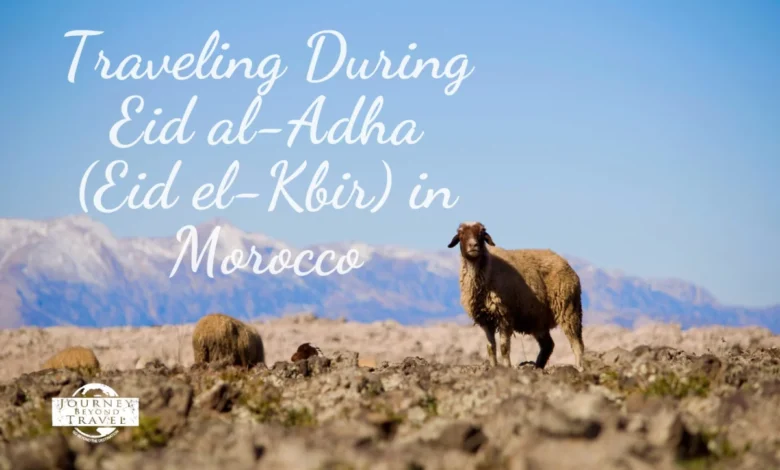
Eid al-Adha, frequently referred to as the "Festival of Sacrifice," stands as the preeminent holiday within the Islamic faith, observed by approximately 1.9 billion Muslims worldwide. Occurring on the tenth day of Dhu al-Hijjah, the final month of the Islamic lunar calendar, the event falls exactly two months after the conclusion of the holy month of Ramadan. Known colloquially in North Africa as Eid el-Kbir, or "The Big Holiday," and in francophone regions as la fête du mouton, the festival serves as a cornerstone of communal identity, theological reflection, and social welfare.
Historical Context and Theological Significance
The origins of Eid al-Adha are rooted in the Abrahamic tradition, which is shared across the three major monotheistic religions. In Islamic theology, the festival commemorates the unwavering devotion of Prophet Ibrahim (Abraham) to God. According to the Quran, Ibrahim was commanded in a vision to sacrifice his son, Ismael, as a test of his faith. As Ibrahim prepared to fulfill the divine command, God intervened, providing a ram to be sacrificed in his son’s stead. This narrative emphasizes submission, sacrifice, and the belief in divine mercy.
While the biblical account in the Old Testament identifies Isaac as the son offered for sacrifice, Islamic tradition identifies Ismael as the central figure. Despite these divergent theological interpretations, the core tenets of the holiday—piety, gratitude, and charity—remain consistent. Beyond its religious function, the festival operates as a critical mechanism for wealth redistribution, as a significant portion of the sacrificial meat is mandated to be donated to those in need.
Chronological Observance and Ritual Practice
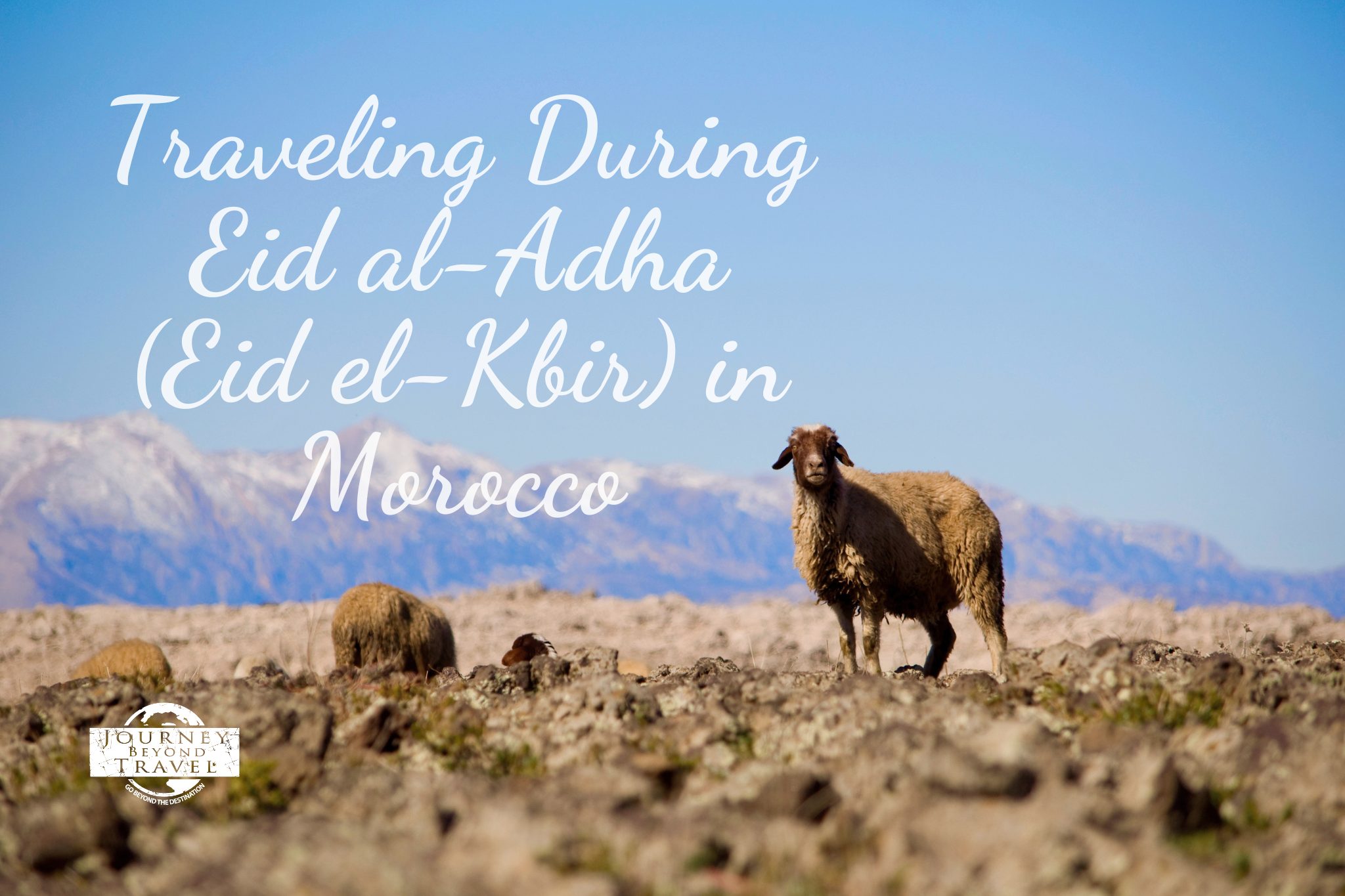
The lead-up to Eid al-Adha is characterized by high levels of commercial and social activity. In agrarian and urban settings alike, the acquisition of a sacrificial animal—typically a sheep, goat, or cow—becomes a primary focus for households. This period is marked by the presence of livestock in residential neighborhoods, a practice that highlights the integration of rural traditions into modern urban environments.
The three-day celebration follows a structured timeline:
Day 1: The primary focus is the ritual slaughter, or Qurbani, which must be performed according to halal standards. This act is a somber reminder of the historical sacrifice and is followed by the preparation of traditional dishes. In many regions, the morning is reserved for communal prayer at local mosques, followed by the slaughtering process. The immediate aftermath involves the processing of the animal, where nearly every part of the sheep is utilized, reflecting a cultural ethos against waste.
Day 2: The focus shifts to communal dining and social visitation. Large-scale meals featuring dishes such as couscous—prepared with specific cuts of meat, including the head and feet—are standard. The afternoon often involves the preparation of soups and secondary dishes using organs, ensuring that the entire animal is consumed or distributed.
Day 3: The concluding phase of the festival often features more refined culinary preparations. Traditional recipes, such as mhammar (marinated lamb chops) or mrrozeya (a slow-cooked tagine involving honey, raisins, and aromatic spices), are prepared. These complex dishes serve as a testament to the culinary heritage preserved through generations during this specific window of the year.
Socio-Economic Implications and Data

The economic footprint of Eid al-Adha is substantial. In countries like Morocco, where the holiday is a national event, the livestock sector experiences a massive surge in demand. Market analysts often observe a spike in the prices of sheep in the weeks leading up to the holiday. Government ministries of agriculture typically initiate measures to ensure the supply chain is sufficient to meet the demand, often facilitating the transport of millions of heads of livestock from rural breeding zones to metropolitan centers.
The charitable component of the holiday provides a vital safety net. Islamic law dictates that the meat be divided into three equal portions: one for the family, one for relatives and friends, and one for the poor. This practice ensures that even the most impoverished households have access to high-quality protein, which can lead to a measurable, albeit temporary, reduction in food insecurity during the festival period.
Perspectives from Religious and Civic Leaders
Religious scholars emphasize that the physical act of sacrifice is secondary to the spiritual state of the believer. Statements issued by various Islamic councils consistently remind the public that the "sacrifice" is a metaphor for the internal struggle against ego and selfishness. From a civil perspective, municipal authorities often issue guidelines regarding public health and sanitation. Given the large number of animals slaughtered in residential areas, health departments work to mitigate the environmental impact, managing the disposal of animal waste and encouraging the use of designated slaughter areas where available.
Challenges and Logistical Realities
For travelers and foreign residents, the holiday presents a unique dichotomy of experiences. The "pro" side of the experience is undeniably cultural; the spirit of hospitality is at its peak, and the rarity of the elaborate, once-a-year recipes offers a deep, authentic glimpse into local traditions. It is a time when families who have been separated by work or migration for the majority of the year reunite.

However, the logistical challenges are significant. Infrastructure is often pushed to its breaking point. Transportation networks—including bus lines, trains, and highway systems—frequently reach capacity. In many major cities, public services are suspended for the duration of the holiday, and many private businesses close to allow employees to spend time with their families. Foreign visitors are advised to plan travel well in advance, as the scarcity of taxi services and the closure of retail outlets can cause significant disruptions to itinerary schedules.
Broader Impact and Future Outlook
As the world becomes increasingly urbanized, the traditional practices surrounding Eid al-Adha are undergoing a slow transformation. In some metropolitan areas, there is a growing trend toward centralized, professional slaughtering facilities that adhere to both religious and modern health standards. This shift aims to balance the preservation of ancient customs with the requirements of modern public health.
Despite these changes, the fundamental significance of the holiday remains unchanged. It continues to function as a powerful anchor for social cohesion. By forcing a pause in the relentless pace of modern life, the festival compels individuals to reconnect with their families, their neighbors, and their faith. The sight of burning wool and the sounds of bustling street markets serve as a sensory marker of a society that, even in the 21st century, values the preservation of its collective memory.
For the observer, Eid al-Adha is an entry point into understanding the complexities of contemporary Islamic society. It is a period defined by a spectrum of emotions—from the solemnity of the morning prayers to the jubilance of the evening feasts. Whether viewed through the lens of theology, economics, or social anthropology, the "Big Holiday" remains an essential event for understanding the cultural fabric of the Muslim world. As the dates of the holiday shift annually due to the lunar cycle, the event continues to serve as a reminder of the enduring nature of tradition in an ever-evolving global landscape.