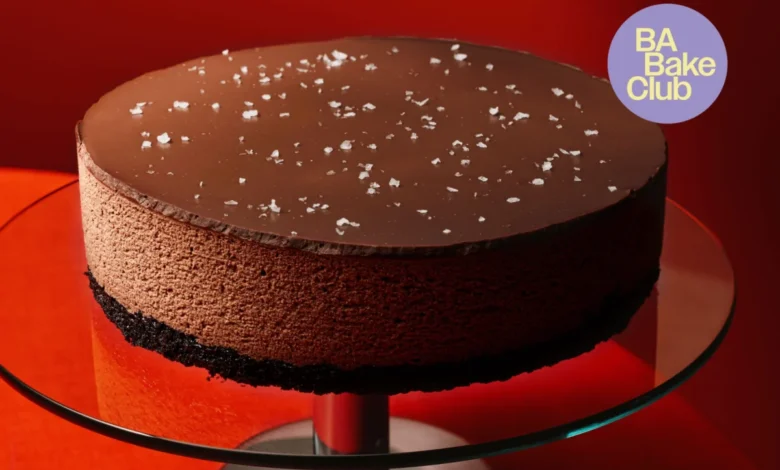
The Bon Appétit Bake Club has officially unveiled its culinary centerpiece for December, opting for a decadent Triple Chocolate Mousse Cake designed to serve as the definitive conclusion to the year’s festivities. As home bakers transition into the peak holiday season—a period characterized by a significant surge in consumer interest regarding pastry arts and dessert preparation—the selection of a multi-layered, technically challenging dessert reflects broader trends in domestic kitchen activity. The recipe, which integrates a dense, single-bowl chocolate base with an airy mousse and a refined ganache topping, serves as both a centerpiece for social gatherings and a practical exercise in foundational pastry techniques.
The Evolution of the Holiday Dessert Market
The decision to release the December Bake Club selection early highlights a strategic response to the shifting logistics of holiday planning. According to data from the National Retail Federation and various consumer trend analysts, the window for holiday food preparation has expanded over the last decade, with an increasing number of households beginning their menu planning in late November. This shift is largely attributed to the desire for "at-home experiences" that rival professional hospitality, a trend that gained significant momentum during the pandemic and has remained a fixture of the post-2020 culinary landscape.
For the home baker, the Triple Chocolate Mousse Cake represents an intersection of accessibility and professional-grade presentation. Culinary experts often cite the "showstopper" phenomenon—the preference for visually arresting desserts that require moderate technical skill—as a primary driver of engagement for clubs like those hosted by Bon Appétit. By providing a structured guide, the organization aims to bridge the gap between amateur enthusiasm and professional execution.
Foundational Techniques: A Chronology of Construction
The composition of the Triple Chocolate Mousse Cake relies on a sequential application of classical French pastry techniques. The construction process can be broken down into three distinct phases, each requiring precision and adherence to temperature control:

- The Base: The foundation consists of a dense, fudgy chocolate cake prepared in a single vessel. This stage is designed for efficiency, minimizing post-baking cleanup while ensuring a consistent, moist crumb that can support the weight of the subsequent layers.
- The Mousse Emulsion: The core of the dessert is a three-part mousse that utilizes a crème anglaise—a custard thickened with egg yolks and sugar—as its base. When combined with high-quality chopped chocolate, this forms a crémeux, or an emulsified custard with a velvety texture. The final step involves the careful folding of whipped cream into this mixture, creating the signature aeration that defines a high-end mousse.
- The Finishing Layer: The cake is topped with a thin, glossy ganache, providing a sharp contrast in texture and a visual polish that elevates the final presentation to a professional standard.
Technical Specifications and Ingredient Integrity
The success of this specific recipe hinges on the quality of ingredients, particularly the selection of chocolate. Professional pastry chefs and the Bon Appétit editorial team emphasize the use of 70% dark chocolate for this application. The higher percentage of cocoa solids is not merely a preference for flavor profile; it is a structural necessity.
In food science, the cocoa butter content in 70% chocolate provides the required stability for the mousse to maintain its integrity at room temperature. Lower-quality chocolates with higher sugar content or vegetable fats may lead to "slumping" or structural failure when the cake is unmolded. Consequently, the recipe requires a specific balance of fat and cocoa solids to ensure the dessert holds its form when sliced.
Essential Equipment and Kitchen Logistics
The technical requirements for this recipe include the use of a springform pan. From an equipment standpoint, the springform pan is considered an essential investment for bakers aiming for a professional finish. Unlike standard cake tins, the springform design—which features a removable side ring—allows for the clean release of delicate desserts that cannot be inverted.
Industry analysts at kitchenware retail outlets note that sales of high-quality springform pans typically see a 20-25% increase during the fourth quarter. The adoption of such tools is indicative of a broader trend: the professionalization of the home kitchen. As consumers gain access to higher-quality equipment, their expectations for the results of their labor have risen accordingly. Furthermore, the use of a heated, sharp knife—wiped clean between slices with a dry kitchen towel—is recommended to ensure the "architectural" quality of the slices, preventing the drag of the ganache layer and maintaining clean, crisp edges.
Broader Implications for Home Baking Communities
The Bon Appétit Bake Club’s approach serves as a case study in digital community engagement. By curating a monthly "challenge," the platform fosters a sense of shared accomplishment among its members. The communal aspect of sharing results on social platforms or through internal forums serves to demystify complex techniques, thereby lowering the barrier to entry for novice bakers.

From a sociological perspective, the resurgence of interest in intensive baking projects reflects a psychological need for tactile, creative outlets in an increasingly digital world. The act of tempering chocolate, whipping cream to the perfect consistency, and carefully assembling a multi-layer cake provides a sense of agency and accomplishment that is distinct from other leisure activities.
Economic and Culinary Impact
The holiday season remains the most significant period for the baking industry, with flour, sugar, and chocolate sales reaching their annual peak in December. The promotion of a recipe that emphasizes high-quality ingredients encourages a "premiumization" of holiday baking. By advocating for 70% dark chocolate and specific hardware, the Bake Club influences the purchasing habits of its audience, steering them toward higher-grade specialty products.
The impact of such initiatives extends beyond the kitchen. Local grocery retailers and specialty shops often see inventory shifts based on these widely circulated, high-profile recipes. As the culinary media landscape continues to evolve, the integration of detailed, step-by-step instructional content—supported by digital commerce links—creates a seamless experience that guides the consumer from the decision-making phase to the final presentation on the table.
Conclusion: A Legacy of Holiday Tradition
The Triple Chocolate Mousse Cake is more than a dessert; it is a manifestation of the current standards for holiday entertaining. By emphasizing the mastery of technique—from the emulsification of the custard to the precise temperature management of the ganache—the Bon Appétit Bake Club provides its members with the tools to produce a result that is both technically impressive and deeply satisfying. As the year draws to a close, the focus on such labor-intensive projects underscores the enduring value of the home-cooked holiday centerpiece, proving that despite the convenience of modern life, the desire to create something grand, grander, and spectacular remains a core pillar of domestic tradition. The early release of this material ensures that members have ample time to source ingredients, refine their technique, and prepare for the final, crowning achievement of their holiday culinary calendar.