The convergence of professional mixology and seasonal folklore has transformed the modern Halloween party from a simple candy-centered affair into an immersive culinary experience. As travel and hospitality professionals increasingly lean into regional history and thematic storytelling, hotels and restaurants across the United States have developed sophisticated cocktail programs that bridge the gap between classic autumn flavors and the macabre aesthetics of October 31. From the high-desert traditions of New Mexico to the historic apple orchards of Pennsylvania, these recipes serve as a liquid map of American regional culture.
The rise of the "themed cocktail" is not merely a marketing trend but a response to shifting consumer preferences for experiential dining. Market data from the hospitality sector suggests that seasonal, limited-time menu offerings drive a 15% increase in beverage sales during the fourth quarter. By utilizing locally sourced ingredients—such as regional ciders, craft spirits, and seasonal botanicals—establishments are successfully converting local history into a premium consumer product.
The Evolution of Seasonal Mixology
Historically, Halloween cocktails were limited to punch bowls and basic spirits. However, the contemporary approach mirrors the "farm-to-table" movement, emphasizing quality and provenance. For instance, the use of hard apple cider in Pennsylvania or maple syrup in Michigan reflects a broader commitment to regional supply chains. This shift allows mixologists to tell a story through the glass, grounding the "spooky" theme in tangible, high-quality ingredients.

1. The One-Eyed Willy: A Cinematic Tribute in Nevada
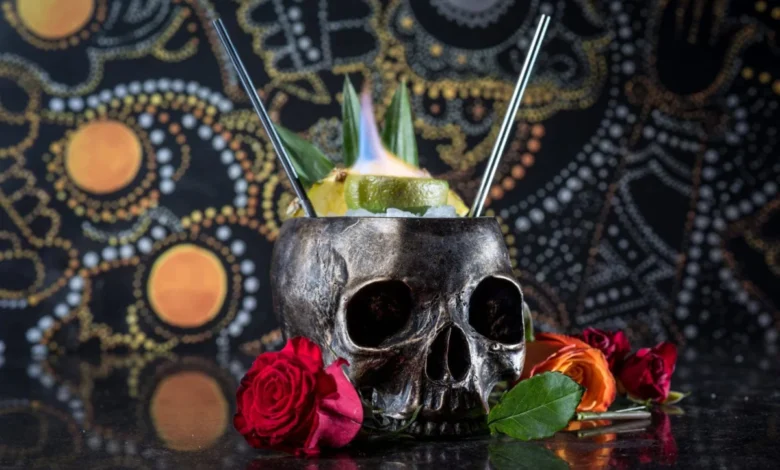
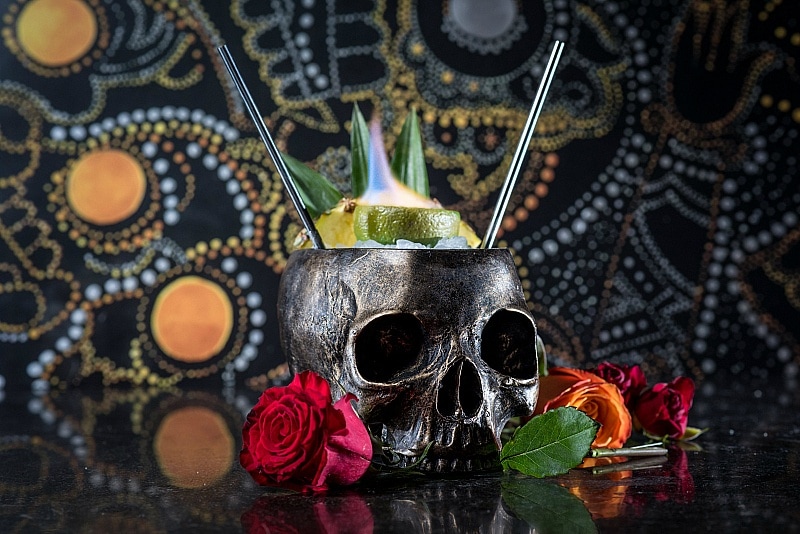
At the Borracha Mexican Cantina, located within the Green Valley Ranch Resort & Spa in Henderson, Nevada, the mixology team has leaned into the cinematic legacy of the 1985 film The Goonies. The "One-Eyed Willy" cocktail is a centerpiece of the resort’s Day of the Dead-themed bar. The drink requires a precise blend of spirits, shaken with ice and served in a skull-shaped vessel. The presentation, featuring a pineapple slice and a hollowed-out lime half filled with 151-proof rum set ablaze, serves as an example of theatrical mixology that prioritizes both visual impact and sensory experience.
2. The Spiked Tootsie: A nod to the El Camino Real
The Coyote Cafe in Santa Fe, New Mexico, utilizes its geographic location to provide historical context for its seasonal offerings. Given that Santa Fe served as a primary destination for tequila imports via the historic El Camino Real trail, the restaurant’s "Spiked Tootsie" is a deliberate homage to the city’s trade history. By layering coffee liqueur and orange juice, the drink mimics the appearance of a classic chocolate candy, proving that historical narratives can be successfully integrated into modern beverage programs.

3. The Candy Corn Martini: Modern Nostalgia
At The Sage Hotel in Santa Fe, the Social Kitchen + Bar has developed the "Candy Corn Martini." This drink utilizes a tri-colored layering technique involving grenadine, a mixture of vodka, sour mix, and pineapple juice, and a whipped cream finish. The drink functions as an adult interpretation of childhood nostalgia, a common motif in modern holiday marketing that appeals to demographic cohorts seeking familiar flavors elevated through craft preparation.
4. The Sleepy Hollow: Seasonal Artistry in Virginia
In Harrisonburg, Virginia, the Local Chop and Grill House emphasizes the "farm-to-table" ethos of the Shenandoah Valley. Their "Sleepy Hollow" cocktail, named for the Washington Irving legend, relies on seasonal ingredients and technical precision. A key element of this drink is the use of a cocktail atomizer to spray Angostura bitters through a leaf-shaped stencil onto a foam layer. This technique demonstrates the increasing sophistication of presentation in local dining, where the visual aesthetic is considered as vital as the flavor profile.

5. Midori Lemon Gin Fizz: The Chicago Aesthetic
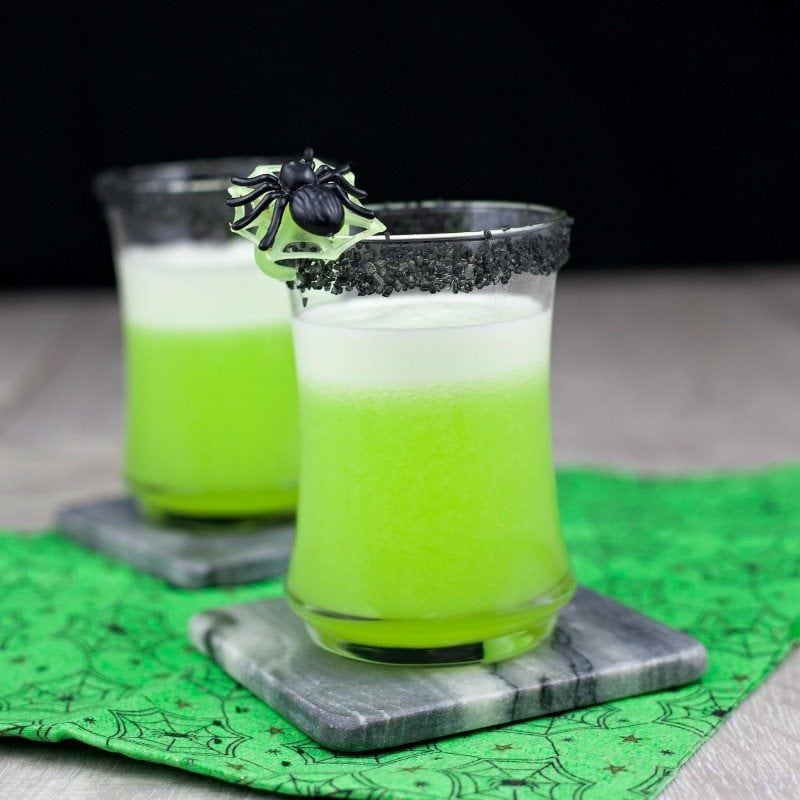
Dell Cove Spice Co. in Chicago, Illinois, takes a more avant-garde approach with its "Midori Lemon Gin Fizz." By incorporating a black salted rim and a neon-green base, the cocktail achieves a distinct, "alien" aesthetic that stands out in a crowded market of brown-toned autumn drinks. The use of egg whites provides a silky texture, while the plastic spider ring garnish illustrates the playful, low-cost branding strategies that can effectively drive social media engagement for a restaurant.
6. Cider Sangria: The Apple-Centric Approach
The Gettysburg Hotel in Adams County, Pennsylvania, operates in one of the most prolific apple-producing regions in the United States. Their "Cider Sangria" is a prime example of regional branding. By utilizing local hard apple cider as the foundation, the establishment supports local agriculture while providing patrons with a product that feels authentic to the Pennsylvania landscape. This strategy reduces reliance on imported ingredients and strengthens the connection between the hotel and the local community.

7. Rye Bar Smoked Coffee: Warmth in the Capital
In Washington, D.C., the Rosewood Hotel’s Rye Bar focuses on the atmosphere of the season. Their "Smoked Coffee" cocktail is designed for a cooler climate, utilizing a fresh cream float and shavings of dark, spicy chili chocolate. The addition of heat—both in temperature and spice—creates a sensory experience suited to the architectural and environmental context of the C&O Canal in Georgetown.
8. Fall in the 305: Bridging Climates
Spencer Taliaferro, the lead bartender at the LILT Lounge in Miami’s EPIC Hotel, offers a unique perspective on seasonal beverages. Recognizing that South Florida lacks the traditional indicators of autumn—such as changing leaves—he developed "Fall in the 305" to replicate those sensations through spice and aroma. This cocktail serves as an example of "aspirational mixology," where the drink provides a sensory escape from the immediate environment.
9. Maple Trea: Michigan’s Smoky Profile
At Zingerman’s Roadhouse in Ann Arbor, Michigan, the "Maple Trea" leverages local maple syrup from Snow’s Sugarbush. By pairing this with Scotch, the drink creates a smoky flavor profile reminiscent of autumnal burning leaves. This drink represents the pinnacle of ingredient-driven mixology, where the provenance of the sweetener is as important as the base spirit.
10. Pumpkin Spice Latte Cocktail: The Coffeehouse Evolution
The "Pumpkin Spice Latte" cocktail at Over Easy in Colorado Springs, Colorado, acknowledges the pervasive cultural influence of pumpkin spice during the fall. By refining the ingredients to include cinnamon and nutmeg and serving it with a graham cracker rim, the establishment transforms a ubiquitous coffeehouse trend into a sophisticated, adult-focused cocktail.

Economic and Cultural Implications
The widespread adoption of these complex, travel-inspired recipes underscores a shift in how the hospitality industry approaches holidays. Halloween, once perceived as a retail-heavy holiday centered on confectionery and costumes, has been reclaimed as an occasion for culinary storytelling.
From an economic perspective, these recipes provide a high-margin opportunity for bars and restaurants. The cost of goods sold (COGS) for these specialty cocktails is often lower than standard mixed drinks, as they rely heavily on syrups, fresh garnishes, and clever presentation rather than high-end, aged spirits. Furthermore, the "Instagrammability" of drinks like the Sleepy Hollow or the One-Eyed Willy creates organic marketing, as patrons share photos of their beverages on social platforms, effectively providing free advertising for the establishment.

Conclusion
As we look toward the future of seasonal dining, it is clear that the integration of regional history, local ingredients, and cinematic storytelling will continue to be a dominant force in the industry. Whether it is a tribute to a 1980s film or a nod to the agricultural heritage of Pennsylvania, these cocktails demonstrate that the most successful holiday offerings are those that provide a sense of place. For those planning to host celebrations at home, these recipes offer a blueprint for creating an experience that is both sophisticated and firmly rooted in the spirit of the season. By focusing on the narrative behind the ingredients, hosts can ensure that their Halloween gatherings are as memorable as they are delicious.
Related posts: