The landscape of high-end hospitality in the capital of Tuscany has expanded with the official debut of Borgo Pignano Florence, a 15th-century historic estate transformed into an understated luxury sanctuary. Situated along the historic Via Bolognese—the ancient northern trade and pilgrimage route leading to Bologna—the property bridges the gap between urban accessibility and rural tranquility. While travelers traditionally view Florence as a high-density, fast-paced city break destination, this new opening introduces a distinct operational model: a secluded residential perch complete with expansive green acreage, just a ten-minute transit from the bustling Piazza della Repubblica.
Amie O’Shaughnessy, founder and chief executive officer of Ciao Bambino, alongside a select delegation of travel advisors, secured early-access privileges to the estate as part of its inaugural guest cohort. Their initial evaluations highlight a growing market demand for accommodations that mitigate the sensory overload typically associated with peak-season tourism in historic Italian centers.
Historical Background and Architectural Evolution
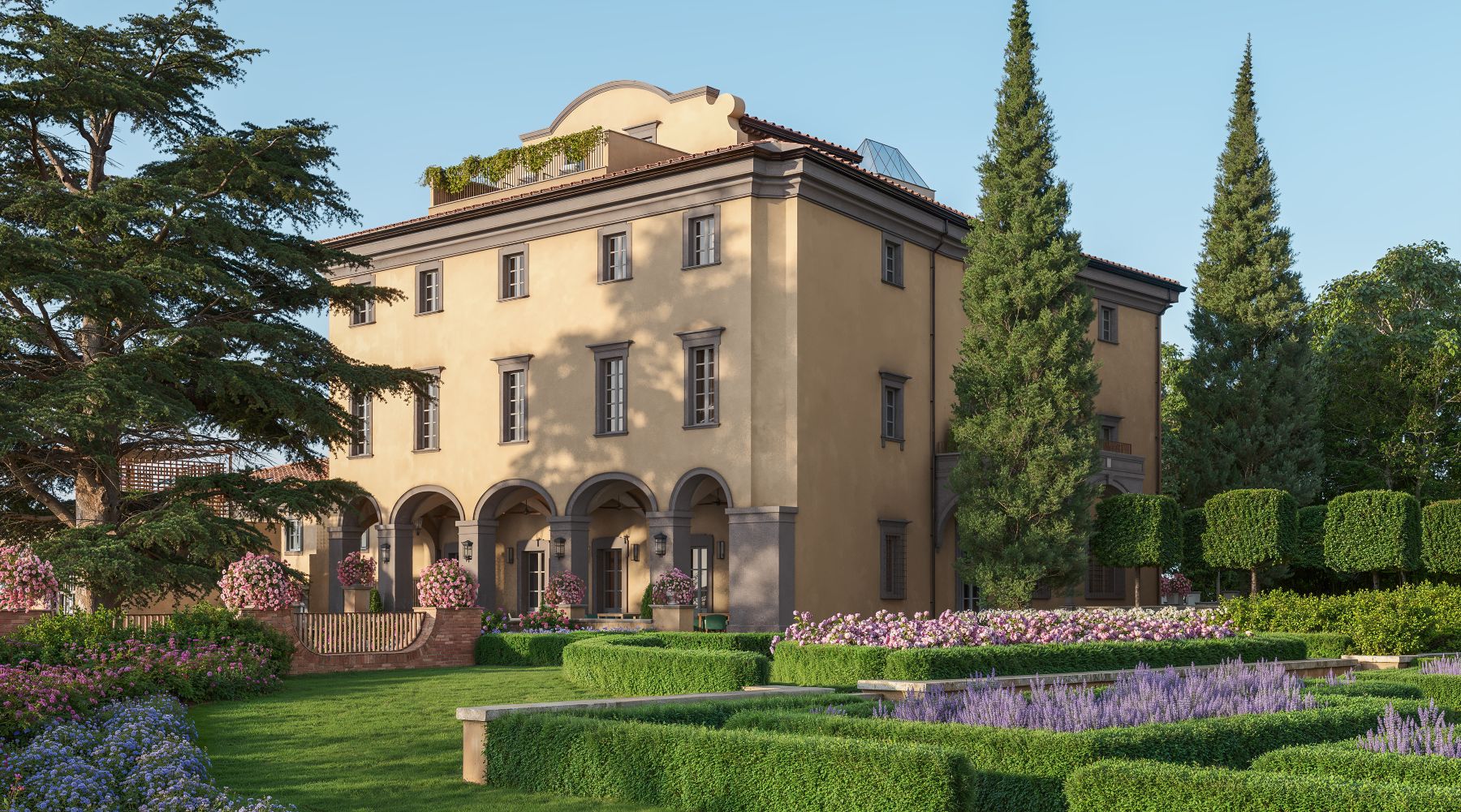
The estate occupies a storied architectural footprint with roots stretching back to the 15th century. Over successive generations, the property has served as a residential seat for prominent figures in Italian history, including Marchese Carlo Ginori, renowned as the founder of the Doccia porcelain manufactory, and Giorgio Emo di Capodilista, a military commander who served during the First World War.
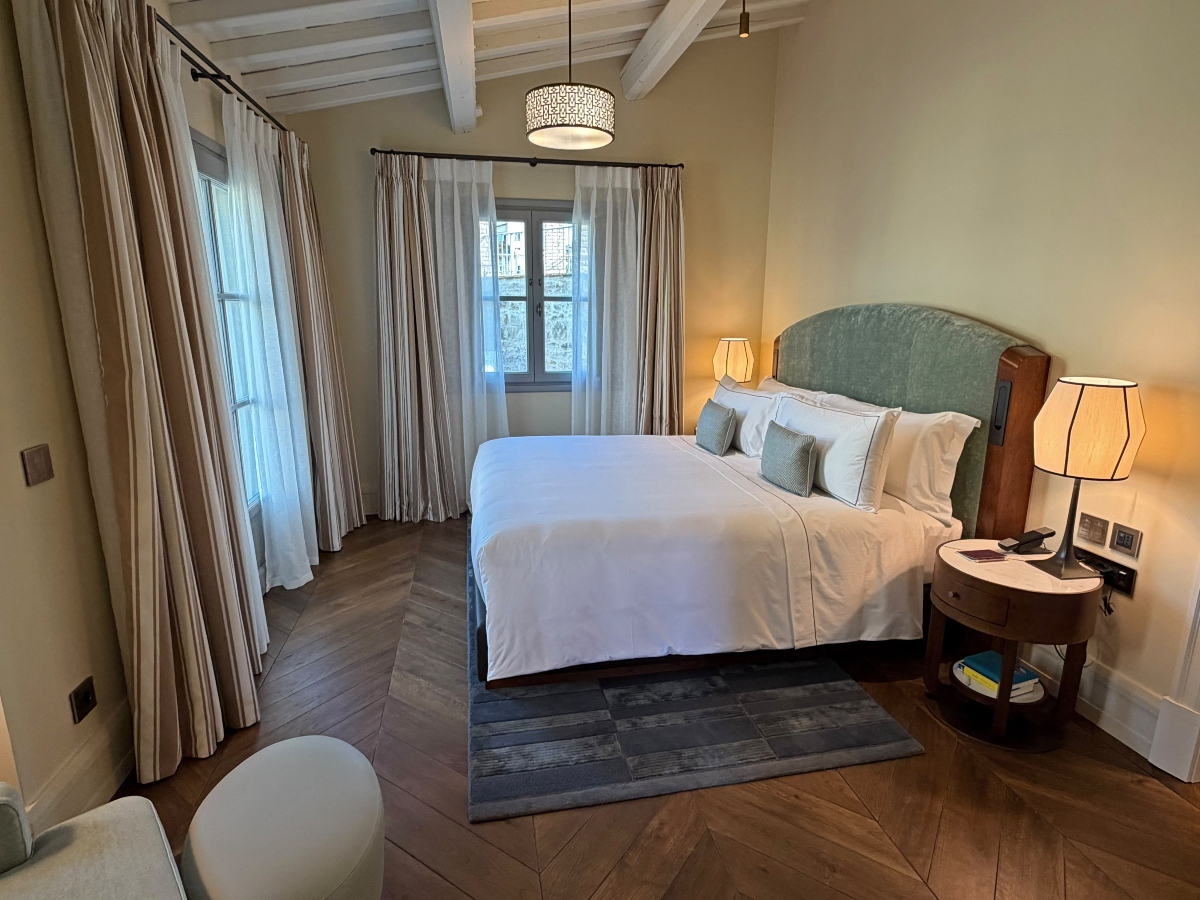
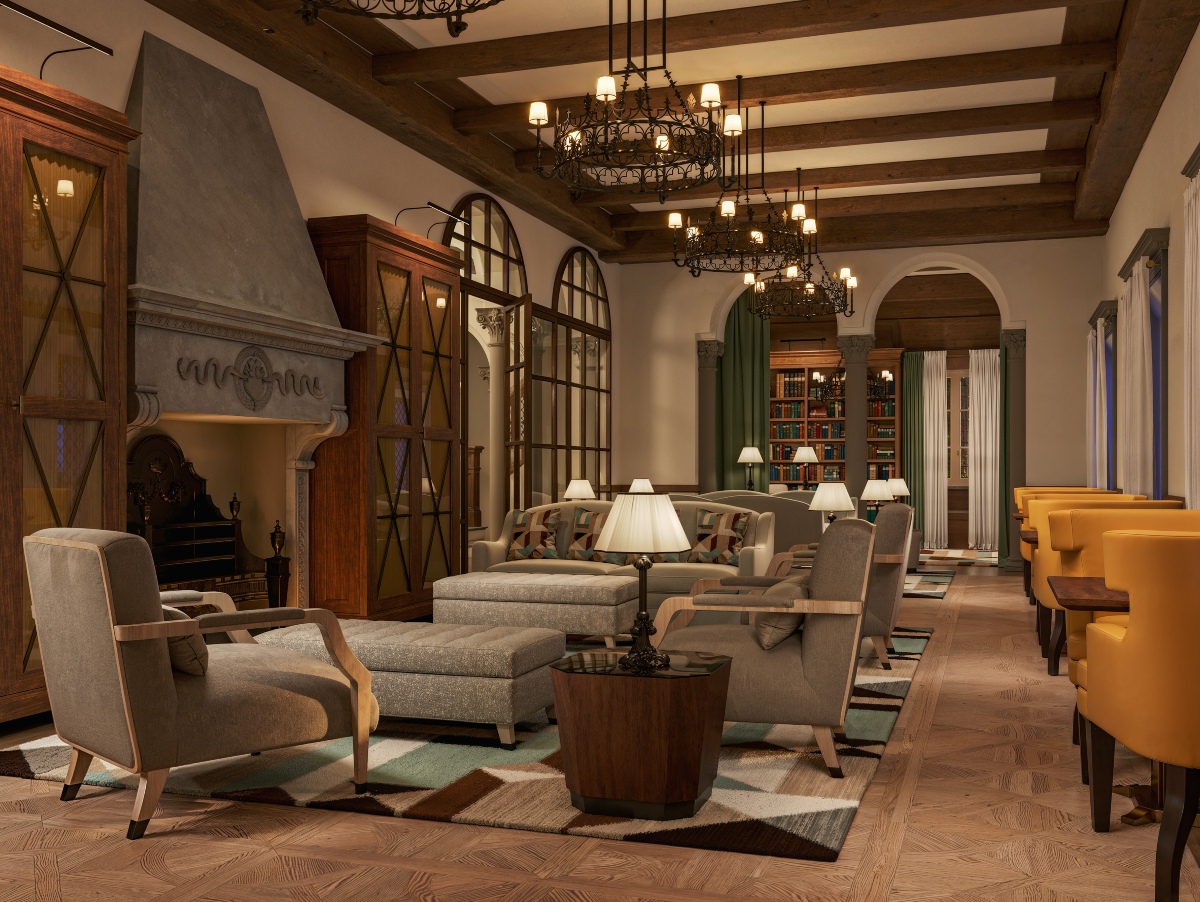
The recent architectural reimagining preserves the villa’s aristocratic heritage while updating infrastructural standards for contemporary international travelers. Comprising 32 distinct guest rooms and suites, the design eschews cookie-cutter standardization; no two rooms share identical layouts or decorative motifs. Original architectural elements—such as white-beamed ceilings, herringbone hardwood flooring, and historic stone fireplaces—are juxtaposed with refined textiles, custom joinery, and modern wellness amenities.
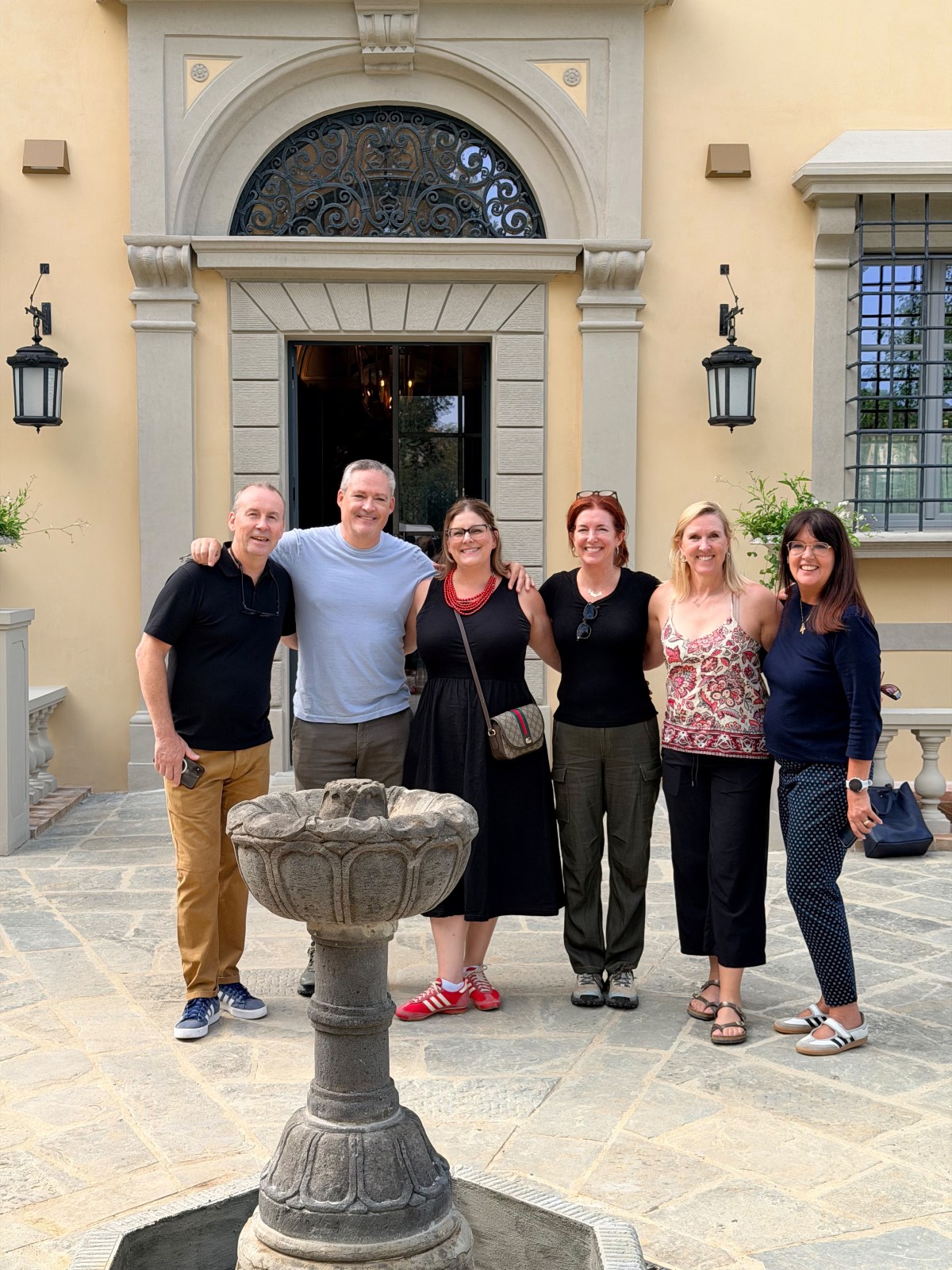
Beyond the primary villa structure, the estate features Villa La Sosta, a private, standalone residential building optimized for multi-generational families or private travel cohorts. Sleeping between 10 and 12 adults across five en-suite bedrooms, this separate dwelling includes a full gourmet kitchen and dedicated indoor and outdoor living quarters, designed to accommodate private house parties within the larger estate framework.
Unprecedented Scale of Outdoor Amenities
Urban properties in Florence are historically constrained by medieval property lines, rendering large outdoor footprints exceptionally rare. Borgo Pignano Florence distinguishes itself within the local hospitality market through its five-hectare (approximately 12-acre) private garden.
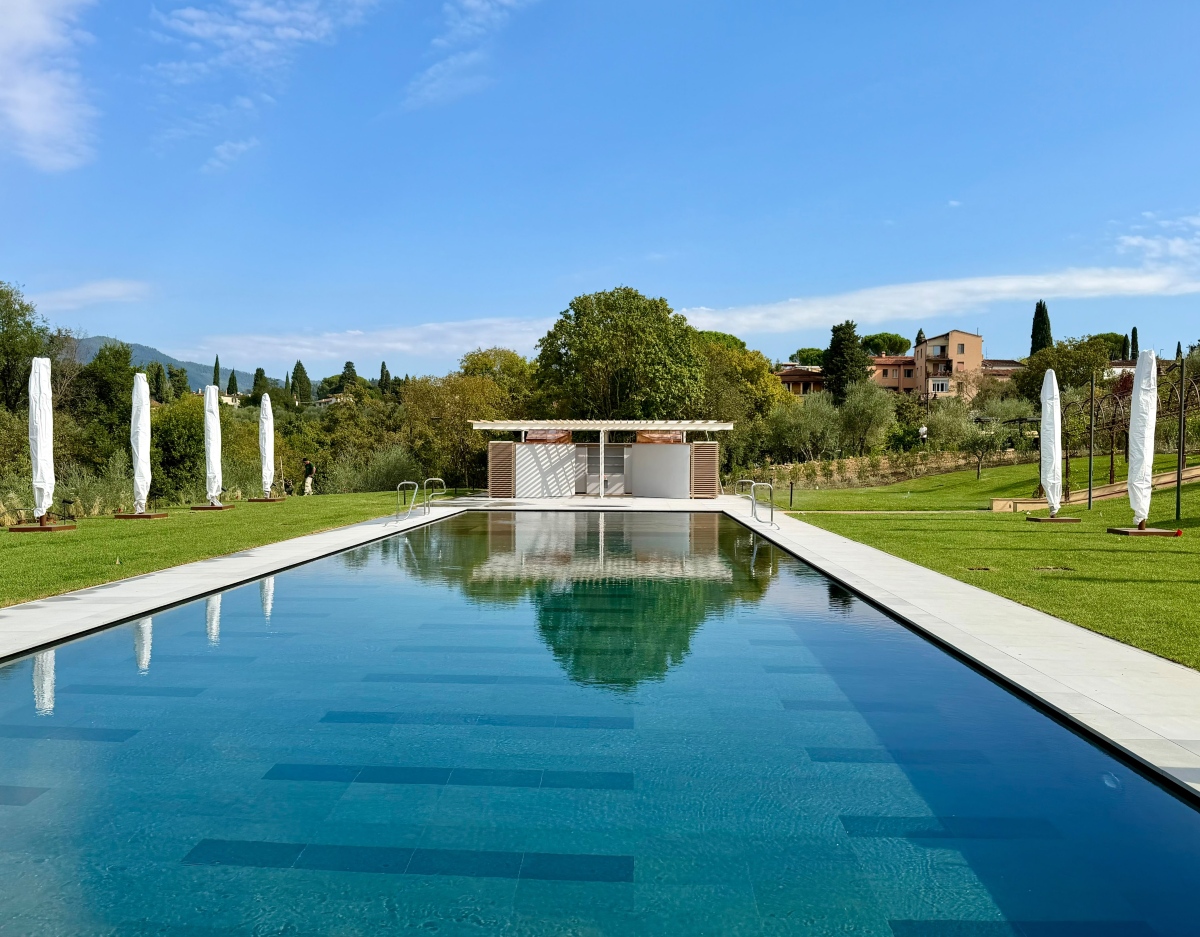
The grounds are organized into distinct sensory landscapes, featuring a dedicated fragrance garden, a historic secret garden, a vegetable production plot, and a garden of delights lined with mature cypress trees, olive groves, and historic cedar trees—most notably a specimen of the Cedar of Lebanon that lends its name to one of the property’s primary dining venues.
Perhaps the most notable physical asset of the property is its swimming facility: a 30-meter rectangular pool, recognized as the largest hotel swimming pool within the city limits of Florence. Engineered to accommodate guests year-round, the pool is thermally heated during cooler months and complemented by a dedicated poolside café. Additional wellness infrastructure includes an intimate spa facility and a fully equipped physical fitness center.
Gastronomic Philosophy and Regional Sourcing
A core operational pillar of Borgo Pignano Florence is its rigorous commitment to agricultural and culinary regionalism, drawing heavily from the operational framework established by its sister property, Borgo Pignano Volterra.
Chef Stefano Cavallini, who earned a Michelin Green Star at the Volterra location for sustainable hospitality and farm-to-table practices, oversees a culinary program focused on hyper-local provenance. A significant proportion of the estate’s food and beverage inputs—including organic eggs, artisanal honey, estate-pressed olive oil, four proprietary wine labels, and cured meats—are sourced directly from the Volterra agricultural estate.
The beverage program mirrors this regional focus, emphasizing curated Tuscan wine selections, botanical craft cocktails, and sophisticated non-alcoholic alternatives designed around seasonal herbs and fruits harvested on-site.
The estate’s wellness offerings extend this agricultural philosophy into personal care. Spa and bath amenities are produced in an on-site herbal laboratory at the Volterra property, utilizing essential oils extracted from estate-grown flowers. Furthermore, the spa holds exclusive regional rights to treatments utilizing Neuraé, a botanical and neuroscience-based product line developed by Sisley.
Market Positioning and Strategic Implications for Tourism in Tuscany
The introduction of Borgo Pignano Florence arrives at a critical juncture for European travel management, as municipalities across Italy grapple with the economic and infrastructural pressures of overtourism. By offering a luxury retreat situated outside the immediate medieval core, the property encourages longer, more sustainable stays.
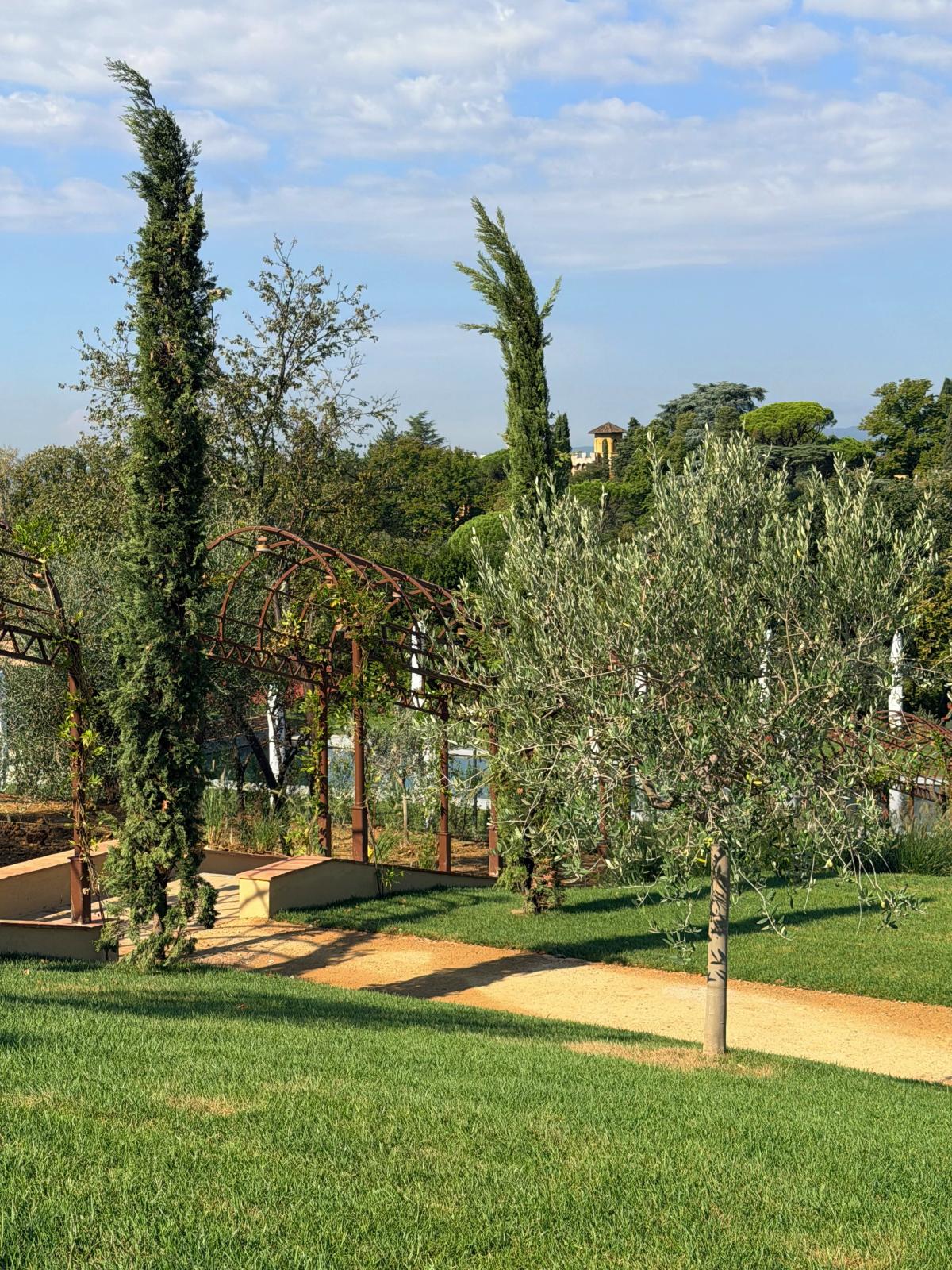
Industry analysts note that traditional Florentine itineraries often compress cultural sightseeing into frantic 48-to-72-hour windows. Properties like Borgo Pignano facilitate a slower, bifurcated travel routine: guests can engage in intensive morning cultural excursions within the historic city center—visiting institutions such as the Uffizi Gallery or the Florence Cathedral—before retreating to the Via Bolognese estate for afternoon recuperation by the pool or within the private gardens.
Operational Timeline and Access
During its current soft-opening phase, Borgo Pignano Florence has established an operational calendar that includes seasonal closures during the winter months, specifically spanning most of January through the end of March. Following this transitional period, the estate, alongside its sister property in Volterra, will operate on a continuous year-round schedule.
Industry experts recommend the property primarily for couples, generational travelers with older children, and groups seeking privacy without sacrificing urban connectivity. While the estate is not positioned for travelers requiring immediate doorstep access to retail districts, its launch underscores a broader industry shift toward holistic, nature-integrated urban hospitality in historic European destinations.