The landscape of luxury travel in Florence, Italy, has undergone a significant transformation with the recent debut of La Réserve Firenze. Situated in the historic Oltrarno neighborhood, this boutique property marks a departure from the traditional grand hotel model, favoring an intimate, residential experience that seeks to immerse guests in the genuine rhythm of Florentine life. Developed by Grégory and Olivia Marciano, the project converts a 15th-century palazzo—formerly a utilitarian collection of student housing—into a bespoke collection of six private, fully serviced apartments. This development represents a broader trend in the high-end hospitality sector: the shift toward "private residence" concepts that prioritize privacy, autonomy, and deep local integration over the communal bustle of conventional luxury resorts.
The Architectural Evolution of an Oltrarno Landmark
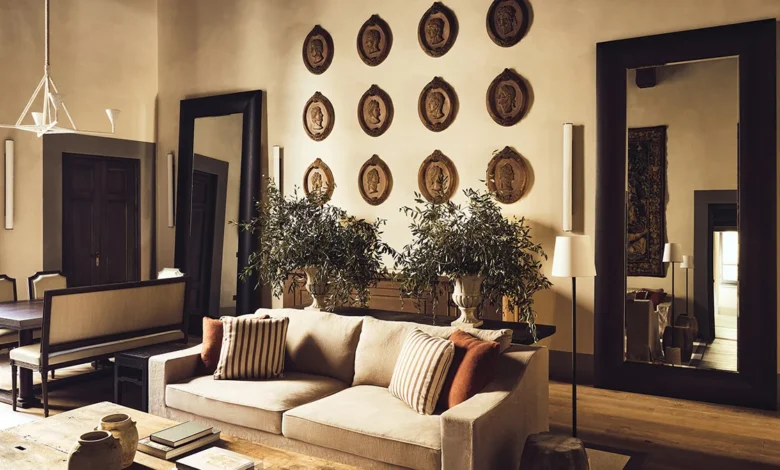
The restoration of the palazzo, a centuries-old structure that holds deep historical significance, was entrusted to the renowned French architectural and design firm Gilles & Boissier. The mandate was clear: balance the weight of 15th-century architectural heritage with the functional demands of 21st-century luxury. The resulting aesthetic is a marriage of Renaissance grandeur—evidenced by exposed frescoed ceilings and original stone archways—and a refined, understated Modernist sensibility.
For the Marcianos, who relocated from Paris to Florence in 2019, the project was born out of a personal desire to replicate the comfort of a private home while maintaining the operational standards of a five-star property. By limiting the footprint to just six units, the developers have ensured a level of exclusivity that caters to high-profile guests seeking to avoid the scrutiny and social demands of traditional hotel lobbies. Each unit is designed to function as a self-contained sanctuary, a strategic move that aligns with the current demands of the luxury market for secluded, high-touch environments.
The Growing Demand for Residential-Style Hospitality
The rise of La Réserve Firenze is not an isolated phenomenon but rather a response to shifting consumer behaviors in the post-pandemic travel era. According to recent industry reports, high-net-worth travelers are increasingly gravitating toward "home-away-from-home" configurations. This segment of the market seeks the amenities of a five-star hotel—including 24-hour concierge, gourmet catering, and private security—but demands the independence and privacy of an apartment.

Andrea Grisdale, CEO and founder of IC Bellagio, a specialist in bespoke Italian travel, notes that the modern traveler is increasingly sophisticated. "We are seeing a clear migration toward properties that offer the ‘I want my own space’ experience, paired with the service capabilities that ensure comfort at any hour," says Grisdale. This model effectively bridges the gap between the short-term rental market and the traditional hotel sector, providing a hybrid solution that is becoming the gold standard for long-stay visitors in cities like Florence.
Navigating the Off-Season Advantage
While Florence remains one of the most visited cities in the world, the seasonality of its tourism presents a logistical challenge for those seeking authenticity. The peak summer months often result in a "tourist bubble" that creates distance between visitors and the local population. By positioning the property as a year-round destination, the Marcianos hope to encourage guests to experience the city during the quieter winter and shoulder months.
This period of the year provides a unique window into the true Florentine experience. In the high season, many of the city’s most esteemed culinary and artisanal institutions are overwhelmed by transient foot traffic. During the off-season, however, the pace of the city slows, allowing for the kind of interpersonal exchange that is often lost in the summer rush. As Grisdale notes, the opportunity to sit with a proprietor at the end of a meal for a glass of limoncello is a privilege afforded primarily to those who visit when the city is breathing at its own natural pace.
A Curated Guide to Authentic Florence
To assist guests in navigating the local landscape, the management of La Réserve Firenze has curated a selection of recommendations that reflect the city’s artisanal soul. These selections are designed to steer visitors away from tourist-centric traps and toward establishments that maintain deep historical and cultural ties to the city.
Culinary Landmarks: Cibrèo
Moving away from the ubiquitous pasta dishes that dominate many tourist-focused menus, Cibrèo emphasizes the tradition of Tuscan peasant cuisine elevated to a fine-dining standard. By focusing on ingredients and historical preparation methods—such as the mastery of stuffed pigeon—the restaurant serves as a cultural repository for regional flavors that have evolved over centuries.

The Art of the Roast: Dinicaffè
In a city where coffee culture is an essential daily ritual, Dinicaffè stands out as the only coffee roaster operating within the historic city center. Its presence serves as a reminder that Florence is not merely a museum city, but a functioning hub of industry and craftsmanship. Guests are encouraged to engage with the roasting process, fostering a deeper appreciation for the supply chain of one of Italy’s most famous exports.
The Negroni Heritage: Giacosa 1815
The history of the Negroni is inextricably linked to Florence, specifically the original Caffé Casoni, which has evolved into the current iteration of Giacosa 1815. This location offers more than just a drink; it offers a historical perspective on the city’s social evolution. It has served as an aperitivo institution for generations, remaining a cornerstone of Florentine nightlife that manages to feel both timeless and contemporary.
Artisanal Craft: Il Bisonte
The leather industry in Florence is world-renowned, yet the market is often saturated with mass-produced goods labeled as "handmade." Il Bisonte distinguishes itself by enforcing a strict radius for its supply chain, with all leather goods crafted by artisans within 19 miles of the boutique. This commitment to hyper-local production ensures that the craftsmanship remains authentic and that the economic benefits of the trade remain within the local community.
Broader Implications for Florentine Tourism
The opening of La Réserve Firenze serves as a case study for the future of urban tourism in historically dense European cities. As Florence continues to balance the influx of millions of annual visitors with the need to maintain the quality of life for its residents, the "private palazzo" model offers a potential path forward. By converting underutilized historic buildings into low-density, high-service accommodations, the city can attract high-value, long-stay travelers who contribute to the local economy without contributing to the physical strain on the city’s main thoroughfares.
Furthermore, the expansion of the Marcianos’ portfolio to include their private villa—formerly associated with the Gucci family—demonstrates a commitment to preserving the architectural narrative of the city. Providing access to private tennis courts and historic estates is a means of extending the boundaries of the "luxury zone" beyond the city walls, effectively distributing the footprint of high-end tourism.

Strategic Outlook
As the luxury sector continues to evolve, the success of projects like La Réserve Firenze will likely be measured by their ability to maintain the delicate equilibrium between exclusivity and community integration. The trend toward private, serviced living is not merely a transient preference but a structural change in how the global elite choose to consume heritage. For the city of Florence, this shift presents both an opportunity and a challenge: to ensure that the preservation of its historic identity is not compromised by the very demand that seeks to experience it.
With starting rates for these accommodations positioned at approximately $1,500 per night, the property is clearly targeting a demographic that values privacy and personalization above all else. Whether this model can be scaled remains to be seen, but as it stands, La Réserve Firenze represents a sophisticated intervention in the luxury market, providing a blueprint for how a 15th-century structure can remain relevant, profitable, and culturally significant in a modern, hyper-connected world. By honoring the past while anticipating the needs of the future, the developers have created a space that is as much about the preservation of a lifestyle as it is about the restoration of stone and mortar.