Beyond the Screen: Meta’s Smart Glasses Patent Sparks New Debate Over Privacy on the Hiking Trail

The intersection of wearable technology and public privacy has reached a critical juncture following the publication of a new patent by Meta Platforms, outlining artificial intelligence-driven video editing capabilities designed specifically for outdoor recreation. While tech giants continue to champion smart glasses as the next evolution in personal computing and media capture, the steady march of these devices into everyday environments—including remote backcountry trails—has reignited intense scrutiny from privacy advocates, legal scholars, and outdoor enthusiasts.
The debate arrives at a time of surging commercial adoption. Despite widespread public skepticism regarding the social implications of camera-equipped eyewear, Meta reported strong commercial momentum, selling approximately 7 million pairs of its smart glasses in 2025 alone. This figure represents a dramatic acceleration compared to previous years, firmly cementing the devices as a common sight in urban centers, public transit systems, and recreational corridors. However, as the hardware becomes more ubiquitous, the friction between user convenience and bystander privacy continues to intensify.
The Mechanics of Meta’s Outdoor Patent
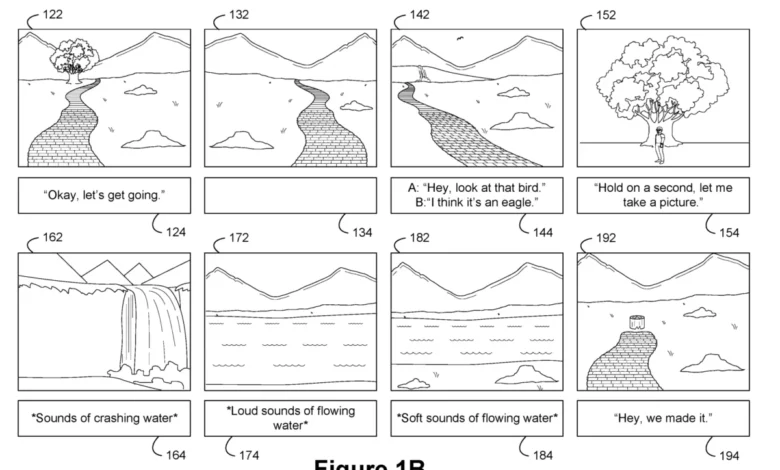
Published by the United States Patent and Trademark Office, Meta’s October patent details a software framework that leverages contextual sensor data—including audio input, spoken commands, and biometric metrics from connected wearables—to automate the post-production of video footage.
According to the documentation, the system is designed to identify "highlight" moments during activities such as hiking. For example, if a user’s smart glasses detect the ambient sound of a waterfall, record a verbal cue like "look at that bird," or register an elevated heart rate via a paired smartwatch, the underlying AI algorithm automatically tags and compiles those segments into a cohesive highlight reel. While the automated editing features described in the patent remain in development, basic video recording and streaming functionalities are already operational on current-generation devices, leading to an influx of first-person trail footage across digital platforms.
For consumers eager to document their outdoor expeditions without managing traditional cameras or editing software, the proposed updates offer streamlined content creation. Yet, critics argue that the underlying infrastructure—which continuously records environmental audio and visual data while monitoring user biometrics—represents an unprecedented intrusion into public and semi-public spaces.
A Timeline of Regulatory and Ethical Pushback
The expansion of camera-equipped eyewear has been accompanied by a consistent series of regulatory hurdles and ethical controversies since smart glasses re-entered the consumer market:
- 2021: Meta initially explores facial recognition integration for its smart eyewear but shelves the project amid internal ethical concerns and mounting external pressure regarding biometric surveillance.
- 2023–2024: Early iterations of AI-powered smart glasses enter the market. While sales are modest initially, initial public unease surfaces over the discreet nature of the built-in cameras.
- Summer 2025: Investigative reporting by Wired uncovers underlying code within Meta’s companion software pointing toward a dormant facial recognition feature tentatively called "Name Tag," designed to interface with the company’s Muse AI assistant.
- Late 2025: Annual sales figures indicate Meta has sold 7 million pairs of smart glasses, tripling combined sales from prior years and prompting widespread adoption across diverse demographics.
- February 2026: Media reports detail the potential capabilities of the Name Tag feature, sparking international scrutiny from privacy watchdogs and legislative bodies. Meta subsequently removes the specific facial recognition code from its application updates.
- October 2026: Meta publishes a patent application outlining AI-driven contextual video editing for outdoor activities such as hiking, shifting the technological focus toward backcountry environments.
Surveillance Concerns and Biometric Capabilities
The controversy surrounding Meta’s smart glasses extends far beyond automated highlight reels. The discovery of facial recognition architecture within the device’s software ecosystem has fueled anxieties regarding real-time identification in public spaces. Although the code was removed following public disclosure, security researchers have repeatedly demonstrated that third-party applications can successfully route live video streams from the glasses into external facial recognition databases.
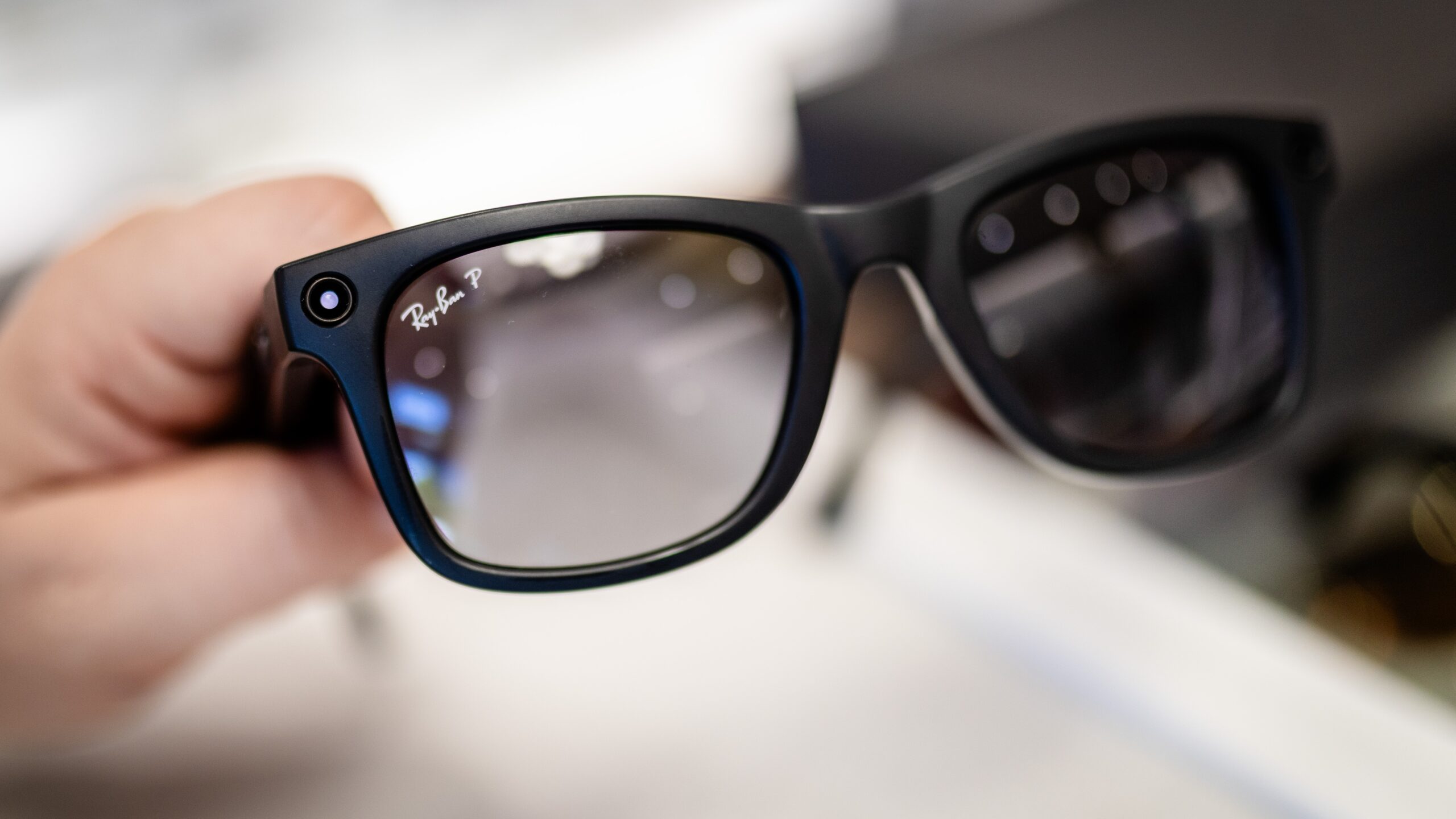
These capabilities create significant vulnerabilities for individuals who cross paths with smart glass users. Unlike traditional smartphones, which require conscious framing and elevation to record, smart glasses capture footage from the exact perspective of the wearer’s gaze. While an LED indicator light is built into compliant hardware to signal recording status, international regulatory agencies—including privacy authorities in Europe—have noted that the indicator is frequently imperceptible in direct sunlight. Furthermore, models manufactured by competing, lesser-known brands often lack visible recording indicators entirely.
Data security risks further complicate the landscape. An investigative report by Scandinavian newspapers revealed that third-party contractors hired to train Meta’s artificial intelligence models occasionally reviewed sensitive video clips captured by users, including inadvertent recordings of private spaces and personal moments. Additionally, like standard cloud-stored digital media, footage captured by smart glasses remains subject to legal subpoena. According to Meta’s transparency reports, the corporation complied with approximately 88.8 percent of formal government data requests during a representative six-month reporting period.
Socioeconomic Disparities and Public Perception
Sociological research indicates that the burdens and benefits of smart glasses are not evenly distributed across the population. Market data from organizations such as YouGov reveals that approximately two-thirds of consumers expressing intent to purchase smart glasses are men. Conversely, studies conducted by security advocacy groups show that women report significantly higher levels of concern regarding unauthorized recording and potential biometric tracking.
While a minor segment of consumers—estimated at roughly 8 percent according to industry surveys—utilize smart glasses primarily as accessibility tools for low-vision navigation, the vast majority of consumer applications center on entertainment and social media documentation. This dynamic places everyday bystanders in the position of involuntary participants in corporate data collection and content creation.
Implications for the Backcountry Experience
For decades, remote natural environments have functioned as cultural refuges from continuous digital monitoring. As urban centers become increasingly saturated with automated license plate readers, commercial security networks, and personal dash cams, national parks and wilderness trails have remained among the few geographic spaces largely free from persistent surveillance infrastructure.
The introduction of face-mounted recording devices into these environments shifts the social contract of outdoor recreation. Critics emphasize that while the individual wearing the glasses reaps the personal benefit of effortless media capture, the surrounding hikers bear the uncompensated cost of compromised privacy. Because the backcountry relies heavily on an unwritten code of mutual respect and personal autonomy, the presence of ambient recording technology threatens to alter the psychological safety that draws people to remote landscapes.
As Meta and competing technology firms lobby against restrictive legislative frameworks and continue to refine contextual AI software, the societal debate over wearable cameras shows no signs of abating. The fundamental question facing lawmakers, technologists, and the public is whether the convenience of hands-free digital documentation outweighs the erosion of unrecorded public life—both on city streets and along the quietest mountain trails.
Related posts: