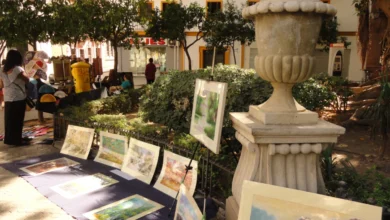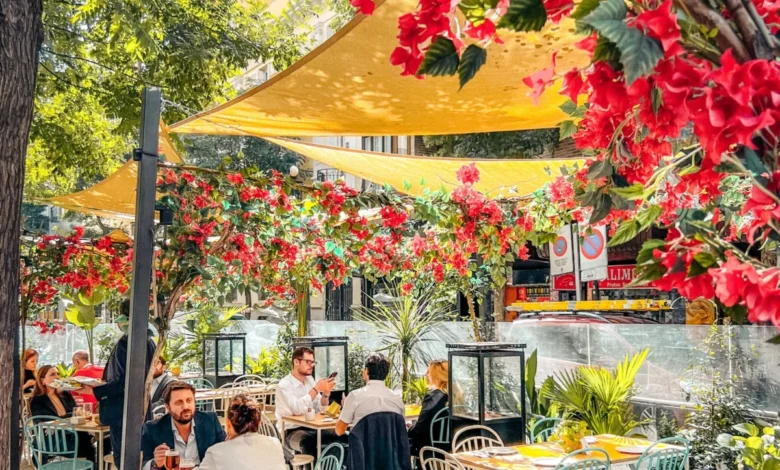
Madrid serves as the primary administrative, cultural, and geographic hub of Spain, functioning as a nexus for international commerce, tourism, and historical preservation. As the third-largest city in the European Union by metropolitan population, the capital has evolved from a historical seat of monarchy into a modern urban center that dictates the rhythm of Spanish economic and social life. Recent data from the Spanish National Statistics Institute (INE) underscores Madrid’s ongoing urban transformation, noting a consistent increase in international tourism interest and a robust recovery in its service-oriented economy.
Historical Evolution and Urban Development
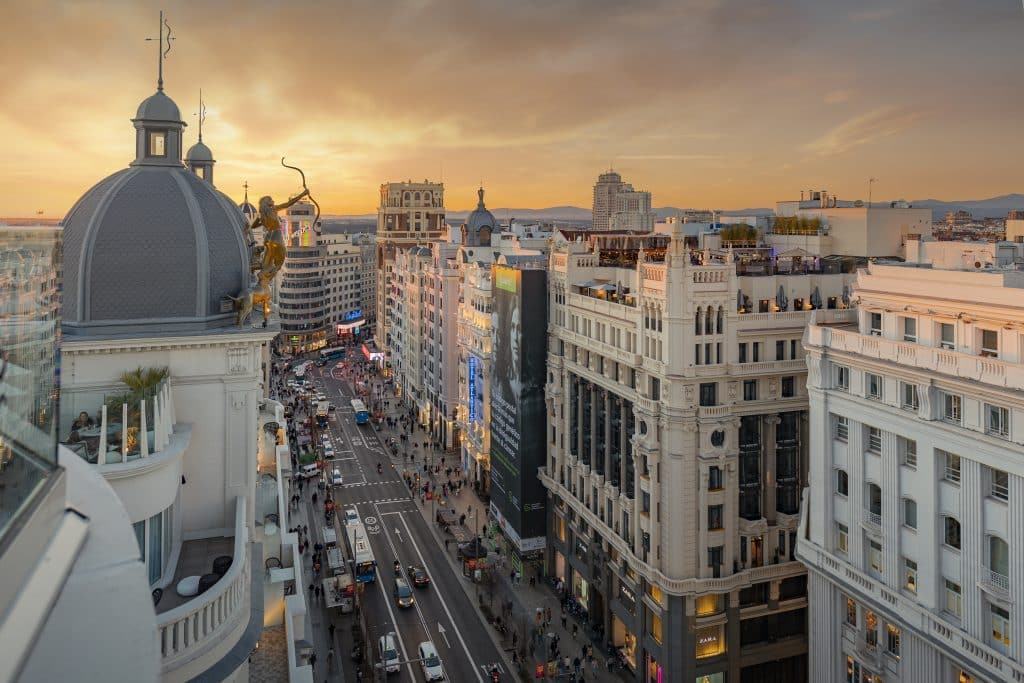
The city’s architecture reflects its centuries-long evolution. While its roots trace back to the ninth-century fortress of Mayrit, the modern layout is defined by the Bourbon reforms of the 18th century and the massive urban expansion initiated in the late 19th and early 20th centuries. The construction of the Gran Vía, often referred to as the "Spanish Broadway," serves as a testament to the city’s early 20th-century modernization. Today, this corridor remains a critical artery for the city’s commercial sector, balancing historical preservation with the demands of a high-density, 21st-century metropolis.
Chronology of Cultural Integration
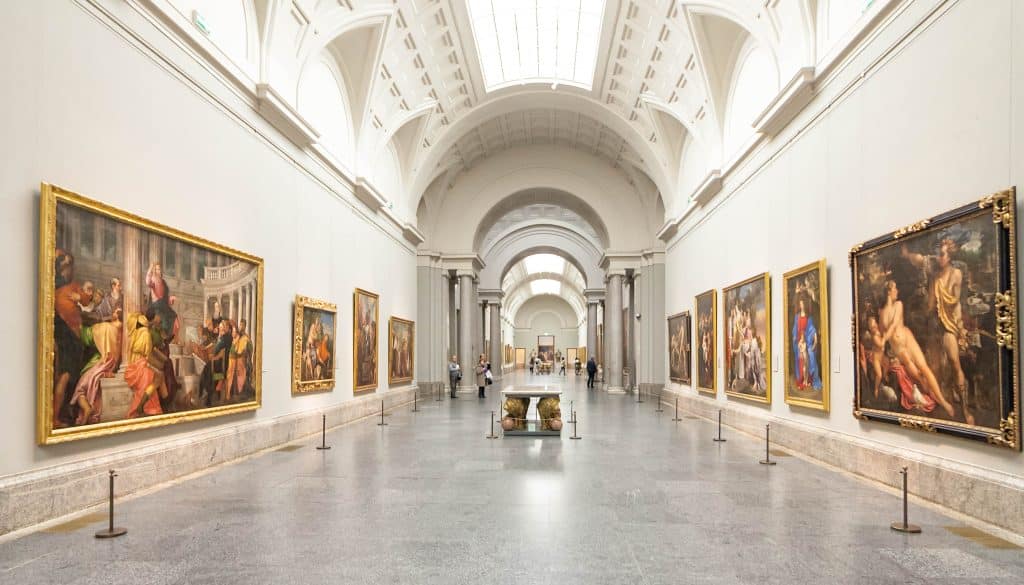
The cultural trajectory of Madrid is characterized by the consolidation of its "Golden Triangle of Art," a unique concentration of institutions that define the city’s identity on the global stage.
- 1819: The Museo del Prado opens its doors, establishing Madrid as a destination for classical European art.
- 1992: The inauguration of the Museo Reina Sofía provides a permanent home for 20th-century masterpieces, including Pablo Picasso’s Guernica, which was transferred to the site in the same year.
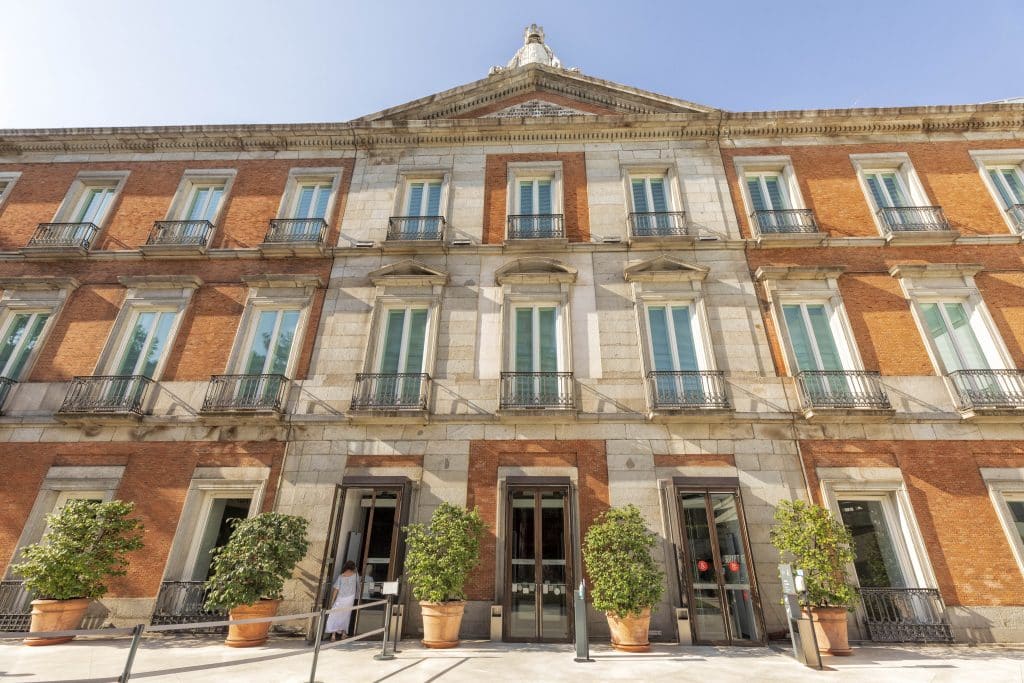
- 1993: The Thyssen-Bornemisza Museum is inaugurated, completing the Golden Triangle by providing a bridge between classical and modern movements.
These institutions function not merely as archives, but as active participants in the European cultural economy, drawing millions of visitors annually and anchoring the city’s tourism strategy.
Economic and Infrastructure Metrics
The efficiency of Madrid’s infrastructure is a primary driver of its sustained economic growth. The Madrid-Barajas Adolfo Suárez Airport remains one of Europe’s busiest transport hubs, handling over 60 million passengers annually in recent periods. The integration of the airport with the city center via a sophisticated Metro and Cercanías rail network serves as a case study for urban planners regarding high-capacity public transit.
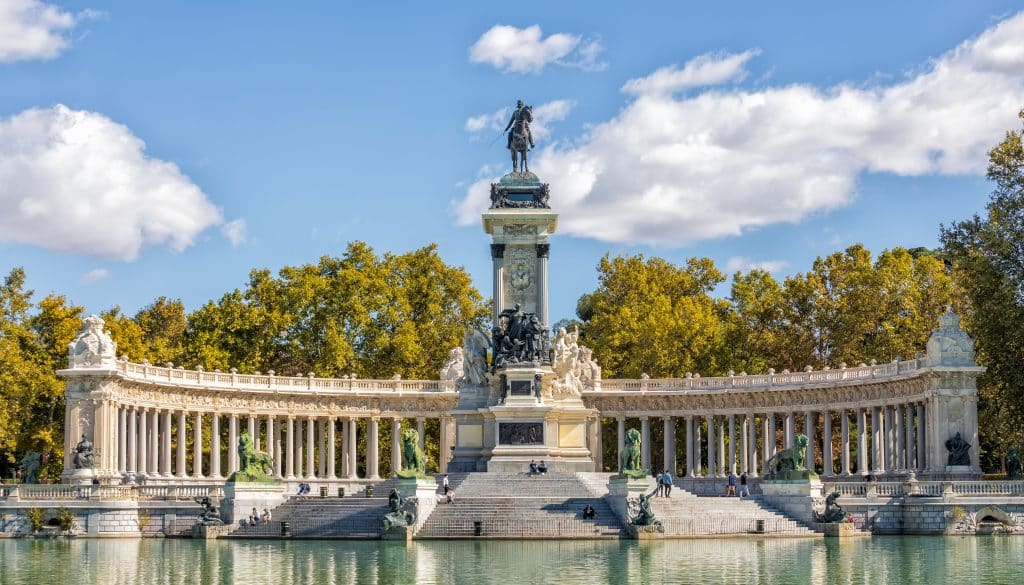
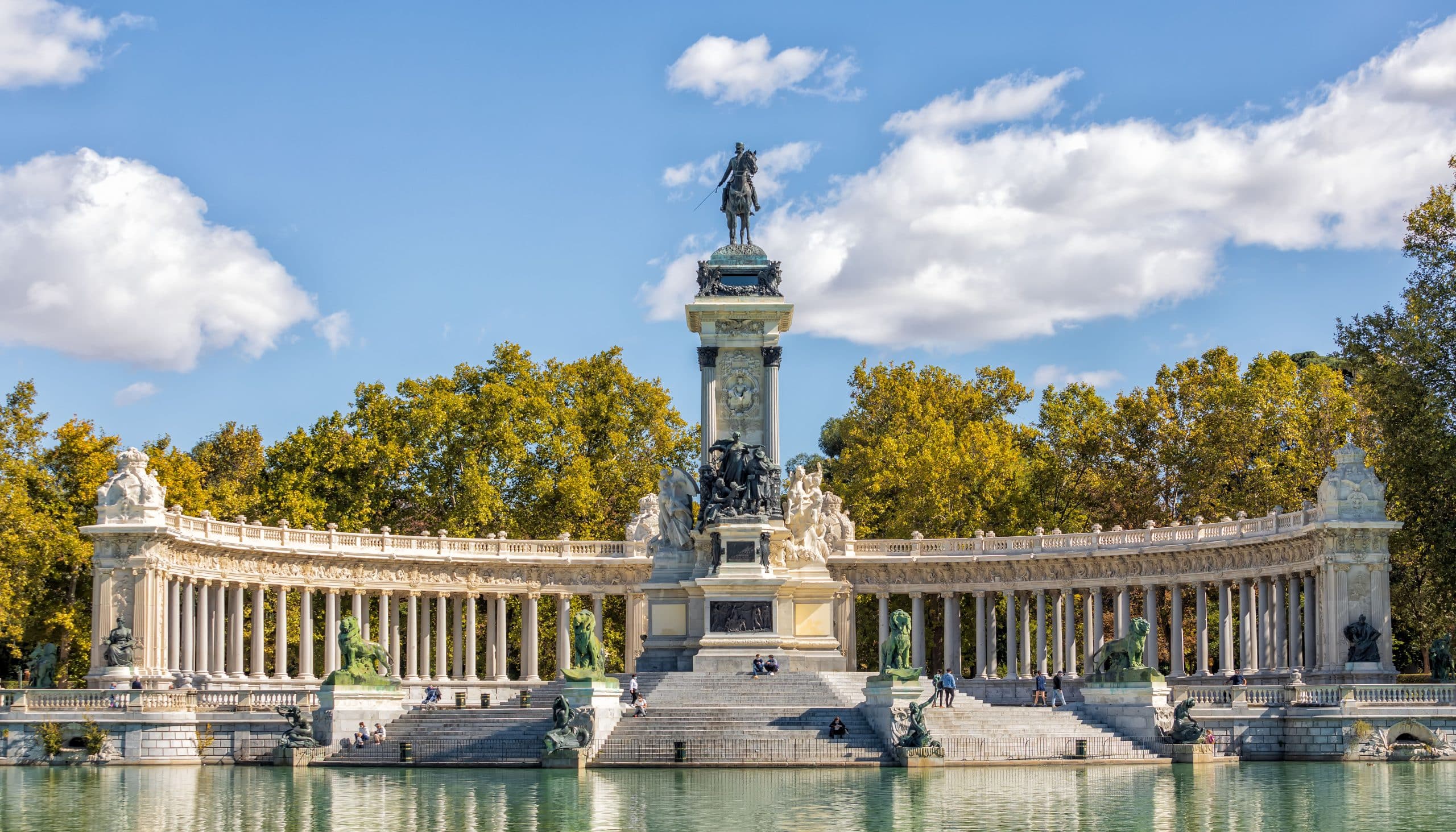
Furthermore, the city’s commitment to urban sustainability is evidenced by the expansion of its green spaces. The Retiro Park, a UNESCO World Heritage site, serves as an essential "lung" for the city center. Spanning 125 hectares, the park houses over 15,000 trees and maintains a complex maintenance schedule to preserve its 17th-century heritage while accommodating modern recreational requirements.
Social Rituals and Economic Rhythms
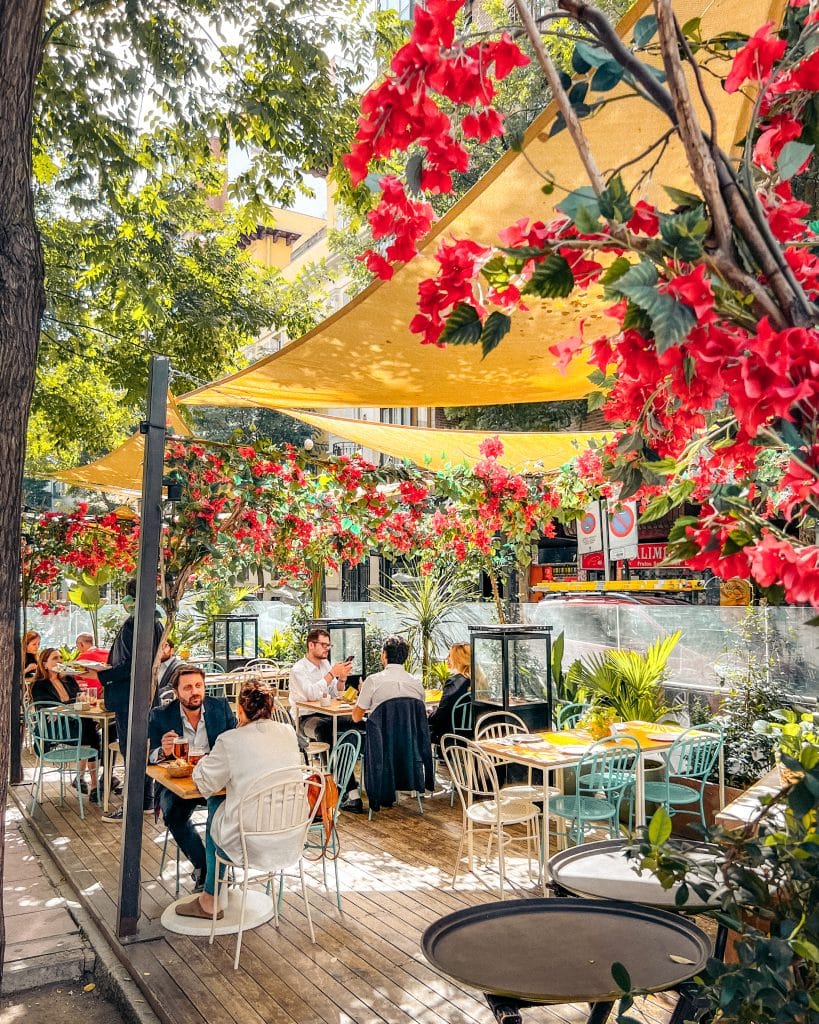
The concept of "tardeo"—the late-afternoon social engagement—is not merely a cultural nuance but an economic driver. It facilitates a secondary peak in service-industry activity between 5:00 PM and 9:00 PM. This rhythmic extension of the workday allows Madrid’s hospitality sector to operate with high turnover rates compared to northern European cities.
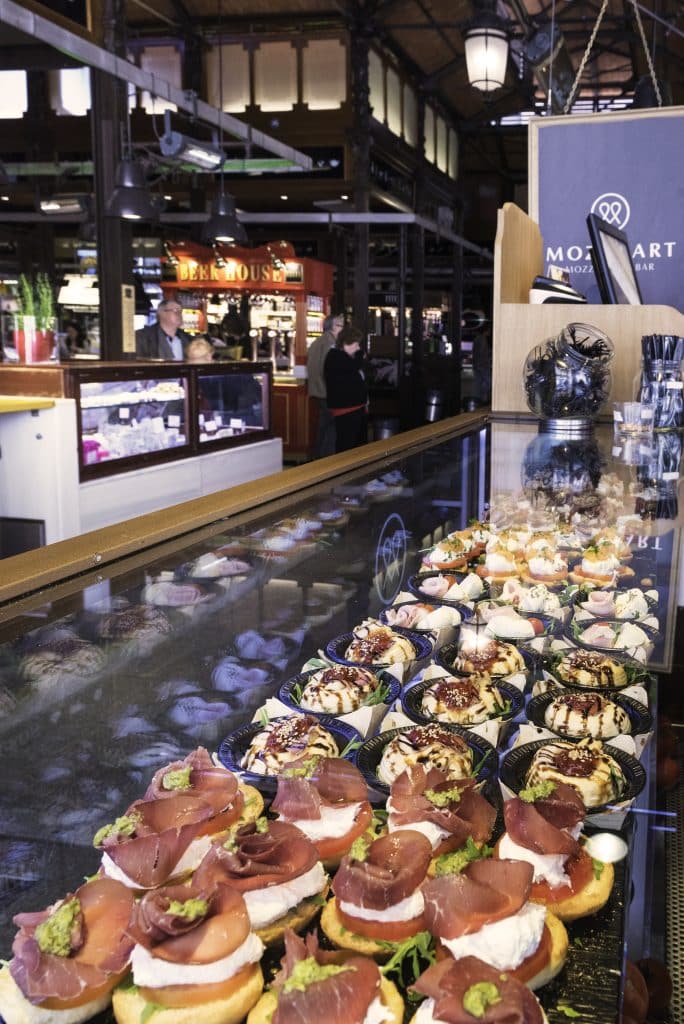
Data from the Madrid Chamber of Commerce suggests that the city’s culinary sector, which includes several hundred restaurants recognized by the Michelin Guide, contributes significantly to regional GDP. The local government has actively promoted the diversification of neighborhoods like Carabanchel and Chamberí to alleviate tourist pressure on the historic center while simultaneously boosting local business activity in emerging residential districts.
Strategic Implications and Future Outlook
The strategic importance of Madrid within the broader European framework cannot be overstated. As a financial center, it competes with Paris and Frankfurt for capital investment, particularly in the telecommunications, banking, and renewable energy sectors. The city’s ability to maintain its traditional,, slow-paced lifestyle while simultaneously accelerating its digital transformation is a central challenge for local policymakers.
From a sociological perspective, the "Madrileño" lifestyle—characterized by a late-night social schedule and a focus on public space utilization—has proven resilient to the homogenizing effects of global tourism. Unlike cities that have faced significant "touristification" resulting in the displacement of local residents, Madrid has largely succeeded in maintaining a balance through strict zoning laws and the promotion of neighborhood-specific identity.
Official Responses and Tourism Governance
The organization "Madrid Destino," the city’s official tourism and cultural management body, emphasizes a strategy of "dispersed tourism." Their official reports highlight the necessity of directing foot traffic toward the peripheral districts such as Arganzuela and Usera to maintain the quality of life for residents. Statements from regional officials indicate that the focus for the 2025–2030 period will be the modernization of the "Golden Triangle" infrastructure and the expansion of the high-speed rail connectivity to peripheral towns, effectively integrating satellite cities like Toledo and Segovia into the greater Madrid economic orbit.
Analysis of Tourism Trends
Comparative analysis between Madrid and other major European cities reveals a distinct shift in travel patterns. Post-pandemic data indicates that travelers are increasingly seeking "authentic" urban experiences over "curated" sights. Madrid’s lack of a single "iconic" monument on the scale of the Eiffel Tower or the Colosseum is arguably its greatest asset; it forces visitors to engage with the city’s neighborhoods, markets, and public squares.
The impact of this trend is a more sustainable, decentralized tourism model. By promoting the culinary heritage of the La Latina district or the artisanal workshops of Malasaña, the city effectively spreads its tourism revenue across a broader demographic of small business owners.
Conclusion
Madrid stands as a resilient, evolving, and highly functional capital. Its capacity to integrate historical preservation with modern urban utility ensures its status as a premier destination for those seeking a profound understanding of Spanish society. As the city continues to navigate the complexities of 21st-century urban growth, its focus remains on the synthesis of its unique social rhythms, its deep-rooted artistic heritage, and its commitment to a high-density, high-efficiency future. The stability of its infrastructure and the enduring nature of its cultural identity position it as a benchmark for European urban development in the coming decade.