The culinary landscape of Curaçao serves as a historical record of the island’s complex geopolitical past, reflecting centuries of colonial influence, maritime trade, and cultural migration. Located in the Southern Caribbean, just 40 miles off the coast of Venezuela, this constituent country of the Kingdom of the Netherlands has evolved into a sophisticated gastronomic destination. The island’s cuisine is defined by its "melting pot" identity, seamlessly blending traditional Dutch staples, West African cooking techniques, and Latin American flavors. For the discerning traveler, the island offers more than just tropical scenery; it provides a comprehensive study of how historical trade routes shaped modern Caribbean dining.
Historical Context and Culinary Evolution
To understand the contemporary food scene in Curaçao, one must examine its colonial history. Since the mid-17th century, when the Dutch West India Company established a permanent presence on the island, Curaçao served as a strategic hub for the trans-Atlantic slave trade and regional commerce. This influx of diverse populations—enslaved West Africans, Sephardic Jewish merchants fleeing persecution in Europe and Brazil, and Dutch colonial administrators—created a unique dietary fusion.
The evolution of local ingredients followed a distinct chronology. In the early colonial era, European settlers relied heavily on imported, shelf-stable goods such as salted meats, cheeses, and grains. Over time, these were adapted to include locally sourced tropical produce like plantains, okra, yams, and various seafood species harvested from the surrounding Caribbean waters. This synthesis gave birth to iconic dishes like keshi yena, which serves as a prime example of culinary resourcefulness; historically, enslaved people would use the leftover rind of Edam or Gouda cheese wheels—sent from the Netherlands—and stuff them with seasoned meat, raisins, and olives to create a hearty, protein-dense meal.
Modern Culinary Infrastructure and Market Dynamics
Today, the culinary sector in Curaçao represents a significant pillar of the island’s tourism economy. According to recent reports from the Curaçao Tourist Board, gastronomic experiences are consistently cited as a top-three factor for visitors choosing the island for their vacation. This demand has spurred a professionalization of the restaurant industry, shifting from traditional informal eateries to a hybrid model that emphasizes farm-to-table sustainability and international fine-dining standards.
The rise of the farm-to-table movement, exemplified by establishments like Hofi Cas Cora, reflects a broader regional push for food security. By prioritizing locally grown produce and organic livestock management, these businesses reduce the island’s historic dependence on food imports—which currently account for approximately 80 to 90 percent of the island’s total food supply. This shift is not merely aesthetic; it is an economic strategy to mitigate the rising costs of global shipping and supply chain disruptions.
Spotlight on Essential Establishments
The geographic distribution of high-quality dining reflects the island’s urban development, particularly within the historic city center of Willemstad and the surrounding districts of Pietermaai and Otrobanda.
The Pietermaai Waterfront District
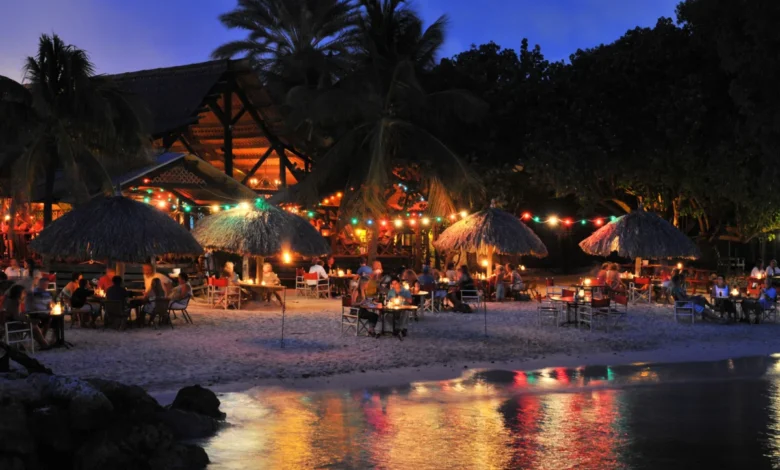
BijBlauw, situated in the historic Pietermaai district, illustrates the successful adaptive reuse of colonial-era architecture. The district, once a decaying residential area, has undergone a significant revitalization process over the past two decades. BijBlauw’s operation, which focuses on oceanfront dining, is indicative of the "experience-based" tourism model that the Curaçao government has actively incentivized through tax credits for heritage building restorations.
The Farm-to-Table Movement: Hofi Cas Cora
Hofi Cas Cora represents the intersection of agricultural production and hospitality. Operating on a restricted schedule—Saturdays and Sundays from 9:00 a.m. to 3:00 p.m.—the establishment highlights the challenges of local production in an arid climate. By utilizing innovative irrigation and permaculture techniques, the farm produces high-quality greens, herbs, and proteins that would otherwise need to be imported via refrigerated air or sea freight. Their secondary operation, The Marketplace, serves as a crucial point of access for local residents to purchase non-perishable goods, helping to stabilize food costs for the community.
Cultural Synthesis in Otrobanda
Maira’s Kitchen, located in the Otrobanda district, provides a study in Mediterranean-Caribbean fusion. The restaurant’s menu, which emphasizes fresh Mediterranean ingredients, serves as a testament to the influence of the Sephardic Jewish community, who have maintained a presence in Curaçao since 1659. The incorporation of Middle Eastern flavor profiles—such as harissa and tabbouleh—highlights the global reach of the island’s historical merchant class.
The Significance of Signature Dishes
Keshi yena remains the quintessential Curaçaoan dish. Beyond its taste, it functions as a cultural signifier. Chefs at institutions like Restaurant & Café Gouverneur De Rouville, located in the UNESCO World Heritage site of Willemstad, maintain strict adherence to traditional preparation methods to preserve the dish’s historical integrity. For culinary historians, the dish is a primary source of data regarding the economic status of the island’s 18th-century inhabitants, as the use of imported Dutch cheese signified wealth and trade access, while the stuffing ingredients reflected the produce available in the local market.
Economic and Sustainability Implications
The broader impact of the island’s evolving culinary scene is multifaceted. From an economic standpoint, the diversification of the food sector has created a specialized labor market, requiring a higher tier of hospitality training. Educational institutions on the island have responded by expanding their culinary arts curricula to include international food safety standards and sustainable management practices.
Furthermore, the environmental implications of the local food movement are becoming increasingly critical. Curaçao faces significant challenges regarding water scarcity, which is the primary constraint on local agriculture. The success of restaurants like Hofi Cas Cora suggests that the integration of water-efficient technology into the culinary sector is a viable path forward. If scaled, these practices could decrease the island’s carbon footprint by reducing the reliance on long-haul food imports.
Future Outlook and Analytical Perspective
Looking ahead, the culinary trajectory of Curaçao appears focused on "authenticity-based growth." Stakeholders within the tourism industry are increasingly moving away from mass-market, generic dining experiences in favor of promoting niche, culturally specific gastronomic tours. This shift aligns with global tourism trends, where the modern traveler prioritizes cultural immersion and ethical consumption.
However, the industry faces ongoing risks, including the volatility of energy prices, which affects the costs of importing specialty ingredients, and the necessity of balancing heritage conservation with modern infrastructure requirements. For the island to remain competitive, it must continue to support the delicate balance between preserving its culinary history and innovating to meet the environmental and economic realities of the 21st century.
In summary, a tour of Curaçao’s eateries is a study of a society that has successfully woven together diverse threads of history into a cohesive and vibrant contemporary identity. From the historic fortifications of Willemstad to the arid, productive fields of the island’s interior, every meal serves as a reminder of the resilience and adaptability of the Curaçaoan people. Whether one is sampling the refined menu of a waterfront bistro or participating in the communal consumption of traditional dishes like keshi yena, the experience offers a profound insight into the enduring power of food to define and preserve a national culture.
Related posts: