Redefining the Great Outdoors: Why True Accessibility in Adventure Travel Demands More Than Vague Promises

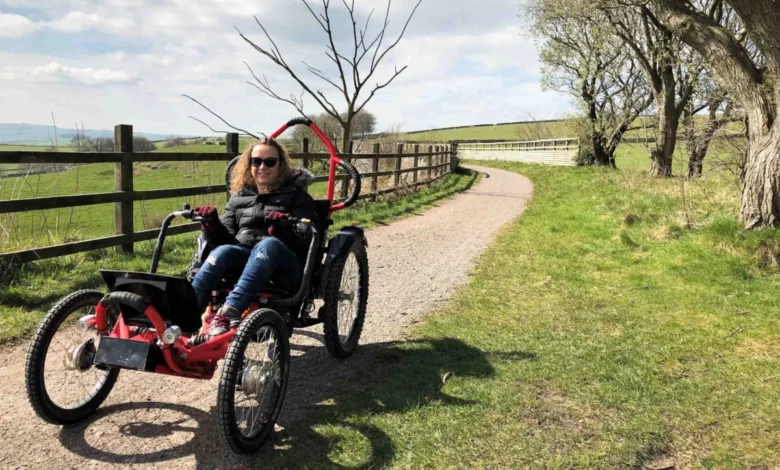
The global push for inclusive tourism has long suffered from a persistent, systemic flaw: the ambiguity of the phrase “fully accessible.” For millions of travelers with disabilities, encountering this designation on a tourism board website or a national park brochure frequently leads to disappointment, physical barriers, or outright exclusion. According to recent tourism and mobility studies, while accessible infrastructure has improved significantly across urban environments, rural and wilderness sectors continue to lag behind. For wheelchair users and individuals with complex mobility needs, the great outdoors has historically presented an insurmountable wall of mud, gravel, steep gradients, and narrow stiles.
However, a cultural and structural shift is quietly underway, spearheaded by advocates, specialized outdoor operators, and progressive national park authorities. Travel writer and accessibility consultant Carrie-Ann Lightley, who lives with cerebral palsy and uses a wheelchair, has brought this conversation to the forefront through her firsthand explorations of rugged landscapes. By challenging traditional notions of what disabled-friendly travel looks like, Lightley and industry pioneers are proving that adventure travel does not require sanitizing or flattening nature; rather, it requires expanding the tools, information, and trust afforded to travelers with disabilities.
The Evolution of Countryside Access
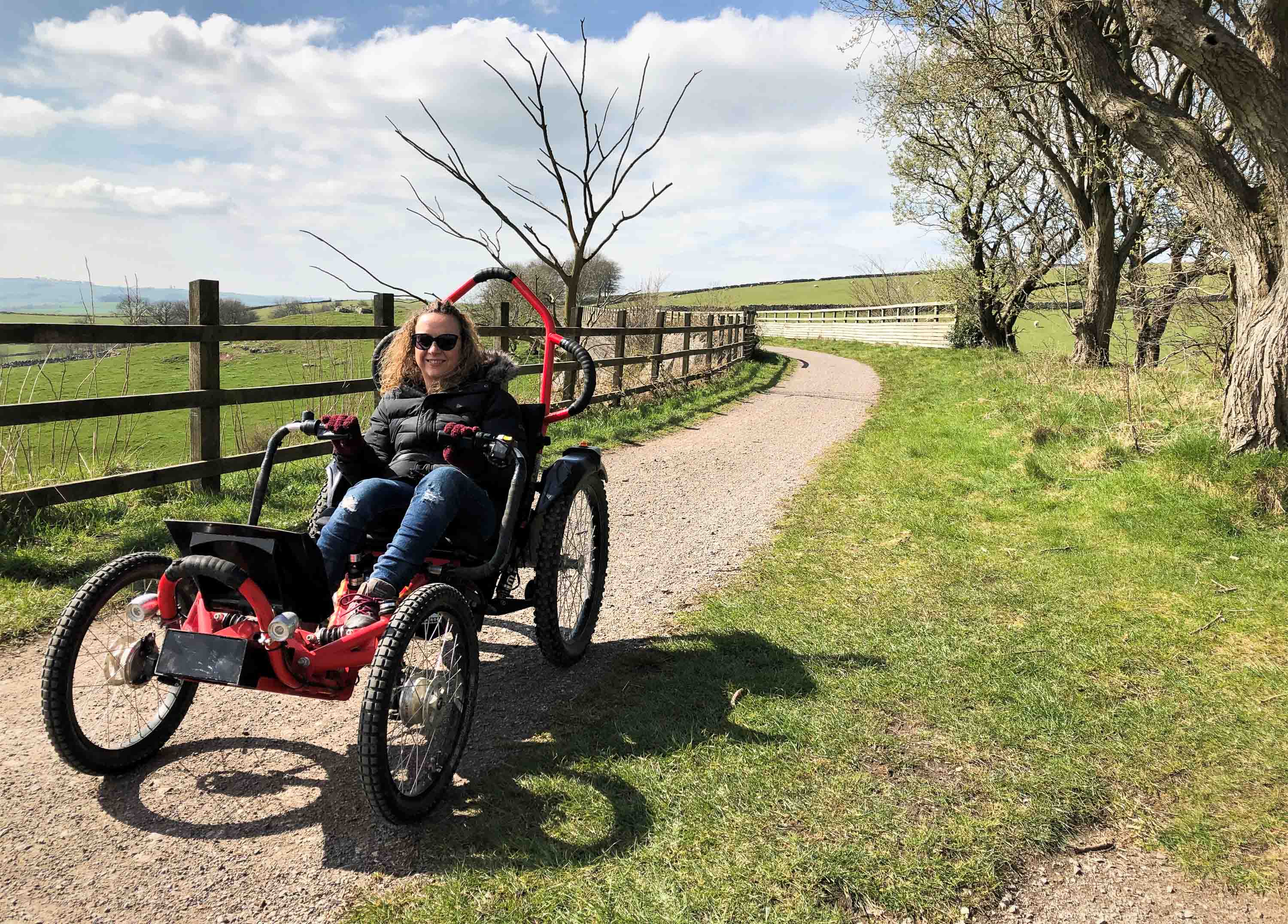
For decades, the standard for rural accessibility was rigidly narrow. A successful day out in the countryside typically meant finding a smooth, paved path, a single viewpoint reachable without navigating tree roots, a designated parking bay, and a wheelchair-accessible restroom nearby. While these baseline amenities remain vital, they cater to a highly conservative definition of access.
Natural terrain inherently resists standardization. Elements that contribute to the aesthetic beauty of rural landscapes—such as uneven topography, loose gravel, unpredictable weather, and dense foliage—simultaneously create severe obstacles for mobility equipment designed primarily for urban pavements. Furthermore, the absence of granular, objective data has long plagued the sector. Vague descriptors such as "steep" or "accessible trail" fail to provide the metrics required for an independent traveler to assess risk. Questions regarding exact gradient percentages, surface compositions, gate widths, and drainage conditions are rarely answered in promotional materials. Consequently, many travelers with disabilities have been forced to restrict their itineraries to sanitized, predictable zones, effectively locking them out of authentic wilderness experiences.

Breaking Barriers: Adaptive Adventures in the Lake District and Peak District
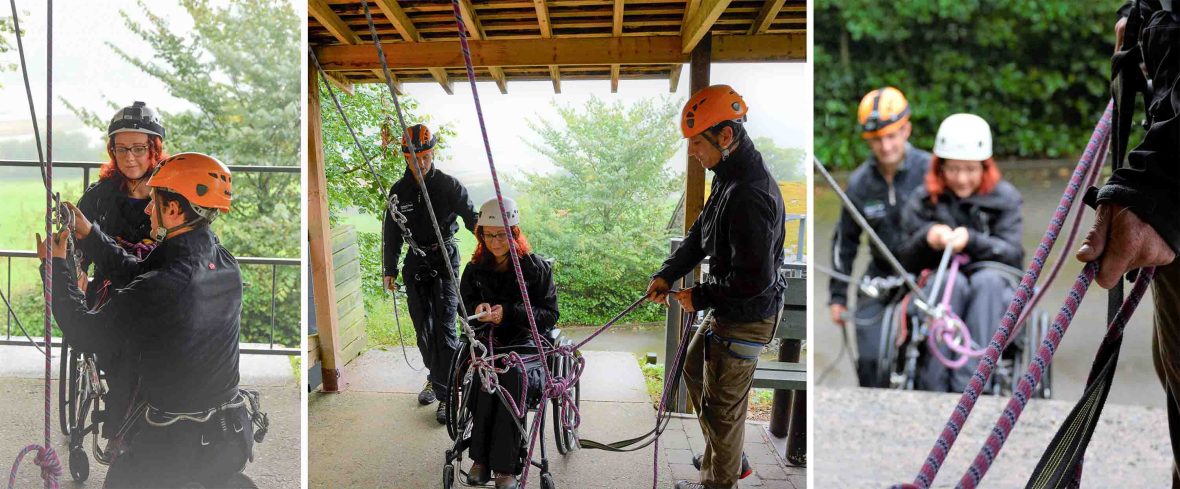
A new wave of outdoor centers is rewriting the rules of engagement by integrating adaptive technology directly into high-adrenaline activities. A primary example of this evolution can be found at the Calvert Lakes activity center, situated near Keswick in the United Kingdom’s Lake District. Calvert Lakes features a purpose-built abseil slab designed specifically to allow wheelchair users to descend rock faces without transferring out of their personal mobility devices.
By utilizing specialized rope rigs, adaptive harnesses, and hoists managed by trained instructors, the center removes the barrier of forced transfer. For Lightley, who documented her own descent down the rock face overlooking Bassenthwaite Lake, the experience reframed her relationship with her wheelchair. Rather than viewing the mobility device as an obstacle to be circumvented or removed, the infrastructure incorporates the chair as an integral component of the adventure itself.
Similar innovations are transforming aquatic recreation. At Ladybower Fisheries in the Peak District National Park, the introduction of specialized "Wheelyboats" has revolutionized access to open water. Founded in the 1980s by Alan Faulkner to enable his friend Bill Buchanan to continue fishing after acquiring a disability, the Wheelyboat concept has grown into a staple of inclusive water sports. Modern iterations feature hydraulic lifts, drop-down bow doors, and controls that allow individuals to pilot the boats directly from their wheelchairs. This technology bridges the gap between passive observation and active participation, allowing disabled travelers to leave the shore behind.
The Rise of Granular Information: Miles Without Stiles
While high-adrenaline sports represent the frontier of adaptive travel, structural access at the municipal and regional levels is equally critical. Programs such as the "Miles Without Stiles" initiative—pioneered approximately 30 years ago by the Lake District National Park Authority and later adopted by the Peak District in 2018—demonstrate the power of detailed, transparent data.
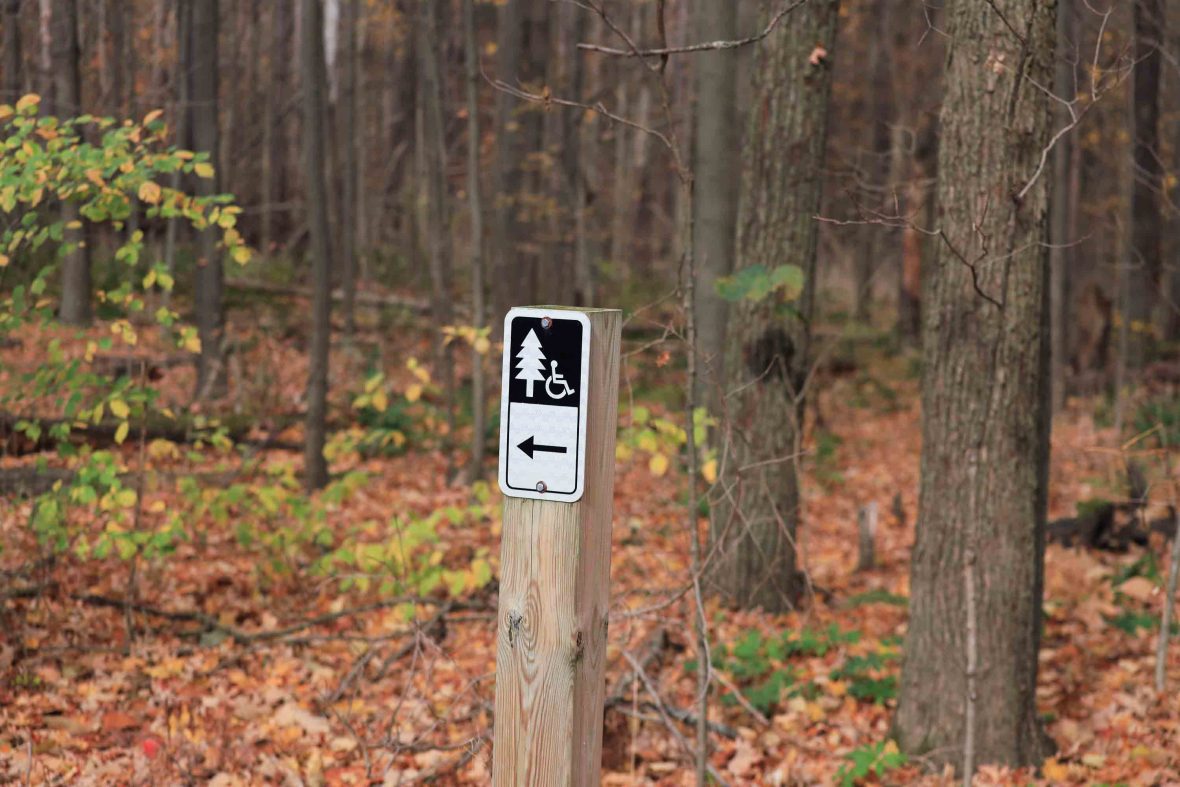
The initiative catalogs and maintains dozens of countryside routes explicitly free from physical barriers like stiles and steps. Crucially, these routes are graded based on empirical factors including surface texture, maximum gradient, and overall length. By providing comprehensive pre-trip mapping and practical access details, initiatives of this caliber shift the paradigm from paternalistic limitation to informed autonomy. Instead of asking whether a disabled person can manage a given route, the framework empowers the individual to evaluate the data and make an autonomous decision.
Challenging the Culture of Paternalism and Over-Protection
Beyond equipment and infrastructure, accessibility advocates emphasize that psychological barriers remain one of the most persistent hurdles in adventure tourism. Society frequently "protects out" individuals with disabilities from high-risk environments, driven by risk aversion and anxiety from third parties: What if something happens? What if it is too difficult?
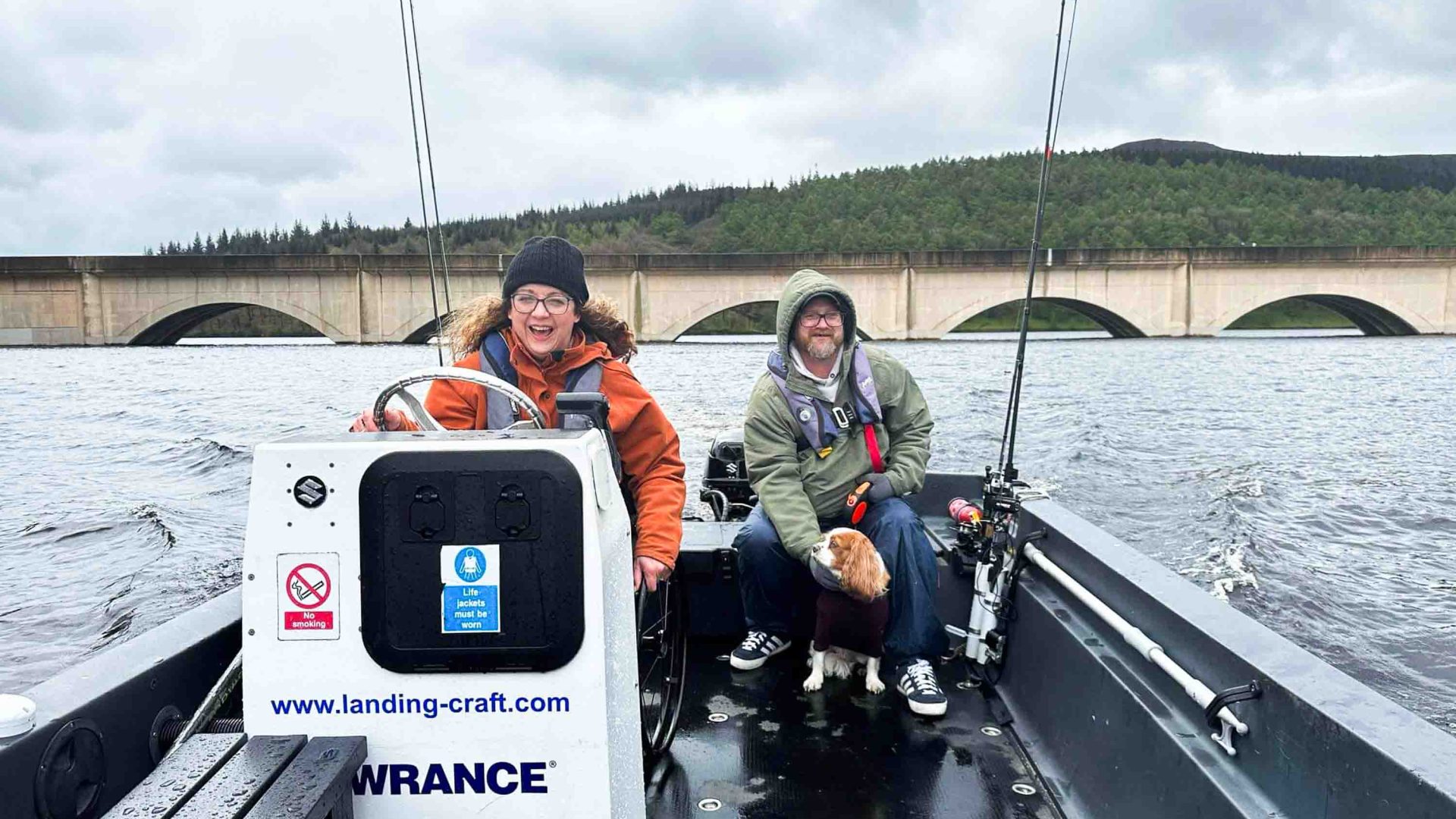
Industry analysts note that while safety is an undeniable priority in outdoor recreation—particularly in remote wilderness settings—there is a profound distinction between professional risk management and arbitrary restrictions imposed on behalf of others. True inclusion requires trusting disabled travelers to assess their own thresholds for adrenaline, comfort, and physical endurance. When instructors and tourism operators approach accessibility with a problem-solving mindset rather than an instinctive reliance on limitations, the entire dynamic shifts.
Broader Implications for the Global Tourism Industry
The movement toward radical accessibility in adventure travel carries significant economic and social implications. The global disability community represents a massive, underserved demographic with substantial disposable income and a strong desire for experiential travel. Destinations and operators that adopt transparent information standards and invest in adaptive infrastructure stand to capture a growing market share as demographic shifts highlight the importance of lifelong mobility.
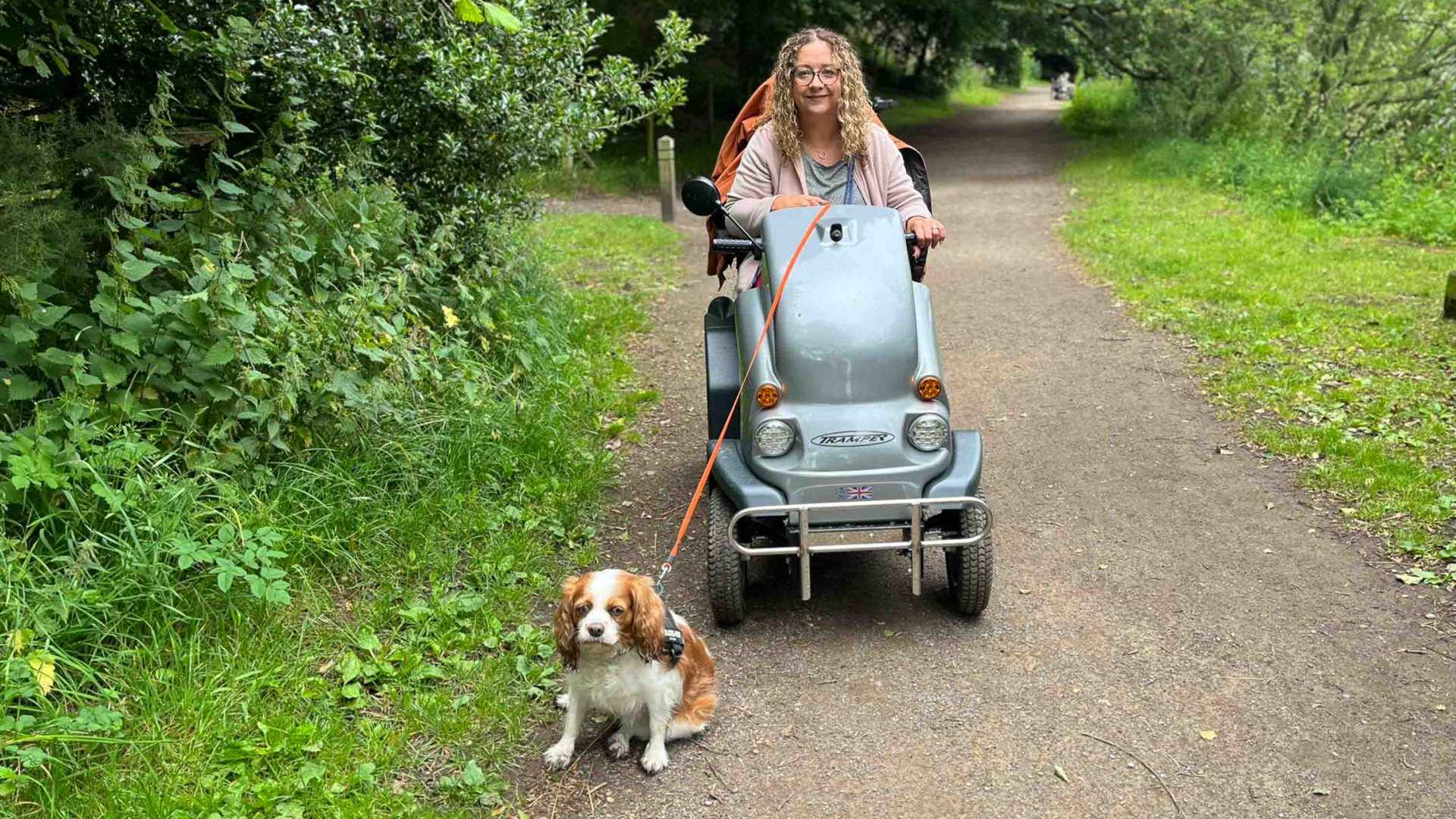
Furthermore, the integration of adaptive technologies—ranging from all-terrain Tramper mobility scooters to specialized marine vessels—demonstrates that true innovation often benefits all travelers. Paved paths that accommodate wheelchairs also serve parents with strollers and aging populations experiencing declining mobility.
Ultimately, the transformation of outdoor adventure is redefining what it means to access the wild. Accessibility does not require flattening nature, paving over ancient paths, or sterilizing the landscape. Instead, it relies on expanding the entry points through robust infrastructure, cutting-edge adaptive equipment, and, above all, the granular data necessary for travelers to chart their own courses. Whether opting for a gentle lakeside stroll concluding at a historic pub or choosing an adrenaline-fueled descent down a rugged rock face, travelers with disabilities are increasingly reclaiming their right to decide just how much adventure is right for them.