Elevating the Slopes: A Comprehensive Look at the North American Ski Resort Culinary Evolution for Winter 2026-27

For the 2026-27 winter season, major North American ski resorts are pivoting away from the traditional model of standardized, utilitarian mountain dining in favor of curated, high-end gastronomic experiences. This strategic shift, characterized by substantial capital investment from industry titans like Vail Resorts and Alterra Mountain Company, reflects a broader consumer trend toward "experiential travel," where the quality of après-ski amenities is increasingly viewed as equal in importance to the quality of the terrain itself. While the move is undoubtedly aimed at increasing per-guest expenditure, it also addresses a long-standing grievance among modern travelers: the lack of sophisticated, diverse, and high-quality food options at high-altitude destinations.
The Macro Context: Capital Investment and Industry Strategy
The landscape of mountain dining has evolved significantly over the past decade. Historically, ski resorts operated on a volume-based food service model, relying heavily on centralized cafeterias serving mass-produced, heat-lamp-warmed comfort foods. However, the rise of the "destination skier"—a demographic that prioritizes wellness, luxury, and social engagement—has forced a recalibration of resort infrastructure.
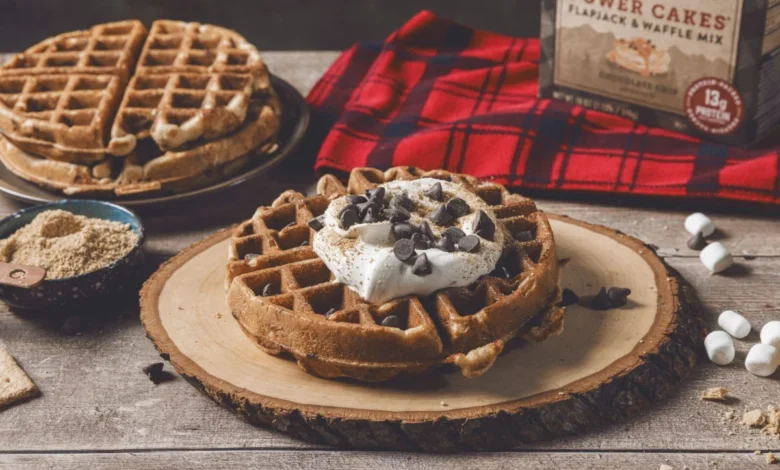
Vail Resorts has initiated its most aggressive investment cycle to date, specifically targeting the intersection of hospitality and high-mountain luxury. This follows a period of consolidation in the ski industry, where companies like Vail and Alterra have looked to differentiate their portfolios not just through lift pass accessibility, but through unique "off-mountain" value propositions. By integrating elements like roaming s’mores stations, high-end caviar service, and sustainable, all-electric infrastructure, these resorts are positioning themselves as year-round luxury destinations rather than seasonal athletic hubs.
Vail Resorts: A Multi-Front Culinary Offensive
The 2026-27 season marks a distinct shift in how Vail Resorts approaches the guest experience at its flagship locations. At Whistler Blackcomb, the introduction of a dedicated caviar and Champagne service at Steeps Grill & Wine Bar signals a move toward the "European Alps" model of high-altitude dining. This service, situated within the Roundhouse Lodge, allows guests to transition from high-intensity skiing to leisure-focused indulgence without descending to the base village.
Simultaneously, the resort is testing the boundaries of outdoor socializing with the opening of "On The Rocks" at Christine’s on Blackcomb. By utilizing an ice-sculpted bar at the top of the Blackcomb Gondola, the resort is creating a photogenic, high-traffic destination that encourages guests to linger, socialize, and increase their dwell time on the mountain.

In Utah, Park City Mountain is focusing on the "surprise and delight" marketing strategy. The deployment of a roaming "S’mores Sleigh" represents a departure from traditional fixed-point dining, creating an interactive, mobile experience that encourages movement across the resort. Furthermore, the expansion of the "Peak to Plate" guided tour suggests that consumers are increasingly willing to pay a premium—in this case, a $150 surcharge on top of lift tickets—for curated, multi-stop culinary itineraries. This model effectively turns a standard ski day into a structured, all-day dining event, providing the resort with a high-margin revenue stream that functions independently of variable snow conditions.
Alterra Mountain Company: Infrastructure and Exclusive Access
Alterra Mountain Company’s approach to the 2026-27 season is characterized by a more surgical application of capital. With an investment exceeding $350 million across its vast portfolio—including Mammoth Mountain, Palisades Tahoe, and Deer Valley—the majority of funds remain earmarked for lift efficiency and snowmaking, the foundational requirements of mountain operations.
However, the selective enhancements in dining suggest a shift toward exclusive, club-style amenities. The reopening of the Whitebark restaurant as "Apricity" at Mammoth Mountain’s Westin Monache demonstrates a desire to modernize the aesthetic and menu profile to appeal to the "foodie" demographic, with a pivot toward seafood and shareable, small-plate concepts.
At Stratton Mountain in Vermont, the strategy leans into exclusivity. The development of a new slopeside lounge restricted to premium access pass holders follows the precedent set by the Apex Club at Palisades Tahoe. This "club-within-a-resort" model allows operators to monetize space that was previously underutilized, effectively creating a tiered experience where higher-spending guests receive a significantly different physical and social experience than the general pass-holding public.
Independent and Regional Developments: Innovation at Scale
While the major conglomerates capture the headlines, independent resorts and specific flagship properties are setting the pace for structural innovation. The most notable development is the reconstruction of the Ullrhof restaurant at Aspen Snowmass. With a $42 million budget, this project is a masterclass in modernizing heritage infrastructure.
The transition to an all-electric facility is not merely an environmental statement; it represents a fundamental change in kitchen operations. By housing four distinct concepts—Ullrhof, Ullrmarket, Ullrbar, and Ullrgrill—under one roof, the resort is maximizing the utility of its 26,000-square-foot footprint. This "food hall" approach allows the resort to cater to diverse dining preferences—from quick-service burgers and milkshakes to more elevated, bar-focused fare—without creating the bottleneck issues common in traditional cafeterias.
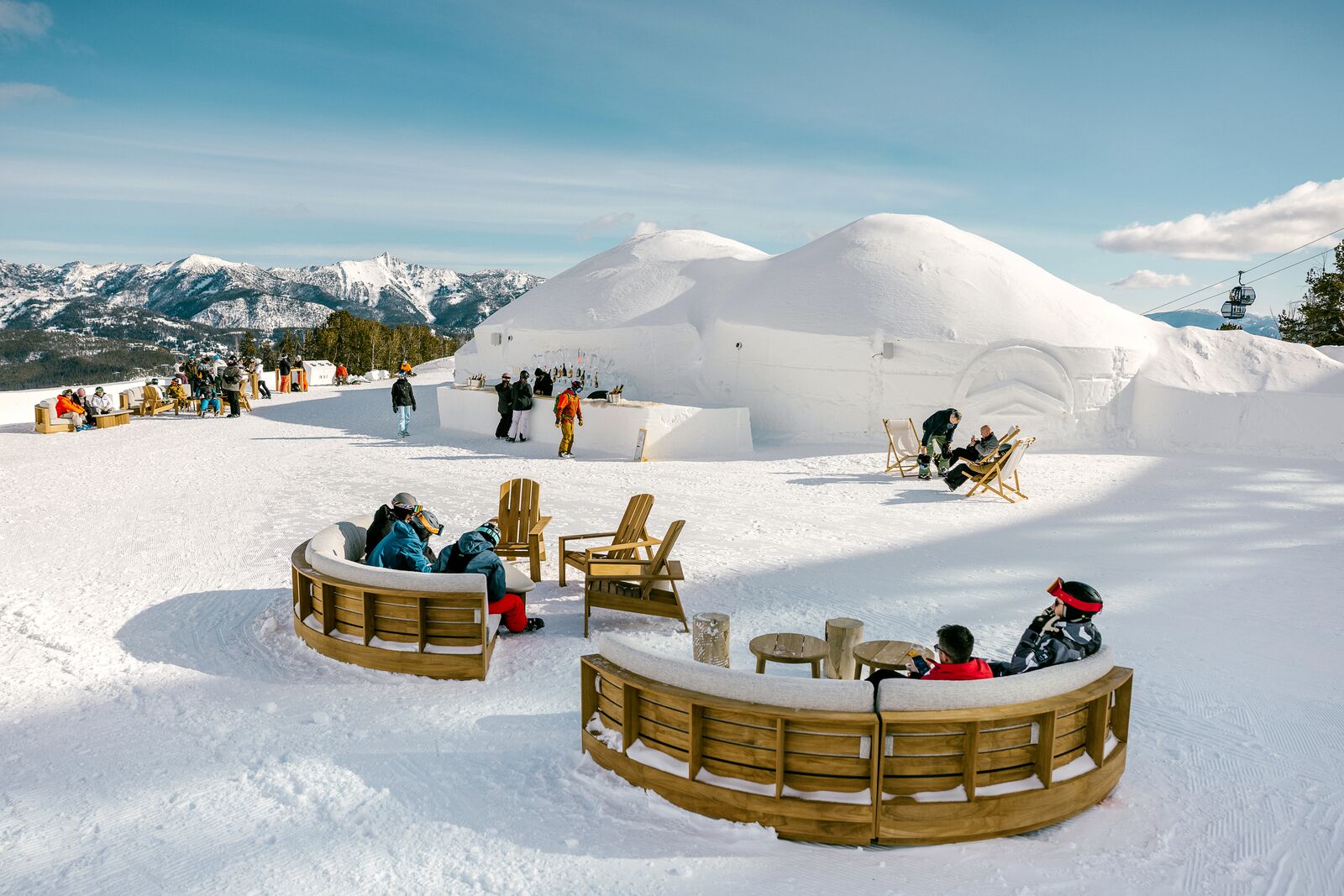
In Big Sky, Montana, the expansion of the "Iglu" ice bar to include a dedicated staircase from the Explorer Gondola removes a significant barrier to entry: the requirement for expert-level skiing. By making this experience accessible to pedestrians, Big Sky is successfully expanding its market reach, allowing non-skiers or those taking a "day off" from the slopes to participate in the resort’s social scene. The continued partnership with chef Grant Achatz’s Alinea Group also highlights a growing trend of "culinary tourism" in the mountains, where the quality of the food is intended to be a primary reason for visiting the resort, independent of the skiing conditions.
Economic and Operational Implications
The economic implications of this shift are twofold. First, the introduction of high-end dining options helps mitigate the volatility associated with climate change and unpredictable snow seasons. When a resort offers world-class dining, it becomes a "weather-proof" destination where the experience remains high-value even on days when the mountain is closed or terrain is limited.
Second, the trend toward tiered dining—such as the premium-access lounges—suggests that the industry is successfully segmenting its audience. By providing a "VIP" experience for those willing to pay, resorts are able to maintain accessibility for the general public while capturing higher margins from affluent segments.
However, this transition is not without challenges. Operators must contend with the significant logistical hurdles of transporting fresh ingredients, staff, and utilities to remote, high-altitude locations. The "all-electric" shift at Aspen Snowmass serves as a pilot project for the industry; if successful, it could provide a roadmap for other resorts to reduce their reliance on carbon-heavy fuel delivery systems for kitchen operations.
Looking Ahead
The 2026-27 winter season will serve as a bellwether for the future of mountain hospitality. The industry is currently in a state of "experience inflation," where the baseline for what constitutes a "good day on the mountain" is being raised. From the introduction of sommelier-led wine pairings to the deployment of roaming, free-to-consumer amenities, the strategy is clear: keep the guest on the property, keep them engaged, and provide a level of service that rivals top-tier urban hospitality centers.
As these projects go live, the focus will shift to operational execution. Maintaining the quality of a delicate tasting menu or the efficiency of a high-volume steakhouse at 9,000 feet requires a specialized workforce and robust supply chain management. For the North American ski industry, the coming winter is not just about the snow; it is a test of whether these resorts can successfully transform themselves into comprehensive, year-round culinary destinations that satisfy the most discerning travelers in the global market. Whether these investments will yield long-term brand loyalty or merely lead to increased operational overhead remains a subject of intense scrutiny, but one thing is certain: the era of the bland, overheated cafeteria burger is coming to a definitive end.