Syria Reimagined: Assessing the Landscape of Contemporary Tourism Amidst Protracted Conflict

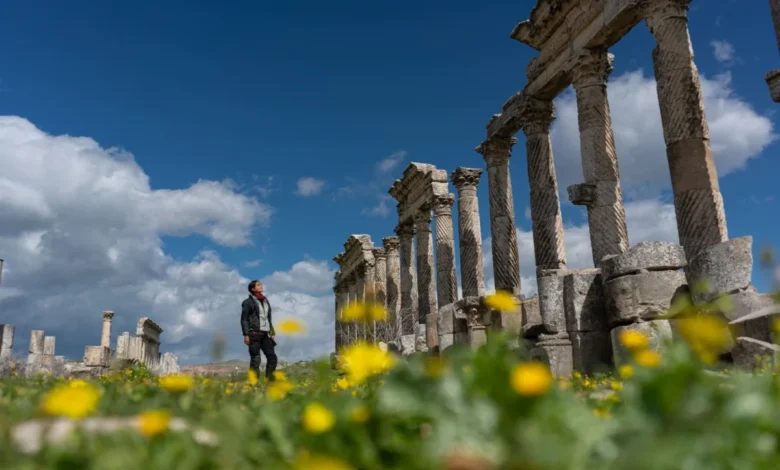
The Syrian Arab Republic, once a cornerstone of Middle Eastern tourism, currently exists in a state of complex transition. For over a decade, the nation has been defined by a multi-layered civil conflict that began in 2011, fundamentally altering its socio-economic fabric and international standing. Despite the persistent challenges of geopolitical instability, economic distress, and damaged infrastructure, there has been a measured shift in the landscape, with the government and local stakeholders seeking to cautiously revive the tourism sector. This emergence of "off-the-beaten-path" travel to Syria presents a dichotomy between the allure of ancient, preserved heritage and the harsh realities of a country navigating the aftermath of protracted warfare.
Chronology of a Tourism Sector in Flux
The trajectory of Syrian tourism can be categorized into three distinct phases. Before 2011, Syria was a regional hub for cultural tourism, drawing millions of international visitors annually to sites like the Umayyad Mosque, the ancient city of Palmyra, and the historical souqs of Aleppo. These visitors contributed billions to the national GDP, supporting a diverse service economy.
The onset of the civil war in 2011 marked the second phase, characterized by a near-total collapse of the tourism industry. Global travel advisories issued by Western governments placed Syria in the highest risk category, leading to the closure of major hotels and the abandonment of historic sites. The physical destruction of heritage, most notably in Aleppo, became a global concern for organizations like UNESCO.
The current phase, beginning approximately in 2021-2022, is defined by an attempt at normalization. While the state of the conflict remains fragile and varies significantly by region, the Syrian government has implemented stricter visa regulations, requiring foreign visitors to travel with state-sanctioned guides. This framework is designed to provide security for the visitor while maintaining oversight of international interactions.
Economic and Geopolitical Context
The revival of tourism is occurring against a backdrop of severe economic crisis. According to reports from the World Bank and the United Nations, the Syrian economy has been severely hampered by the loss of oil revenue—much of which remains outside government control—and the impact of international sanctions. Inflation has reached historic highs, and the purchasing power of the average Syrian citizen has plummeted.
The tourism sector is viewed by local authorities as a vital source of foreign currency. By encouraging visitation, the state seeks to stimulate the service economy in Damascus, Homs, and coastal regions. However, this effort faces significant friction. The presence of foreign military forces in various parts of the country and the ongoing regional tensions, particularly those involving spillover effects from the conflict in Gaza, continue to influence international travel risk assessments.
Safety Assessments and Travel Realities
From a security standpoint, the situation in Syria is not monolithic. While the Ministry of Foreign Affairs of many nations maintains a "Do Not Travel" advisory, those who have recently visited report a stark difference between the "frontline" reality and the day-to-day life in stable urban centers.
The primary risks identified by security analysts involve the potential for regional escalations, localized violence, and the lack of comprehensive consular support for foreign nationals. Infrastructure, including power grids and transportation, remains inconsistent. Electricity shortages, often exacerbated by the loss of access to energy-rich regions, remain a daily reality for residents.
Despite these risks, the tourism infrastructure that remains is surprisingly resilient. In areas like Old Damascus, the hospitality sector has adapted. Traditional courtyard houses have been converted into boutique lodgings, and a nascent but professional guiding industry has emerged. These tour operators often act as intermediaries, bridging the gap between foreign tourists and the local administration, and providing the necessary logistical support to navigate a country that lacks standard tourism services like readily available rental cars or autonomous transit networks.
The Ethics of Dark Tourism
The rise of travel to Syria has ignited a debate regarding the ethics of "dark tourism"—the act of visiting sites associated with tragedy or death. Critics argue that tourism in a conflict-affected zone risks commodifying human suffering and can be used for political signaling. There is a palpable concern that travelers may prioritize "aesthetic" experiences—such as photography amidst ruins—over a genuine understanding of the humanitarian crisis.
However, proponents of travel to Syria argue that isolation only exacerbates the divide between the Syrian people and the international community. They contend that responsible tourism provides much-needed financial support to local artisans, service workers, and guides who are struggling to maintain their livelihoods. The key distinction, according to travel industry observers, lies in the intent of the visitor: a distinction between "adventure tourism" that treats the country as a spectacle and "cultural engagement" that seeks to understand the human cost of the conflict.
Impact on Cultural Heritage
The preservation of Syria’s cultural heritage remains one of the most significant implications of the current tourism surge. With the cessation of major hostilities in key historic hubs, the focus has shifted to restoration. However, the lack of international funding and technical expertise due to geopolitical tensions has left much of the work to local NGOs and state-led initiatives.
Tourism, if managed sustainably, could theoretically provide the capital necessary for the preservation of these sites. Yet, there is a risk that rapid, unregulated foot traffic could further degrade already weakened structures. Experts emphasize that the long-term viability of Syrian tourism depends on balancing the influx of visitors with rigorous heritage management protocols.
Official Stance and Future Projections
The Syrian government’s current policy on tourism is one of controlled expansion. By requiring government-approved guides, the state ensures that all travel is monitored and that the image of the country presented to outsiders aligns with their domestic narrative. For the international traveler, this creates a filtered experience.
Looking ahead, the sustainability of the Syrian tourism sector is tied to the broader peace process. Without a comprehensive political resolution to the conflict, the industry will likely remain limited to a niche segment of "high-risk" travelers. Nevertheless, the existing demand from those seeking to visit the "cradle of civilization" suggests that the desire for connection with Syria’s history persists despite the immense geopolitical hurdles.
For the potential traveler, the decision to visit requires a sober assessment of one’s own ethical framework and risk tolerance. As the country attempts to re-enter the global tourism market, it serves as a stark reminder of the complexity of traveling to regions where history, war, and human resilience intersect. The future of Syrian tourism will likely remain a microcosm of the country’s own path: uncertain, fragile, yet deeply determined to re-emerge on the global stage.