How to Master the Perfect Thanksgiving Turkey Using Cooler Brining Techniques to Save Refrigerator Space

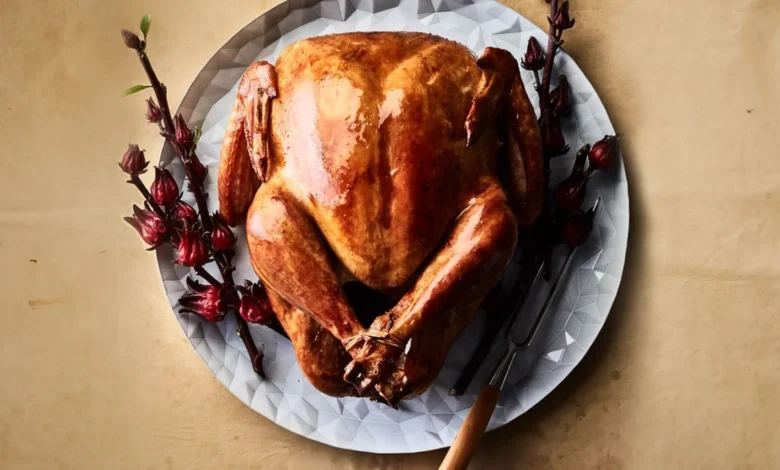
The logistical challenge of preparing a whole turkey for Thanksgiving is a perennial hurdle for millions of households across the United States. As the holiday approaches, the tension between kitchen preparation and storage capacity often peaks, particularly when attempting to manage a wet-brined bird that requires a significant footprint in a crowded refrigerator. Culinary experts, including television personality Alton Brown, have popularized a solution that leverages the thermodynamics of insulated coolers to circumvent the limitations of traditional refrigeration. This method not only preserves the structural integrity and moisture content of the meat but also offers a strategic advantage in space management during one of the most labor-intensive cooking days of the year.
The Science of Moisture Retention Through Brining
The process of brining is fundamentally a chemical exercise in osmosis and diffusion. When a turkey is submerged in a solution of water, salt, sugar, and aromatics, the salt works to denature the proteins in the muscle fibers. This structural alteration allows the muscle cells to absorb and retain significantly more water than they would under standard roasting conditions. By incorporating sugar and vegetable broth, the solution provides the necessary fuel for the Maillard reaction, ensuring that the exterior of the bird achieves a deep, golden-brown finish while the interior remains succulent.
Data from the U.S. Department of Agriculture (USDA) suggests that moisture retention is a primary factor in food safety and quality control for poultry. A standard wet-brined bird is less susceptible to the drying effects of high-heat roasting, which is a critical consideration when preparing large proteins that have a high surface-area-to-volume ratio.
Logistics and Implementation: The Cooler Method
The transition from a refrigerator-based brine to an insulated cooler requires strict adherence to food safety protocols. The primary concern in food preparation for large-scale holiday meals is maintaining the "danger zone" parameters—specifically keeping perishable items below 40°F (4°C) to prevent the proliferation of pathogenic bacteria such as Salmonella and Campylobacter.
To execute this method, the cooler must be thoroughly sanitized prior to use. The brine, consisting of a balanced ratio of kosher salt, sugar, and liquid, should be chilled before the bird is introduced. A digital probe thermometer is an essential tool in this process, as it allows for the continuous monitoring of the internal liquid temperature. If the ambient temperature begins to climb toward the 40°F threshold, the inclusion of sealed, food-safe ice packs is required to stabilize the environment. This method effectively replicates the cooling capacity of a commercial-grade refrigerator while liberating valuable shelf space for side dishes and desserts.
A Chronological Guide to Preparation
The timeline for a successful Thanksgiving meal begins well before the holiday itself. The following chronology outlines the standard workflow for a 14–18 lb. bird:
- Preparation (48 hours prior): Verify the turkey is not "pre-brined" or "enhanced." Many commercially available birds are injected with a saline solution. Adding a secondary brine to these products can lead to an unpalatably high sodium concentration.
- Brining (12–24 hours prior): Submerge the bird in the cooler brine. For optimal results, an 8-to-12-hour window is recommended. Exceeding 24 hours can result in a texture that is overly firm or mushy due to the prolonged breakdown of muscle proteins.
- Drying (4 hours prior to roasting): Remove the turkey from the brine and pat it thoroughly dry. Moisture on the skin acts as a barrier to heat transfer; a dry surface is the prerequisite for the crisp skin desired by most consumers.
- Initial Sear (Start of roasting): Place the bird in an oven preheated to 500°F. This initial blast of heat for 30–40 minutes sets the skin.
- Steady Roasting: Reduce the oven temperature to 350°F and shield the breast with aluminum foil to prevent the white meat from overcooking before the darker, denser thigh meat reaches a safe internal temperature of 165°F.
Comparative Analysis of Preparation Methods
Culinary professionals often debate the merits of wet versus dry brining. While wet brining is superior for moisture retention in lean, large-scale poultry, dry brining—which involves coating the bird in salt and letting it rest uncovered in the refrigerator—is gaining popularity for its convenience and ability to yield a consistently crisp skin.
For those under extreme time constraints, breaking the bird down into parts represents a significant shift in methodology. Chris Morocco’s approach to roasting turkey in parts allows for the legs and breasts to be cooked at different rates, effectively reducing total roasting time to under two hours. This modular approach is increasingly preferred by smaller households that do not require the ceremonial presentation of a whole bird.
Food Safety and Regulatory Considerations
The USDA advises that home cooks must remain vigilant regarding cross-contamination. Any surface that comes into contact with raw poultry must be sanitized with a solution of one tablespoon of unscented liquid chlorine bleach per gallon of water. Furthermore, the use of a cooler for brining necessitates that the unit itself is exclusively used for food-safe applications and is not a repurposed cooler that has been used for general storage.
Regarding the finished product, the issue of gravy salinity is a common complaint. Because the brining process imbues the meat with high levels of sodium, the pan drippings often become concentrated during the roasting process. Experts recommend using low-sodium or salt-free chicken or vegetable broth as a base for gravy. Should the final product prove too salty, the addition of unsalted butter or a small amount of heavy cream can help emulsify the sauce and mellow the salt profile.
Broader Impact on Holiday Culinary Trends
The shift toward "smarter" cooking techniques—such as cooler brining and component-based roasting—reflects a broader trend in the American kitchen. With modern urban living spaces often featuring smaller kitchen appliances and limited refrigeration capacity, the ability to utilize external storage for meal prep has become a necessity.
Furthermore, the rise of digital culinary education platforms has democratized professional-level techniques, allowing home cooks to achieve results that were previously the domain of trained chefs. The emphasis on minimizing "hovering" at the oven allows the host to focus on other aspects of the meal, such as vegetable-forward side dishes and complex desserts, which are becoming increasingly central to the Thanksgiving narrative.
Ultimately, the choice of brining method remains a personal preference dictated by available time, equipment, and desired final texture. However, the move toward data-driven, systematic approaches—monitoring temperatures, understanding protein chemistry, and optimizing kitchen workflows—has undeniably elevated the standard of home-cooked holiday meals across the country. By replacing the stress of appliance management with organized, science-backed preparation, the modern host can ensure that the centerpiece of the Thanksgiving table is both safely prepared and culinary-compliant with high-quality expectations.
Related posts: