The Essential Guide to Mirin: Understanding the Japanese Culinary Staple and Its Role in Global Cuisine

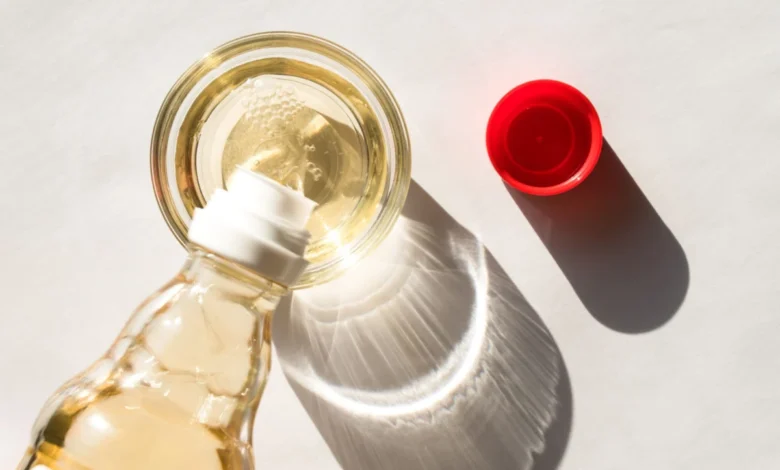
If you have ever prepared or consumed Japanese cuisine, you have almost certainly encountered mirin. Alongside foundational elements like miso, soy sauce, dashi, and rice vinegar, this sweet rice wine serves as a cornerstone of Japanese flavor profiles. It is a critical component in the construction of stocks, stews, marinades, and sauces, while also providing the characteristic glossy, lacquered sheen associated with dishes like teriyaki. However, a significant gap exists between the authentic product utilized by traditional chefs and the mass-market versions found on supermarket shelves in the United States. Understanding the chemistry, history, and culinary application of mirin is essential for any home cook looking to elevate their technique.
While often described simply as a sweet condiment with subtle umami, experts such as Sonoko Sakai, author of Japanese Home Cooking, argue that the true essence of the ingredient is best captured by the term koku. Koku is a complex sensory experience that transcends basic flavor; it encompasses aroma and provides a profound depth on the palate. Achieving this depth depends entirely on the provenance of the mirin being used. True hon mirin is a fermented product of time and craftsmanship, whereas the ubiquitous aji-mirin—often found in the international aisle—is a synthetic approximation.
The Anatomy and Chemistry of Authentic Hon Mirin
The production of authentic hon mirin is a process rooted in tradition, utilizing only three primary ingredients: glutinous rice, koji (a mold culture used for fermentation), and shochu, a Japanese distilled spirit typically derived from rice. The process begins by mixing these ingredients, allowing the enzymes in the koji to break down the starches in the glutinous rice into simple sugars, primarily glucose.

Unlike table sugar, which provides a singular, aggressive sweetness, the glucose in mirin is approximately 70% as sweet as sucrose. This results in a profile that is described by culinary historians as more "elegant" and nuanced. Furthermore, the fermentation process contributes to a lower glycemic index compared to many refined sweeteners. Perhaps most important to the culinary function of mirin is its alcohol content, which typically sits at roughly 14% ABV.
In a professional kitchen, this alcohol content serves a chemical purpose. As Hiroko Shimbo notes in The Japanese Kitchen, alcohol acts as a denaturing agent for proteins, helping to firm them up slightly during the cooking process. Simultaneously, mirin is hygroscopic, meaning it absorbs moisture, which helps keep proteins tender and juicy. This combination of structural support and flavor enhancement makes it an indispensable tool for braising and glazing.
A Chronological Evolution: From Beverage to Seasoning
Historically, the use of mirin has shifted significantly over the centuries. In the Edo period of Japan, mirin was actually consumed as a high-quality sweet sake, often served during New Year’s celebrations in a tradition known as o-toso. It was only after the mid-Edo period that its role as a seasoning became primary.
As culinary practices evolved, so did the commercialization of the product. The modern disparity between hon mirin and aji-mirin emerged largely due to post-World War II industrialization. The rise of large-scale food production necessitated shelf-stable, cost-effective, and rapidly produced alternatives to traditional fermented products. This led to the introduction of aji-mirin—literally translated as "tastes like mirin."

Aji-mirin is typically produced by combining water, rice, salt, and alcohol with high-fructose corn syrup or glucose. Because it bypasses the traditional, multi-month fermentation process, it lacks the complex esters and amino acids that provide the koku mentioned by experts like Sakai. While aji-mirin is accessible and budget-friendly, its reliance on synthetic sweeteners and lack of natural fermentation byproducts means it cannot replicate the sophisticated flavor profile of hon mirin.
Comparative Analysis: Mirin vs. Sake and Rice Vinegar
A common point of confusion for Western cooks is the distinction between mirin and other Japanese rice-based liquids, namely sake and rice vinegar. While all three are derived from rice, their chemical compositions and purposes differ.
Sake is brewed using sake-specific rice (sakamai) and relies on yeast to convert sugars into alcohol. It is primarily a beverage, with a significantly higher sugar-to-alcohol ratio than mirin, making it much less sweet. When used in cooking, sake provides aromatic qualities and aids in removing "fishy" odors from proteins, but it lacks the syrupy viscosity and intense sweetness required for glazing.
Rice vinegar, conversely, is an acidic product of secondary fermentation, where alcohol is converted into acetic acid. It provides a sharp, tart profile that is the direct opposite of mirin’s rounded, sweet character. Despite their shared origins, they are not interchangeable. Substituting a mixture of rice vinegar and sugar for mirin—a common internet-age kitchen hack—is widely discouraged by culinary professionals because it fails to achieve the umami-rich complexity of true mirin and introduces an acidity that can overwhelm delicate dishes.

Practical Substitutions and Culinary Strategy
For home cooks who find themselves unable to source hon mirin, experts like J. Kenji López-Alt suggest a measured approach. The most effective substitute is a combination of sake and a natural sweetener. By mixing two parts sake with one part sugar by volume, a cook can replicate the structural role of mirin, even if some of the aromatic depth is lost.
When selecting a sake for this purpose, it is vital to avoid products labeled "cooking sake." These products are often heavily salted to ensure they are not consumed as beverages, which can make it impossible to control the sodium levels in a finished dish. Instead, a standard, dry seishu is recommended. For a more sophisticated substitution, some chefs recommend using brown rice syrup, which mimics the body and viscosity of high-quality mirin more effectively than granulated white sugar.
It is worth noting that while purists insist on hon mirin, the impact of the ingredient depends on the dish. In long-cooked braises or strongly flavored stews, the subtle differences between hon mirin and aji-mirin are diminished. As López-Alt observes, because mirin often makes up only a small percentage of a recipe’s total volume, the disparity is often manageable. However, in delicate preparations—such as steamed fish, clear soups, or light glazes—the quality of the mirin will be discernibly reflected in the final result.
Storage and Handling: A Matter of Preservation
The storage requirements for mirin highlight its unique chemical makeup. Because hon mirin contains both alcohol and significant natural sugars, it is remarkably shelf-stable. It should be stored in a cool, dark place away from direct sunlight. Refrigeration is generally unnecessary and can even be detrimental, as the cold temperature may cause the sugars in the mirin to crystallize over time.

For aji-mirin, consumers should defer to the manufacturer’s instructions on the label. Because these products often contain different preservative profiles and varying concentrations of corn syrup or glucose, their shelf life and stability can differ from the traditional fermented product.
Broader Culinary Implications and Future Trends
The increasing popularity of Japanese home cooking in the West has led to a slow but steady rise in the availability of authentic Japanese pantry staples. As home cooks become more discerning, the market for artisanal hon mirin—such as those produced by Sumiya Bunjiro Brewery or Hakusen Shuzo—has grown.
The movement toward "real" ingredients is not merely a trend but a reflection of a broader culinary shift toward understanding how traditional production methods affect the health and sensory quality of food. As more consumers recognize the value of fermentation, the demand for authentic mirin is likely to continue rising. Whether used in a silky tare for ramen, a robust teriyaki glaze, or a subtle miso-turmeric dressing, the inclusion of authentic hon mirin represents a commitment to the foundational principles of Japanese gastronomy: balance, depth, and the pursuit of koku.
While the convenience of aji-mirin will likely maintain its market share in casual cooking, the distinction between the industrial substitute and the artisanal product remains clear. For those seeking to replicate the true flavors of Japan in their own kitchens, sourcing a bottle of hon mirin is a transformative step, one that bridges the gap between simple home cooking and the profound, layered complexities of traditional Japanese culinary arts.