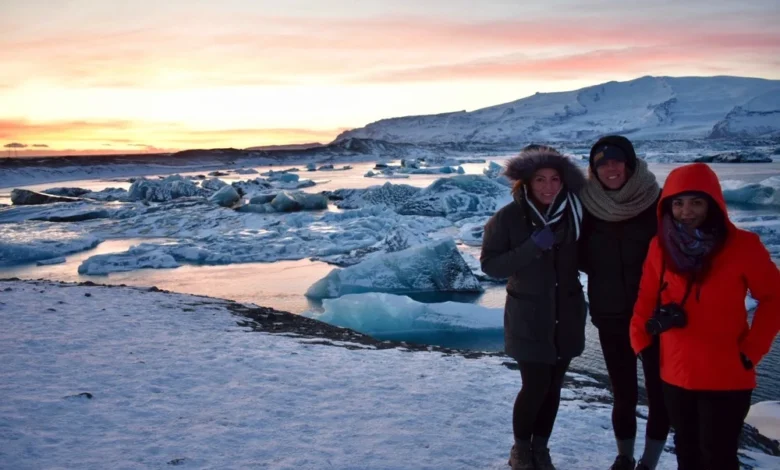
Iceland represents one of the most compelling destinations for independent travelers, defined by a dramatic landscape of glacial tongues, active geothermal fields, and basalt-hewn coastlines. While the nation maintains a robust tourism infrastructure, the geography of the island—characterized by sparse population centers and highly localized weather patterns—necessitates a strategic approach to transportation. For the majority of visitors, the rental car serves not merely as a convenience, but as an essential tool for accessing the country’s remote interior and navigating the Ring Road, the 1,332-kilometer highway that encircles the island.
The logistical framework for road travel in Iceland has undergone a significant transformation as of 2026. Travelers must now navigate a new, sophisticated fiscal landscape regarding road usage, alongside traditional safety challenges that have historically defined Icelandic motoring.

The Evolution of Iceland’s Road Infrastructure and Usage Fees
Historically, Iceland’s road network was funded through general taxation and specific levies on fuel. However, as the global transition toward electric vehicles (EVs) accelerated, the Icelandic government faced a structural decline in fuel tax revenue. To address this, the Althing—the Icelandic parliament—ratified legislation to implement a comprehensive, usage-based road charge.
Effective January 1, 2026, the new model mandates a kilometer-based fee for all registered motor vehicles, regardless of their propulsion system. This policy aims to ensure that the maintenance of Iceland’s extensive road network is equitably distributed across both domestic commuters and international rental traffic. For the average traveler, this translates to an additional daily cost. Rental agencies have been granted the flexibility to either track mileage digitally or impose a standardized daily rate, which currently averages approximately ISK 1,390 ($11.35).
Beyond the national usage fee, motorists must account for specific infrastructure tolls. The Vaðlaheiðaröng tunnel, located near Akureyri in Northern Iceland, remains the most significant toll-operated infrastructure. Unlike traditional toll booths, this crossing utilizes an automated license plate recognition system. Drivers are required to register their vehicles on the official portal prior to transit to avoid substantial administrative surcharges. This shift toward digital, toll-booth-free infrastructure is reflective of Iceland’s broader strategy to modernize transit efficiency while managing the high costs associated with maintaining tunnels in volatile geological zones.

Strategic Planning: Seasonal Considerations and Vehicle Selection
The efficacy of an Icelandic road trip is inextricably linked to seasonal timing. The summer window, spanning June through August, offers the most stable conditions, characterized by the phenomenon of the midnight sun, which extends daylight hours to nearly 20 hours per day. This extended visibility is critical for navigating the F-roads—mountain tracks that access the interior highlands. Access to these routes is strictly seasonal; they are generally closed during the winter months due to heavy snow accumulation and remain inaccessible until road authorities confirm they are safe for passage, typically by late June or early July.
Vehicle selection remains a primary concern for risk management. For travelers sticking to the paved Ring Road (Route 1) or the Golden Circle, a standard passenger vehicle is sufficient. However, for those planning to traverse the highlands or coastal fjords, a 4×4 vehicle is not only recommended but often required by rental contracts. Rental providers have noted a significant uptick in insurance claims related to under-equipped vehicles attempting to navigate terrain beyond their capabilities. Furthermore, insurers have clarified that even with premium coverage, damages incurred during river crossings are universally excluded from liability, placing the onus of safety directly on the driver.
Environmental Factors and Safety Protocols
The Icelandic Meteorological Office emphasizes that weather in the North Atlantic is exceptionally volatile. It is not uncommon for a calm morning to transition into a gale-force wind event by midday. These winds are particularly hazardous for high-profile vehicles, such as campers or vans, which are prone to tipping in gusts exceeding 20 meters per second.

The standard speed limit on the Ring Road is 90 km/h on paved surfaces, dropping to 80 km/h on gravel. Strict adherence to these limits is enforced, and non-compliance, particularly on gravel, is a leading cause of vehicle accidents. Local law enforcement and the Icelandic Road and Coastal Administration (IRCA) advise that the transition from tarmac to gravel is a critical failure point for many tourists. Drivers are urged to reduce speed significantly before reaching unpaved sections to maintain traction and control.
Analytical Overview: The Impact of Independent Travel
The shift toward independent car rentals has had a profound impact on the Icelandic tourism economy. By allowing travelers to bypass organized, large-group tours, the rental car market has effectively decentralized tourism, distributing visitors more broadly across the island’s rural regions.
However, this decentralization has created challenges for small, remote municipalities. Increased traffic has necessitated upgrades to parking facilities at major natural sites like Seljalandsfoss and Reynisfjara. Many of these sites have begun implementing parking fees to fund the restoration of walking paths and the management of fragile ecosystems. From an economic standpoint, the rise of the car rental sector has bolstered local entrepreneurship in the vehicle maintenance and hospitality sectors, yet it has also required the government to expedite investment in infrastructure to prevent the degradation of sensitive landscapes.

Recommended Itineraries for the Modern Traveler
For those planning a trip, the following itineraries offer a balanced approach to the island’s geography:
- The Comprehensive Circuit (Ring Road): A 10 to 14-day journey circling the entire island. This route is recommended for those who wish to see the full breadth of the country, from the glaciers of the southeast to the volcanic craters of the north. It requires a significant time commitment to account for weather-related delays.
- The South Coast Expedition: A 3 to 5-day route focusing on the most densely packed geological sites. This is the most efficient route for first-time visitors who have limited time but wish to experience waterfalls, black-sand beaches, and glacier lagoons.
- The Western Peninsula Loop: A 2 to 4-day trip encompassing the Golden Circle and the Snæfellsnes Peninsula. This route is ideal for those seeking a mix of cultural history—such as the site of the original parliament at Þingvellir—and the diverse, condensed landscapes of the western region.
Concluding Best Practices for Road Safety
To ensure a seamless experience, travelers are encouraged to adopt a "Safety First" framework:
- Continuous Monitoring: Utilize the SafeTravel.is portal to monitor real-time road conditions. In Iceland, road closures can occur with little notice due to shifting weather fronts.
- Asset Management: When renting, clarify the extent of gravel, sand, and ash protection. Given the volcanic nature of the terrain, paint and glass damage from flying gravel is the most common and expensive incident reported by rental agencies.
- Regulatory Awareness: Familiarize yourself with the Icelandic requirement to keep headlights illuminated at all times, regardless of the time of day or the presence of daylight.
- Flexibility as Policy: The most successful road trips in Iceland are those that build in "buffer days." Expecting to reach a destination on a rigid timeline is often discouraged by local experts who suggest that weather, rather than the itinerary, should dictate the pace of travel.
By adhering to these protocols and respecting the logistical complexities of the Icelandic road network, visitors can ensure that their experience remains safe, sustainable, and reflective of the rugged, unpredictable beauty that defines this Nordic nation.