From Digital Creator to Polar Expedition Guide: The Evolution of High-Latitude Travel and Advocacy

The landscape of modern travel writing is undergoing a profound structural shift as long-form digital creators pivot from traditional influencer models toward specialized, hands-on expedition tourism. This transition is vividly embodied by the career trajectory of veteran travel writer and photographer Liz Carlson, known globally for her platform Young Adventuress. After spending over a decade building a digital presence through location-independent storytelling, Carlson has integrated deeply into the polar tourism sector, formalizing her role as a professional expedition guide and booking consultant for voyages to Antarctica and the Arctic.
This career evolution reflects a broader movement within the travel industry. Content creators who once relied strictly on passive digital monetization—such as sponsored content, advertising revenue, and brand partnerships—are increasingly seeking operational roles within niche travel sectors. By embedding themselves within specialized cruise operators like Adventure Canada, these professionals are attempting to combat the burnout, oversaturation, and shifting algorithms of the post-pandemic digital economy while fostering a more direct, conservation-focused relationship with their audiences.
The Logistics and Reality of Modern Arctic Tourism
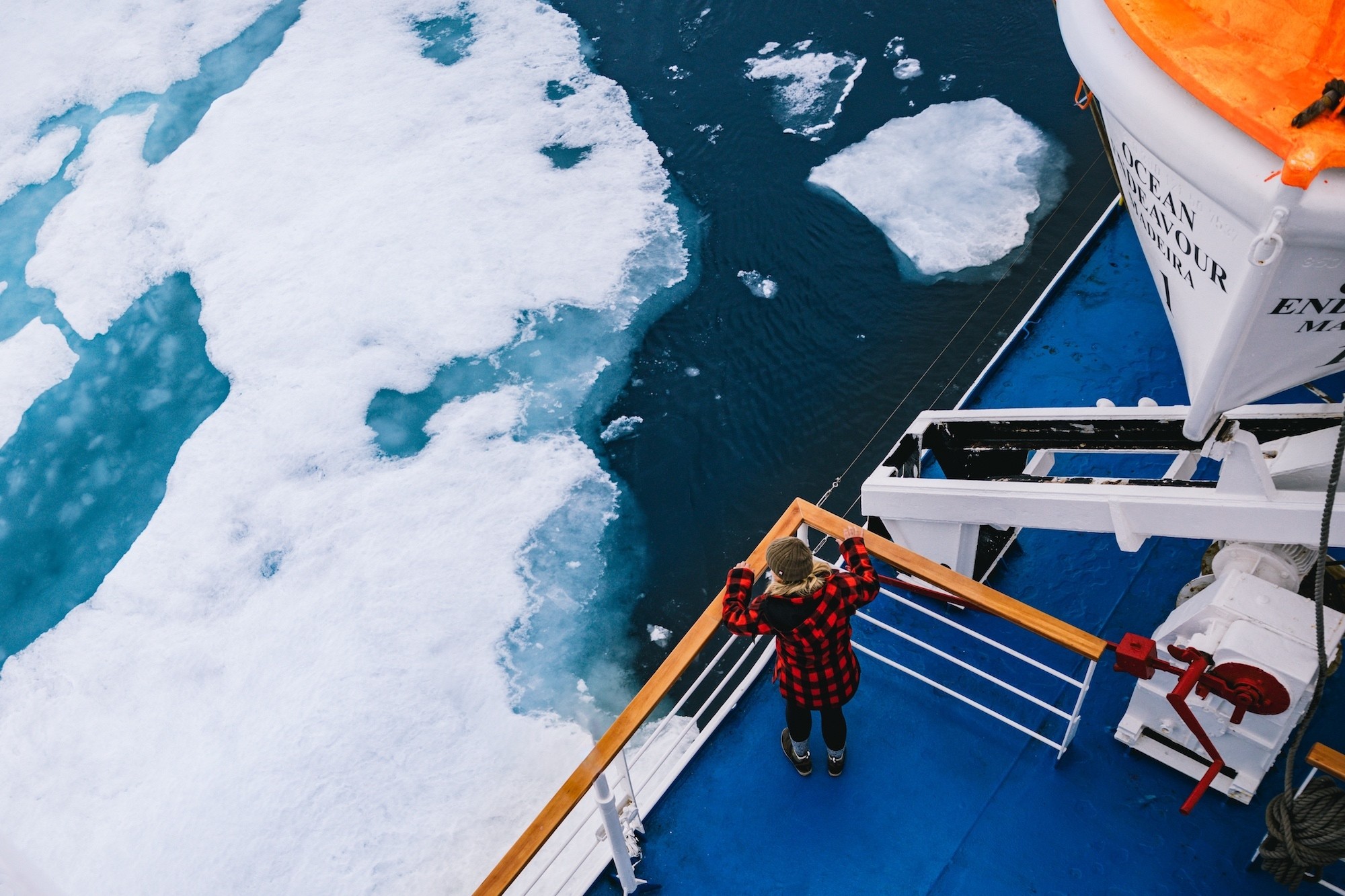
Visiting the Earth’s high-latitude regions presents unique logistical hurdles that differentiate polar tourism from conventional international travel. The Arctic and Antarctica remain largely inaccessible for the majority of the calendar year due to extreme weather conditions, shifting pack ice, and sub-zero temperatures. Sea ice effectively seals off vast portions of the Arctic ocean basin, restricting maritime access to a narrow window of several weeks during the peak of the summer months.
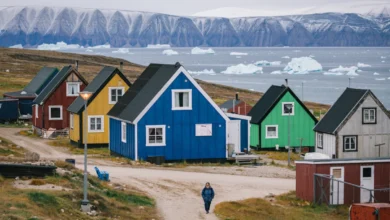
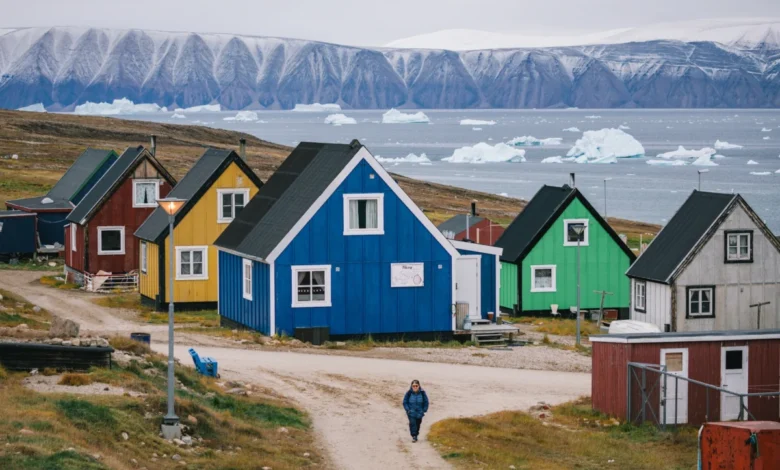
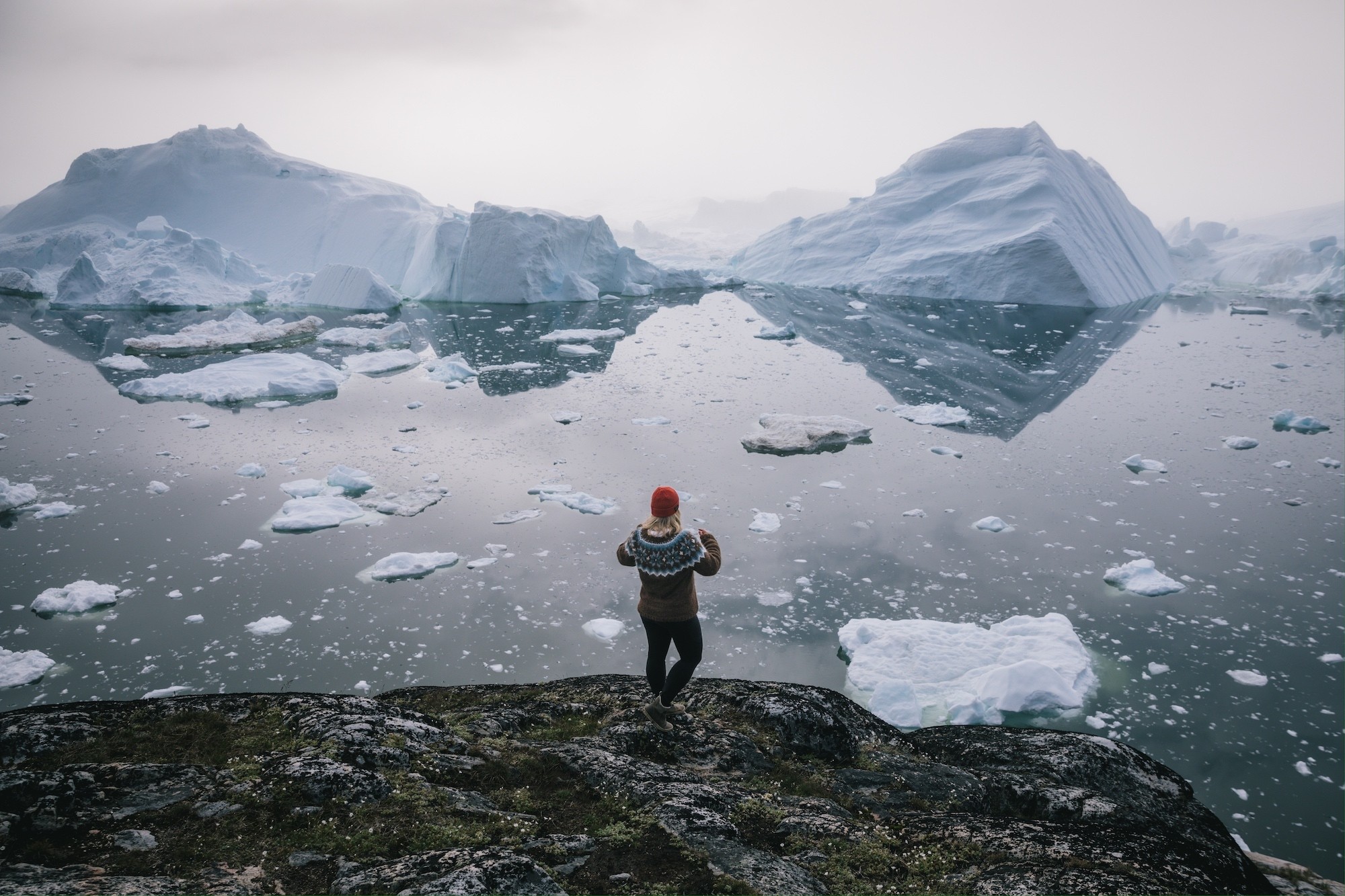
Consequently, expedition cruising has emerged as the most efficient and reliable method for travelers to experience these remote environments. Utilizing reinforced expedition vessels equipped with Zodiac landing craft, passengers are able to navigate fjords, approach towering icebergs, and access isolated coastal settlements that have no connection to the global highway system. In the winter months, human mobility within these regions relies almost exclusively on specialized small aircraft, snowmobiles, and maritime transport.
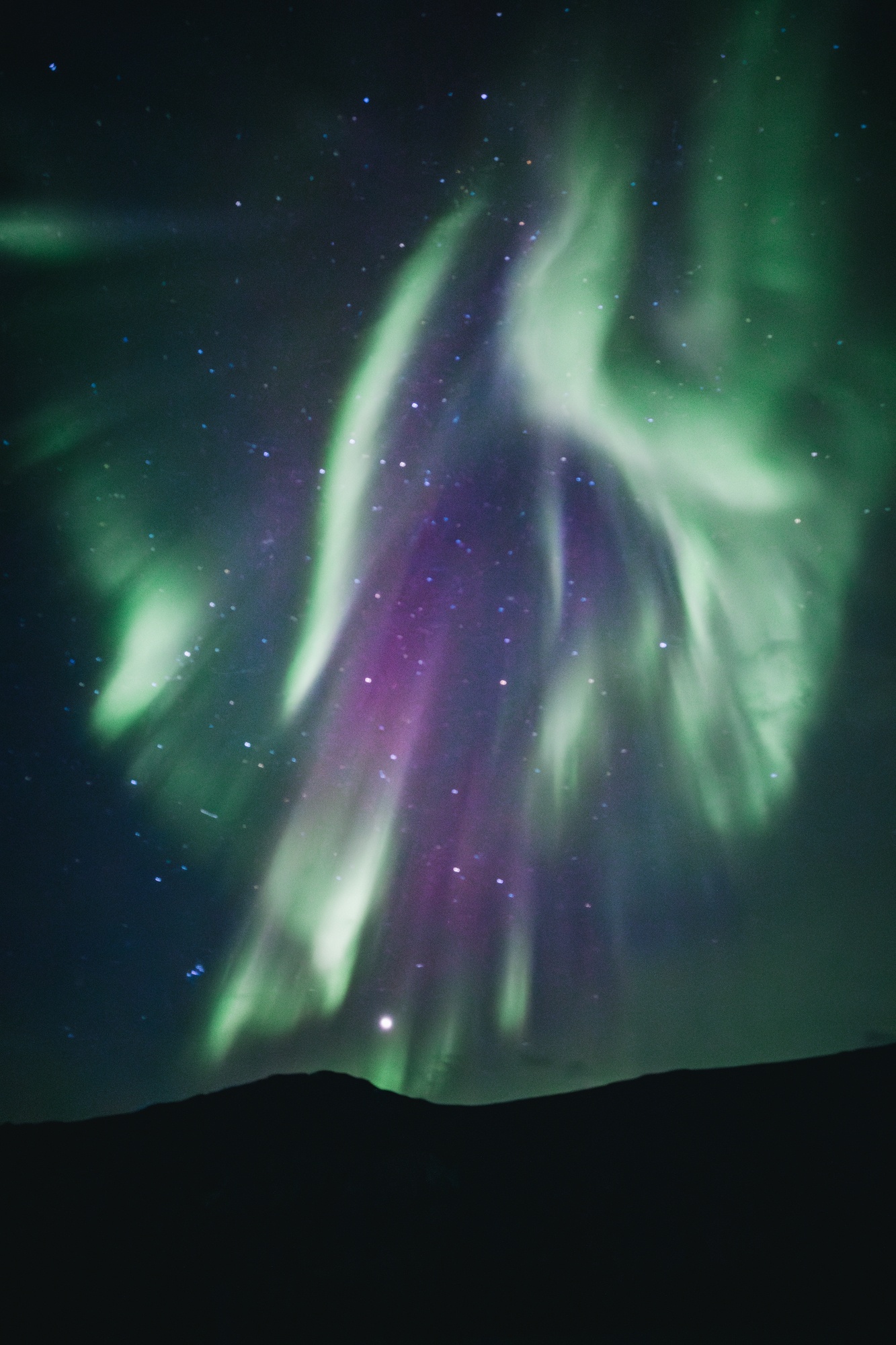
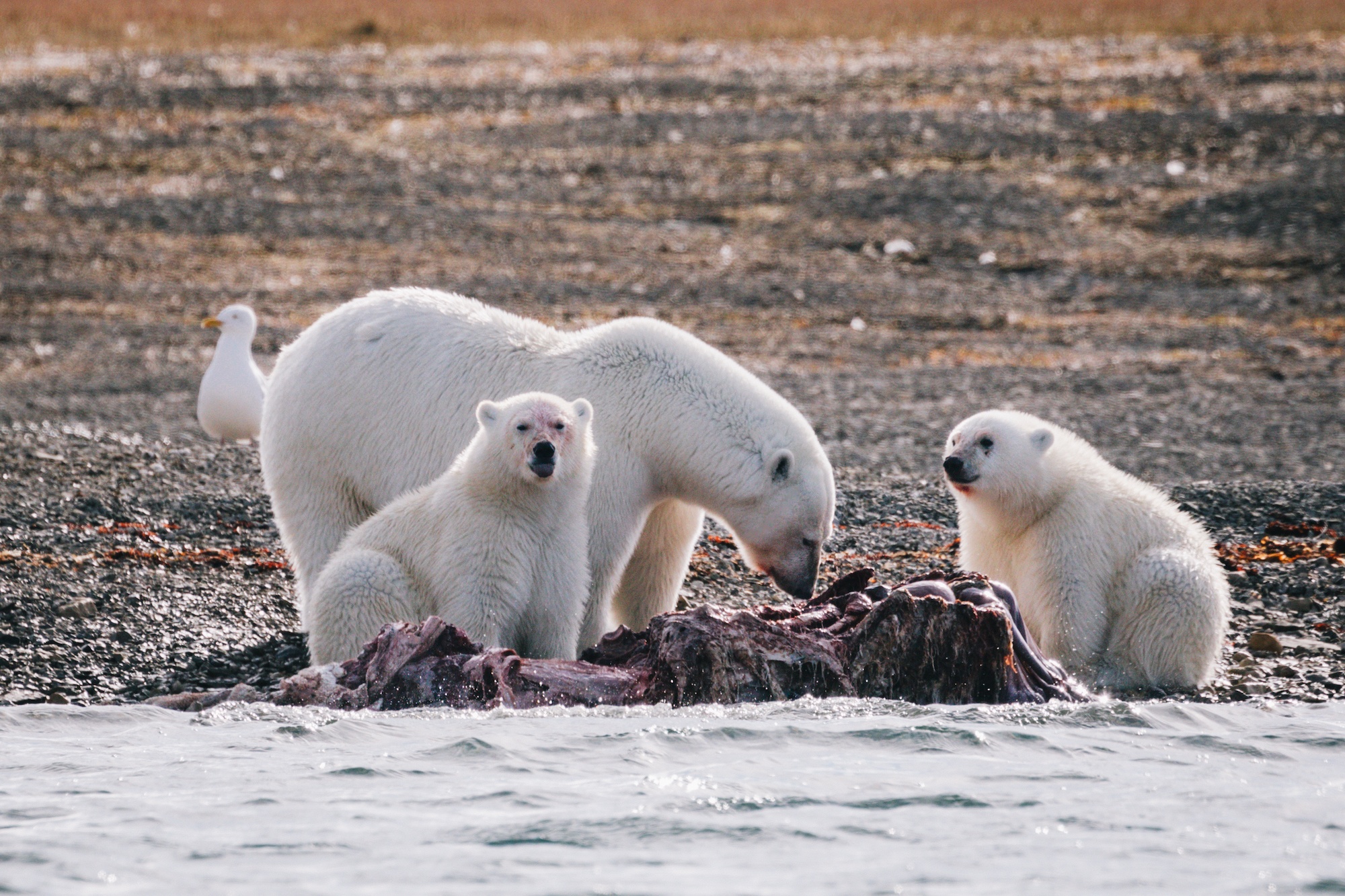
Despite the harsh conditions, the polar regions sustain a remarkably resilient and active ecosystem. Travelers frequently encounter marine mammals, including humpback, minke, and bowhead whales, alongside apex predators such as polar bears hunting along the retreating sea ice. Furthermore, these voyages routinely stop at remote Indigenous communities, offering cultural exchanges that highlight the rich history, art, and traditions of the Arctic’s original inhabitants.
Chronology of an Industry Pivot: From Blog to Bridge
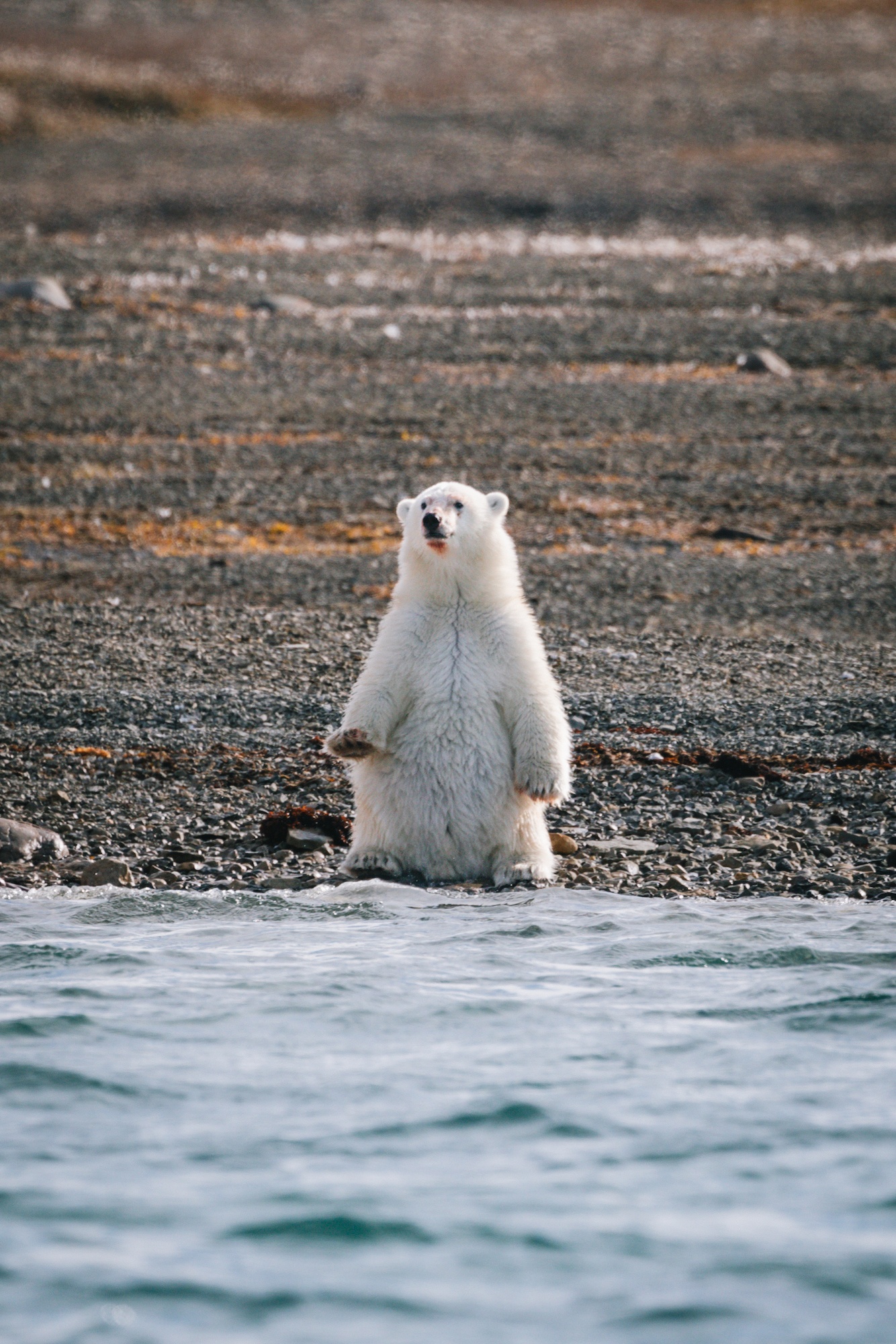
The shift toward specialized polar operations follows a distinct timeline shaped by global economic shifts and personal burnout within the digital creator community.
Between 2010 and 2020, the travel blogging industry experienced a rapid expansion, fueled by social media monetization and a global tourism boom. However, the onset of the COVID-19 pandemic in early 2020 abruptly halted international mobility, forcing travel creators to re-evaluate their business models. For many, the constant pressure of digital content creation—characterized by continuous algorithm updates, metric-driven competition, and superficial brand campaigns—resulted in acute creative fatigue.

In the years following the global reopening of borders, industry professionals began seeking deeper engagement with destinations rather than surface-level documentation. For Carlson, this realization manifested in formal training and deployment as a polar expedition guide. Spending upward of six months a year at sea, her work transitioned from observing from the periphery to actively managing safety protocols, driving Zodiac boats, interpreting wildlife behavior from the ship’s bridge, and educating passengers on glacial recession and local ecology.
By 2023 and 2024, this operational involvement expanded into a formalized partnership model with expedition operators like Adventure Canada. Rather than simply producing sponsored travel reviews, creators are increasingly adopting the role of specialized travel advisors. By leveraging their firsthand operational expertise, these figures act as boutique intermediaries who connect prospective travelers with high-latitude itineraries, earning referral commissions while retaining strict editorial control over their recommendations.
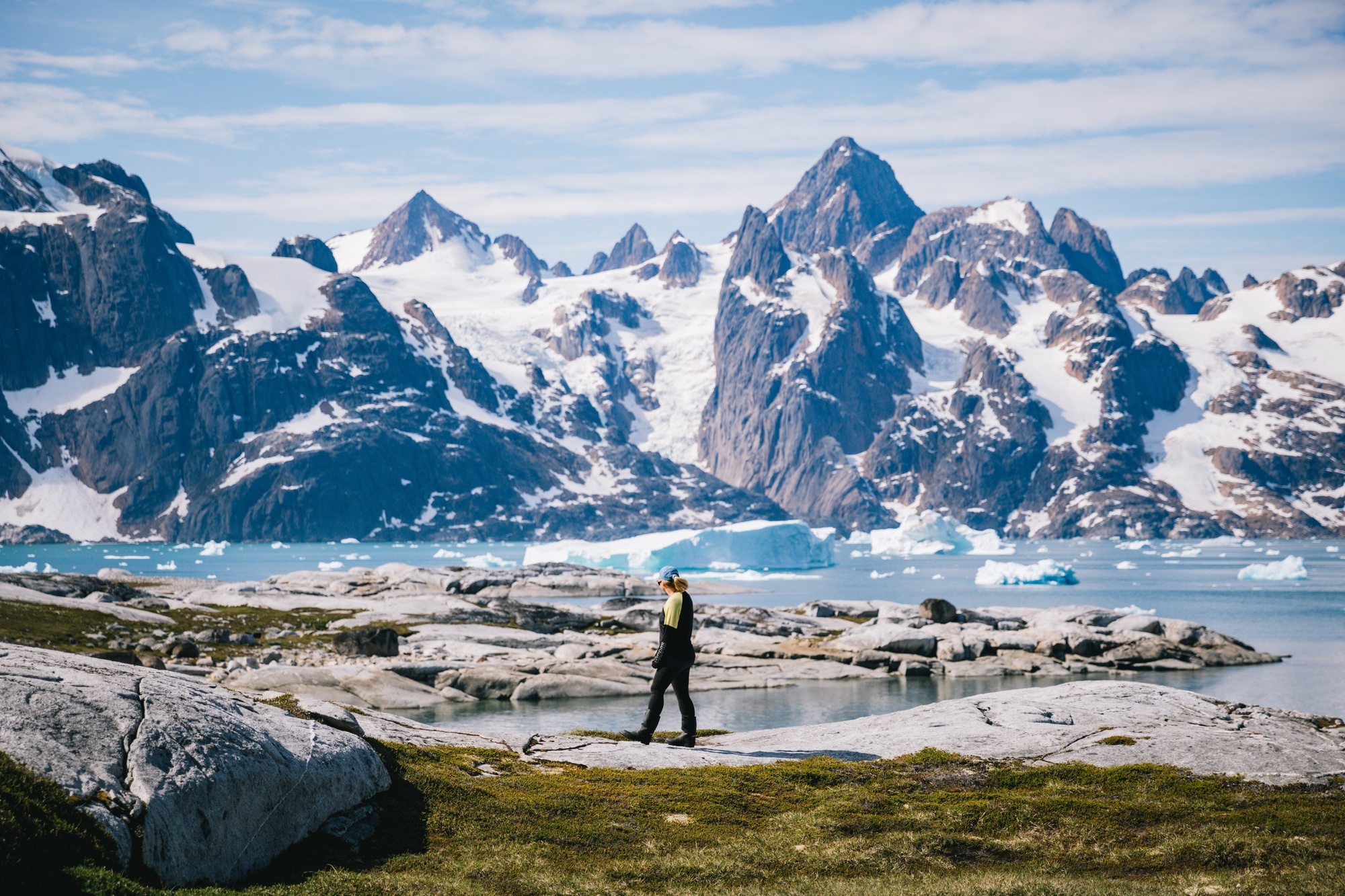
Industry Structure and the Appeal of Family-Run Expeditions
The operational success of modern Arctic tourism relies heavily on specialized cruise lines that prioritize institutional continuity over mass-market scale. Adventure Canada, a prominent operator in the Canadian Arctic and Greenland, exemplifies this model. Founded by a coalition of family members and close associates, the company maintains a familial corporate culture that directly influences passenger retention and staff loyalty.
Data from polar tourism operators indicates a remarkably high rate of repeat clientele, with many voyages reporting that approximately 50 percent of passengers have traveled with the operator previously. This high degree of customer loyalty is mirrored on the staffing side, where expedition guides, marine biologists, historians, and cultural interpreters frequently return season after season. This continuity creates a close-knit, camp-like environment on board the ships, fostering a sense of community that contrasts sharply with the isolated nature of traditional commercial cruising.
Environmental Implications and the Rise of the Polar Ambassador
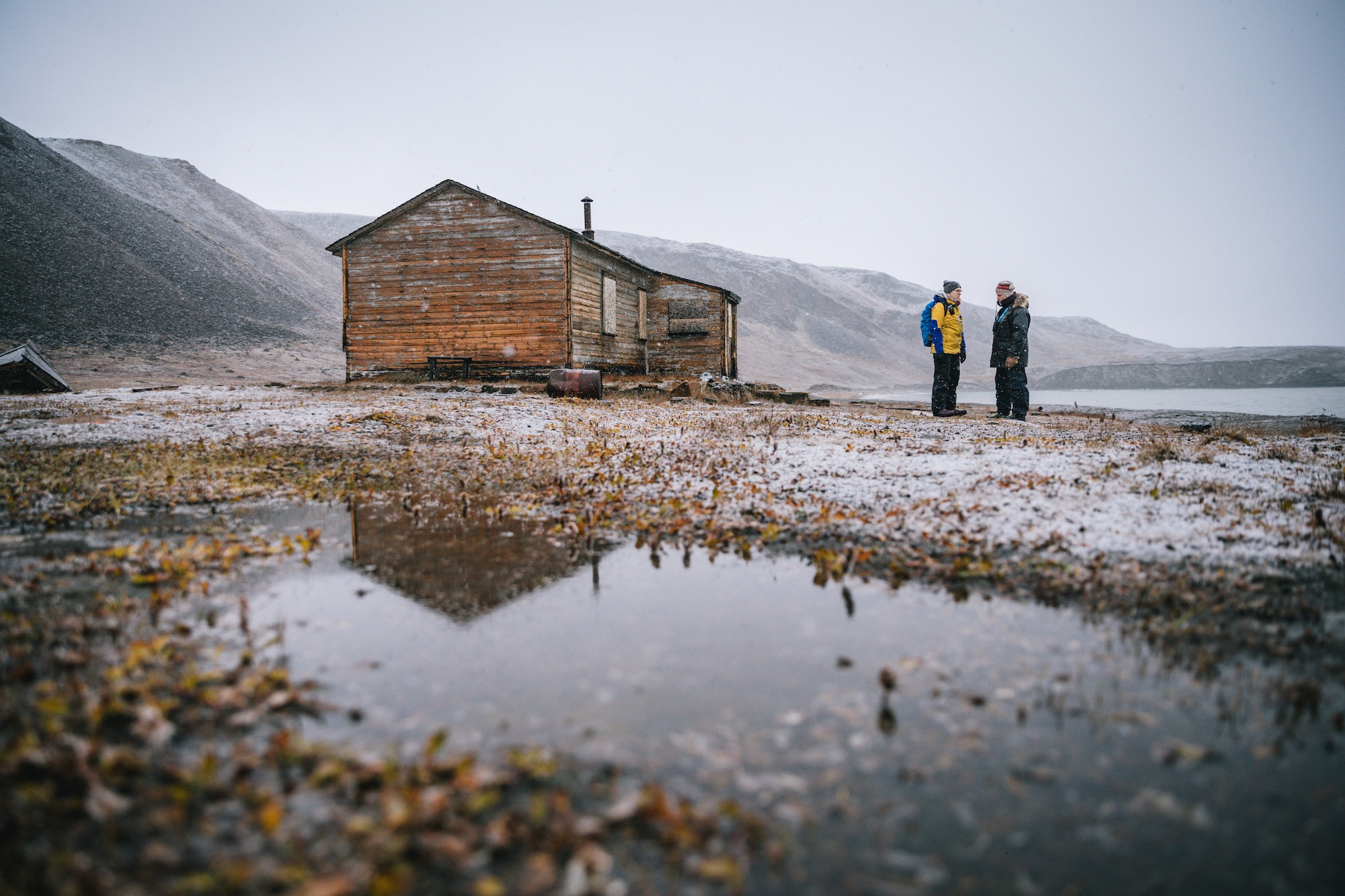
As interest in high-latitude travel grows, tourism boards and environmental watchdogs are closely monitoring the ecological footprint of expedition vessels in fragile polar ecosystems. Climate change has accelerated the melting of Arctic sea ice and glacial retreat, making previously impassable routes more accessible to commercial shipping while simultaneously threatening the natural habitats of ice-dependent species.
However, industry proponents argue that responsible, low-impact tourism plays a vital role in global conservation efforts. The underlying philosophy among expedition guides is that travelers who witness the impacts of climate change firsthand—observing retreating glaciers, thinning sea ice, and displaced wildlife—frequently transition into lifelong advocates and ambassadors for environmental protection.
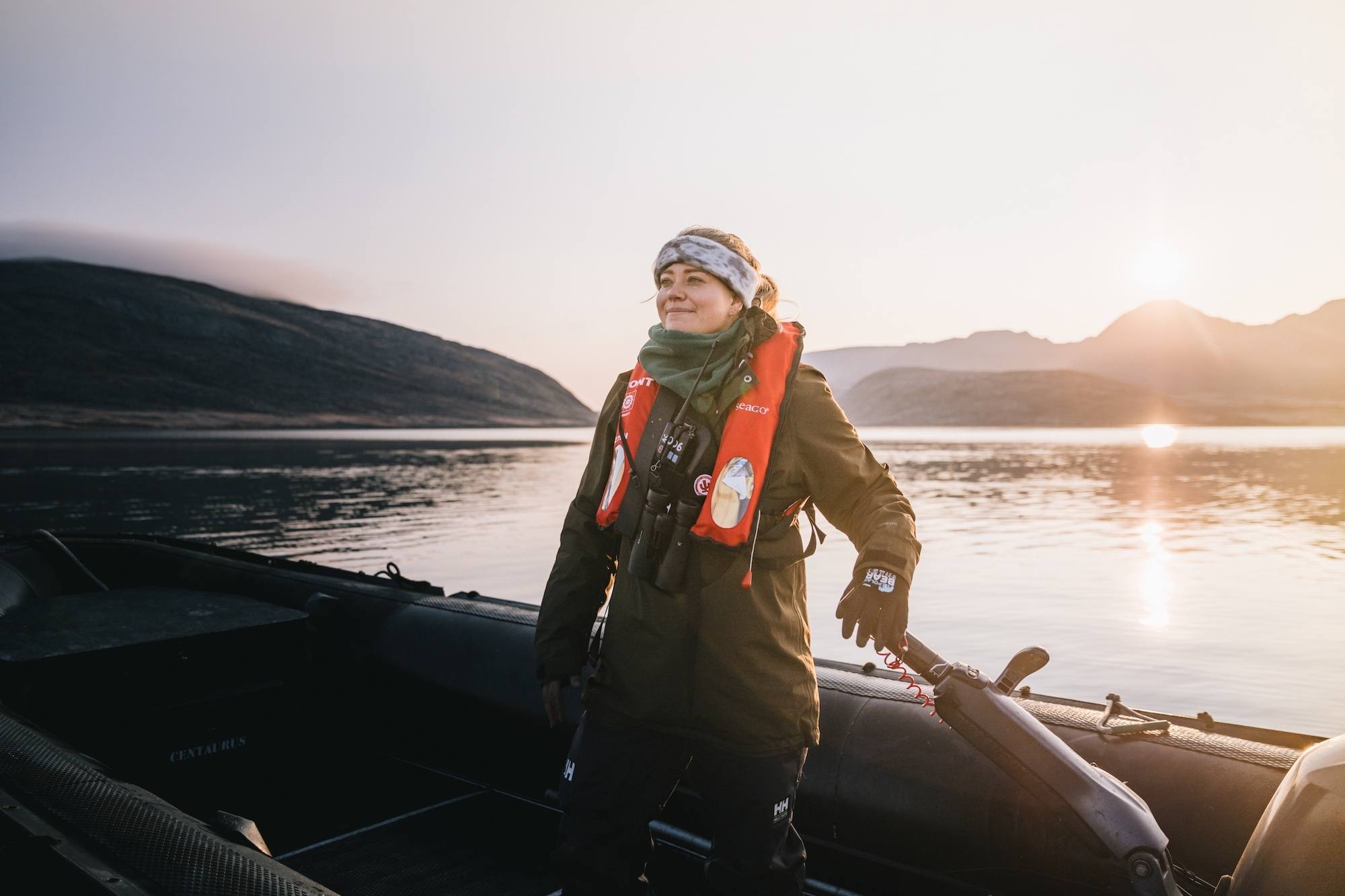
By operating under strict international guidelines, such as the Polar Code set by the International Maritime Organization (IMO), reputable expedition companies minimize waste, respect Indigenous territorial rights, and limit passenger numbers during shore landings to prevent habitat disruption.
Future Outlook for Content-Driven Travel Advisory
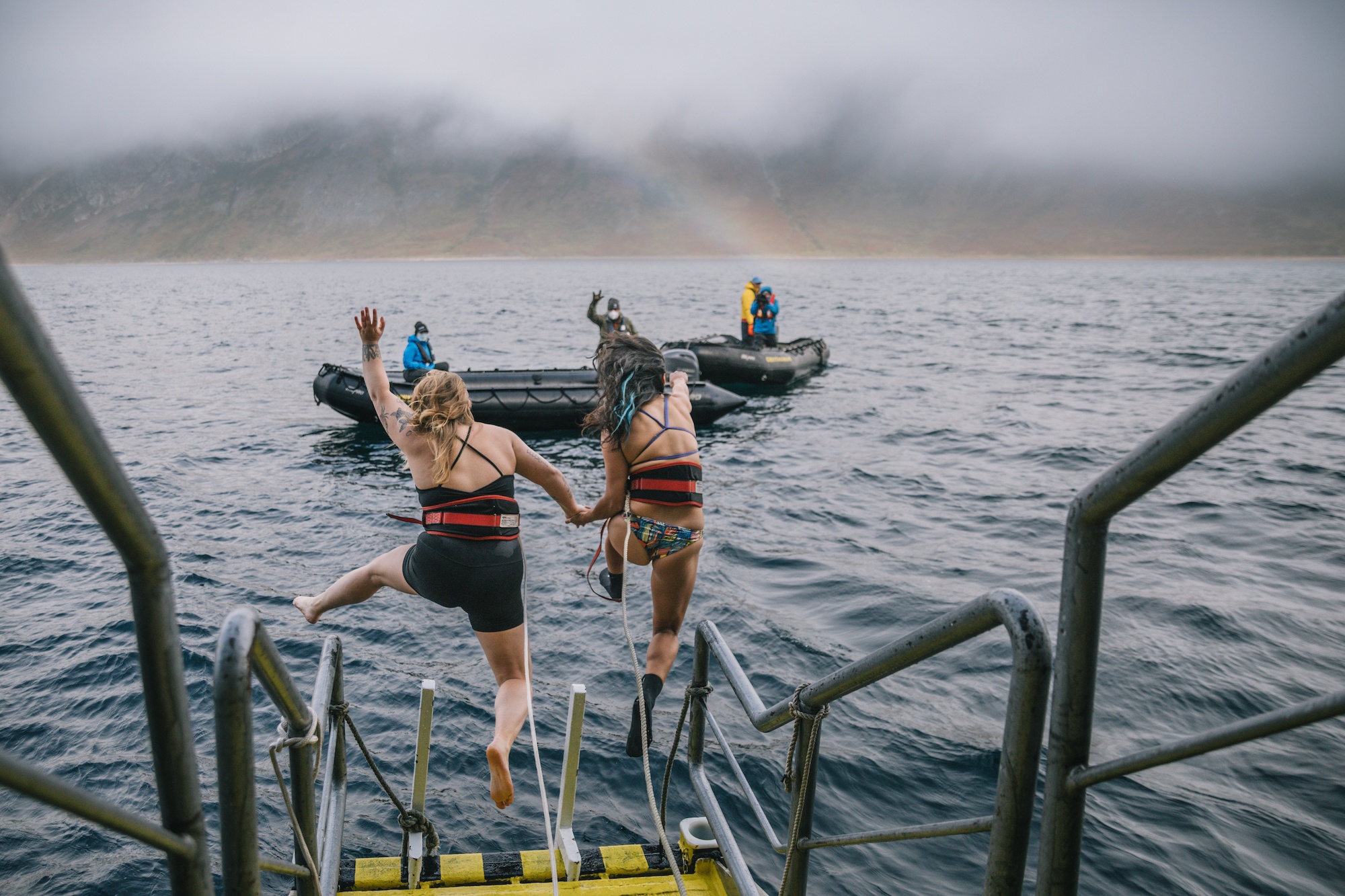
The integration of digital creators into the operational side of travel booking points toward a broader transformation in how high-ticket, specialized vacations are marketed and sold. Consumers are increasingly skeptical of traditional, automated travel agencies and generalized banner advertising. Instead, they seek out trusted individuals who possess granular, on-the-ground knowledge of complex destinations.
By formalizing referral and advisory services, creators are able to monetize their specialized expertise transparently. This model allows them to step away from the relentless demands of the attention economy while remaining financially sustainable. For the polar tourism sector, this evolution secures a steady influx of well-informed, highly motivated travelers who view their journeys not merely as vacations, but as immersive educational experiences.
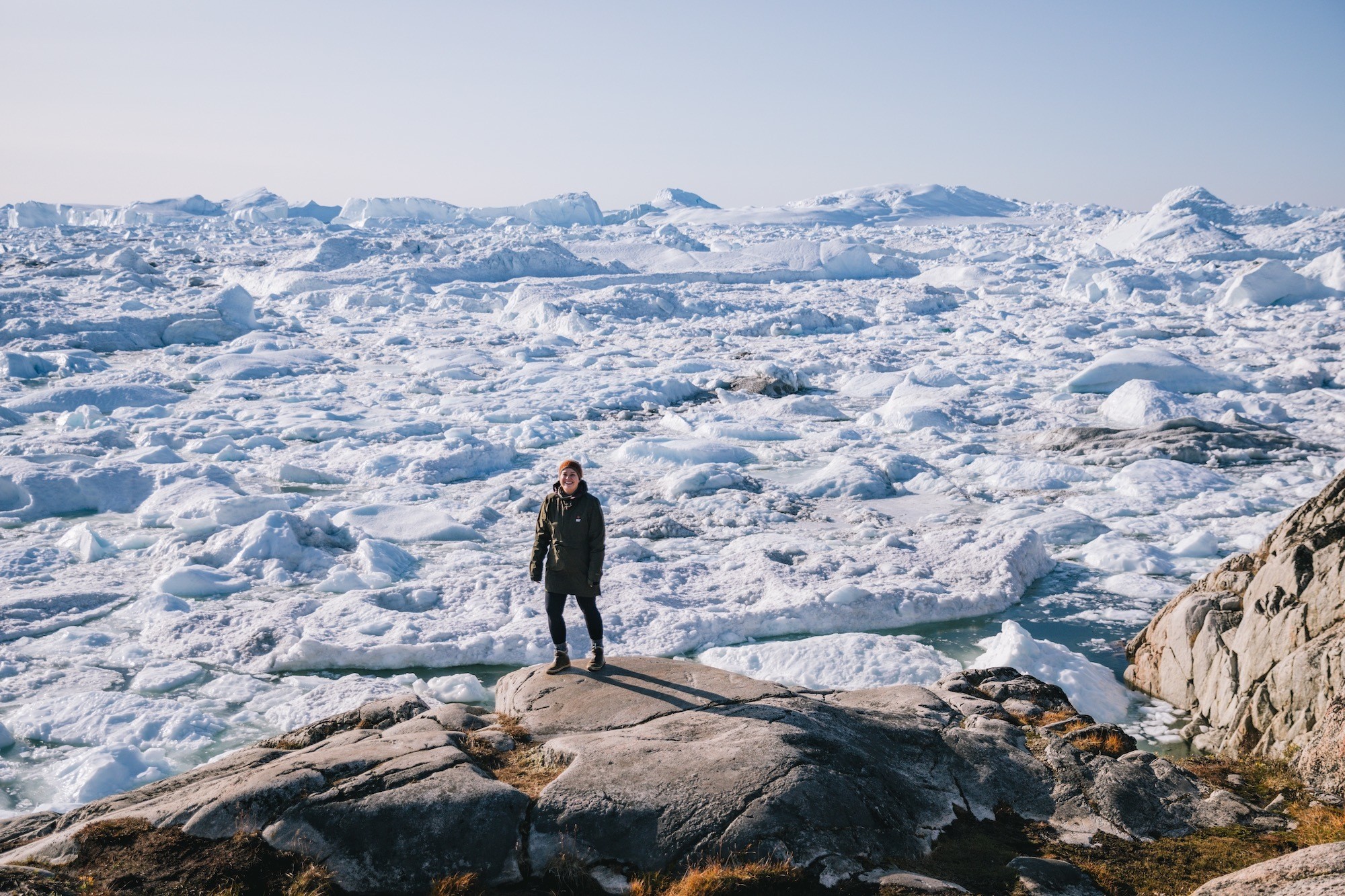
Ultimately, the convergence of digital media, expert expedition guiding, and high-latitude exploration demonstrates that the future of travel publishing lies in depth, authenticity, and direct participation. As the Arctic continues to undergo rapid environmental and economic transformations, the voices guiding travelers through its icy waters will play a critical role in shaping public awareness and global conservation priorities for decades to come.