The evolution of La Calavera Catrina from a biting piece of early 20th-century political satire to the undisputed global icon of Día de Muertos represents one of the most significant cultural transformations in modern Mexican history. Initially conceived by lithographer José Guadalupe Posada around 1910, the skeletal figure was a pointed critique of the Mexican elite who sought to emulate European aesthetics while distancing themselves from their Indigenous roots. Today, she stands as a profound symbol of the universality of death, a reminder of the inherent vanity of social status, and a cornerstone of the nation’s intangible cultural heritage.
The Satirical Origins of the Calavera
In the pre-revolutionary climate of early 20th-century Mexico, Posada utilized the medium of the broadsheet—inexpensive, mass-distributed prints—to communicate with a largely illiterate public. His creation, originally titled La Calavera Garbancera, featured a skeleton adorned in an ornate, feathered hat. The term "garbancera" was a derogatory label for Indigenous people who sold chickpeas (garbanzos) and attempted to pass as European, often donning fancy clothes and makeup to obscure their heritage.
Posada’s message was simple yet piercing: death is the great equalizer. Regardless of the wealth accumulated or the social posturing performed in life, the skeleton remains the common denominator. Dr. Helia Bonilla, founder of the Posada Art Foundation, emphasizes that the figure serves as a memento mori, a traditional artistic trope reminding observers of their mortality. "La Calavera Catrina is a modern satirical image and symbol reminding us that no matter how much money we might have or our station in life, it is vanity to believe that we are somehow immune to death," says Bonilla. This perspective encourages a philosophical approach to life, suggesting that awareness of one’s end should foster kindness and respect for others in the present.
Chronology of an Icon: From Satire to Cultural Pillar
The journey of the Catrina from a satirical cartoon to a national mascot spans over a century of artistic and political evolution:
- 1910–1913: José Guadalupe Posada creates the original etchings of La Calavera Garbancera, using the imagery to criticize the social inequality prevalent under the Porfirio Díaz regime.
- 1947: Diego Rivera immortalizes the figure in his mural, Sueño de una Tarde Dominical en la Alameda Central. By placing her in a grand, elegant dress and christening her "La Catrina," Rivera elevated her from a simple newspaper caricature to a symbol of Mexican identity.
- 1950s–1980s: The image of the Catrina begins to permeate popular culture, moving beyond print media into theater, film, and traditional Day of the Dead festivities.
- 2008: UNESCO designates the Indigenous festivity of Día de Muertos as an Intangible Cultural Heritage of Humanity, cementing the Catrina’s status as a global representative of the holiday.
- Present Day: The Catrina is now an omnipresent figure in folk art, fashion, and international tourism, with major parades and exhibitions dedicated to her likeness across Mexico.
Mesoamerican Roots and the Philosophy of the Milpa
To understand the Catrina, one must look further back than the 20th century. Dr. Andrés Medina Hernández, an anthropologist at the National Autonomous University of Mexico (UNAM), notes that Día de Muertos is firmly rooted in ancient Mesoamerican harvest rituals, such as Miccailhuitontli and Huey Miccailhuitl.
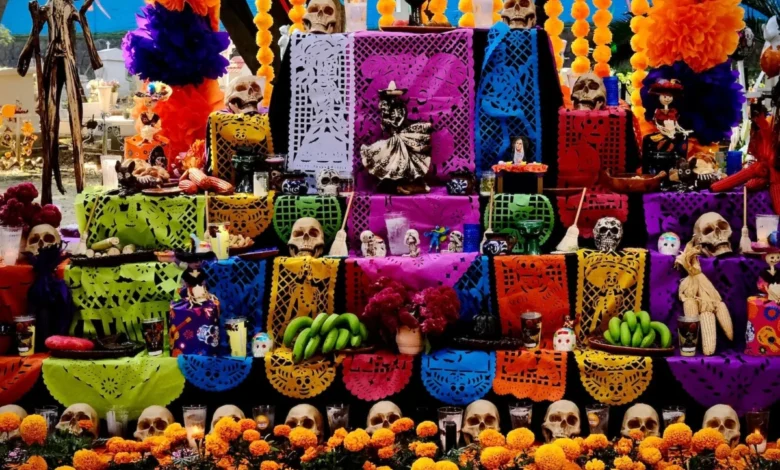
These traditions were fundamentally tied to the agricultural cycle of the milpa, the traditional Mesoamerican system of intercropping maize, beans, and squash. In this cosmology, death is not an end but a component of life’s continuity. "The fundamental reference point is the bones, which are considered the seed from which life emerges, exactly like maize itself," explains Medina Hernández. This connection explains the ubiquity of sugar skulls and bread shaped like bones; they are not merely macabre decorations, but symbols of regeneration and the cycle of the harvest.
The Rivera Influence: Incorporating the Ancestral
Diego Rivera’s 1947 mural was the catalyst for the Catrina’s modern visual complexity. By giving the skeleton a full body and placing her alongside himself, his wife Frida Kahlo, and Posada, Rivera synthesized Mexico’s colonial history with its Indigenous foundations.
Dr. Bonilla highlights that Rivera’s specific artistic choices—such as the feather boa that transforms into a rattlesnake—were intentional nods to the Aztec deity Quetzalcóatl, the Feathered Serpent. "The rattlesnake is known to cause death from its bite," Bonilla notes, pointing to the fangs and blood often depicted in more complex iterations of the Catrina. These additions effectively fused the European-style dress of the late Porfiriato era with the terrifying, sacred imagery of the pre-Hispanic pantheon, creating a character that represents the layered, often contradictory nature of Mexican identity.
Economic and Cultural Impact
The proliferation of the Catrina has had a measurable impact on Mexico’s cultural economy. In the town of Capula, Michoacán, the production of ceramic Catrina figures has become the backbone of the local economy. Artists like the late Juan Torres Calderón and his successors have turned the village into a pilgrimage site for collectors of folk art. The annual Feria de la Catrina draws thousands of visitors, transforming the town into an open-air museum of monumental sculptures.
Similarly, in San Miguel de Allende, the Desfile de Muertos y Catrinas has become a major tourist draw. The integration of high-end hotel workshops and professional makeup sessions reflects a modern "premiumization" of the tradition. While purists occasionally debate the commercialization of the figure, anthropologists argue that these adaptations are merely the latest evolution of a living tradition. As Medina Hernández observes, "The elements that accompany La Catrina refer to a thousand-year-old history that is reactivated and enriched every time the Festival of the Dead is celebrated."
Key Sites for Engagement
For those seeking to understand the historical and artistic trajectory of La Catrina, several institutions offer critical insights:
- Museo Mural Diego Rivera (Mexico City): Houses the definitive mural that launched the Catrina into the national consciousness. Specialists here can provide essential context regarding the political climate of the late 1940s.
- Museo José Guadalupe Posada (Aguascalientes): Located in the birthplace of the artist, this museum provides access to the original printing plates and broadsheets, offering an unfiltered look at the source material of the Catrina.
- Museo Nacional de la Muerte (Aguascalientes): A comprehensive exploration of how death is conceptualized across different historical eras in Mexico, providing the necessary depth to interpret the skeleton as a cultural symbol rather than just a costume.
- Museo de Arte Popular (Mexico City): Focuses on the "Sala de la Muerte," where folk art representations of the Catrina illustrate the ongoing, organic evolution of the character in contemporary society.
Broader Implications and Future Trajectory
The Catrina has transcended her origins as a satirical jab at social climbers to become a vehicle for collective memory. Her prevalence in global media—from Disney-Pixar’s Coco to high-fashion runways—suggests that her appeal is rooted in a universal human need to process mortality with color, irony, and community.
However, this global visibility brings the challenge of cultural preservation. As the image becomes more stylized and detached from the agricultural and political contexts of its birth, experts emphasize the importance of retaining the connection to the milpa and the ritualistic aspects of the ofrenda. Whether viewed as a piece of sociopolitical commentary or a sacred icon of ancestral respect, La Catrina remains a vibrant, evolving presence, continuously reshaped by each generation that chooses to wear her face and walk in her shoes. Her legacy serves as a testament to the resilience of Mexican culture, proving that even the most fleeting satire can eventually become the eternal face of a nation.