Comprehensive Travel Guide: Navigating the Vital Corridor Between Brașov and Bucharest

The strategic transport corridor connecting the vibrant Romanian capital of Bucharest to the historic Transylvanian mountain city of Brașov has emerged as one of the most heavily trafficked tourist and economic routes in Eastern Europe. Spanning approximately 170 kilometers through the dramatic landscapes of the Carpathian Mountains, this vital artery links Romania’s primary international hub with its most prominent cultural and natural tourism hotspots. As international tourism to Romania accelerates—driven by heightened interest in the country’s medieval architecture, UNESCO-listed heritage sites, and alpine geography—understanding the logistics of traveling between Bucharest and Brașov has become essential for both independent travelers and regional transit planners.
Geographical Context and Route Dynamics
Separated by roughly 170 kilometers (105 miles), the journey between Bucharest and Brașov typically demands a transit time of 2.5 to 3 hours under optimal conditions. However, because the route cuts through rugged terrain via single-carriageway mountain passes, transit times are notoriously volatile. Traffic congestion, particularly around weekend peaks, national holidays, and seasonal shifts, can easily extend travel durations by an additional one to two hours.
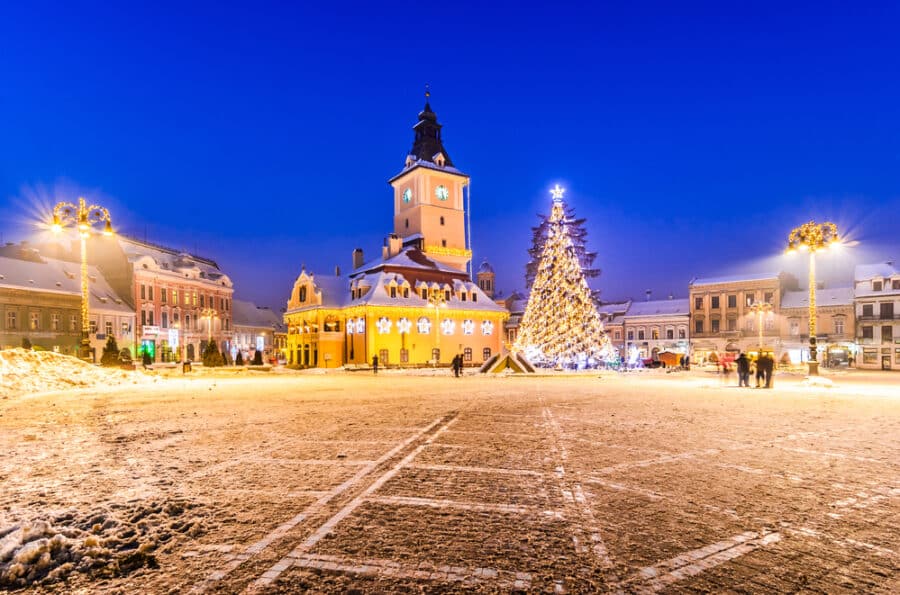
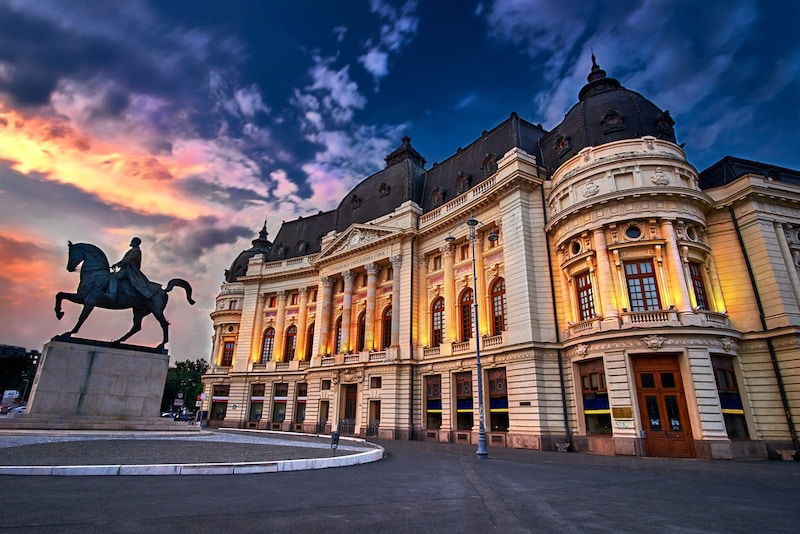
The corridor serves as a microcosm of Romania’s broader infrastructural challenges and developmental triumphs. Bucharest acts as the nation’s premier metropolitan center, featuring landmarks such as the sprawling Palatul Parlamentului (Palace of the Parliament) and the historic Curtea Veche Palace—once the seat of Vlad the Impaler. Conversely, Brașov sits nestled in the shadow of the Southern Carpathians, functioning as the gateway to Transylvania. The stark contrast between the urban density of the capital and the alpine majesty of Brașov underpins the corridor’s popularity, making seamless connectivity between the two points a priority for national tourism boards and regional transit authorities.
Rail Transit: The Backbone of Intercity Commuting

For decades, the rail network operated by the national carrier CFR Călători has served as the backbone of passenger mobility between Bucharest and Brașov. Offering frequent daily departures originating primarily from Bucharest North Railway Station (Gara de Nord), the train remains the most reliable method for bypassing the notorious highway bottlenecks of the Prahova Valley.
Modernized rolling stock on key intercity routes provides a comfortable passenger experience, featuring standardized seating classes and panoramic windows designed to showcase the dramatic transition from the Wallachian plains to the alpine peaks of Brașov. Industry analysts note that rail travel offers a predictable timetable, largely insulating passengers from the unpredictable weather and heavy vehicular congestion that plague regional roadways during the winter ski season and summer peak months. Tickets can be secured seamlessly through the official CFR Călători digital portal, ensuring accessibility for international travelers prior to their arrival in Romania.
Highway Transit: Navigating the Prahova Valley by Car and Bus
While rail infrastructure remains dependable, a significant portion of travelers opt for road-based transit via private automobile, rental vehicles, or intercity bus services. Driving along the European route E60 provides unmatched flexibility, allowing motorists to dictate their own schedules and access remote cultural sites that are inaccessible by train.
However, transport authorities frequently issue advisories regarding the challenges of driving through the Carpathian passes. The route relies heavily on narrow, winding single-carriageway roads that are highly susceptible to gridlock during peak periods. Consequently, travel industry experts strongly recommend avoiding weekend travel windows to prevent extended delays in traffic. For international visitors renting vehicles, strict regulatory compliance is mandatory; drivers must carry a valid domestic license alongside an International Driving Permit (IDP), comprehensive vehicle insurance documentation, and passport verification.
For those seeking the autonomy of road travel without navigating themselves, private transfer services—such as door-to-door providers offering local English-speaking drivers—have grown significantly in market share. These services bridge the gap between rigid bus schedules and the responsibilities of self-driving, enabling customized itineraries that incorporate regional sightseeing. Conversely, while intercity buses operate regularly along the corridor, they remain subject to the same meteorological and traffic vulnerabilities as private automobiles, with added considerations for passengers prone to motion sickness induced by the winding mountain terrain.
Economic and Tourism Implications of the Corridor
The continuous flow of visitors between Bucharest and Brașov plays a critical role in Romania’s broader economic development strategy, particularly within the hospitality, retail, and cultural preservation sectors. The corridor functions as a linear museum of Romanian history, punctuated by world-renowned landmarks that attract hundreds of thousands of international visitors annually.
Key attractions along or immediately adjacent to the transit route include:
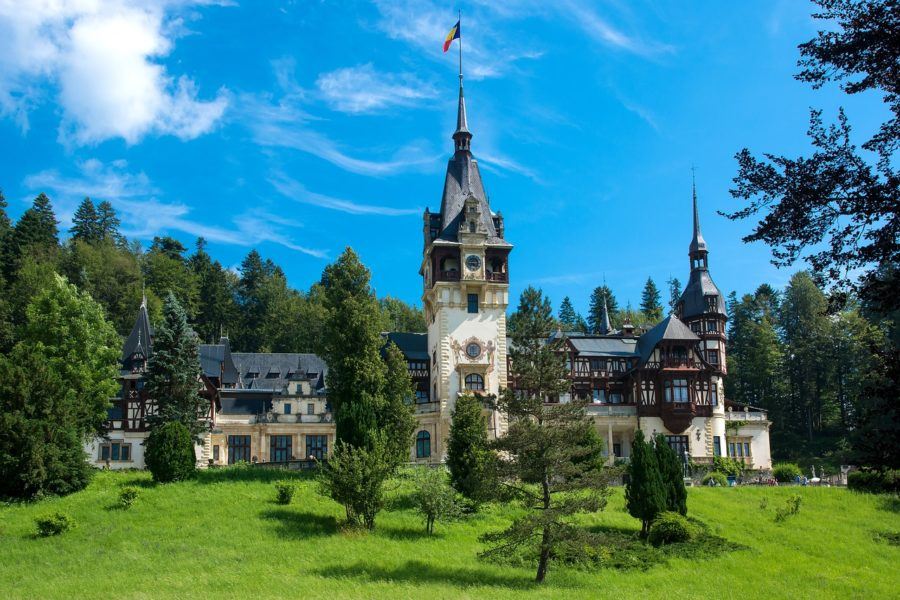
- Sinaia and Peles Castle: A neo-Renaissance masterpiece nestled in the mountains, serving as a former royal residence.
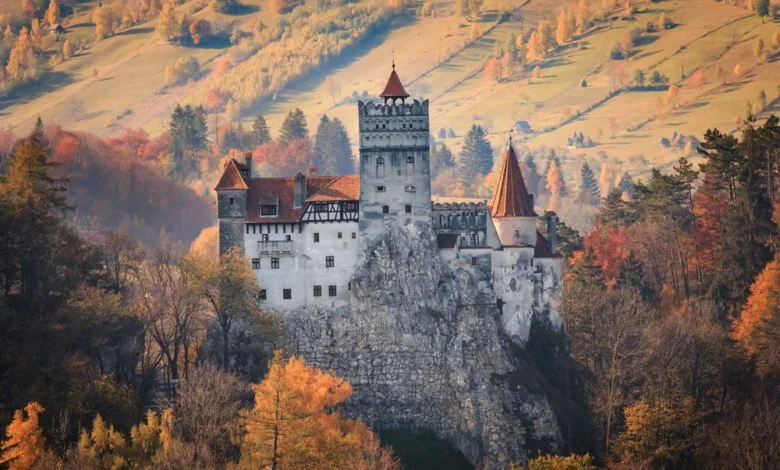
- Bran Castle: Globally marketed as "Dracula’s Castle," drawing substantial tourist revenue to Brașov County.
- Râșnov Citadel: A 13th-century fortification perched high above the surrounding plateau, highlighting medieval defensive architecture.
Local municipal governments and regional tourism associations have increasingly invested in infrastructural improvements to support this influx. Enhanced parking facilities, restored historical facades, and improved digital wayfinding systems along the route reflect a concerted effort to maximize the economic yield of transit tourism while mitigating environmental pressures on fragile alpine ecosystems.
Strategic Analysis and Future Outlook
As Romania continues to integrate deeper into European transport frameworks, the modernization of the Bucharest-Brașov corridor remains a subject of ongoing policy debate. While current transit options—spanning rail, bus, and private automotive hire—adequately serve the immediate demands of travelers, regional planners emphasize the long-term necessity of dedicated highway expansions and high-speed rail feasibility studies.
For the modern traveler, navigating between Bucharest and Brașov ultimately requires a balancing act between time management, budgetary constraints, and experiential desires. Whether choosing the scenic predictability of the national railway, the flexibility of a self-drive road trip through the Carpathian passes, or the curated comfort of a private transfer, understanding the logistical realities of this historic route ensures a seamless traversal of Romania’s most captivating cultural landscape.