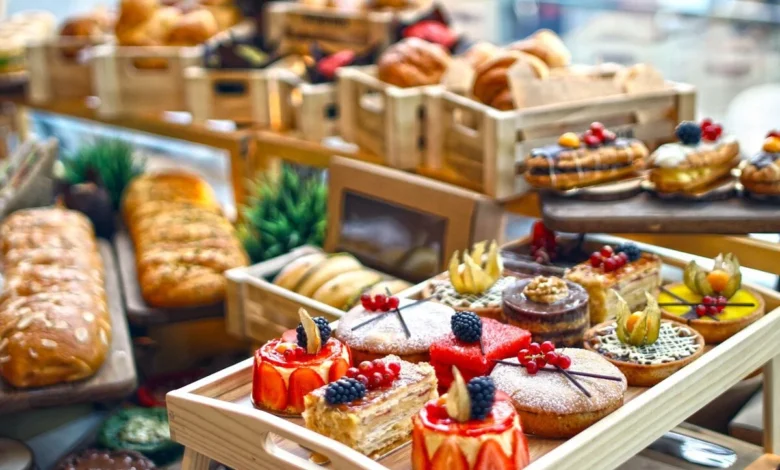
Barcelona’s gastronomic identity is globally celebrated for its avant-garde culinary scene and Michelin-starred establishments, yet the city’s true cultural heartbeat often resonates quietly behind the glass display cases of its historic pastry shops. These multi-generational bakeries and confiterías have spent centuries quietly anchoring neighborhood life, preserving centuries-old recipes, and serving as edible archives of Catalan history. Spanning from the early 19th century to the interwar period, these surviving institutions offer locals and travelers alike a tangible connection to Barcelona’s socio-cultural evolution.
The Evolution of Catalan Confectionery: From Guilds to Modern Masterpieces
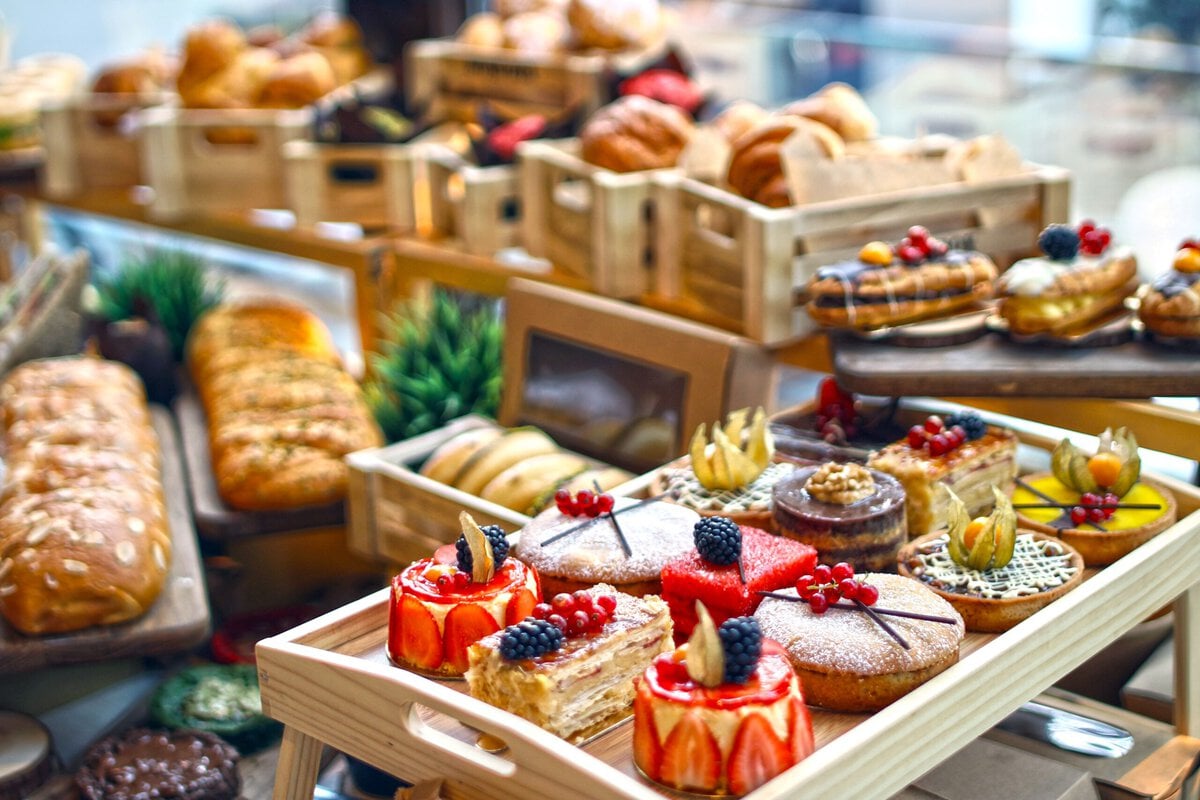
The history of Barcelona’s historic bakeries is deeply intertwined with the city’s urban expansion and shifting economic tides. In the 19th century, confectionery production transitioned from strictly regulated guild workshops to commercial storefronts that catered to a growing urban bourgeoisie. Establishments like La Estrella, founded in 1825, and La Colmena, established in the mid-19th century, emerged during an era when sugar was becoming more accessible and baking was evolving into a refined culinary art.
Unlike modern franchise cafes that prioritize rapid turnover, these legacy institutions maintained deep roots in their specific neighborhoods, weathering political upheavals, the Spanish Civil War, and the pressures of modern mass tourism. Many of these shops have survived through direct family lineages, passing trade secrets, sourdough starters, and historical equipment from grandparents to grandchildren. Others have successfully transitioned to new ownership under the strict condition that original recipes, vintage marble counters, and ornate wooden interiors remain untouched. This dedication to preservation transforms a simple morning coffee and pastry into an immersive historical experience.
A Chronological Guide to Barcelona’s Historic Pastry Shops
1. La Estrella (Founded 1825)
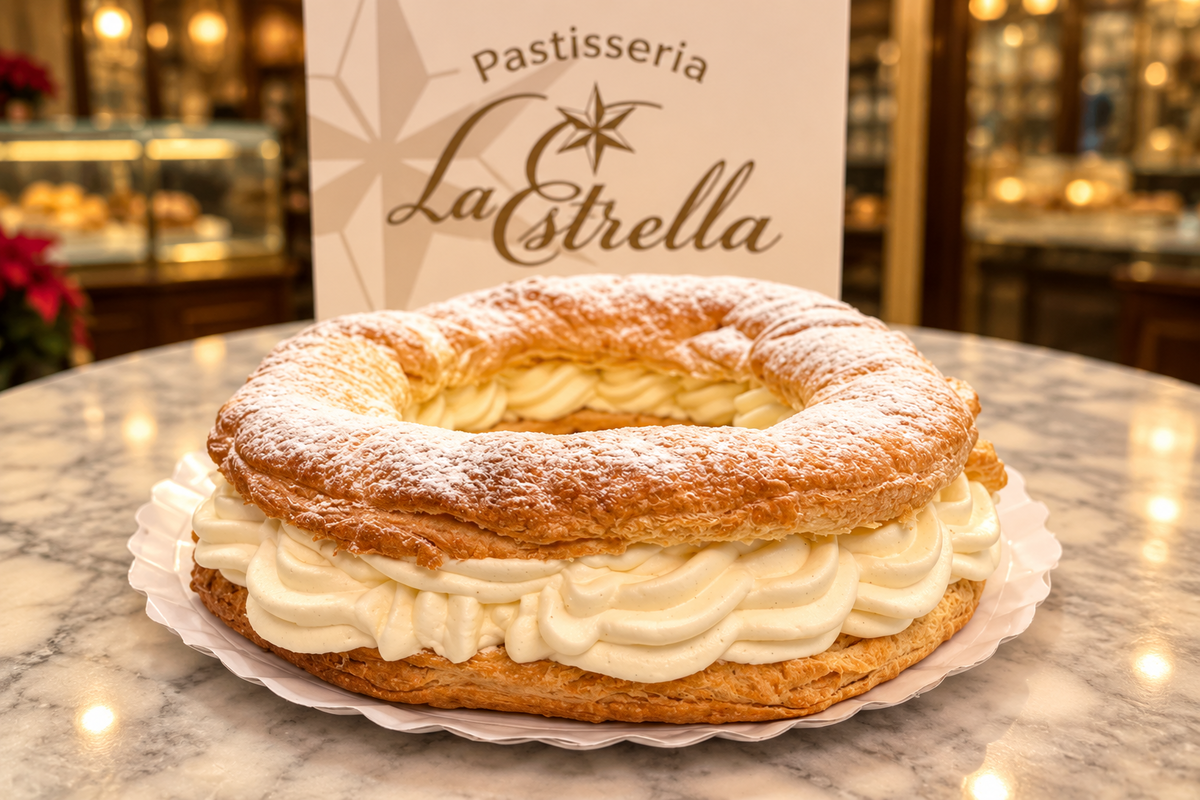
Holding the title of the oldest operating pastry shop in Barcelona, La Estrella has witnessed two centuries of urban change from its location on Carrer Nou de la Rambla. Situated in the historic Ciutat Vella district on the edge of the Raval, the shop has served generations of residents navigating the changing rhythms of the old town. While the interior received a tasteful art deco-era renovation in the 1950s, the establishment retains a distinctly frozen-in-time ambiance. Marking its bicentennial, the bakery was recently acquired by young entrepreneurs Anna Campos and Judit Servent, who committed to utilizing the original ovens to maintain the historic flavor profile of the house specialties.
2. La Colmena (Founded 1849)
Originally operating under the name Ca l’Abella—meaning "the bee’s house"—this iconic establishment was purchased by the Costa family in 1868 and rechristened La Colmena ("the beehive"). Since 1927, the Roig family has managed the storefront on Plaça de l’Àngel, perfectly positioned on the perimeter of the Gothic Quarter. La Colmena is internationally renowned for its handmade candies and traditional sweets, most notably the bolado. Crafted according to a recipe more than a century old, these hard-boiled sweets are produced in heritage flavors including fennel, pomegranate, toffee, and honey.
3. Foix de Sarrià (Founded 1886)
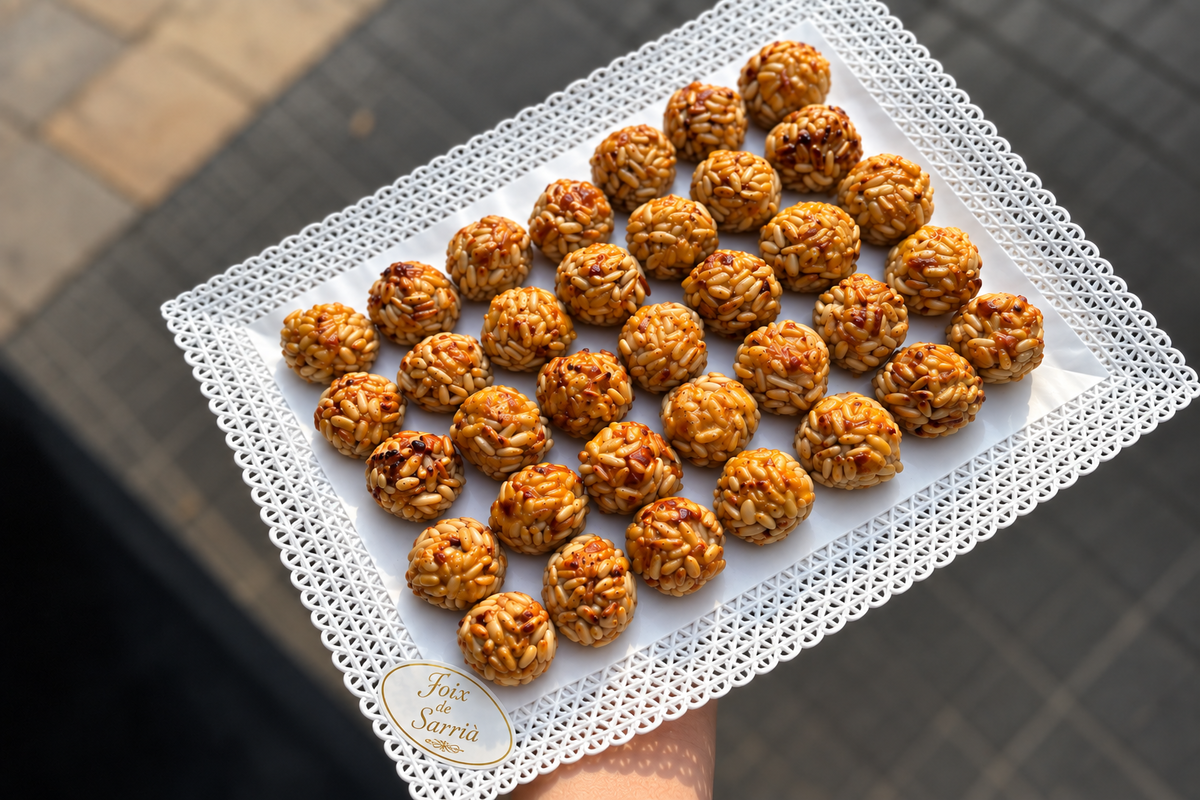
Founded by pastry chefs Josep Foix Ribera and his wife in what was then an independent agricultural village outside Barcelona, Foix bridges the worlds of high-end confectionery and Catalan literature. The shop achieved cultural renown largely due to the couple’s son, J. V. Foix, who emerged as one of the 20th century’s most significant Catalan poets while actively working in the family business. Located directly across from the Church of Sant Vicenç de Sarrià in the upscale neighborhood of Sarrià-Sant Gervasi, the shop maintains its historic charm, complete with a bronze bust of the poet frequently adorned with a fresh red rose.
4. Casa Vives (Founded 1895)
Established in the working-class Sants district by a family of professional bakers, Casa Vives has remained under continuous family stewardship for four generations. Currently led by Miquel Vives, the business has expanded to include a prominent branch on Rambla de Catalunya in the Eixample district. The house is celebrated for its professional approach to traditional Catalan celebration items, fine chocolates, and classic pastries, earning it a permanent fixture in the collective memory of longtime residents.
5. Escribà (Founded 1906)
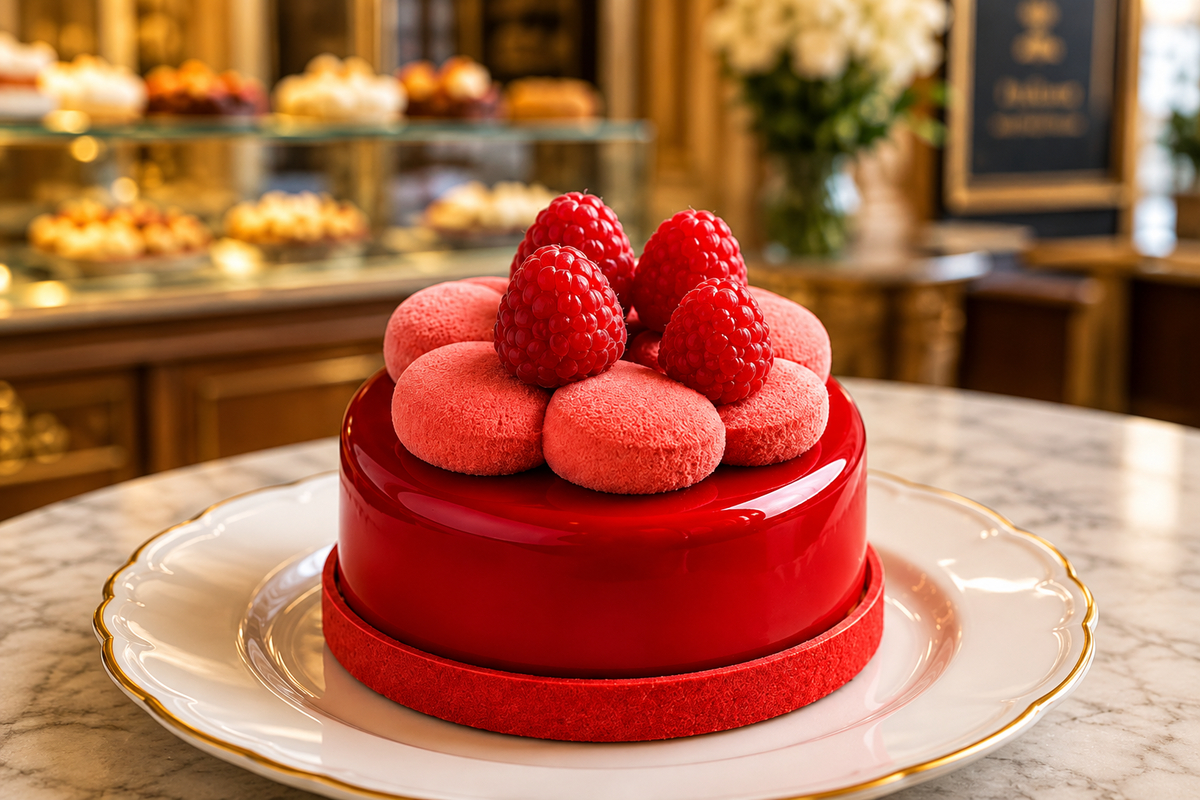
Originally opening its doors as Forn Serra on Gran Via de les Corts Catalanes, Escribà eventually transformed into one of Spain’s most innovative pastry institutions under the visionary leadership of Antoni Escribà, affectionately dubbed the "magician of chocolate." Recognized globally as a pioneer of modern Spanish pastry arts, Escribà successfully merged classical technique with sculptural creativity. Today, the family operates a second location on La Rambla inside the stunning modernist Antiga Casa Figueras building, where the intricate tilework and mosaics rival the artistry of the pastries within.
6. Mauri (Founded 1929)
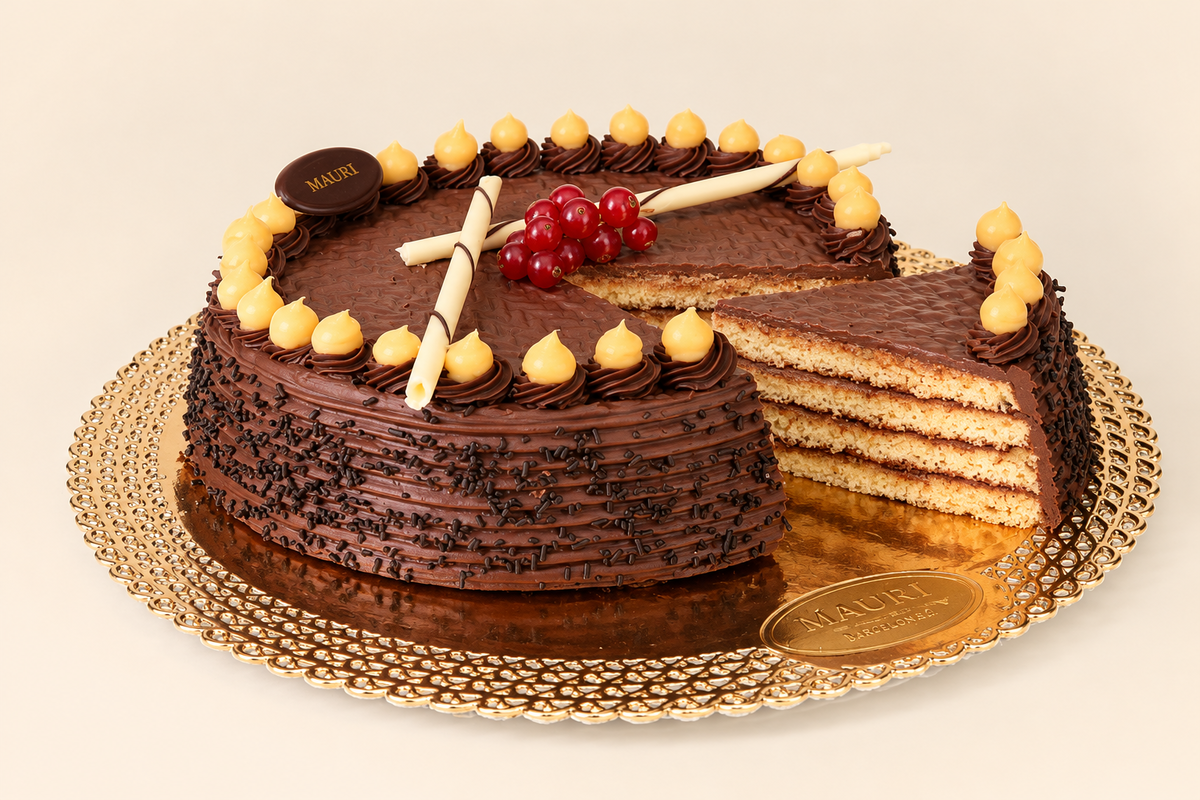
Representing the youngest generation of Barcelona’s century-old establishments, Mauri was founded when pastry chef Francesc Mauri acquired a traditional grocery store at the corner of Rambla de Catalunya and Carrer de Provença. In an era when mixed-use retail spaces were standard, Mauri gradually transitioned from a delicatessen into a premier pastry shop and tearoom, adding a dedicated tasting salon in 1969. Situated along the elegant pedestrian promenade of Rambla de Catalunya, Mauri remains a premier destination for traditional Catalan baked goods and social gatherings.
7. Montserrat Forners (Founded 1894)
While technically a historic bakery rather than a pastry shop, Montserrat Forners represents the pinnacle of traditional grain craftsmanship in Barcelona. Run today by the fourth generation of the Casamitjana family in the northern residential district of Guinardó, the bakery combines slow-fermentation techniques and sourdough methods with contemporary baking science. The establishment’s dedication to heritage craft culminated in winning the prestigious contest for the best pa de pagès (traditional Catalan round country loaf) in Catalonia in both 2022 and 2024.
Navigating the Historic Confectionery Trail
For travelers looking to experience these culinary landmarks firsthand, geographic clustering makes efficient planning essential. The historic center hosts La Estrella and La Colmena, which can easily be explored on foot within a single morning walk through the Gothic Quarter and El Raval.
Meanwhile, the Eixample district serves as a high concentration zone for institutional baking. Escribà, Casa Vives, and Mauri are all located within this modernist grid, with Casa Vives and Mauri sharing the same upscale thoroughfare on Rambla de Catalunya. Visiting the outliers—Foix in Sarrià and Montserrat Forners in Guinardó—requires utilizing Barcelona’s efficient public transit network, such as the FGC train lines servicing Sarrià, offering visitors a chance to explore residential neighborhoods far removed from the tourist center.
Socio-Economic Implications and Preservation Challenges
The survival of these multi-generational businesses carries profound implications for urban preservation in contemporary Europe. As rising commercial rents, gentrification, and corporate homogenization threaten the architectural and cultural integrity of historic city centers, legacy shops face mounting operational pressures.
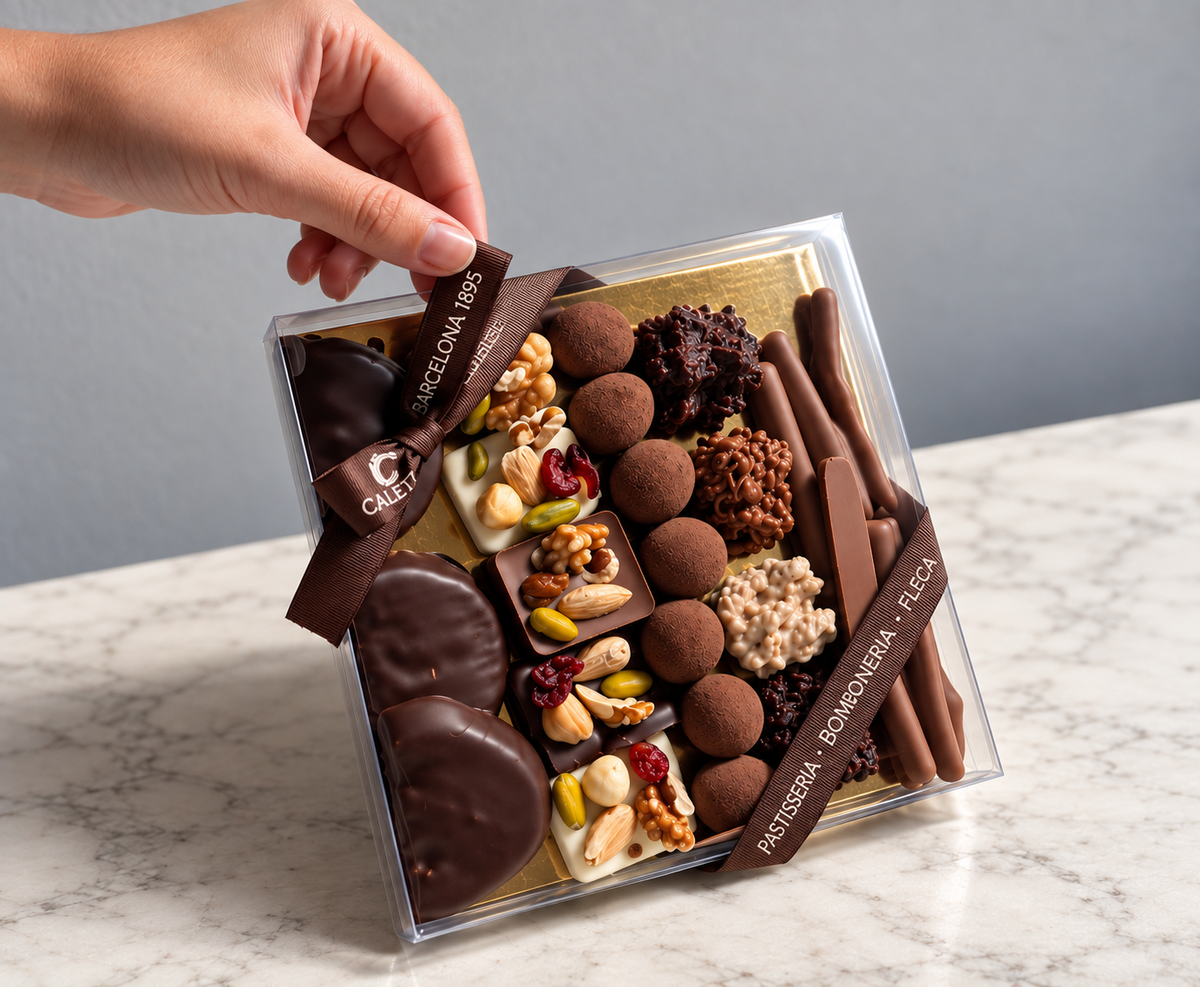
Urban planners and cultural heritage advocates increasingly view these establishments not merely as commercial entities, but as vital living museums. Preserving their operations safeguards intangible cultural heritage—specifically traditional recipes, artisanal techniques, and historic interior architecture that cannot be replicated by modern retail chains. Municipal initiatives and local patronage continue to play a critical role in ensuring that these culinary landmarks remain viable, allowing future generations to taste the history of Barcelona one pastry at a time.
Related posts: