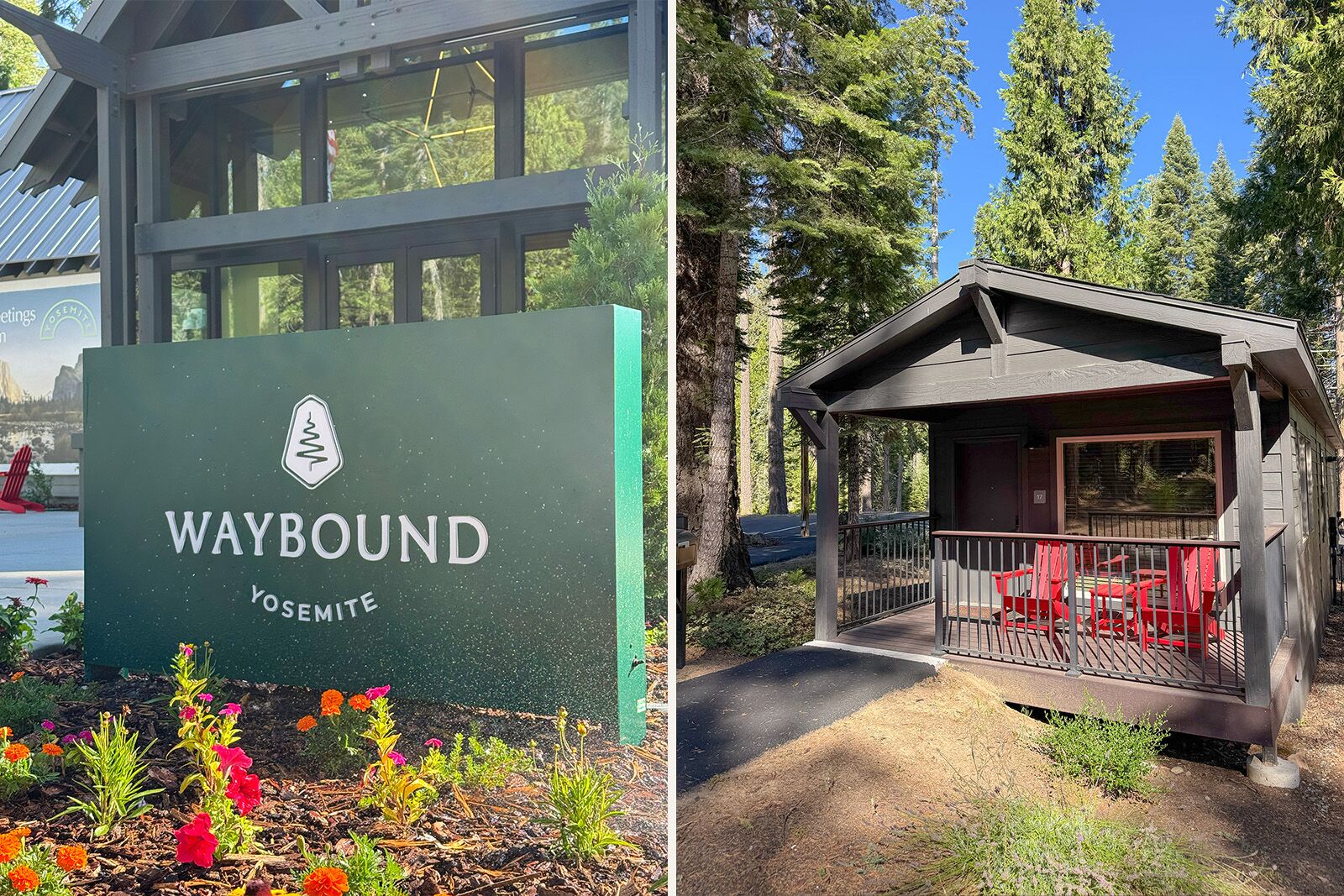
Nestled in the towering pine forests of Fish Camp, California, Waybound Yosemite—formerly known as the Explorer Cabins at Tenaya—represents a strategic evolution in the region’s hospitality landscape. Situated just minutes from the southern entrance to Yosemite National Park, the property has undergone a comprehensive rebranding effort designed to pivot from a traditional lodge model toward a curated, community-centric retreat. By emphasizing social connectivity, high-end amenities, and immersive outdoor access, Waybound Yosemite seeks to redefine the visitor experience for those traversing the Sierra Nevada.
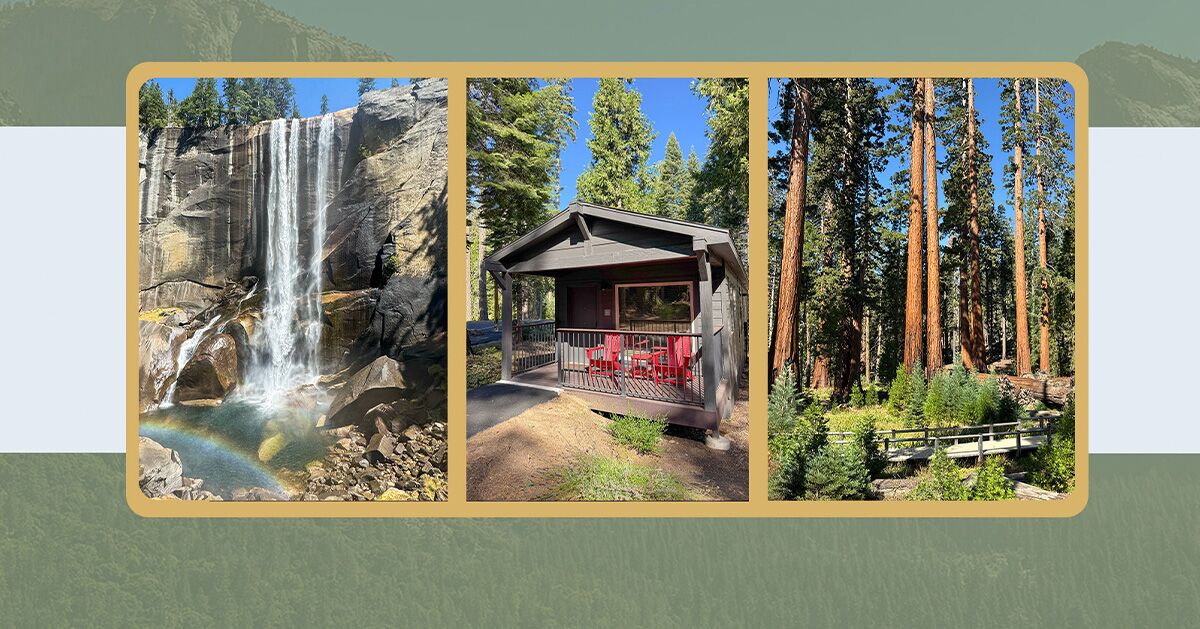
The property comprises 50 detached, two-bedroom units designated as "The Havens." Each unit is equipped with a private front porch and a rear patio, designed to facilitate a seamless transition between indoor comfort and the rugged alpine environment. The in-room experience is punctuated by two signature additions: the "Cocktail Chest," providing tools and ingredients for artisanal mixology, and the "Spa Box," which contains curated wellness items. These amenities are designed to cater to the modern traveler’s demand for experiential lodging, where the room serves not merely as a place to sleep, but as a component of the vacation itself.
At the heart of the site lies "The Commons," a central hub designed to consolidate guest interaction. This facility houses "Plates + Pours," a full-service culinary establishment operating from dawn until dusk. The menu emphasizes the "Mountain West" aesthetic, prioritizing regional sourcing to align with the park’s broader commitment to sustainability and local commerce. The inclusion of plant-based culinary options represents an industry-wide recognition of changing dietary demographics among adventure travelers. Beyond the restaurant, The Commons features a barista-staffed coffee counter and a boutique market, ensuring that guests have immediate access to both essential provisions and refined leisure options.
The transition from the Explorer Cabins to the Waybound brand is reflective of a larger trend within the U.S. National Park gateway communities. As annual visitation to Yosemite National Park continues to fluctuate near the four-million-visitor mark, demand for high-quality, amenity-rich lodging has surged. By offering on-site activities such as archery, badminton, and guided nature walks, Waybound Yosemite attempts to mitigate the "resort fatigue" that often accompanies strenuous park excursions. Furthermore, the property’s access to the neighboring Ascent Spa provides a necessary restorative component for those undertaking the rigorous hikes associated with the park’s high-altitude terrain.
A Historical Perspective on Fish Camp and Regional Tourism
The establishment of Waybound Yosemite is inextricably linked to the history of Fish Camp itself, a settlement that served as a cornerstone of the regional logging industry for decades. Long before tourism became the economic engine of the Sierra foothills, Fish Camp was defined by the extraction of timber. The Madera Sugar Pine Company, established in the late 19th century, fundamentally altered the geography of the area, constructing a narrow-gauge railroad system that spanned approximately 140 miles of track. This infrastructure allowed for the large-scale transport of sugar pine and fir to mills in the surrounding valleys.
The decline of the logging industry in the mid-20th century necessitated a transition toward a service-based economy. The pivotal moment for this shift occurred between 1932 and 1933, with the construction of the modern Wawona Road. By replacing the treacherous, narrow stagecoach routes with a sophisticated highway system, the federal government effectively opened the south gate of Yosemite to mass automobile tourism. Today, the legacy of this era is preserved through the Yosemite Mountain Sugar Pine Railroad, which serves as both a historical monument and a tourist attraction. The preservation of these steam-powered locomotives provides a tangible connection to the region’s industrial past, a narrative that contemporary hospitality brands like Waybound are increasingly integrating into their marketing to offer a deeper, more contextualized visitor experience.
Navigating the Yosemite Wilderness: Access and Exploration
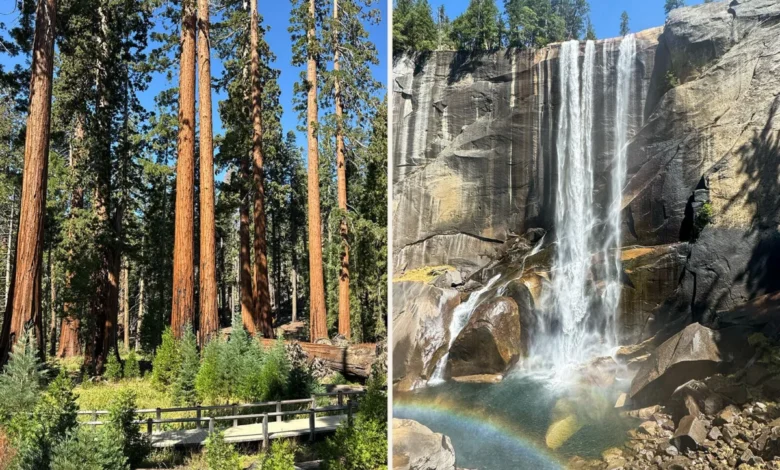
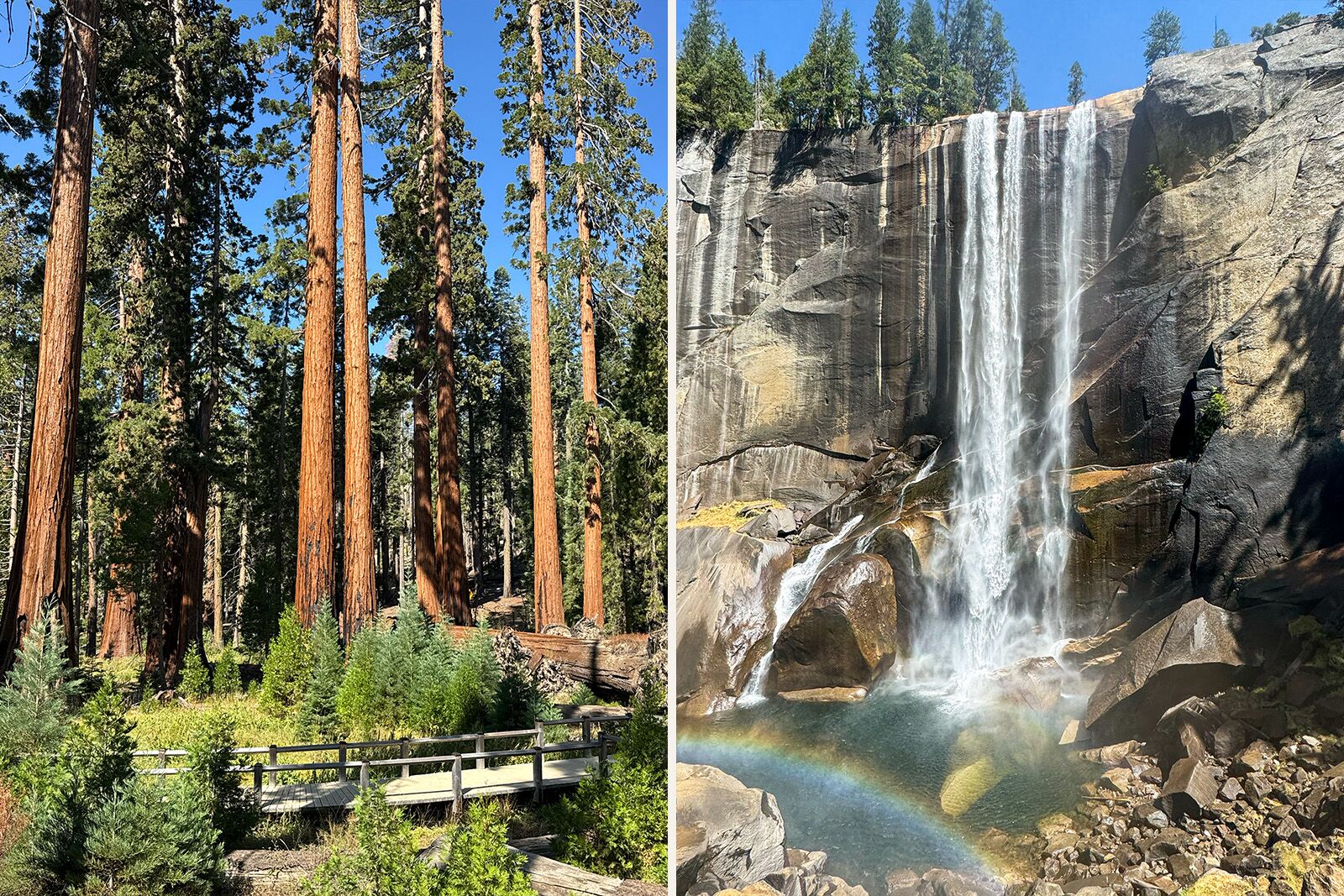
For the modern guest, the proximity of Waybound to the Mariposa Grove of Giant Sequoias—the largest of its kind in Yosemite—is a primary draw. The grove serves as a living museum, housing more than 500 mature giant sequoias. Among them is the "Grizzly Giant," an ancient specimen estimated by arborists to be between 2,700 and 3,000 years old.
The logistical management of this site has been a major focus for the National Park Service (NPS) in recent years. Following a multi-year, $40 million restoration project completed in 2018, the grove’s trail system was reconfigured to protect the root systems of these ancient trees. The current trail infrastructure, including the Big Trees Loop and the Guardians Loop, provides varying degrees of difficulty, catering to both casual observers and endurance hikers. The availability of a free shuttle from the Mariposa Grove Welcome Plaza is a critical piece of infrastructure, designed to minimize carbon emissions and congestion within the sensitive ecosystem.
For more ambitious trekkers, the trek to Nevada Fall via the Mist Trail offers a physical challenge that has become a benchmark for Yosemite visitors. Spanning roughly 2.7 miles one way from the Happy Isles trailhead in Yosemite Valley, the trail is characterized by its steep, granite-hewn steps and proximity to the cascading water of the Merced River. The waterfall itself—which reaches peak flow in May and June—is a testament to the park’s hydrology. Because the Mist Trail is susceptible to seasonal closures due to ice and high water flow, visitors are encouraged to consult real-time park service updates, a practice that highlights the importance of safety and preparedness in high-altitude environments.
The Significance of Dark Skies and Astronomical Tourism
A distinct advantage of the property’s location in Fish Camp is its distance from the light pollution of California’s Central Valley and the Fresno metropolitan area. The resulting "dark sky" conditions provide an opportunity for astronomical engagement that is increasingly rare in the contiguous United States.
The integration of telescopes at The Commons is not merely a novelty; it represents a growing interest in "astro-tourism." According to data from the International Dark-Sky Association, the preservation of nocturnal environments is becoming a priority for national parks, as light pollution has been shown to disrupt the migratory patterns of local fauna. For the average guest, the ability to observe the Milky Way with the naked eye from a private patio at Waybound serves as a reminder of the environmental preservation efforts that sustain the region. The elevation of the property, combined with the dense pine canopy, naturally masks ambient light, creating an environment conducive to amateur astronomy. Experts suggest that allowing for a 15-minute period of dark adaptation is essential for guests to fully appreciate the celestial displays, reinforcing the "slow travel" philosophy that the rebranded property seeks to promote.
Economic Implications and Future Outlook
The rebranding of the Explorer Cabins into Waybound Yosemite is indicative of a broader strategy among hospitality developers to capture the "bleisure" (business and leisure) and "work-from-anywhere" demographics. By providing reliable infrastructure—such as the coffee counter and communal gathering spaces—the property accommodates guests who wish to remain connected while remaining in close proximity to the wilderness.
From an economic standpoint, the reliance on local ingredients at The Commons and the collaboration with regional services contribute to the multiplier effect within the Mariposa County economy. As the National Park Service continues to manage visitation through reservation systems and capacity limits, the role of gateway properties becomes increasingly vital. These businesses do not merely provide lodging; they act as educational hubs, helping to manage visitor expectations and promote sustainable interaction with the park.
In conclusion, Waybound Yosemite occupies a critical intersection between the historic logging roots of Fish Camp and the modern necessity for sustainable, high-quality outdoor tourism. Through its architectural focus on private cabins and communal hubs, the property provides a framework for visitors to experience the Sierra Nevada in a way that is both luxurious and responsible. As the park continues to face the challenges of climate change and record visitation, such establishments will play an essential role in balancing the human desire to experience the wilderness with the imperative to protect it for future generations. The success of this rebranding will likely be measured not only by occupancy rates but by the property’s ability to foster a deeper, more meaningful connection between the guest and the majestic landscapes of Yosemite.