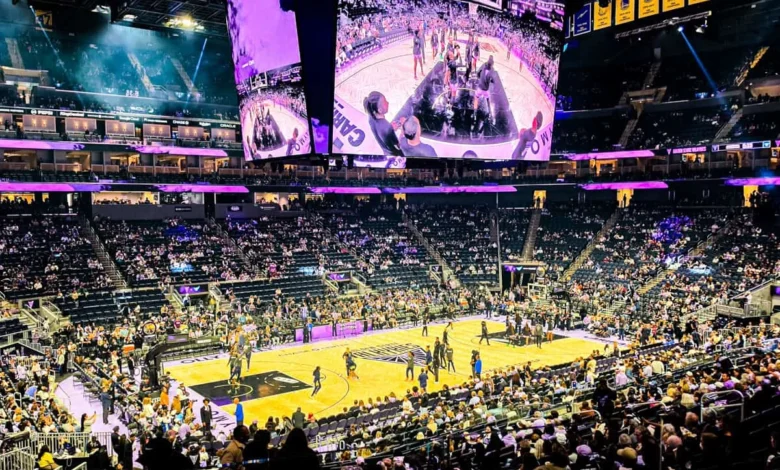
The intersection of sports tourism and the explosive growth of women’s professional basketball created a memorable evening in San Francisco, where the Dallas Wings faced off against the expansion franchise Golden State Valkyries at the Chase Center. For traveling families, the matchup highlighted an emerging trend: sports-centric itineraries driven by the surging popularity of the Women’s National Basketball Association (WNBA). Fresh off a rigorous five-day excursion along the Majestic Mountain Loop through the Sierra Nevada, a mother and her teenage daughter, Savannah, arrived in the Bay Area with a singular focus on the hardwood rather than traditional sightseeing.

The journey underscored the broader cultural phenomenon currently propelling women’s sports into prime-time prominence. With attendance records shattering across the league and rising television ratings, fixtures featuring high-profile athletes like Paige Bueckers and Azzi Fudd have transformed standard league games into marquee cultural events. For adolescent fans, these games represent more than mere athletic competition; they serve as formative experiences that bridge idol worship with tangible career aspirations.

Transit Logistics and Arena Accessibility
Navigating San Francisco on game day requires strategic planning, though regional public transit systems offer streamlined solutions for attendees. The Chase Center, situated in the Mission Bay neighborhood, is integrated into the city’s transportation network via the Muni Metro T Third line, which stops directly at the UCSF/Chase Center station adjacent to the arena’s south entrance.

In an effort to reduce vehicular congestion and encourage sustainable travel, regional transit authorities permit game-day attendees to utilize municipal transit services free of charge for the entire day upon presentation of a valid event ticket. This policy facilitates pre-game exploration across various city districts without reliance on personal automobiles or rideshare services. Additional transit options include regional connections via BART and local ferry services.

For those opting to drive, on-site parking garages within the Mission Bay complex offer limited capacity, with rates typically ranging from $30 to $60. Because these spaces frequently sell out ahead of tip-off, transportation officials strongly recommend pre-purchasing parking vouchers through official platform channels or relying entirely on public transit options to avoid strict residential parking enforcement and game-night traffic bottlenecks.

Culinary Offerings and Pre-Game Dining
The area surrounding the Chase Center features a diverse array of dining establishments designed to accommodate high-volume event crowds. Thrive City, the outdoor plaza encompassing the arena complex, hosts numerous culinary options ranging from casual eateries to sit-down venues. Among the prominent dining choices is Gott’s Roadside, a California-based fast-casual restaurant offering locally sourced menu items, gluten-free accommodations, and regional craft beverage selections.

Additional dining venues within the immediate plaza include Fikscue Craft Barbecue, Dumpling Time, Che Fico Pizzeria, Burma Love, and Señor Sisig. For visitors seeking alternative environments prior to entering the arena, Spark Social SF—located approximately a ten-minute walk from the complex—provides a dedicated food truck park and outdoor beer garden.

Inside the Chase Center, concessions reflect the culinary diversity of the San Francisco Bay Area, offering fresh, locally inspired dishes alongside traditional venue staples. Premium ticket holders also gain access to exclusive club spaces, such as the multi-story Ultra Club, which provides private bar service and specialized dining options away from the main concourse crowds.

Fan Engagement and Pre-Game Interactions
A defining characteristic of contemporary WNBA events is the accessibility of players during pre-game warm-up periods. Doors at the Chase Center typically open 90 minutes prior to tip-off, allowing spectators to secure positions near player tunnels and courtside sections. These windows frequently provide opportunities for direct engagement between athletes and fans, including autograph sessions and informal acknowledgments.

Strategic positioning near player access points can significantly enhance the spectator experience, particularly for younger demographics seeking personal connections with prominent league figures. Observers note that such interactions often catalyze long-term engagement with the sport, transforming casual observers into dedicated advocates and future participants in the sports industry ecosystem.

Economic and Cultural Implications of WNBA Expansion
The introduction of the Golden State Valkyries as a WNBA expansion team in 2025 has injected significant economic activity into the San Francisco sports market. Selling out the majority of their home fixtures since their inaugural season, the franchise has demonstrated robust local demand that rivals established men’s professional teams in the region.

Market analysts attribute this commercial success to a convergence of factors: heightened national interest in collegiate women’s basketball stars transitioning to the professional ranks, targeted corporate sponsorships, and strategic media broadcasting rights agreements. Consequently, ticket pricing for high-profile matchups has experienced upward pressure, particularly for weekend fixtures and games featuring marquee talent. Conversely, midweek fixtures against lower-tiered opponents continue to provide accessible entry points for families and budget-conscious consumers, with upper-bowl seating options starting at moderate price points.

Beyond immediate ticket sales, the surge in women’s sports tourism generates substantial revenue for local hospitality sectors, including hotels in SoMa and Mission Bay, restaurants, and retail merchandise vendors. Industry experts project that continued investment in franchise infrastructure and youth engagement initiatives will sustain long-term economic growth across the league, cementing women’s professional sports as a staple of modern urban tourism.