Solidream 54000km Cycling Around The World: An Epic Three-Year Odyssey Across Continents

The documentary film Solidream chronicles an extraordinary three-year, 54,000-kilometer expedition undertaken by a group of French cyclists who pushed the boundaries of human endurance and nomadic travel. Led by Morgan Monchaud, alongside Brian Mathe and Siphay Vera, with periodic contributions from experienced cyclist Bertrand Dolci, the team completed a global circumnavigation that prioritized raw human experience over logistical security. Operating on a shoestring budget, the expedition relied on the hospitality of strangers, impromptu roadside camping, and a flexible itinerary that favored cultural immersion over rigid performance metrics.
A Chronology of the Expedition
The journey began in France, with the team setting out to traverse diverse climatic and geographical zones. By the eight-month mark, the group reached Patagonia, signaling the start of a rapid northward trajectory through South America. The physical toll of this phase was significant; the team navigated the Amazon basin, enduring 40 days of extreme humidity and treacherous, muddy terrain. Navigating primarily via hand-drawn maps, the team’s persistence through what they termed the "Green Inferno" became a defining moment of the early expedition.
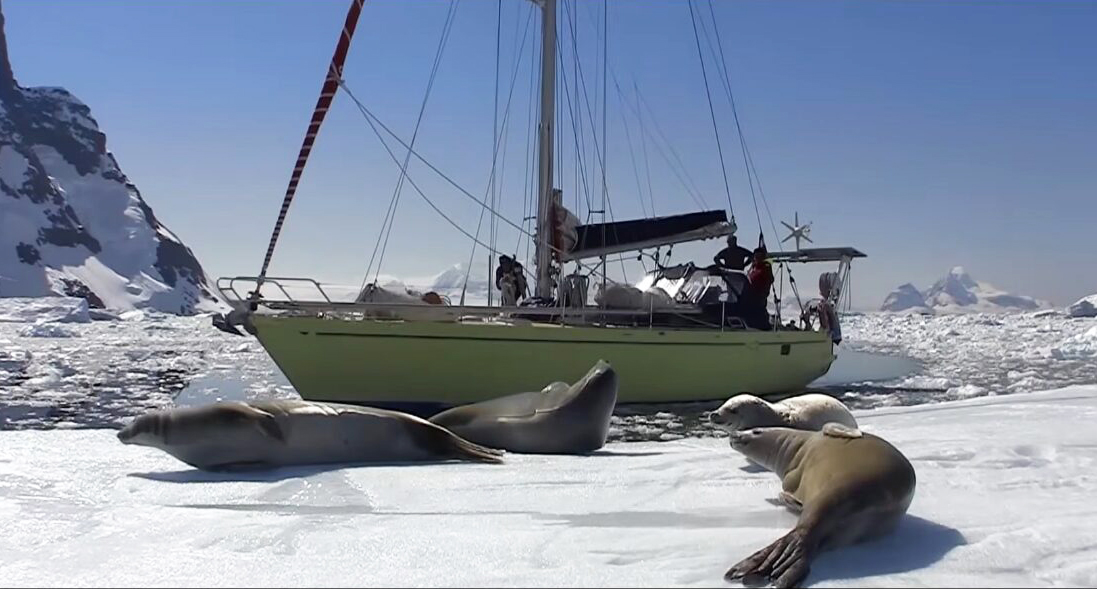
Following the South American leg, the journey transitioned into a maritime expedition. Monchaud, honoring his family’s nautical legacy—specifically his father’s 1980 voyage—led the team into the Drake Passage. Navigating the unpredictable waters of the Southern Ocean, the team reached the Antarctic coast, documenting the stark, frozen wilderness before returning to South America.
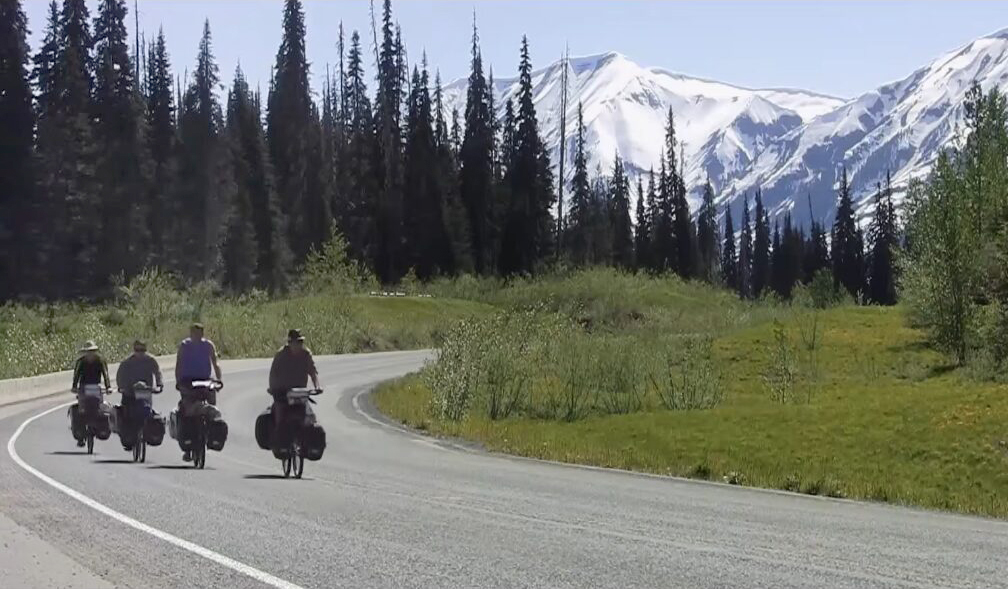
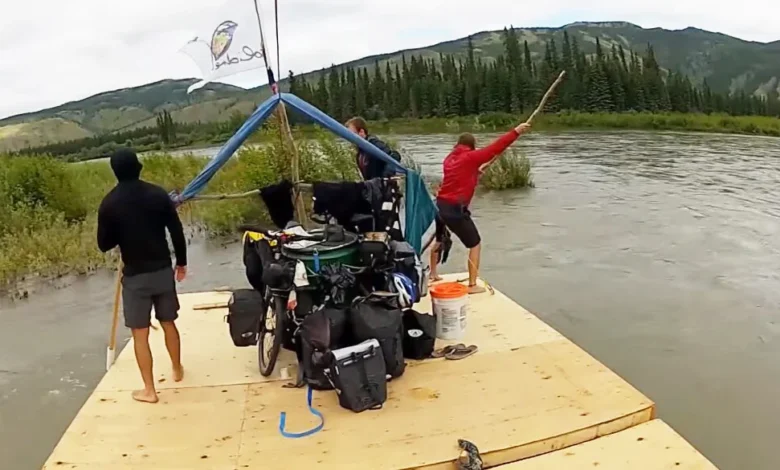
In Colombia, the cyclists secured passage on a vessel bound for Panama, continuing their northward route through Central America and Mexico. Upon entering the United States, the team transitioned to Arizona, where they were joined by Etienne Houles. Houles, inspired by the progress of his peers, left his employment in Phoenix to join the remaining three cyclists. Their journey then proceeded up the North American West Coast into Canada, where the team diversified their travel methods, constructing a makeshift raft to traverse the Yukon River, an homage to the frontier spirit of Jack London.
Logistics and the Challenges of Self-Supported Travel
The logistical framework of the Solidream expedition was characterized by a deliberate avoidance of modern travel conveniences. By eschewing GPS-integrated planning for long stretches and opting for local navigation, the team encountered significant hurdles. One notable incident involved a severe injury sustained by Houles during the North American segment, which necessitated a temporary return to France for medical recovery.
The team’s approach to accommodation was entirely decentralized. Throughout the 54,000 kilometers, the cyclists relied on an informal network of couch-surfing, barn stays, and wilderness camping. This method of travel necessitated a high degree of adaptability, as the cyclists frequently had to perform mechanical repairs on their own equipment in remote environments.
Data regarding their travel suggests that the "shoestring" budget was a philosophical choice as much as a financial necessity. By minimizing overhead, the cyclists were forced to engage with local populations, a factor that Monchaud identified as the primary objective of the trip. Whether clearing fallen timber for hosts in New Zealand or navigating the Australian outback despite warnings regarding water scarcity, the team prioritized the qualitative data of human interaction over the quantitative safety protocols suggested by local authorities.
Regional Transitions and Cultural Integration
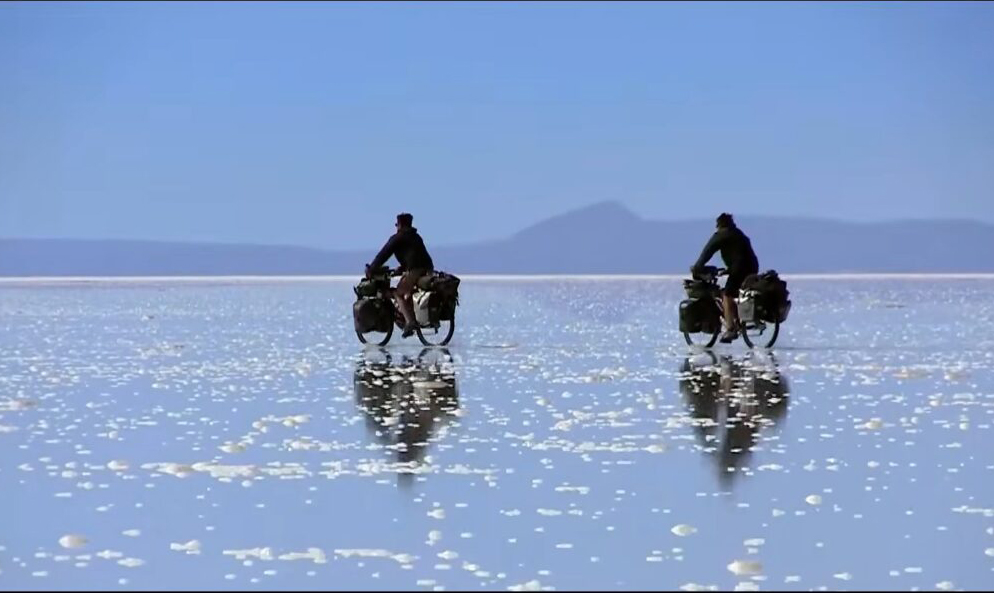
After completing the North American stage, the team utilized air transport to reach Oceania, where they reunited with a recovered Houles. In New Zealand and Australia, the expedition faced harsh environmental conditions. In the Australian outback, the team disregarded official advice concerning water security, opting to traverse a 250-kilometer stretch between water stations—a decision that highlights the high-risk, high-reward nature of their decision-making process.
The final leg of the expedition saw the team navigate Southeast Asia, beginning in Bangkok and moving into Laos. This segment held personal significance, as it served as a homecoming for Siphay Vera. The team then moved through China, where they navigated complex visa regulations, eventually reaching Kazakhstan. The final stretch took them back into Europe via Istanbul, concluding their three-year odyssey back in France.
Analysis of the Expedition’s Implications
The Solidream project serves as a compelling case study in the intersection of extreme endurance sports and documentary filmmaking. From a sociological perspective, the journey emphasizes the evolving nature of global connectivity. By utilizing minimal technology and relying on local community support, the cyclists were able to bypass the "tourist bubble," providing an unfiltered look at the regions they traversed.
The film, which captures these interactions, provides insight into the psychological resilience required for long-distance, unsupported travel. Experts in expedition planning often cite the "Solidream model" as an example of successful low-cost, high-impact adventure, though they caution that the lack of satellite communication and rigid safety backups poses significant risks to participants. The team’s ability to navigate the Amazon, the Yukon, and the Australian outback without significant incident is attributed by the participants to their adaptability and the assistance of the communities they encountered.
Official Reactions and Broader Cultural Impact
While the expedition did not seek formal recognition from official sporting bodies, it gained significant traction within the global cycling and adventure communities. The documentary produced from their footage has been recognized for its candid portrayal of the realities of global travel, moving away from the polished aesthetic of modern adventure media.
"Seeking adventure is only a pretext to meet people," Monchaud noted in interviews during the film’s release. This sentiment summarizes the project’s overarching thesis: that the 54,000 kilometers were not merely a test of cycling stamina, but a vessel for cultural exchange. The team’s decision to integrate into local lives—from foraging with shepherd families in Central Asia to assisting rural hosts in Oceania—demonstrates a commitment to a form of travel that is increasingly rare in the era of high-speed, digital-first tourism.
The impact of the Solidream journey also extends to the documentary genre itself. By chronicling their failures, such as the initial navigational errors in the Amazon and the logistical hurdles in China, the team provided a realistic blueprint for future adventurers. The film serves as a testament to the fact that international travel, even when stripped of modern security nets, remains accessible to those willing to accept the inherent unpredictability of the open road.
As the team returned to France, their accomplishment stood as a milestone in independent expedition travel. Covering 54,000 kilometers across diverse terrains—from the ice of the Antarctic to the tropical forests of Laos—the cyclists redefined the parameters of what is possible on two wheels. The legacy of their three-year journey continues to influence a new generation of cyclists who prioritize the depth of the experience over the speed of the transit, proving that the most profound discoveries often occur when the map is set aside.