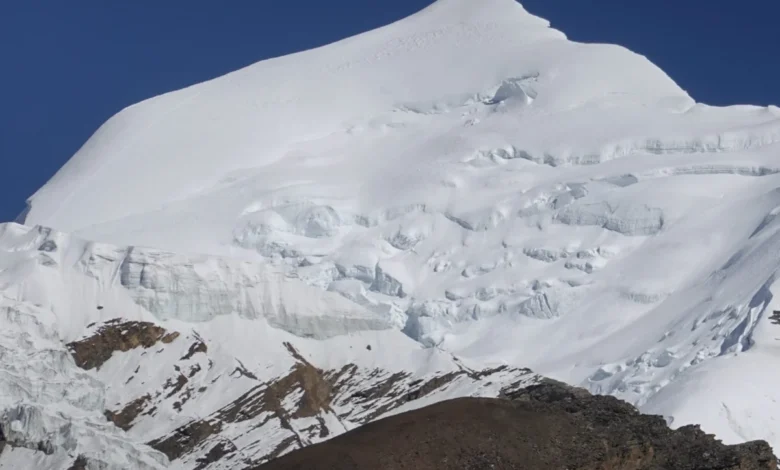
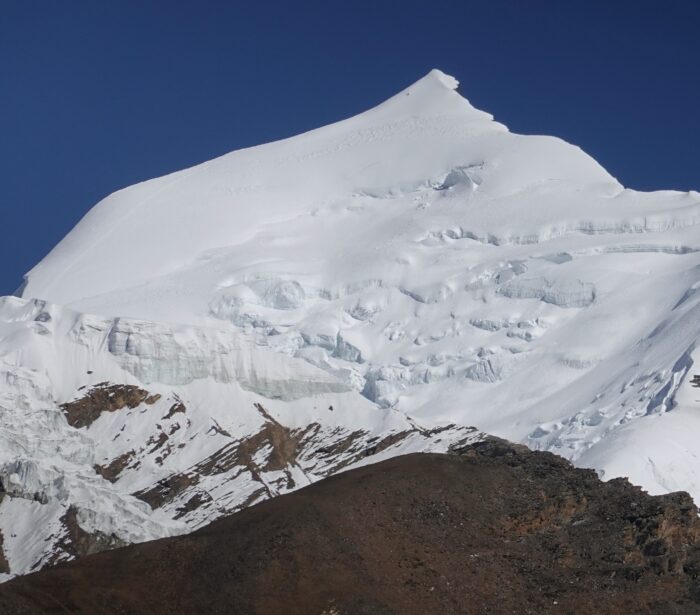
A massive, weather-induced avalanche has struck the base camp of the 7,126-meter Himlung Himal in Nepal, leaving 14 local support staff unaccounted for as rescue operations remain stalled by catastrophic meteorological conditions. The incident, which occurred late this week, has sent shockwaves through the Nepalese mountaineering community, highlighting the escalating dangers posed by late-season storms in the Himalayas. As persistent, heavy snowfall continues to blanket the region, local authorities and search-and-rescue agencies have been forced to ground all aviation assets, effectively isolating the affected area in the remote Nar-Phu Valley near the Tibetan border.
The scale of the tragedy became clear following reports from the Expedition Outfitters Association of Nepal, which confirmed that the missing individuals were primarily support staff tasked with establishing camp infrastructure. Among the missing, two are identified as employees of Imagine Nepal, while eight are affiliated with Himalayan Holidays Nepal; the remaining four are also local workers whose identities are currently being verified by district officials. The base camp, typically situated on a high-altitude plateau, was intended to be the logistical hub for multiple expeditions scheduled for the current autumn season.
A Chronology of the Crisis
The unfolding disaster follows a week of intense weather warnings issued by the Department of Hydrology and Meteorology in Nepal. The storm system, which originated in the Bay of Bengal, began moving across the northern regions of the country early last week, dumping record-breaking levels of snow at high elevations.
By mid-week, the Annapurna Conservation Area Project (ACAP) and local district authorities had issued urgent advisories, explicitly urging all trekking and climbing groups to descend to lower altitudes and shelter in established villages. Despite these warnings, the logistical necessity of readying base camps meant that support teams remained on-site to transport gear, set up communication arrays, and organize sleeping quarters for the anticipated influx of foreign clients.
The avalanche struck at a time when the mountain was largely empty of international climbers. Because the route-fixing teams—assigned to prepare the technical sections of the mountain—had likely not yet commenced their work due to the incoming front, no foreign expeditions were present at the base camp location. However, the presence of 14 support personnel confirms that the "base camp phase" of the season was well underway, leaving these workers vulnerable when the mountain slopes collapsed.
Environmental and Technical Analysis
The location of the Himlung base camp has historically been considered relatively safe, positioned on a broad, flat expanse of glacial terrain. However, the sheer volume of precipitation associated with this recent storm appears to have destabilized the higher slopes, creating conditions that experts describe as anomalous.
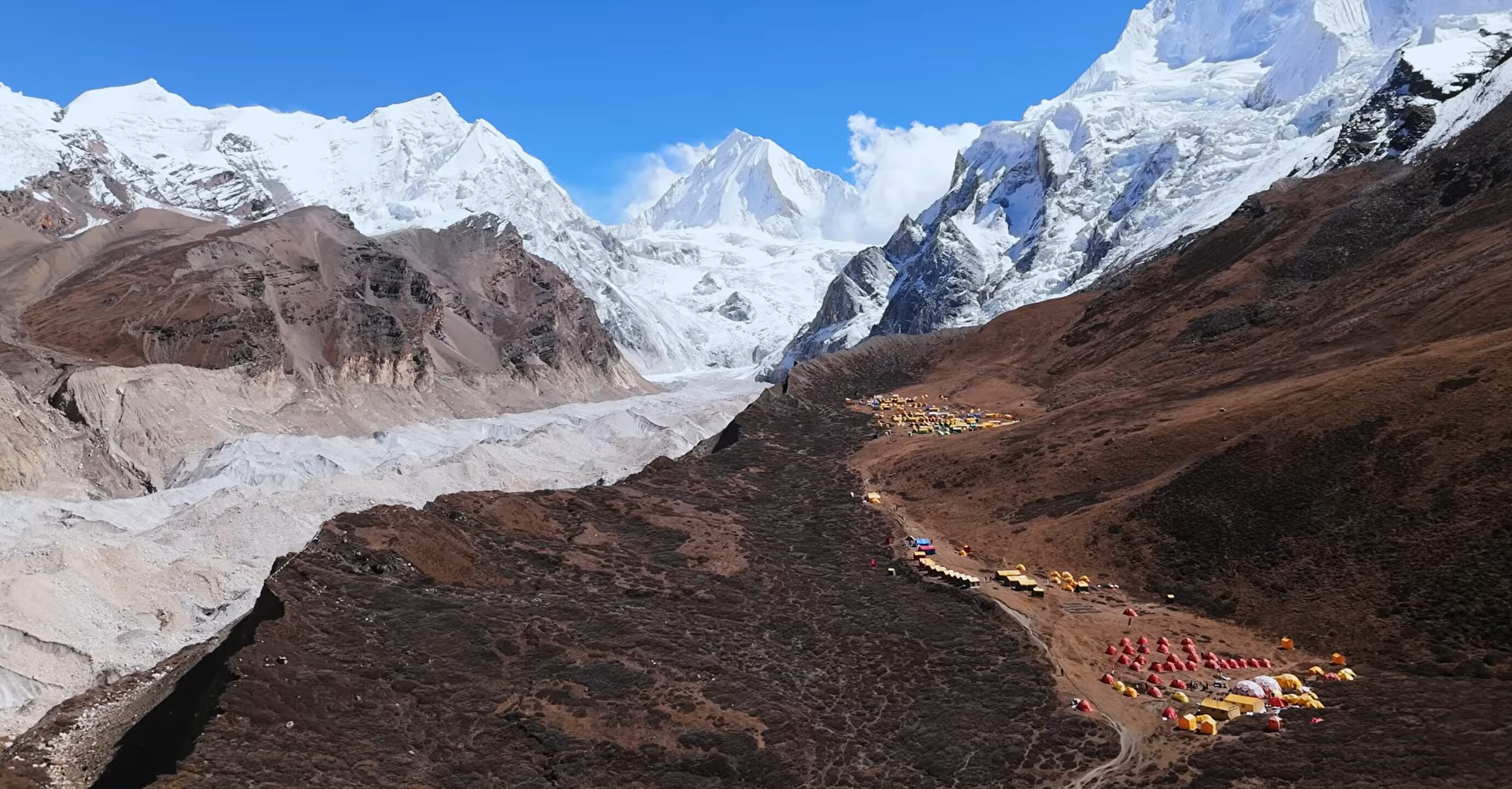
While avalanches are a constant reality in the Himalayas, the size of this slide and its reach onto the established flat ground of the base camp suggests a massive release of snow from the surrounding amphitheater of peaks. Meteorologists monitoring the storm have noted that the unusual moisture content from the Bay of Bengal system resulted in "heavy, wet snow," which is notoriously prone to slab failure. This type of avalanche is significantly more destructive than lighter, powder-based slides, as the density of the snowpack provides immense kinetic energy capable of sweeping through previously safe zones.
The Broader Impact on Nepal’s Mountaineering Industry
This incident occurs against a backdrop of significant regulatory transition in Nepal. The government is currently deliberating a new legislative framework that would mandate that any foreign climber wishing to attempt Mount Everest must first complete a successful ascent of at least one 7,000-meter peak within the country. This policy shift has led to an explosion in the popularity of mountains like Himlung, which is viewed as a high-altitude "proving ground."
The increased commercial demand for Himlung has forced outfitters to shorten their windows of operation, often leading to earlier setup times for base camps. This competitive pressure, combined with the unpredictable nature of late-autumn weather, is now being scrutinized by the mountaineering community. Critics argue that the push to "tick" 7,000-meter summits to satisfy future permit requirements may be forcing support staff into dangerous environments earlier in the season than is prudent.
Official Responses and Rescue Challenges
As of this writing, search-and-rescue efforts remain entirely suspended. The weather conditions, characterized by near-zero visibility, high winds, and continued snowfall, have rendered the use of long-line helicopter rescues impossible. Ground-based rescue teams, which were mobilized from the nearest human settlements, have been unable to traverse the deep, unstable snowpack, which is estimated to be several meters deep in high-altitude passes.
"The situation is critical," stated a representative from the Mountaineering Rescue Coordination Centre in Kathmandu. "We are in constant contact with local field teams, but the safety of the rescuers is our primary concern. Sending teams into a high-risk avalanche zone during an active storm is not a viable strategy at this time."
The international mountaineering community, including groups currently sheltering in Samagaon and at the Dhaulagiri base camp, has expressed solidarity with the missing workers’ families. Many of these climbers are themselves waiting out the storm, reflecting the extreme atmospheric instability currently affecting the entire Annapurna and Manaslu regions.
Lessons from Past Tragedies
This tragedy echoes the events of the previous year, when severe weather on Himlung resulted in the death of Australian climber Chin Tark Chan. That incident also sparked debate regarding the efficacy of emergency protocols and the limits of high-altitude rescue. In that case, the death was exacerbated by the extreme altitude and a dispute regarding insurance coverage for helicopter support, which highlighted the logistical fragility of expeditions operating in remote valleys like Nar-Phu.
The current situation is far more severe in terms of the number of individuals affected. While the loss of a single climber is a personal tragedy, the loss of 14 workers from the local community would represent one of the most significant single-event casualties in the recent history of Nepalese mountaineering.
Implications for the Future
The disaster has prompted an immediate, albeit informal, audit of safety protocols by the Expedition Outfitters Association. Many agencies have begun to re-evaluate their decision-making processes regarding early-season setup. There is a growing consensus that, regardless of the permit regulations or the demand for "Everest-ready" training, the safety of support staff must take precedence over logistical schedules.
As the storm system is expected to dissipate over the coming days, the window for a recovery mission will hopefully open. However, the sheer volume of debris covering the base camp site presents a formidable challenge. The focus of the authorities will soon shift from rescue to recovery, a task that will require specialized equipment and a massive effort to clear the site safely.
For now, the Himlung region remains a scene of profound silence, punctuated only by the ongoing roar of the wind and the instability of a mountain that has, for the moment, closed its doors to the world. The families of the 14 missing wait for news, while the broader climbing community watches the skies, hoping for a break in the weather that would allow for a definitive accounting of the tragedy.
The events of this week serve as a sobering reminder of the power of the Himalayas and the human cost of the industry that has grown up around them. Whether this leads to a permanent change in how, when, and where base camps are established remains to be seen, but the loss of these 14 lives will undoubtedly leave a lasting scar on the mountaineering landscape of Nepal.