The Art of Slow Travel: Why Three Museums in Helsinki is the Optimal Daily Itinerary

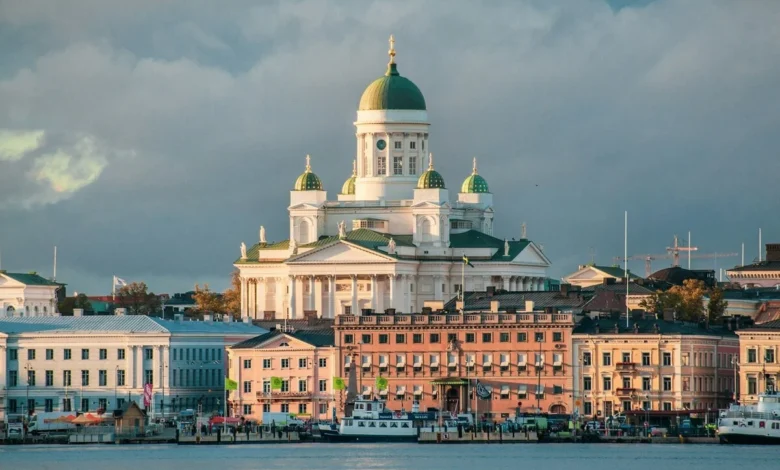
The common practice of "museum hopping"—a frantic, checklist-driven approach to cultural tourism—is increasingly being reconsidered by travel experts and local curators in Helsinki. For many visitors, the impulse to hit five or more collections in a single day leads to cognitive fatigue, diminishing the educational value and personal enjoyment of the experience. A more sustainable and intellectually rewarding methodology involves the concept of rauhassa, a Finnish term meaning "in peace" or "without haste." By limiting a daily itinerary to three thoughtfully curated museum stops, travelers can engage more deeply with Finnish history, contemporary art, and architectural design while avoiding the sensory overload that often characterizes modern tourism.
The Case for Controlled Pacing
Data on visitor engagement in European capital cities suggest that the average tourist spends less than 45 minutes in a major gallery before moving to the next location. In Helsinki, where the concentration of world-class cultural institutions is high, this tendency to treat museums as checkpoints creates a fragmented experience. According to recent tourism studies, visitors who limit their daily cultural intake to two or three venues report higher levels of information retention and satisfaction.
The rationale is clear: when a visitor attempts to consume four or five disparate exhibitions in six hours, the brain struggles to contextualize the historical significance of the pieces. By contrast, a three-stop itinerary allows for a transitional period—often spent walking through the city center or enjoying a local cafe—which serves as a mental palate cleanser, enabling a more focused appreciation of the subsequent exhibition.
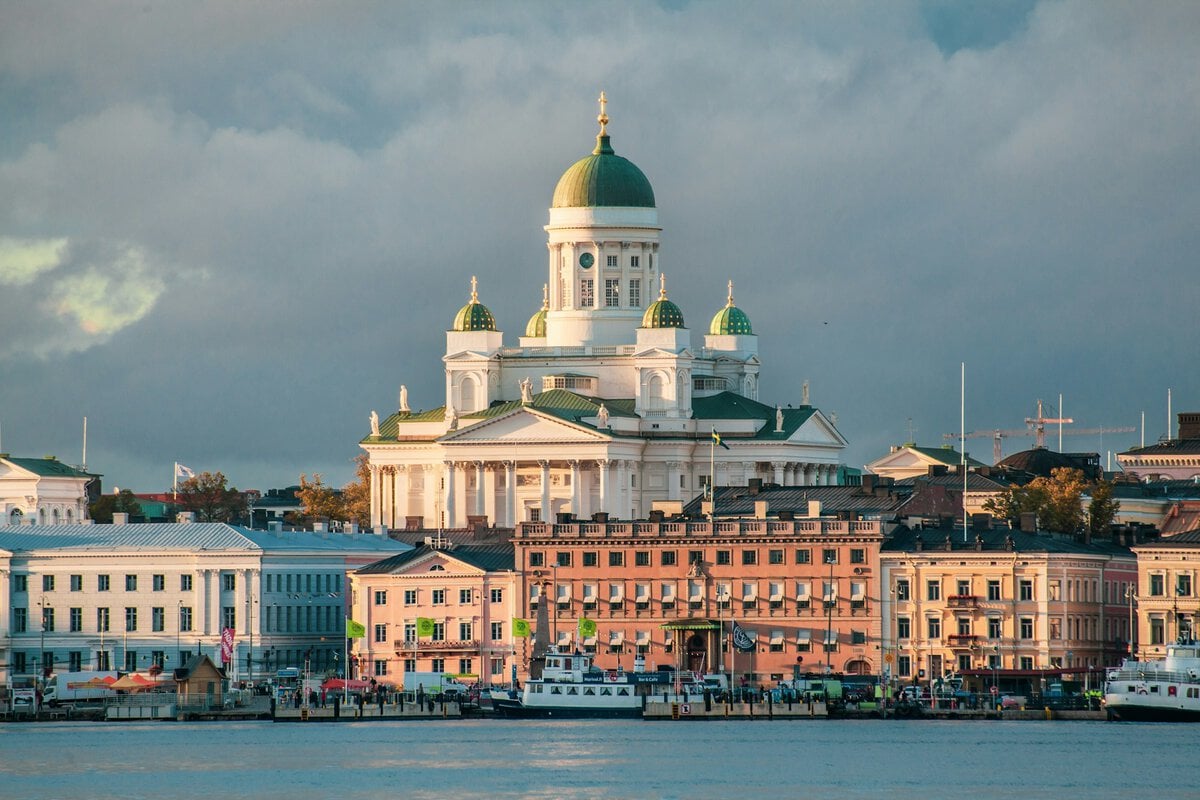
Morning Session: The Foundation of Finnish Identity at Ateneum
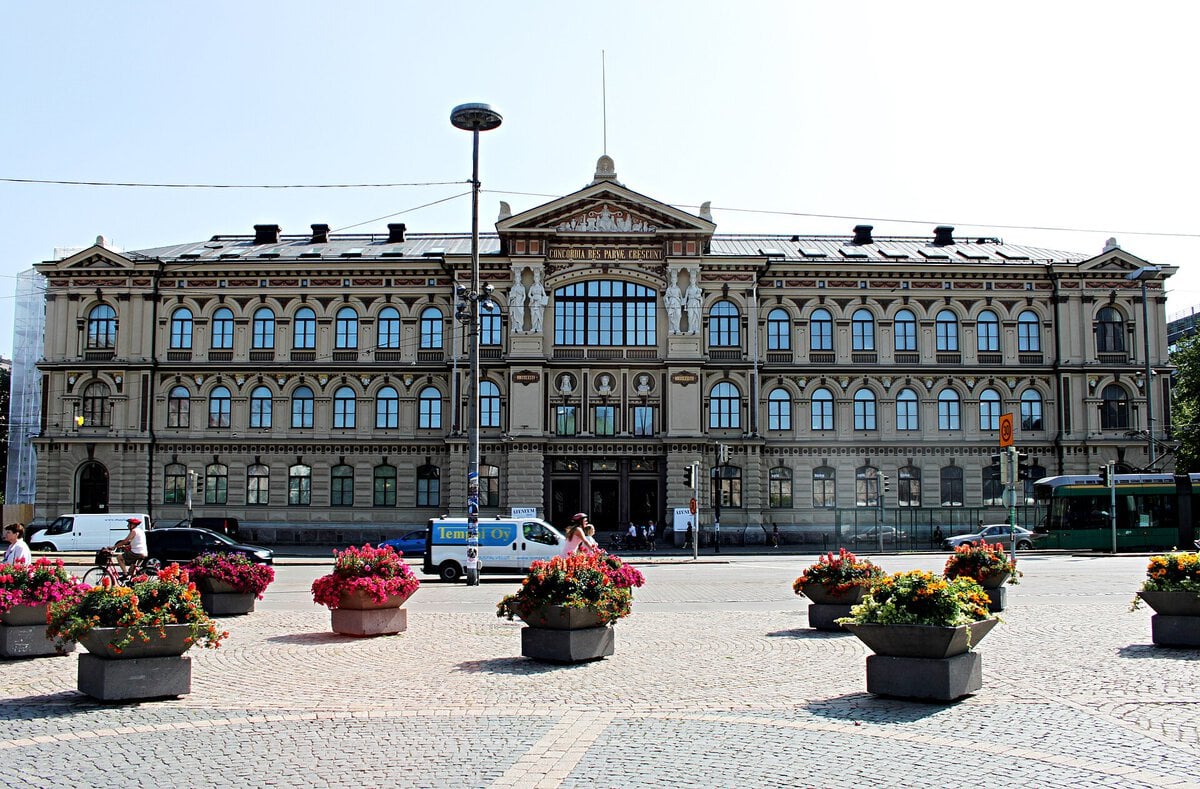
The recommended route begins at the Ateneum Art Museum, an institution that serves as the cornerstone of the Finnish National Gallery. Located directly adjacent to the Helsinki Central Railway Station, the building itself is a historical monument, having opened its doors in 1887.
Ateneum houses the largest collection of classical art in Finland. A morning visit is strategic, as it coincides with the period of peak mental acuity for most travelers. The collection includes seminal works by Akseli Gallen-Kallela, the painter who defined the Finnish national romantic style, and Helene Schjerfbeck, a pioneer of Finnish modernism.
From an institutional perspective, the staff at the Ateneum encourage a "slow-viewing" approach. Rather than relying on audio guides that dictate a pre-set path, curators suggest engaging with the information desk to identify one or two thematic focal points for the day. This creates a dialogue-based learning experience that is far more impactful than a rushed walkthrough. Operating hours typically span from 10 a.m. to 6 p.m. on weekdays, with extended hours until 8 p.m. on Wednesdays and Thursdays, reflecting a commitment to accommodating working professionals and locals.
The Interstitial Transition: Walking as Cultural Immersion
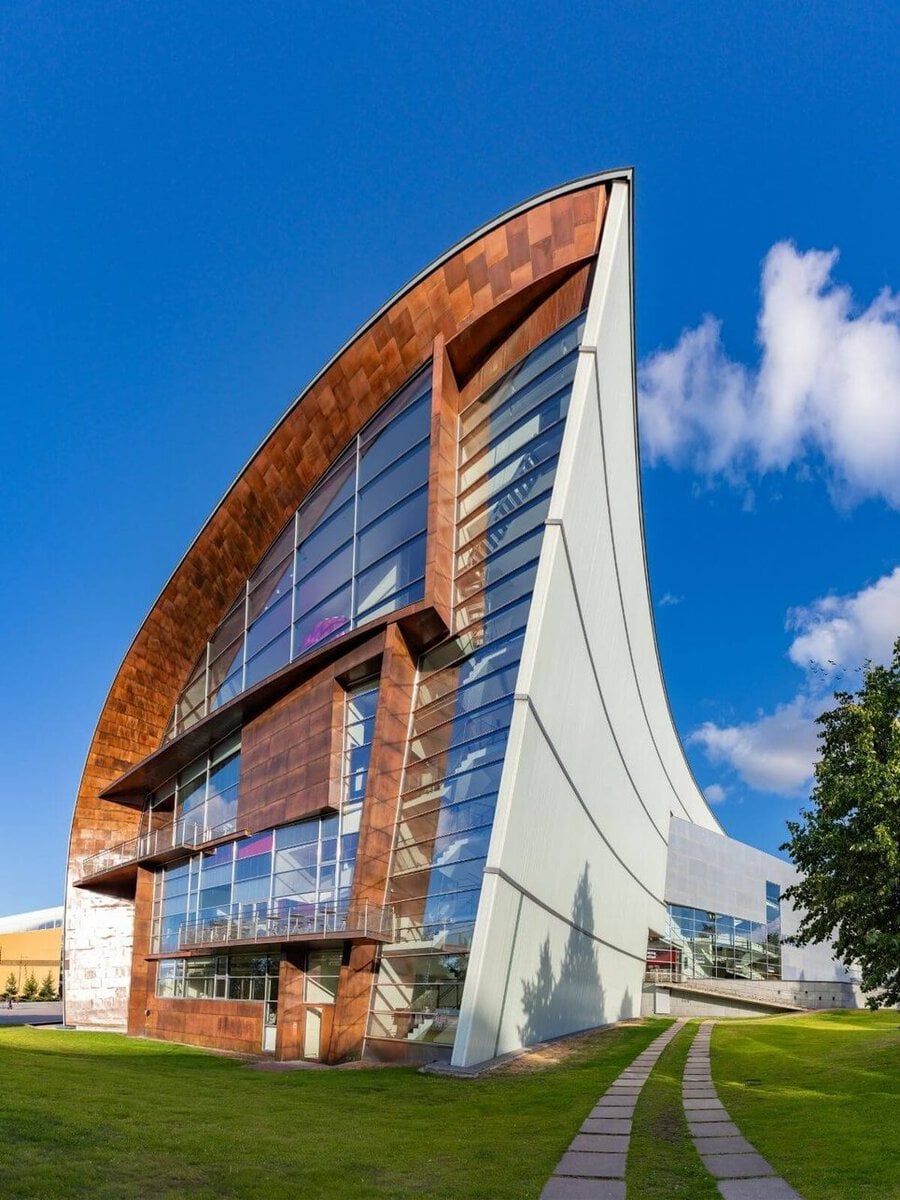
The five-hundred-meter distance between the Ateneum and the Kiasma Museum of Contemporary Art is more than a transit route; it is an essential part of the cultural experience. In urban planning terms, this proximity allows for a seamless transition from the 19th-century traditionalism of the Ateneum to the radical, deconstructivist architecture of Steven Holl’s Kiasma.
Walking through the city center exposes the visitor to the architectural evolution of Helsinki. This brief journey serves as a physical manifestation of Finland’s historical trajectory—from its struggle for independence and national identity to its modern, forward-looking stance on global issues. By choosing to walk rather than taking a taxi or tram, the visitor maintains a connection to the city’s atmosphere, which is often lost when traveling underground or through traffic.
Midday Analysis: Contemporary Perspectives at Kiasma
Upon arriving at Kiasma, the atmosphere shifts significantly. While the Ateneum provides a retrospective of Finnish history, Kiasma focuses on the present, showcasing temporary exhibitions that often address complex social, environmental, and political themes. The building’s design, characterized by curved, light-filled spaces, dictates a different pace of movement.
The implications of this transition are profound. By moving from historical archives to contemporary installations, the visitor is forced to synthesize two versions of the same nation. Kiasma’s admission policies—free entry for those under 18 and inclusive of the national Museum Card system—underscore a broader social commitment to accessibility. It is important to note that the first Friday of every month often features free admission, which, while economically advantageous, typically results in higher crowd density. For those seeking the "in peace" experience, mid-week visits are statistically more conducive to quiet reflection.
The Afternoon Selection: Amos Rex or the Museum of Architecture and Design
After a mandatory pause for a meal—a vital component of the "slow" itinerary to prevent burnout—the visitor is left with a final choice. The third stop should be selected based on individual interest rather than proximity alone.
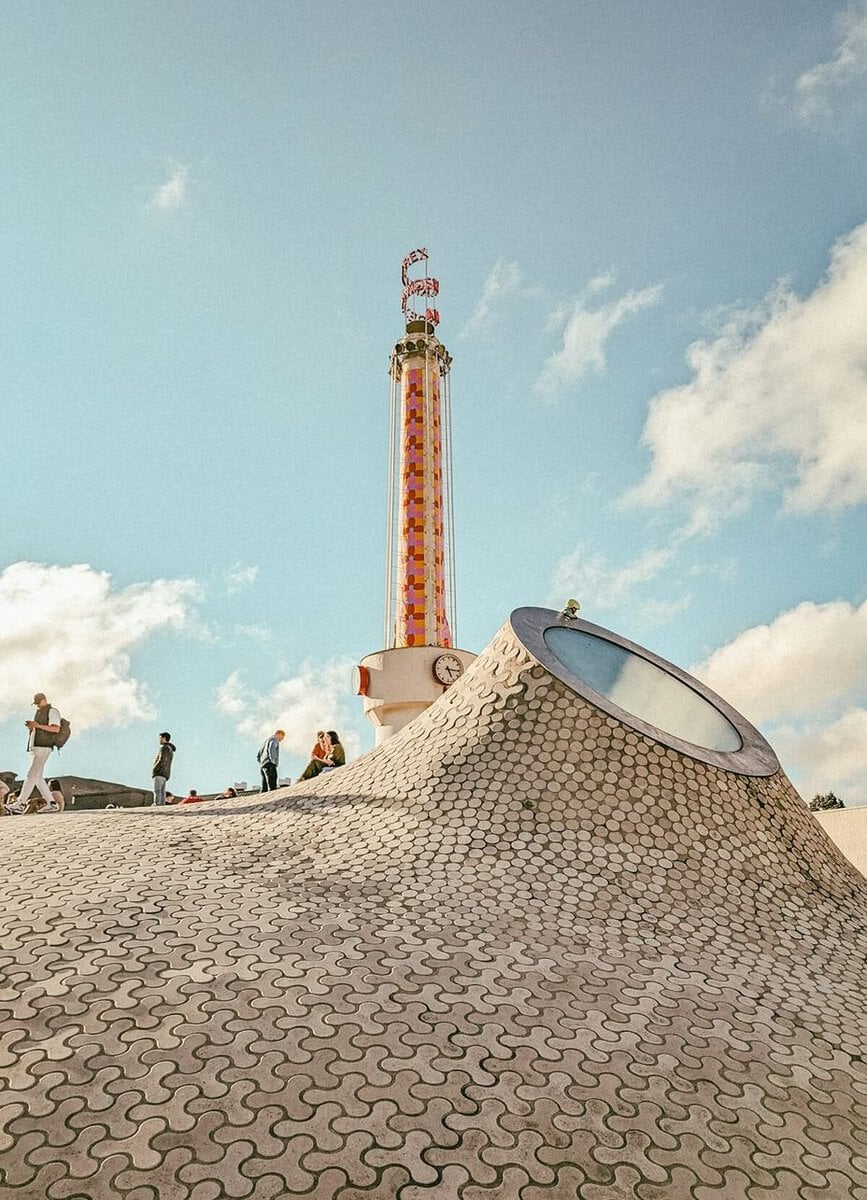
The Amos Rex Museum, situated beneath the Lasipalatsi square, offers an underground experience that is as much about the space as it is about the art. Its architecture, featuring iconic skylights that protrude into the square above, makes it a unique case study in modern museum design. Alternatively, the Museum of Architecture and Design provides context for the functionalist aesthetics that define much of Helsinki’s skyline.
Both options offer a distinct perspective, and the decision to select only one ensures that the traveler leaves with a cohesive memory of the day. Attempting to force a fourth museum into the late afternoon often leads to what experts describe as "museum fatigue," a condition characterized by diminished attention spans and reduced physical stamina.
Economic and Practical Considerations
The question of whether to invest in a Museum Card or a broader city pass requires a factual assessment of one’s itinerary. The Museum Card is a national, year-long pass that is highly cost-effective for residents or visitors planning an extended stay in Finland. For a 24-to-72-hour visitor, however, the financial benefit is less clear-cut.
Travelers should perform a simple calculation: total the individual admission costs of the three planned stops and compare this to the price of the city-wide passes. Often, unless one plans to utilize the public transport benefits or the additional sightseeing discounts bundled with the Helsinki Card, individual ticket purchases are more economical.
Furthermore, environmental and logistical factors play a role in this itinerary. Helsinki’s climate is volatile; the "layered clothing" strategy is not merely a suggestion but a practical necessity for moving between climate-controlled galleries and the bracing Nordic air. Most of the suggested route is sheltered, making it an ideal activity for inclement weather, which is a frequent occurrence in the capital.
Broader Implications for Tourism
The move toward "slow" museum attendance reflects a broader trend in global tourism toward sustainability and quality over quantity. By spending more time in fewer institutions, the visitor contributes to a more respectful and engaging relationship with the host city. This approach reduces the logistical burden on infrastructure and allows for a more authentic cultural exchange.
As Helsinki continues to position itself as a hub for design and high-culture, the encouragement of a slower, more deliberate pace of exploration serves both the visitor and the institutions. The objective is not to complete a list, but to engage with the narrative of the city. By the time a visitor concludes their third museum visit, they will likely have gained a more profound understanding of the Finnish character than if they had spent the same amount of time racing through double the number of galleries.
In summary, the optimal Helsinki museum day is defined by intentionality. Through the careful selection of institutions and the integration of rest and reflection, the visitor transforms a standard sightseeing trip into a meaningful cultural journey. The "checklist" approach may offer a sense of accomplishment, but the "three-museum" model offers an experience that is far more durable, memorable, and reflective of the city itself.