Multigenerational Travel Resurgence: How an 86-Year-Old Mother and Her Daughter Redefined Adventure Across the United Kingdom

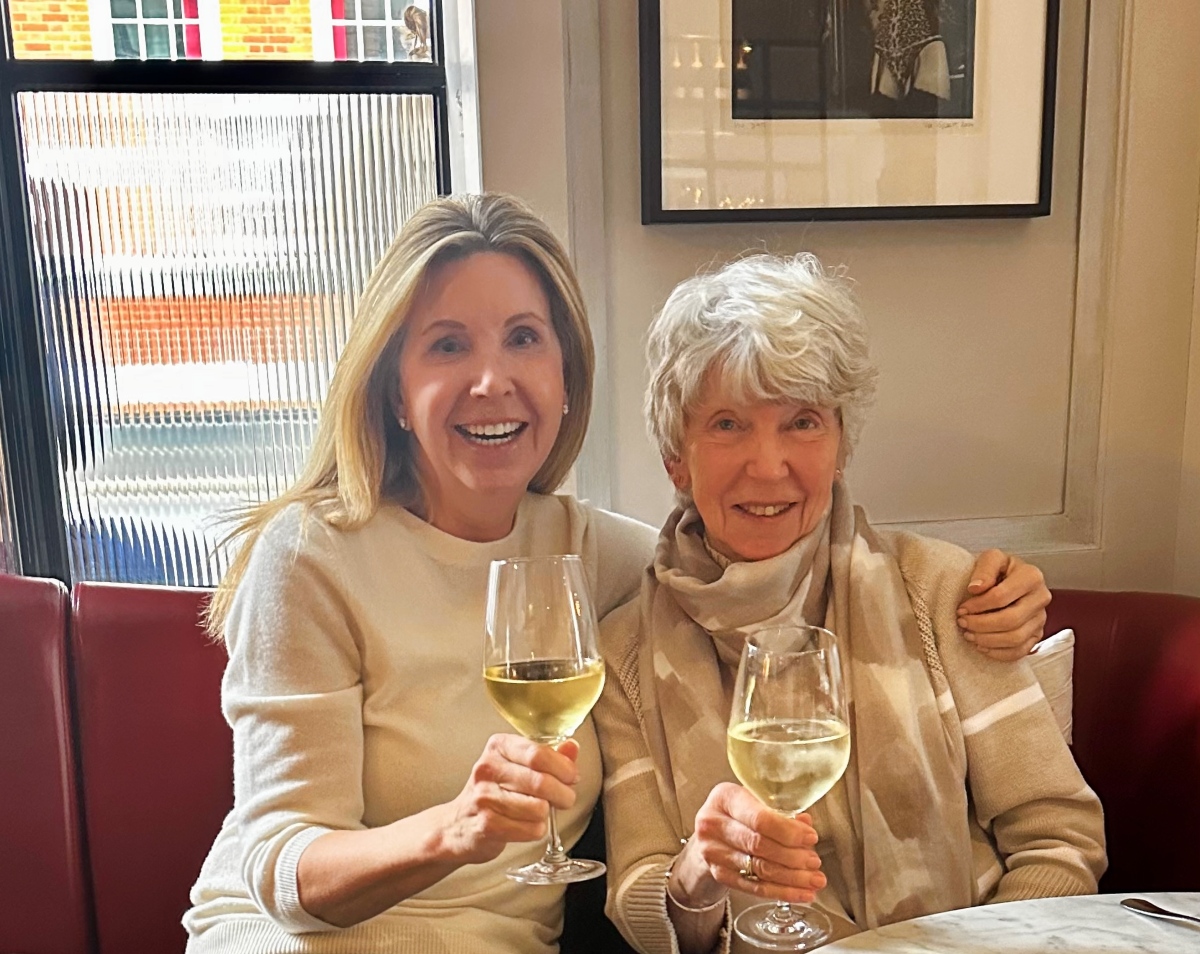
The landscape of modern tourism is experiencing a profound shift toward multigenerational travel, with families increasingly choosing to pool their resources, time, and adventurous spirit to explore the globe together. A recent eight-day United Kingdom excursion undertaken by 86-year-old Jackie Castle and her daughter, Becky O’Grady, exemplifies this evolving trend. Expertly coordinated by Susan Robinson, a senior travel advisor with the family-focused agency Ciao Bambino, the journey bridged generational divides, offering a masterclass in how purposeful planning can facilitate accessible, enriching travel for older adults while simultaneously strengthening family bonds across the adult life cycle.
Main Facts of the Journey and Logistical Framework
The itinerary spanned eight days during the vibrant spring shoulder season, deliberately avoiding the congestion and elevated temperatures of peak summer. The journey commenced in London, where O’Grady’s adult son resides, before transitioning westward. O’Grady and Castle traveled by train to the historic city of Bath, secured a rental vehicle to navigate the picturesque villages of the Cotswolds, and subsequently looped back through Oxford and London.
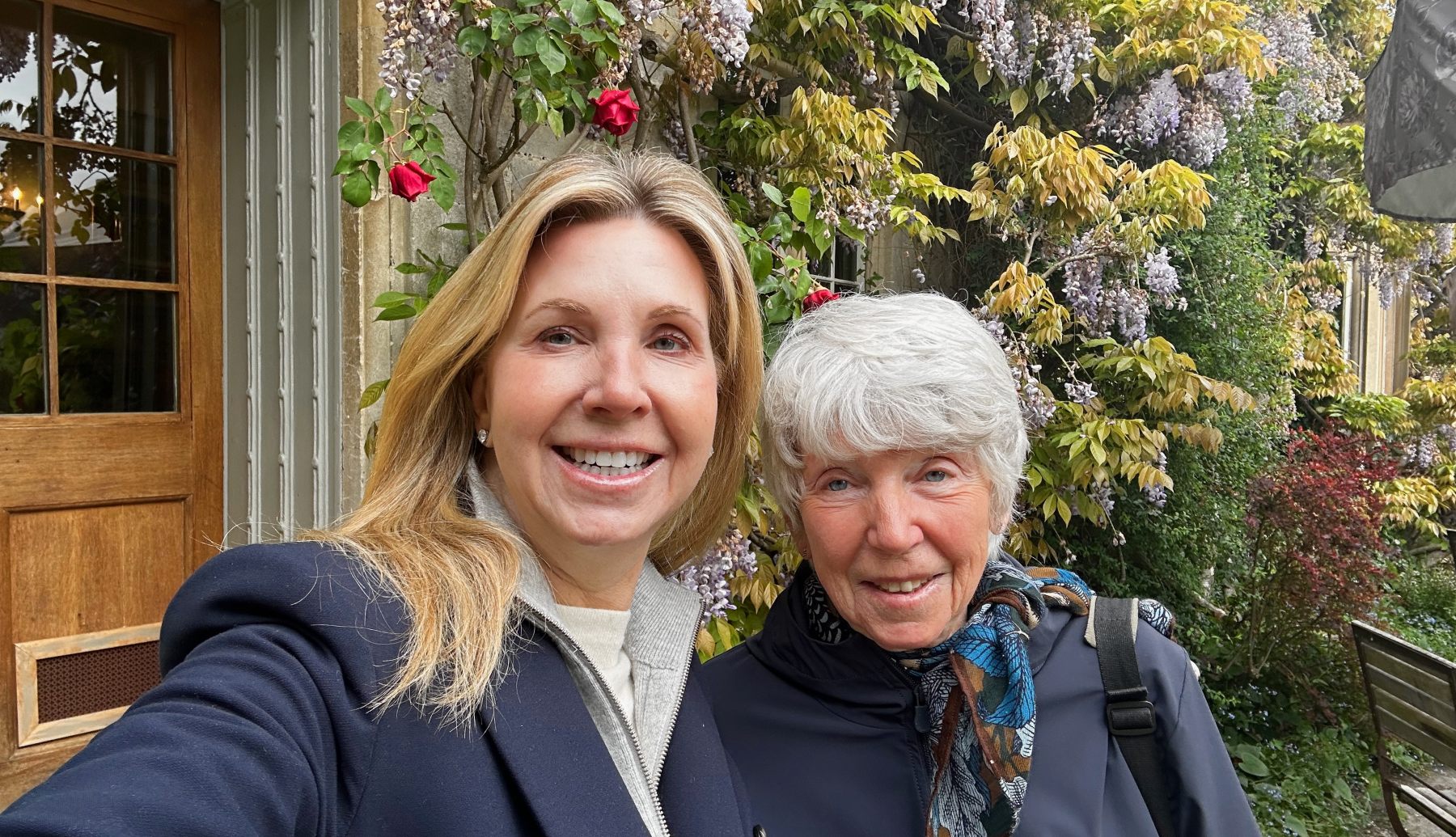
Navigating the historic, uneven cobblestone streets of England presented notable physical and cognitive demands. However, the flexibility afforded by a rental vehicle—following an adjustment period to driving on the left side of the road—proved instrumental in maintaining a comfortable pace. The logistical architecture of the trip was deliberately designed around a "less is more" philosophy. Rather than overpacking the schedule, O’Grady anchored each day around a single primary destination or cultural outing, leaving the remainder of the afternoon open for serendipitous exploration or necessary rest. This measured cadence ensured that Castle, despite her advanced age, remained energized and fully engaged.
Chronology of the Itinerary and Cultural Highlights
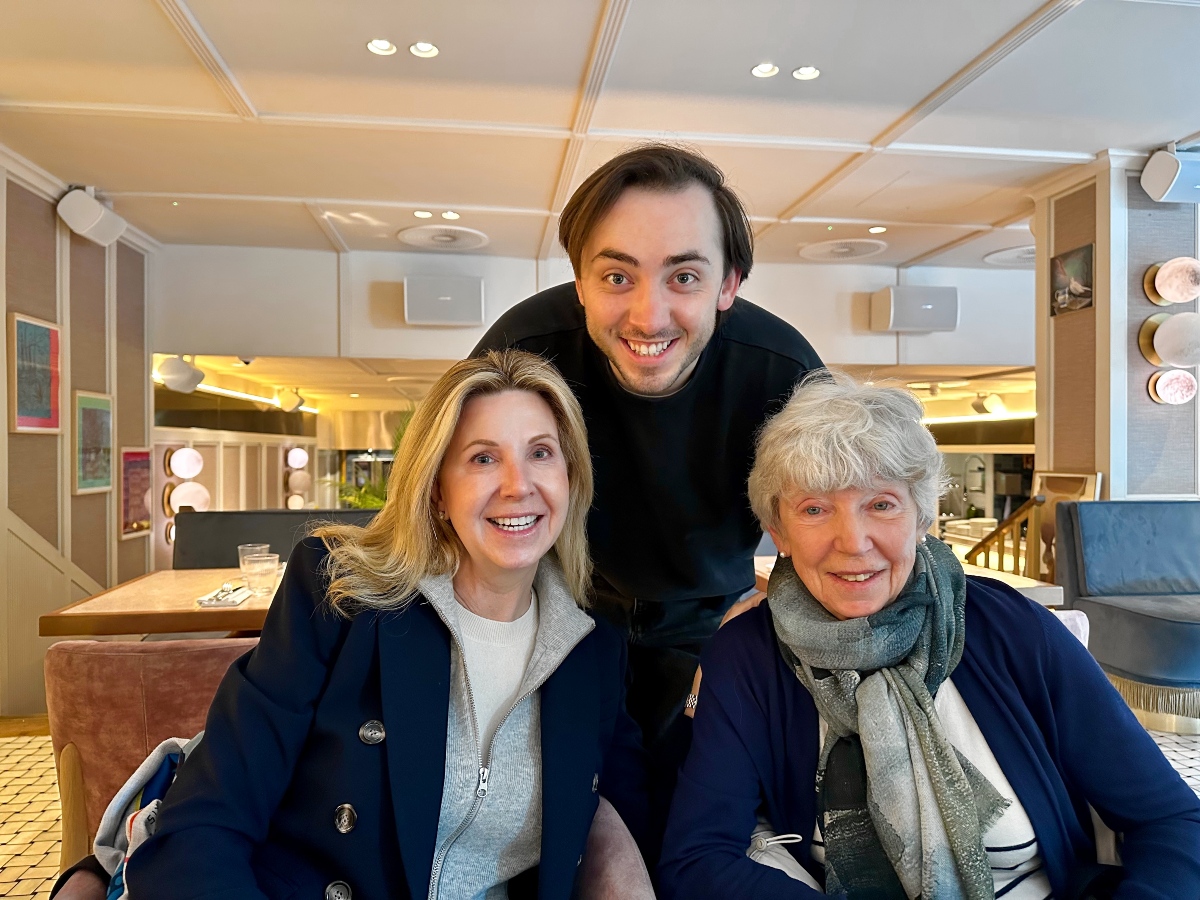
The chronological progression of the trip was structured to blend familial connection with deep historical and literary engagement. The initial phase in London centered on domestic integration, allowing Castle to immerse herself in her grandson’s daily routine—ranging from walking his neighborhood to observing his local transportation habits.
Following their urban introduction, the duo journeyed to Bath before delving into the Cotswolds, a region celebrated for its quintessential English countryside aesthetics. Among the standout cultural highlights for Castle, who holds a PhD in English and maintains an active reading regimen focused on history and biography, was a visit to the historic home of Victorian textile designer and author William Morris, as well as a tour of Highgrove, the private residence of King Charles III.
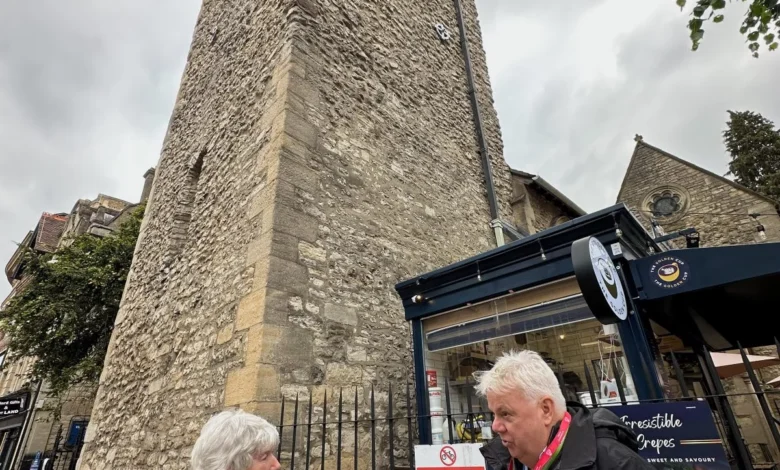
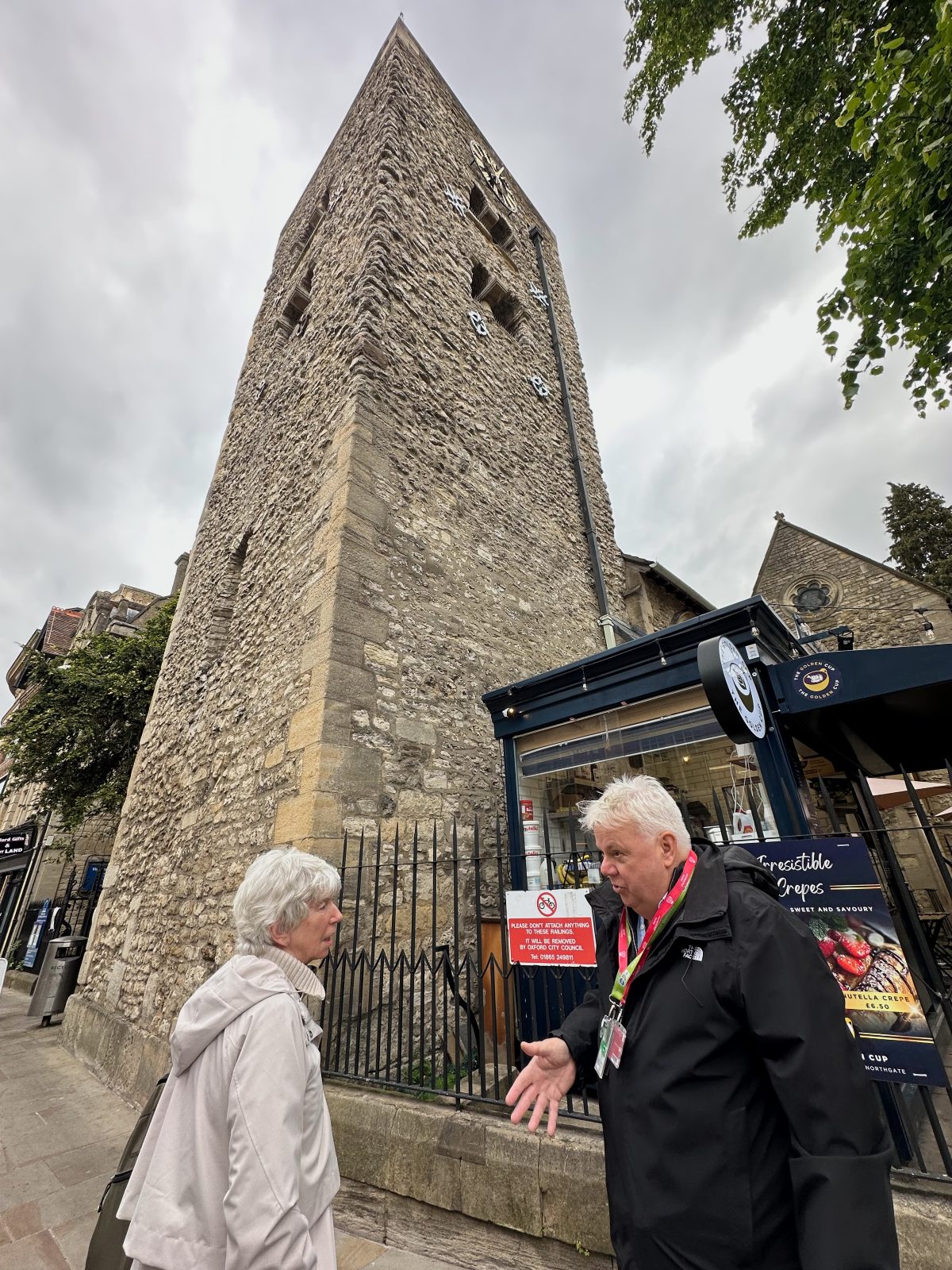
The journey subsequently moved to Oxford, where Castle had studied during her youth. There, her lifelong academic background manifested in humorous interactions with local tour guides, whom she occasionally engaged in intellectual fact-checking. The itinerary concluded back in London, punctuated by an impromptu evening attending a performance of the musical Hamilton, facilitated by the trip’s inherent scheduling flexibility.
Supporting Data and the Economics of Multigenerational Tourism
The O’Grady-Castle expedition underscores a broader economic and demographic phenomenon within the global tourism sector. According to recent travel industry analyses, multigenerational travel—defined as trips involving three or more generations—consistently ranks among the fastest-growing segments in leisure tourism. Industry data indicates that a significant percentage of family leisure budgets are now allocated toward shared experiential travel, driven largely by aging baby boomers who maintain high levels of disposable income, robust health, and a strong appetite for cultural exploration.
Furthermore, structural shifts in retirement ages and workforce flexibility have altered the timing of such vacations. As demonstrated by Castle, who remained professionally active until nearly 70, and her daughter O’Grady, who maintains a full-time career, modern travelers frequently bypass traditional school calendars in favor of spring and autumn shoulder seasons. This timing minimizes exposure to mass tourism while optimizing weather conditions for older demographic cohorts.
Official Responses and Expert Insights on Senior Mobility
The success of the O’Grady-Castle trip highlights the critical role played by specialized travel curation in accommodating elderly travelers. Susan Robinson, the Ciao Bambino senior travel advisor responsible for engineering the itinerary, emphasized the necessity of balancing logistical comfort with bespoke cultural access. In the context of modern senior travel, professional advisors increasingly serve as risk mitigators, ensuring that accommodations, transportation methods, and daily excursion intensities align with the physiological realities of aging without sacrificing the richness of the experience.
Reflecting on the operational dynamics of traveling with an octogenarian, O’Grady noted a distinct psychological parallel to traveling with young children. The responsibility shifted toward ensuring physical safety, adequate hydration, scheduled resting periods, and balanced nutritional intake. However, unlike traveling with toddlers, the journey facilitated a profound intellectual and emotional reciprocity.
Broader Impact and Implications for Aging Families
Beyond the immediate tourism metrics, the journey provides a compelling case study on the evolving nature of familial relationships as parents age. Sociological researchers note that shared travel experiences between aging parents and their adult children can counteract the geographic dispersion common in modern families, creating concentrated blocks of uninterrupted time that are nearly impossible to replicate during routine weekly communication.
For O’Grady, observing her mother’s daily discipline—which included waking early for stretching and yoga routines—provided a tangible benchmark for successful aging. Castle’s active engagement with her physical environment, intellectual curiosity, and deliberate community involvement served as a living blueprint for maintaining autonomy and quality of life in later decades.
As demographic shifts continue to increase the global population of active older adults, the travel industry is responding with infrastructure updates, accessible tour designs, and specialized advisory services. The journey undertaken by Castle and O’Grady demonstrates that advanced age does not preclude international adventure; rather, when paired with thoughtful planning and professional logistical support, it can serve as a catalyst for deeper intergenerational understanding, preserved historical connection, and the creation of enduring family legacies.