The Ultimate Guide to Exploring Australia Gold Coast A Diverse Destination for Modern Travelers

The Gold Coast, located in Southeast Queensland, has evolved into one of Australia’s premier tourism hubs, attracting millions of visitors annually. Stretching approximately 57 kilometers along the Pacific coastline, the region offers a multifaceted environment that blends high-rise urban development with protected rainforest hinterlands. Recent travel trends indicate a shift in visitor behavior, with tourists increasingly seeking a balance between the iconic surf culture of the coastal strip and the tranquil, nature-focused experiences offered by the surrounding valleys and mountain ranges.

Essential Entry Requirements and Regulatory Compliance
For international travelers planning an excursion to Australia, securing the appropriate legal documentation is a critical prerequisite. Under the Australian Department of Home Affairs regulations, all non-citizens require a valid visa or Electronic Travel Authority (ETA) prior to boarding their flight. This requirement is absolute; there is no visa-on-arrival facility for the vast majority of international passport holders, including those from nations that typically enjoy reciprocal travel arrangements with other Commonwealth countries.

Travelers are strongly advised to initiate the application process well in advance of their departure date. Processing times can fluctuate based on the volume of applications and the accuracy of the information provided. Discrepancies in passport details or residency status can result in significant delays or entry denial. Utilizing accredited services, such as iVisa, can provide an additional layer of administrative support, particularly for those navigating the complexities of the Subclass 601 or 651 visa categories. A failure to synchronize the travel document with the specific passport used for air travel is a common point of friction that can disrupt international itineraries.

The Geography and Infrastructure of the Gold Coast
The Gold Coast is strategically positioned approximately one hour south of Brisbane, the state capital of Queensland. The region is served by the Gold Coast Airport (OOL) in Coolangatta, which provides international and domestic connectivity. The local infrastructure is designed to support high-density tourism, featuring an integrated light rail system that connects major commercial hubs such as Southport, Surfers Paradise, and Broadbeach.

Broadbeach has emerged as a primary base for travelers seeking a more tempered experience compared to the high-energy, nightlife-centric environment of Surfers Paradise. Data suggests that visitors who choose central hubs like Broadbeach benefit from higher walkability scores and proximity to diverse dining and retail outlets. This urban planning allows for a "hub-and-spoke" style of travel, where tourists can easily commute to peripheral attractions, such as the Currumbin Valley or the Tamborine Mountain region, while maintaining a convenient home base.

Coastal Dynamics and Surf Culture
The Gold Coast’s identity is intrinsically linked to its surf culture, defined by world-renowned breaks such as Snapper Rocks, Duranbah, and Burleigh Heads. These locations host professional surfing events, including the World Surf League (WSL) qualifying series, which significantly impact the local economy.

The phenomenon of the "Superbank" at Snapper Rocks, a man-made surfing break formed by the dredging of the Tweed River, stands as a testament to the intersection of environmental engineering and recreation. For observers, these locations offer more than just a view; they represent a significant cultural pillar of the region. The proximity of surf clubs, such as the Rainbow Bay Surf Life Saving Club, provides a regulated environment for spectators to engage with the local maritime history and community lifestyle.

The Hinterland Transition: From Coast to Rainforest
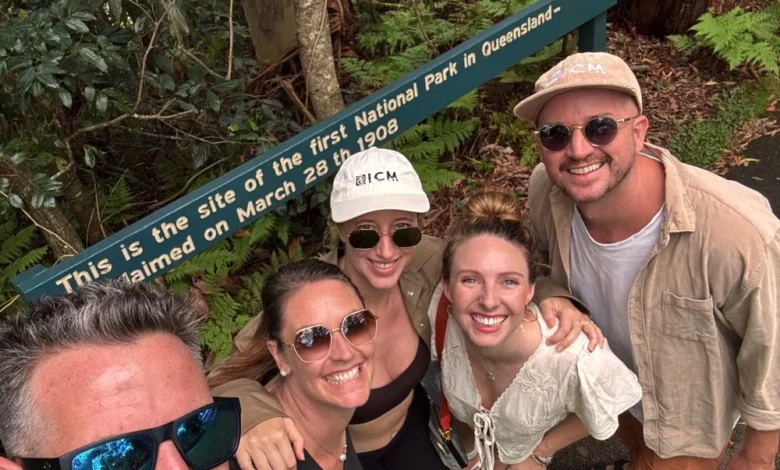
One of the most notable features of the Gold Coast is the rapid transition from sandy beaches to temperate rainforests. Tamborine Mountain, located within the Scenic Rim region, serves as the primary gateway for this experience. The Tamborine National Park, established in 1908, holds the distinction of being Queensland’s first national park.

The ecological diversity of this area is a significant draw for researchers and tourists alike. The rainforest canopy, ancient eucalypt forests, and geological formations offer a distinct contrast to the coastal strip. Tourism operators in the region have expanded their offerings to include canopy walks, ziplining, and eco-tours that emphasize conservation. The economic implications of this hinterland tourism are substantial, as it encourages longer visitor stays and diversifies the regional tourism portfolio beyond seasonal beach-based activities.

Economic and Wellness Trends in Tourism
A recent development in the Gold Coast tourism landscape is the rapid growth of the wellness and "slow travel" sector. Bathhouses and rejuvenation centers, such as those found in the Tallebudgera Valley, have seen an increase in demand. This trend aligns with broader global shifts toward holistic health and wellness tourism, where travelers prioritize mental and physical recovery.

Economically, this sector creates a higher per-capita spend per visitor. By integrating wellness retreats, specialized gastronomy, and artisanal retail, the region is successfully positioning itself as a year-round destination rather than a strictly summer-oriented one. Local businesses in the Currumbin and Tallebudgera valleys have reported increased engagement with domestic and international tourists looking for "authentic" experiences that move beyond the conventional tourist trail.

Strategic Itinerary Planning for Optimal Engagement
For a balanced, professional itinerary, experts recommend a minimum duration of one week. A logical progression includes:

- Initial Coastal Orientation: Dedicated time in Broadbeach or Mermaid Beach to acclimate and utilize public transit for regional access.
- Surfers Paradise Analysis: A brief, focused visit to observe the urban density and iconic coastal architecture.
- Southern Precinct Exploration: A trip to Coolangatta and Snapper Rocks to observe maritime conditions and visit established local institutions.
- Hinterland Immersion: A full day allocated to Tamborine Mountain, including the Witches Falls circuit, to experience the ecological transition.
- Valley and Wellness Activities: A dedicated day in the Currumbin or Tallebudgera valleys, incorporating local agricultural stops and wellness facilities.
Transportation and Accessibility
While the public transit network—including the G:link tram—is efficient for coastal movement, the hinterland areas remain largely inaccessible without private or hired transport. The rental car market in Queensland is robust, with several providers offering options for both standard vehicles and campervans. For those traveling on a budget or interested in long-term exploration, campervan routes provide the greatest degree of flexibility.

However, travelers must be aware of the geographical spread of the Gold Coast. Planning for traffic during peak holiday periods and school breaks is essential, as the arterial road networks can become congested. Using GPS-enabled mapping services and consulting local tourism authorities for real-time road conditions is a recommended practice for all visitors navigating the region by car.

Concluding Assessment
The Gold Coast is a study in successful regional diversification. By maintaining a robust coastal economy while simultaneously investing in the protection and accessibility of its hinterland, the region offers a comprehensive travel experience. The shift toward a more nuanced, "grown-up" version of the Gold Coast—characterized by high-end dining, wellness, and environmental appreciation—suggests that the area will continue to be a primary focus for the Australian tourism sector for the foreseeable future. Travelers who dedicate sufficient time to exploring both the literal and figurative depths of the Gold Coast will find a region that is as ecologically rich as it is culturally vibrant.