The Ultimate Guide to Exploring Los Angeles with Teenagers: 21 Expert-Backed Activities

Navigating family travel through major metropolitan areas often requires a complete strategic overhaul as children transition into adolescence. Los Angeles, a sprawling conglomerate of 88 incorporated cities spanning nearly 500 square miles, presents unique logistical challenges and distinct opportunities for families traveling with teenagers. Unlike younger children who are easily entertained by basic sensory attractions, adolescents require an equilibrium of autonomy, high-thrill entertainment, cultural relevance, and visually engaging environments suitable for digital documentation.

Industry analysis of family tourism trends indicates that teenage travelers increasingly seek agency in destination itineraries. Consequently, modern travel planning for this demographic shifts away from rigid, parent-led schedules toward neighborhood-based exploration, hands-on experiences, and active participation in cultural and recreational activities.
Logistical Realities and Neighborhood-Based Planning
The geography of Los Angeles cannot be evaluated by standard linear distance metrics; transit times are dictated by severe urban congestion and peak traffic hours. A journey spanning a dozen geographic miles can fluctuate from twenty minutes to over an hour depending on the time of day, making traditional multi-stop daily itineraries a primary source of familial friction.
To mitigate transit fatigue, urban planning experts and veteran family travel writers recommend a neighborhood-centric approach. Confining daily activities to specific, walkable pockets allows families to park once and explore on foot. This framework not only reduces time spent inside rental vehicles along heavily congested corridors such as the 405 freeway, but it also provides teenagers with safe, controlled environments to exercise independence—such as browsing boutiques on Melrose Avenue or exploring the Third Street Promenade while parents observe from a nearby café.

Thrill-Seeking and Major Entertainment Venues
As children enter their teens, height restrictions—which typically cap at 48 to 54 inches for major attractions—no longer apply, unlocking access to advanced amusement parks and high-velocity roller coasters.
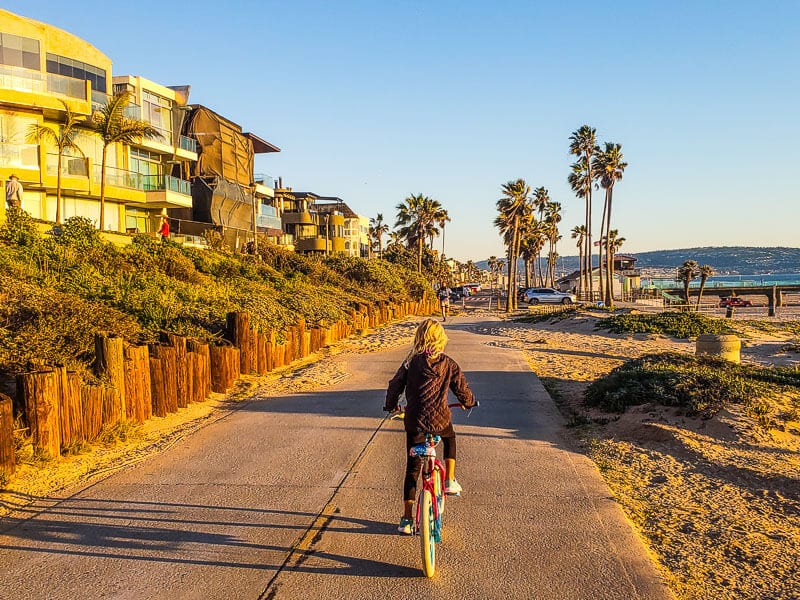
Six Flags Magic Mountain, situated in Valencia approximately an hour north of central Los Angeles, is a primary destination for adrenaline-seeking teenagers. The park houses 16 operating roller coasters, representing one of the highest densities of major thrill rides globally. Notable installations include Twisted Colossus, a hybrid steel-and-wood dueling coaster, and Tatsu, a face-down flying coaster. Industry data underscores that teenagers heavily favor peer-oriented environments where height-restricted younger demographics are absent, enhancing the appeal of regional parks over traditional family-centric alternatives.
Universal Studios Hollywood offers a more compact footprint compared to its Orlando counterpart, allowing visitors to experience the park fully within a single day. Key attractions include the Wizarding World of Harry Potter and Super Nintendo World. Crucially, the park’s historic Studio Tour provides an educational and cinematic layer that resonates deeply with adolescents who possess a developed understanding of film production and set design.
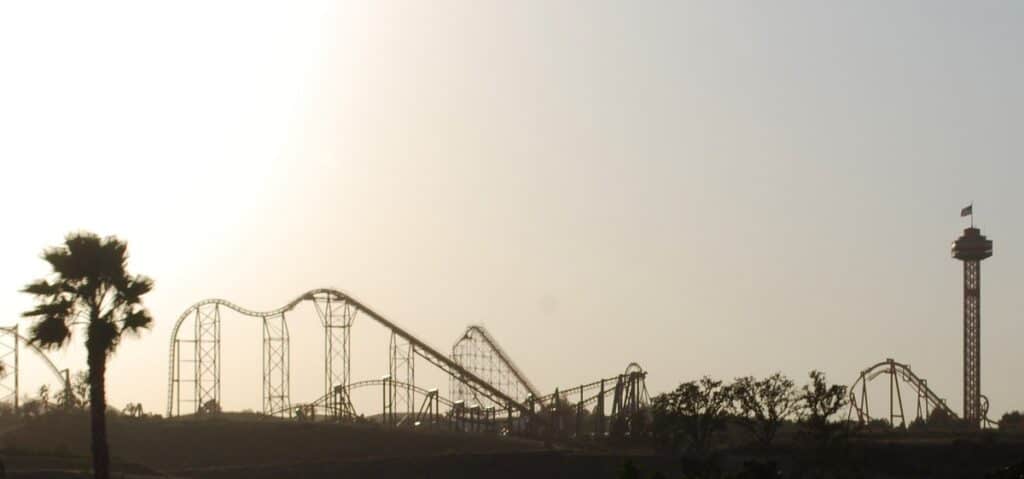
Similarly, the Disneyland Resort in Anaheim continues to maintain high engagement among teenage demographics. Beyond nostalgia, older minors value the absence of ride restrictions, the ability to temporarily separate from parental units, and an environment that permits uninhibited enthusiasm during a developmental stage often characterized by cynicism.
Active Recreation and Coastal Exploration
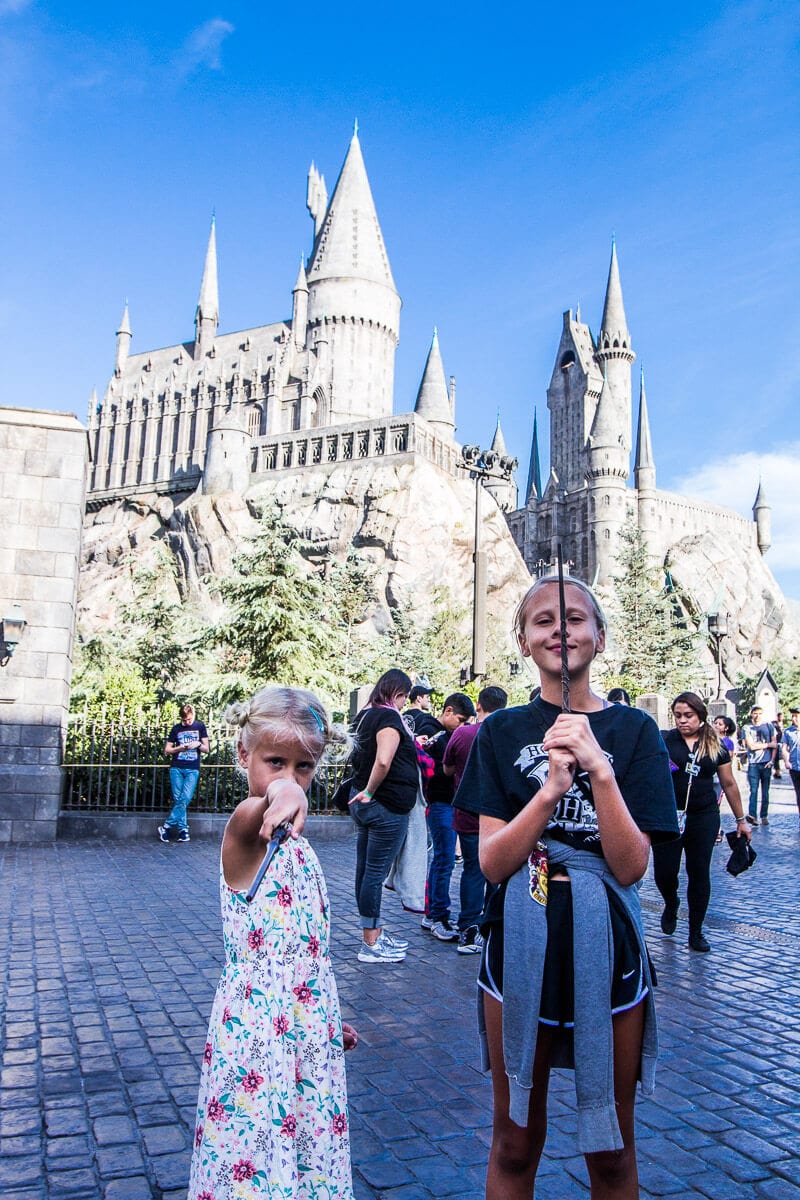
Southern California’s coastal geography offers structured physical activities that appeal to active teenagers. Group surf lessons, lasting approximately 90 to 120 minutes, are widely available from Santa Monica down through the South Bay and into Malibu. Industry instructors note that mastering a physical challenge like surfing provides an immediate psychological boost, temporarily breaking down adolescent displays of indifference.
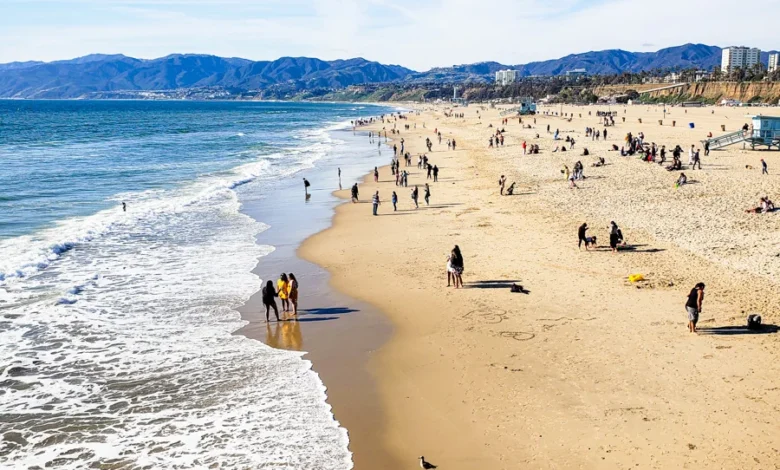
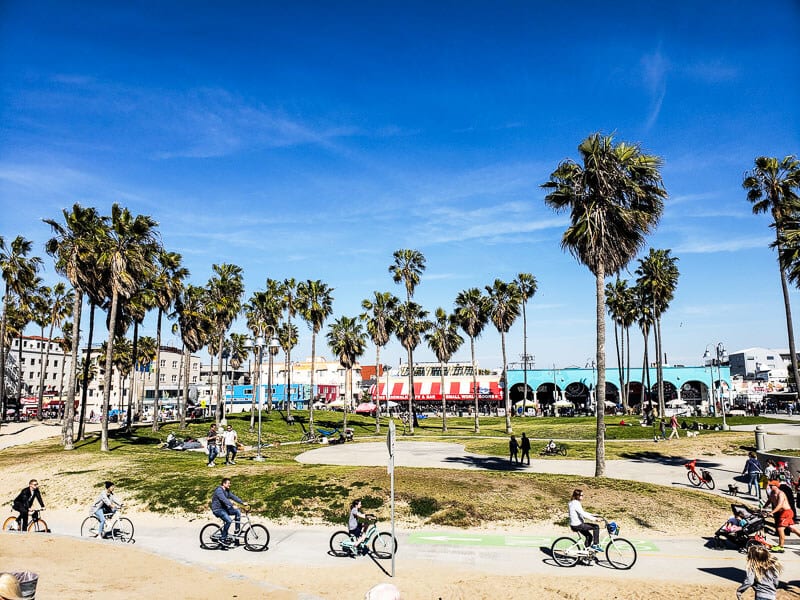
For land-based coastal exploration, the three-mile paved bike path connecting Santa Monica to Venice Beach provides a flat, accessible route for cycling or rollerblading. The Venice Beach Boardwalk, established as a counterculture hub in the 1970s, features the prominent Venice Skate Park. While offering rich cultural observation, urban safety analysts advise visiting these areas strictly during daylight hours due to the visible homeless population and open public activities, ensuring families can navigate the environment safely while prompting meaningful discussions about urban socio-economic challenges.

Live Sports, Performing Arts, and Cultural Institutions
The integration of professional sports and live music into an Los Angeles itinerary addresses the distinct cultural interests of modern teenagers.
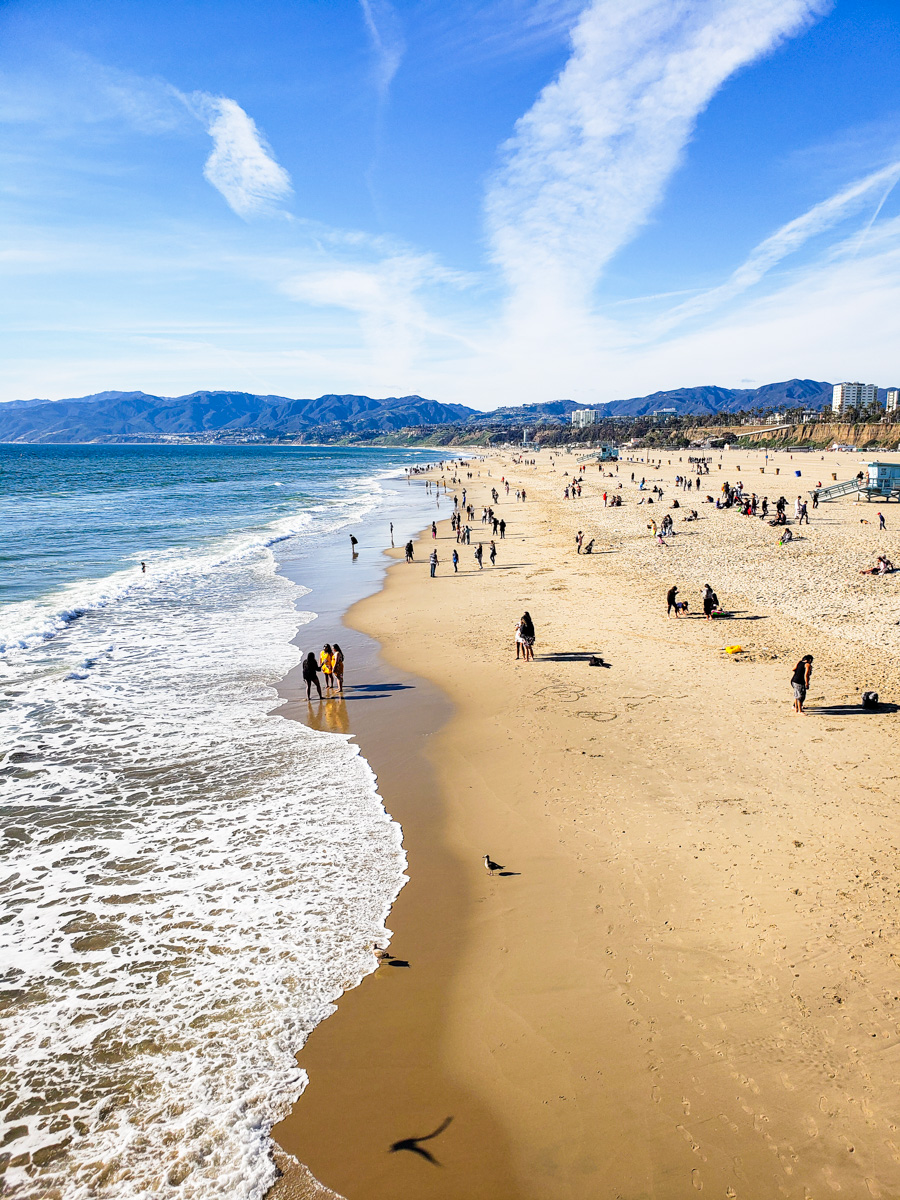
The WNBA’s Los Angeles Sparks, playing at the Crypto.com Arena in Downtown Los Angeles, offer an accessible alternative to high-priced NBA games. With arena configurations holding roughly 13,000 spectators for WNBA fixtures, ticket pricing remains significantly more affordable than Lakers games, while providing an energetic, youth-oriented atmosphere. Sociological studies on youth sports consumption highlight the powerful developmental impact of female adolescents observing women competing at the highest professional tiers.
For musical performances, outdoor venues such as the Hollywood Bowl and the Greek Theatre offer historic backdrops that elevate a standard concert into a culturally significant event. Operating since 1922 and 1930 respectively, these natural amphitheaters host world-class acts within the urban wilderness of the Hollywood Hills, providing an acoustic and visual experience distinct from indoor arenas found nationwide.
Visual Arts, Photography, and Retail Culture
Adolescent engagement with visual arts is frequently mediated through digital photography and social documentation.

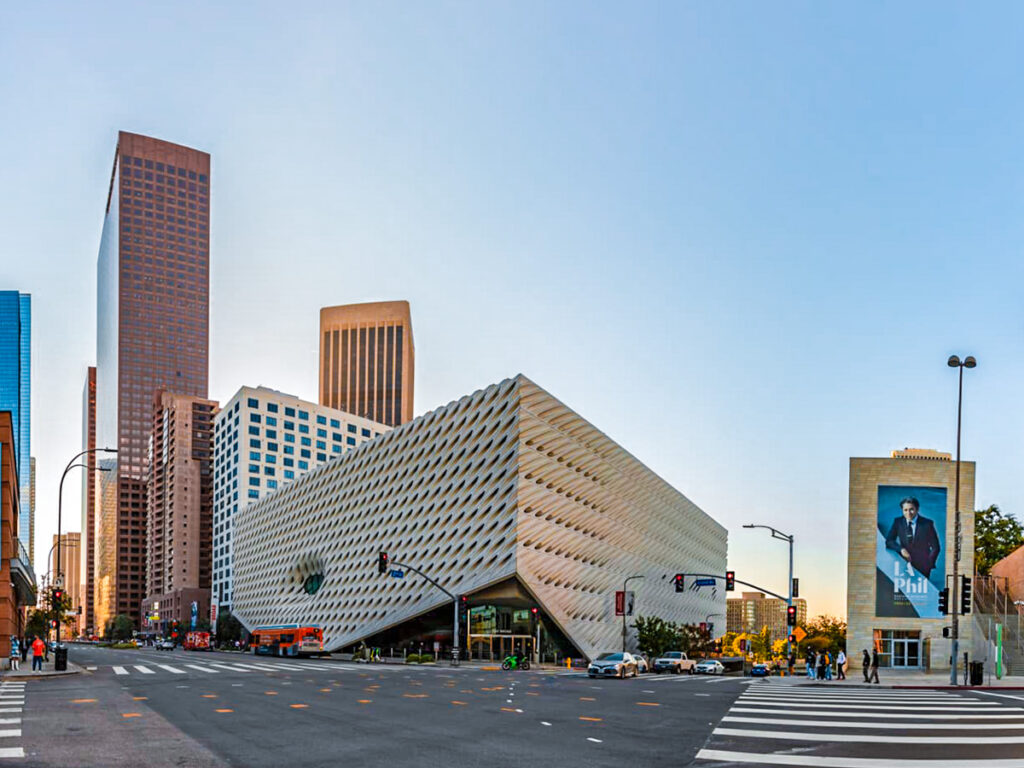
The Broad, a contemporary art museum located in Downtown Los Angeles, provides free general admission alongside high-demand timed entry to Yayoi Kusama’s Infinity Mirrored Room. The immersive, mirrored light installation has become an iconic focal point for contemporary art enthusiasts and young travelers alike.
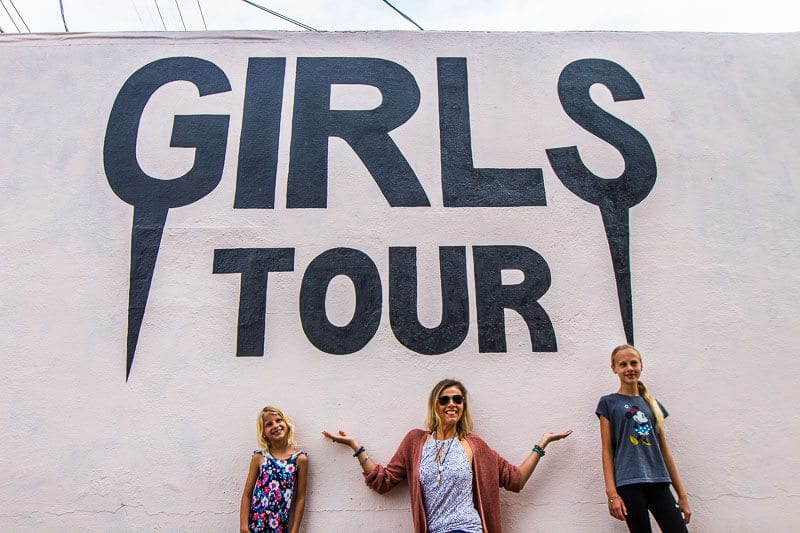
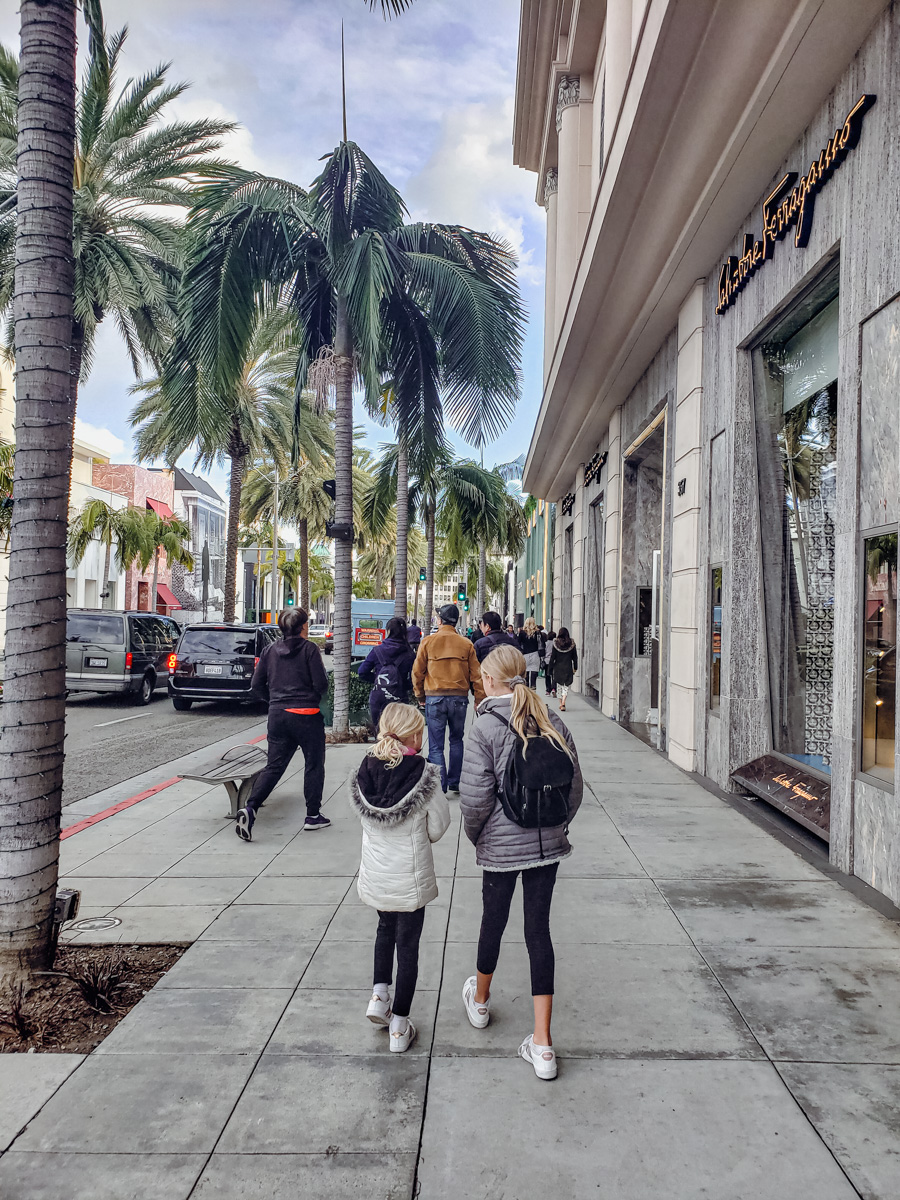
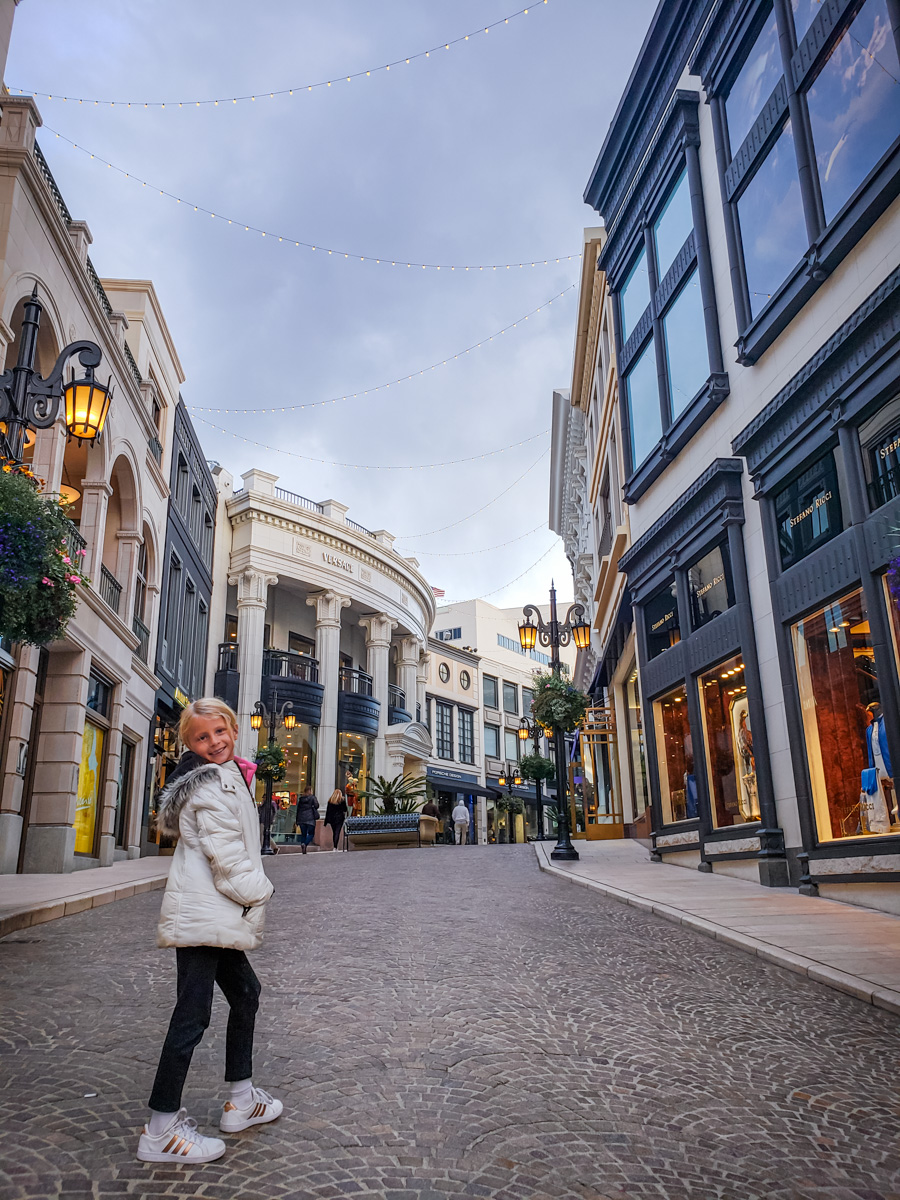
Retail districts such as Melrose Avenue and Rodeo Drive in Beverly Hills offer contrasting economic snapshots of the city’s fashion landscape. Melrose features rotating street murals and independent vintage boutiques, catering to self-expression and street photography. Conversely, Rodeo Drive provides a masterclass in luxury retail architecture and window-shopping, allowing teenagers to experience the commercial opulence popularized by decades of American cinema.

Cinematic History and Studio Infrastructure
Los Angeles remains the global capital of the entertainment industry, making behind-the-scenes access a cornerstone of any teen-focused itinerary.
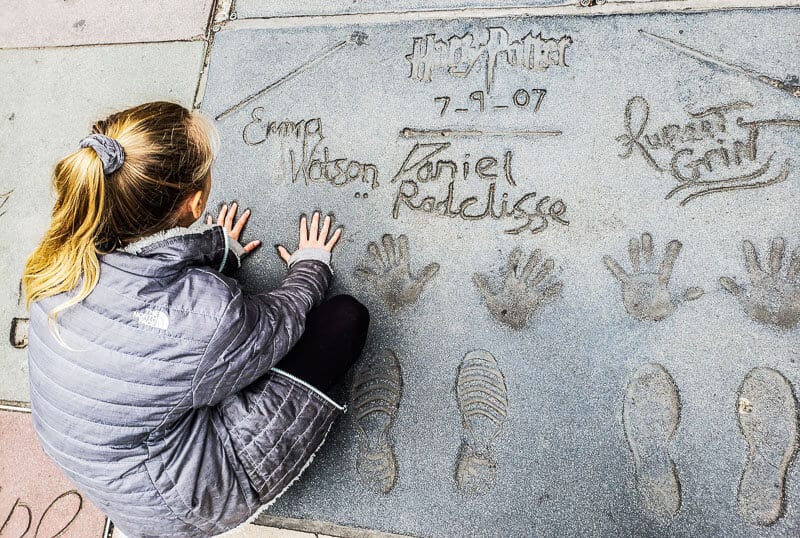
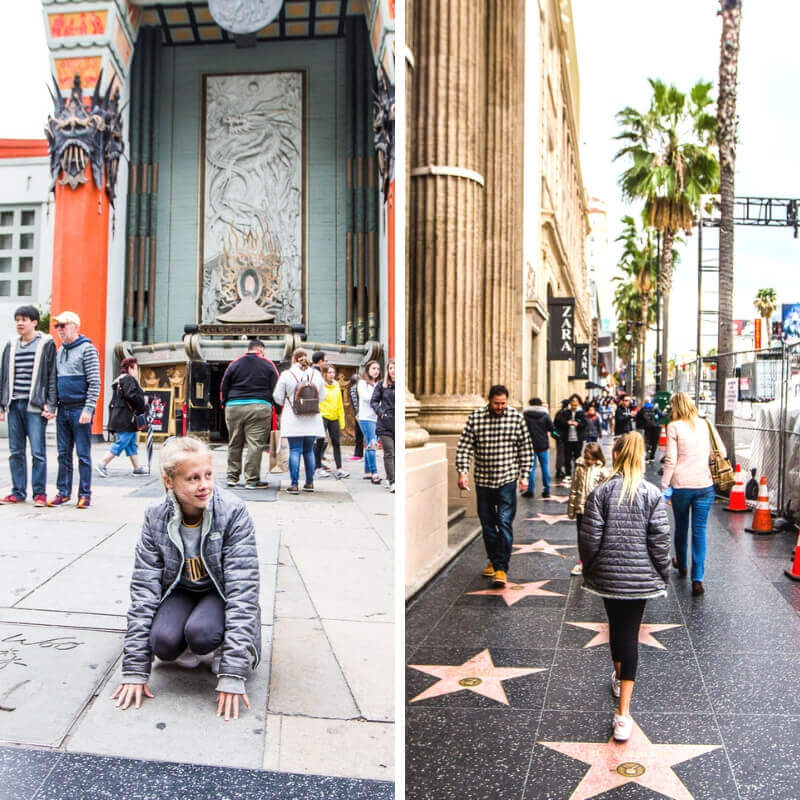
Guided walking tours of Hollywood Boulevard recontextualize a strip often criticized for commercialism, educating visitors on the architectural and industrial history of the motion picture capital. Similarly, celebrity home tours conducted via open-top vehicles provide geographic context to exclusive residential enclaves such as Bel Air, Mulholland Drive, and Beverly Hills.
The Warner Bros. Studio Tour Hollywood in Burbank delivers an immersive look at active television and film production. Highlighting long-running series such as Friends alongside extensive archives from major franchises like Harry Potter, the three-hour tour bridges historical pop culture with modern filmmaking mechanics, appealing directly to teenage media consumers.
Urban Wilderness and Outdoor Recreation
Beyond the urban core, Los Angeles features extensive natural terrain suitable for outdoor pursuits. Griffith Park, encompassing over 8,000 acres of urban wilderness, offers more than 50 miles of hiking trails. The Mt. Hollywood summit trail provides panoramic views of the Los Angeles basin and offers optimal vantage points for photographing the iconic Hollywood Sign, correcting common tourist misconceptions regarding public access to the physical structure.
At the park’s summit, the historic Griffith Observatory remains free to the public, offering evening access to public telescopes and astronomical exhibits until 10 p.m. Tuesday through Sunday. Further west, Malibu Creek State Park offers historical significance as a former filming location for television and film productions, combining moderate wilderness trekking with cinematic heritage.
Culinary Diversity and Promoting Independence
Food culture in Los Angeles serves as an effective tool for teaching travel independence. Historic communal spaces such as Grand Central Market in Downtown Los Angeles—operating since 1917—and the Original Farmers Market at 3rd and Fairfax house dozens of diverse culinary vendors under one roof. Providing teenagers with a set budget and the autonomy to select their meals within these contained environments fosters decision-making skills and exposes them to global cuisines, ranging from traditional Salvadoran pupusas to contemporary fusion concepts.
Economic Strategies and Practical Travel Considerations
Executing a comprehensive Los Angeles itinerary with teenagers requires careful financial planning. Tourism economists recommend utilizing multi-attraction discount passes, such as the Go City pass, for families planning to visit three or more ticketed venues.
However, Los Angeles offers substantial fiscal value through its extensive collection of complimentary world-class attractions, including the Broad, Griffith Observatory, Runyon Canyon, the Hollywood Walk of Fame, and the city’s diverse public beaches and architectural landmarks. By strategically balancing high-cost ticketed theme parks with free cultural and natural explorations, families can construct a dynamic, economically viable itinerary tailored to the complex preferences of teenage travelers.