The 27 Best Apps for Freelancers to Streamline Business Operations, Productivity, and Growth


The modern independent workforce has experienced unprecedented growth, shifting the traditional economic landscape toward a decentralized model characterized by remote work, specialized digital contracting, and project-based employment. Industry data indicates that the global freelance economy now encompasses over one billion workers, spanning sectors such as software development, digital marketing, graphic design, and content creation. Operating a solo enterprise requires managing multiple complex workflows simultaneously—including client acquisition, time tracking, secure invoicing, cross-platform communication, and physical wellbeing. Navigating this vast ecosystem of digital tools can be daunting for both novice contractors and seasoned independent professionals seeking to optimize their operational overhead.
Market Evolution and the Rise of the Independent Enterprise

The transition from traditional corporate structures to independent freelancing accelerated dramatically following global workplace transformations in 2019. According to recent workforce analyses, independent professionals contribute trillions of dollars annually to the global economy. However, self-employed individuals face unique administrative challenges that traditional employees rarely encounter. Without human resources departments, accounting teams, or IT support structures, freelancers must act as chief executive officers, project managers, and customer service representatives for their own businesses.
To bridge this operational gap, a robust marketplace of software-as-a-service (SaaS) applications has emerged. These digital platforms automate repetitive tasks, reduce human error in financial reporting, and establish seamless communication channels between remote contractors and international enterprise clients. Industry analysts note that leveraging the correct suite of digital tools can increase a solo operator’s billable hours by up to 25%, directly translating to higher revenue generation and reduced burnout.
Time Management and Productivity Infrastructures

Effective time management remains the cornerstone of sustainable independent business operations. Unlike traditional hourly employment, where presence often dictates compensation, freelancers are generally judged by output, efficiency, and adherence to strict delivery deadlines. Utilizing advanced productivity frameworks allows contractors to audit their workflows and identify bottlenecks in project execution.
Time-Tracking and Auditing Tools
Precise time allocation is critical for both hourly contractors and project-based professionals. Platforms like Clockify and Toggl offer comprehensive time-tracking mechanisms that capture billable minutes with granular accuracy. Industry research underscores the importance of empirical time auditing: many freelancers routinely underestimate the hours required for administrative tasks, client correspondence, and revisions. By systematically tracking time spent on individual deliverables, independent workers can evaluate their effective hourly wage, determine if current project rates are sustainable, and justify pricing adjustments to long-term clients. Both platforms provide robust free tiers that fulfill the operational requirements of solo entrepreneurs without necessitating expensive software subscriptions.

Project Management and Task Organization
As client rosters expand, mental bookkeeping becomes untenable, increasing the likelihood of missed deadlines and fractured client relationships. Project management suites such as ClickUp, Asana, and Todoist provide centralized hubs for task delegation, scheduling, and milestone tracking.
ClickUp has gained traction among independent operators due to its highly customizable workspace architecture, allowing users to segment projects by client or deliverable type while maintaining a generous free feature set. Similarly, Asana serves as an industry standard for content creators and social media managers who require visual calendar layouts to map digital campaigns months in advance. For professionals seeking a streamlined, text-based task manager reminiscent of native mobile reminder applications, Todoist offers a lightweight interface designed to minimize cognitive load while ensuring daily operational objectives are clearly delineated.

Financial Administration: Invoicing, Billing, and Accounting
Cash flow volatility is frequently cited as the primary operational risk for independent contractors. Delayed payments, disputed invoices, and manual billing errors can destabilize a solo enterprise. Consequently, integrating reliable financial software is paramount for maintaining fiscal health.
Comprehensive Client Management and Billing Suites

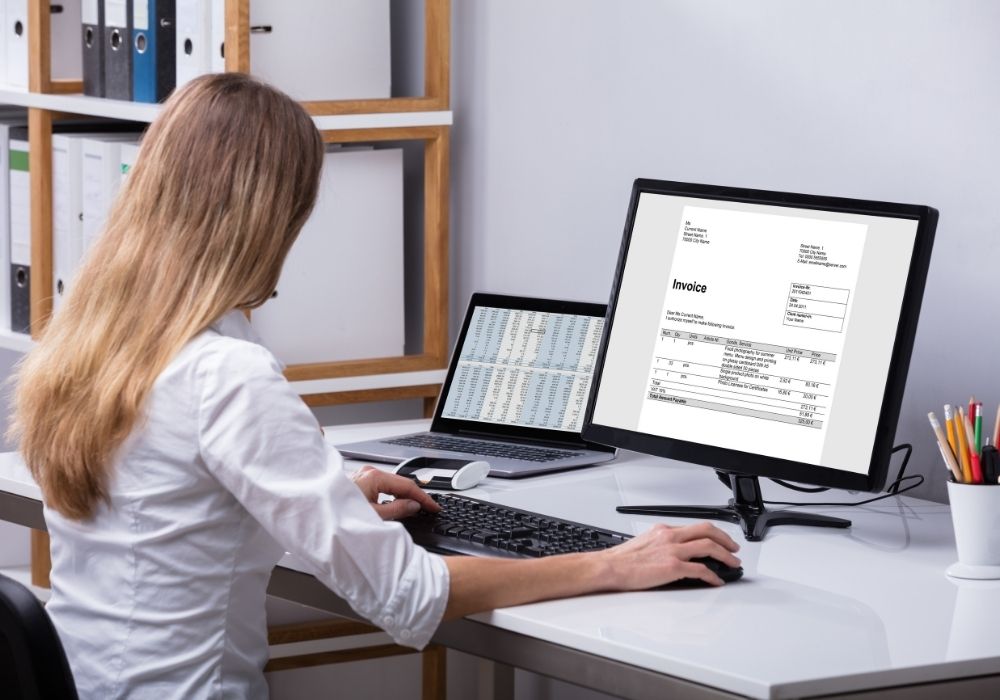
Platforms such as HoneyBook and Dubsado function as comprehensive client management systems (CMS) that merge invoicing, contract signing, proposal creation, and scheduling into a unified dashboard. HoneyBook, equipped with native mobile applications, enables freelancers to manage client communications and monitor recurring retainer payments remotely. Automated payment reminders significantly reduce the administrative burden of chasing overdue accounts, allowing contractors to focus on billable core competencies rather than accounts receivable.
Specialized accounting solutions like Wave and QuickBooks offer advanced financial tracking, expense categorization, and tax preparation capabilities. Wave has established itself as a preferred choice for cost-conscious freelancers by offering robust invoicing and basic accounting features without monthly subscription fees. Meanwhile, QuickBooks remains the industry benchmark for comprehensive business accounting, seamlessly integrating with major banking institutions and e-commerce platforms to provide real-time profit and loss visibility.
Payment Gateways and Direct Invoicing

For rapid, consumer-trusted transactions, PayPal remains a ubiquitous fixture in the freelance economy. Its widespread international adoption reduces friction during onboarding, as global clients are frequently familiar with its security protocols and payment mechanisms. Although transaction fees apply, the platform’s reliability makes it a staple for writing and consulting gigs. Invoice Simple provides an alternative for streamlined billing, offering customizable templates that convert project estimates into formal invoices with minimal administrative effort.
Communication Protocols and Client Collaboration
Clear, professional communication directly correlates with client retention and project success. Modern freelancing requires sophisticated communication channels that transcend traditional email correspondence, protecting personal privacy while maintaining rapid response times.

Instant Messaging and Video Conferencing
Slack has redefined corporate and independent communication by facilitating instant messaging without requiring contractors to exchange personal telephone numbers. Group channels streamline collaboration when working alongside multi-member client teams. For synchronous face-to-face interactions, Zoom remains essential for initial discovery calls, stakeholder meetings, and virtual consultations. Industry data indicates that video-based intake calls convert prospective leads at a significantly higher rate than text-based negotiations, establishing rapport and trust early in the business relationship.
Asynchronous Video and Voice Solutions

To minimize unnecessary meetings, innovative asynchronous tools have disrupted traditional communication workflows. Loom enables freelancers to record synchronized screen and webcam video tutorials, allowing contractors to explain complex deliverables, walk clients through software installations, or present design drafts on demand. This approach respects client schedules across different global time zones. Similarly, Voxer functions as a secure walkie-talkie application, enabling voice-note communication that many independent professionals utilize for dedicated client "office hours."
Data Organization and Security Infrastructure
Protecting proprietary data, client credentials, and digital assets is an ethical and legal imperative for modern contractors. Data disorganization can lead to catastrophic intellectual property loss or security breaches.
Cloud Storage and Document Management
Google Drive and Dropbox serve as the foundational repositories for digital asset management. Google Drive’s collaborative capabilities make it the preferred environment for real-time document editing and client-facing file sharing. Conversely, Dropbox offers superior desktop synchronization and extensive storage tiers, accompanied by Paper Docs for internal team collaboration. For tablet-based creative professionals, Goodnotes and Evernote provide sophisticated digital notebooks for meeting minutes, handwritten brainstorming, and visual sketching.
Credential Management

Freelancers frequently manage sensitive administrative logins and proprietary passwords on behalf of multiple enterprise clients. Storing these credentials insecurely exposes businesses to severe cybersecurity vulnerabilities. LastPass provides encrypted password storage and secure credential sharing, allowing social media managers and developers to access necessary client platforms without compromising security standards.
Client Acquisition Ecosystems
Establishing efficient operational systems is ultimately secondary to securing a consistent pipeline of client work. While traditional networking and cold outreach remain viable, digital labor marketplaces have transformed client acquisition. Platforms such as Upwork allow independent professionals to establish comprehensive portfolios, bid on verified corporate projects, and manage contracts within a secure escrow environment. Industry analyses suggest that utilizing established marketplaces reduces the initial friction of freelance entrepreneurship, bypassing the need for aggressive outbound sales strategies during early business development phases.

Implications and Future Outlook of Independent Work Software
The proliferation of specialized software for independent contractors reflects a broader macroeconomic shift toward decentralized labor markets. As enterprise organizations increasingly rely on specialized external talent to execute agile projects, the administrative expectations placed on freelancers will continue to rise. Industry analysts predict that future integrations will heavily feature artificial intelligence-driven automation, predictive cash-flow forecasting, and automated tax compliance tools tailored specifically for solo operators.
Ultimately, the successful integration of digital applications transforms freelancing from a high-stress, administrative burden into a scalable, highly efficient enterprise model. By strategically adopting tools that optimize time management, financial tracking, health monitoring, and secure communication, independent professionals can mitigate operational friction, safeguard their physical wellbeing, and achieve sustainable long-term growth in an increasingly competitive global marketplace.
Related posts: