Sony FE 400mm f/4.5 GM OSS and FE 600mm f/6.3 GM OSS lenses reveal a masterclass in modular optical engineering


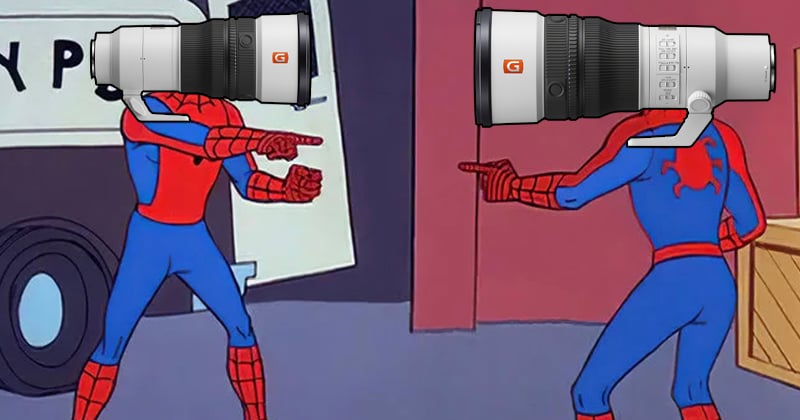
The recent release of the Sony FE 400mm f/4.5 GM OSS and the FE 600mm f/6.3 GM OSS has sent ripples through the professional photography industry, not merely for their impressive image quality or G Master branding, but for the remarkable degree of design parity between them. By utilizing a shared foundational optical architecture, Sony has effectively streamlined its manufacturing pipeline while delivering two distinct, high-performance tools for wildlife and sports photographers. This approach represents a significant shift in how optical manufacturers approach the R&D cycle for premium telephoto primes.
A Study in Shared Architecture
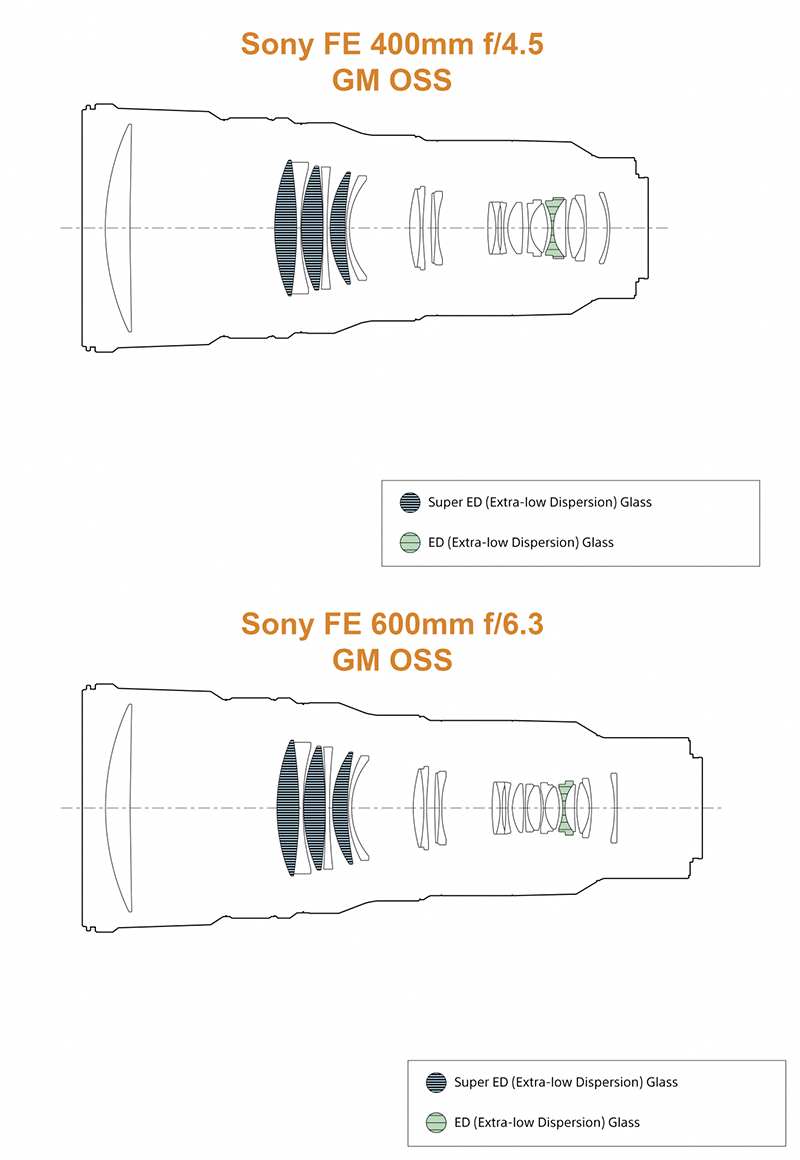
At first glance, the two lenses appear to be siblings in a larger family of Sony telephoto glass. However, technical analysis of their internal schematics reveals that they are more than just aesthetically similar; they share a significant portion of their optical design. From the large front element to the internal focusing group located near the center of the barrel, the 400mm and 600mm lenses utilize identical components.
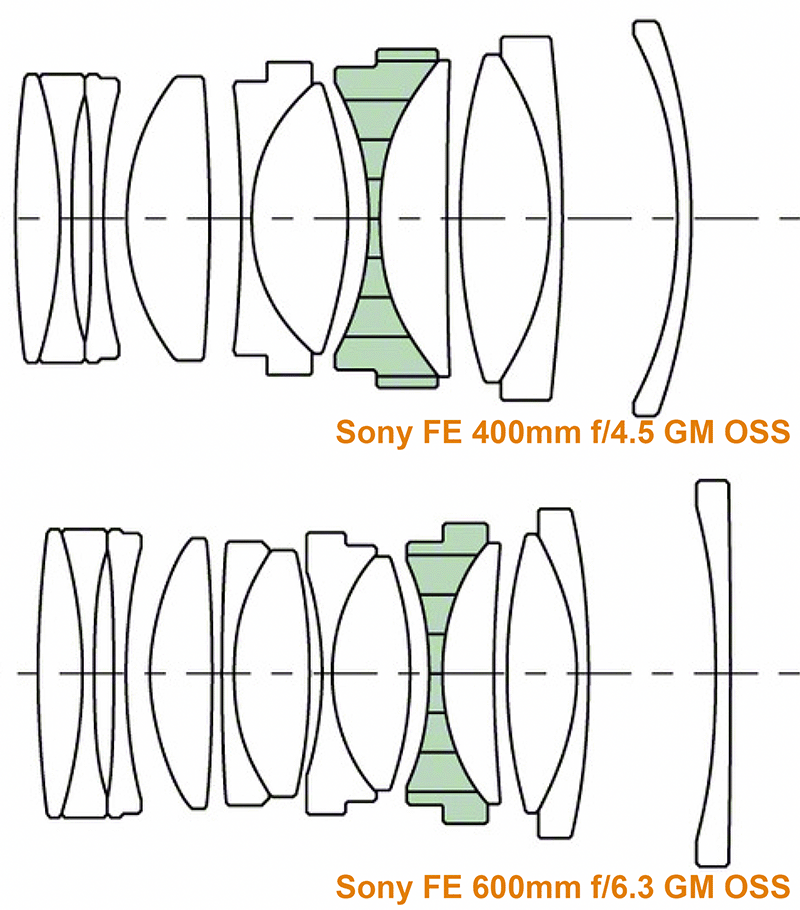
The integration of Super ED (Extra-low Dispersion) glass elements is a cornerstone of both designs. By leveraging the same high-refractive, low-dispersion glass groupings, Sony has ensured that both lenses maintain the high-contrast, aberration-free performance expected of the G Master line. The 600mm f/6.3 variant differentiates itself primarily through the addition of a rear-mounted optical group consisting of two extra elements, bringing its total configuration to 24 elements in 17 groups. This supplementary group is the critical factor in achieving the extended reach while managing the physical size of the lens.
Physical Specifications and Ergonomics
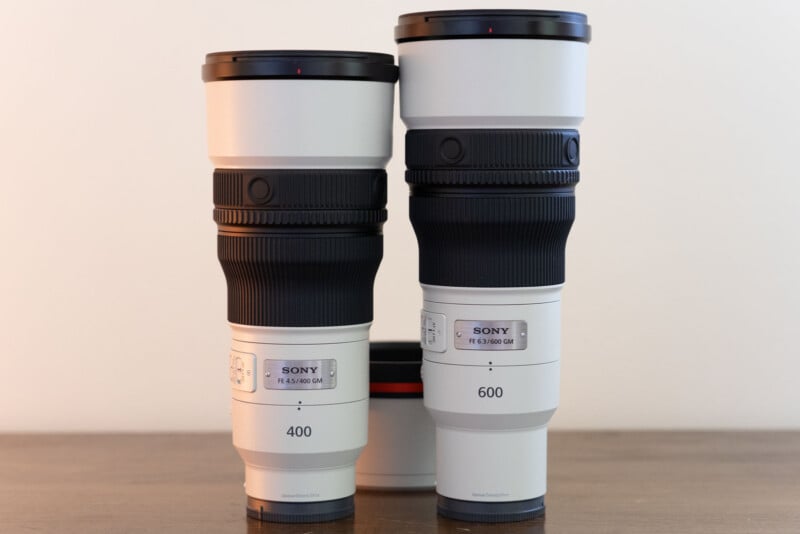
The physical similarities between the two optics are striking. In terms of weight, the difference is negligible, amounting to roughly one gram—a mass comparable to a standard paper clip or a single dollar bill. Furthermore, the 600mm lens is less than an inch longer than its 400mm counterpart, a dimension that is largely imperceptible in real-world field conditions.
Both lenses feature identical environmental sealing, button layouts, and autofocus motor architectures. This consistency provides a seamless experience for photographers who switch between the two focal lengths during a single shoot. Whether tracking a fast-moving bird in flight or capturing the subtle movements of wildlife in a dense forest, the handling characteristics remain uniform. This consistency extends to the minimum focusing distance and the on-barrel customizable controls, which are positioned identically to facilitate muscle memory for professional users.

The Engineering Logic Behind the Aperture
The discrepancy in aperture—f/4.5 on the 400mm versus f/6.3 on the 600mm—is a direct result of the physics governing lens design. In optical engineering, the aperture value is defined by the relationship between the focal length and the entrance pupil diameter. Because both lenses utilize a similar physical opening size at the front, increasing the focal length necessitates a corresponding reduction in the relative aperture size. By keeping the front element diameter consistent across both models, Sony has successfully minimized the R&D and tooling requirements for the most expensive part of the lens manufacturing process: the large-diameter glass elements.
Historical Context and Industry Trends
This strategy of modularity is not entirely unprecedented, yet its execution here is particularly sophisticated. In 2024, Fujifilm demonstrated a similar methodology by introducing the 500mm f/5.6 R LM OIS WR lens. Initially designed for the medium-format GFX system, the company later adapted the design for its APS-C X Series cameras, effectively creating a 750mm-equivalent lens with minimal additional engineering overhead.

Sony’s current initiative, however, takes this concept further by launching both focal lengths simultaneously as a cohesive pair. Historically, camera manufacturers often developed prime lenses as bespoke projects, leading to significantly higher costs for consumers due to the need to amortize R&D expenses across a smaller volume of units. By sharing a "chassis" and internal optical groupings, Sony has effectively created a dual-offering that provides photographers with specific focal lengths while benefiting from the economies of scale associated with high-volume production of shared components.
Market Implications for Professional Photographers
For the end user, the primary benefit is an increase in accessibility to professional-grade equipment. The reduction in development costs allows for a more competitive pricing strategy. While the 600mm f/6.3 model carries a higher price tag—partially attributable to the additional optical elements and the increased complexity of housing the longer focal length—the shared manufacturing costs keep both lenses well within the market expectations for high-end glass.
Professional photographers, particularly those in the wildlife and sports sectors, stand to benefit most from this trend. The ability to carry two lenses that handle identically but offer different reach allows for greater versatility in the field. The "identical" nature of the image quality—both lenses exhibiting exceptional sharpness and color rendition—means that a photographer does not have to compromise on output quality when choosing between the 400mm or the 600mm focal lengths.
Future Outlook for Optical Design
The success of the FE 400mm and 600mm series suggests a changing landscape in optical engineering. As sensor resolutions continue to climb, the demand for "perfect" glass becomes even more acute. If manufacturers can maintain these high standards while simultaneously reducing complexity through shared modular designs, the industry may see a surge in specialized lenses that were previously deemed too costly to produce.
Furthermore, this development highlights the maturity of Sony’s current optical manufacturing capabilities. By mastering the ability to produce a common core and then "tuning" it for specific focal lengths, the company has established a template for future releases. Analysts suggest that this could lead to an expansion of the "G Master" lineup into even more specialized focal lengths, provided the company can continue to identify opportunities where modular architectures remain viable.
Conclusion
The Sony FE 400mm f/4.5 GM OSS and FE 600mm f/6.3 GM OSS stand as a testament to the power of efficient, calculated engineering. By prioritizing shared architectures, Sony has delivered two high-performance telephoto primes that serve the needs of professionals while demonstrating the potential for smarter, more sustainable manufacturing in the optics industry. For the consumer, the takeaway is clear: the high cost of entry into the world of super-telephoto photography may finally be leveling off, thanks in part to the clever, behind-the-scenes integration of identical optical components.

As the market continues to evolve, the distinction between "bespoke" and "modular" design will likely become even more blurred. For now, however, these two lenses serve as a benchmark for how precision engineering can be combined with mass-production efficiency, proving that sometimes, the best way to innovate is to look closely at what has already been built.
Related posts: