Summer Travel Season Accelerates as Global Tourism Rebounds and Cultural Events Drive International Mobility

The official commencement of the 2026 summer travel season has been marked by a significant surge in transatlantic and intra-European movement, driven by a convergence of major sporting events, regional cultural festivals, and a persistent desire for post-pandemic exploration. Data from international aviation authorities indicates that June 2026 saw record-breaking passenger volumes, with major hubs like Boston Logan International and New York’s John F. Kennedy International Airport experiencing throughput levels surpassing pre-2019 benchmarks.
This uptick in travel is not merely a result of seasonal patterns but is increasingly influenced by "event tourism," where travelers align their itineraries with specific global spectacles. This month, the intersection of international athletic competitions and domestic holiday travel created a unique socio-economic environment in major U.S. cities, particularly in the Northeast corridor.

Chronology of a Busy June: From Boston to Manhattan
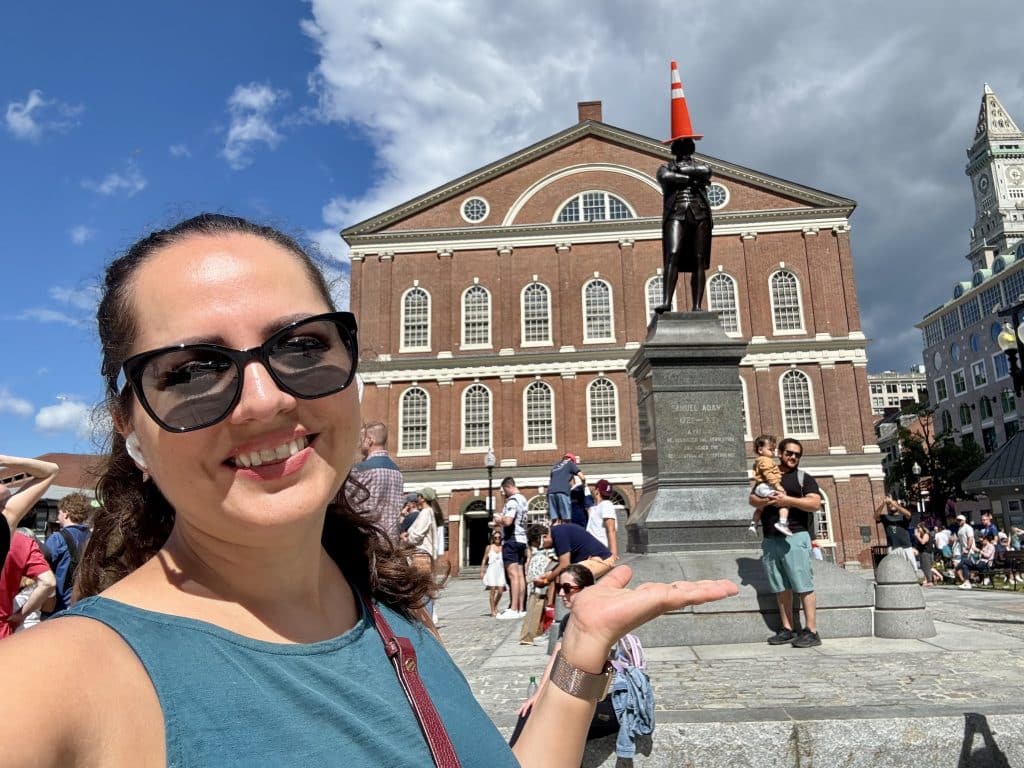
The month began with a concentrated two-week period of travel across the Northeastern United States. In Boston, the city served as a focal point for international visitors arriving for the World Cup. The presence of the "Tartan Army"—a vocal and highly visible contingent of Scottish football supporters—transformed the local atmosphere. Their organized presence, characterized by traditional regalia and community-driven celebrations, contributed to a notable increase in hospitality revenue in the Boston metropolitan area.
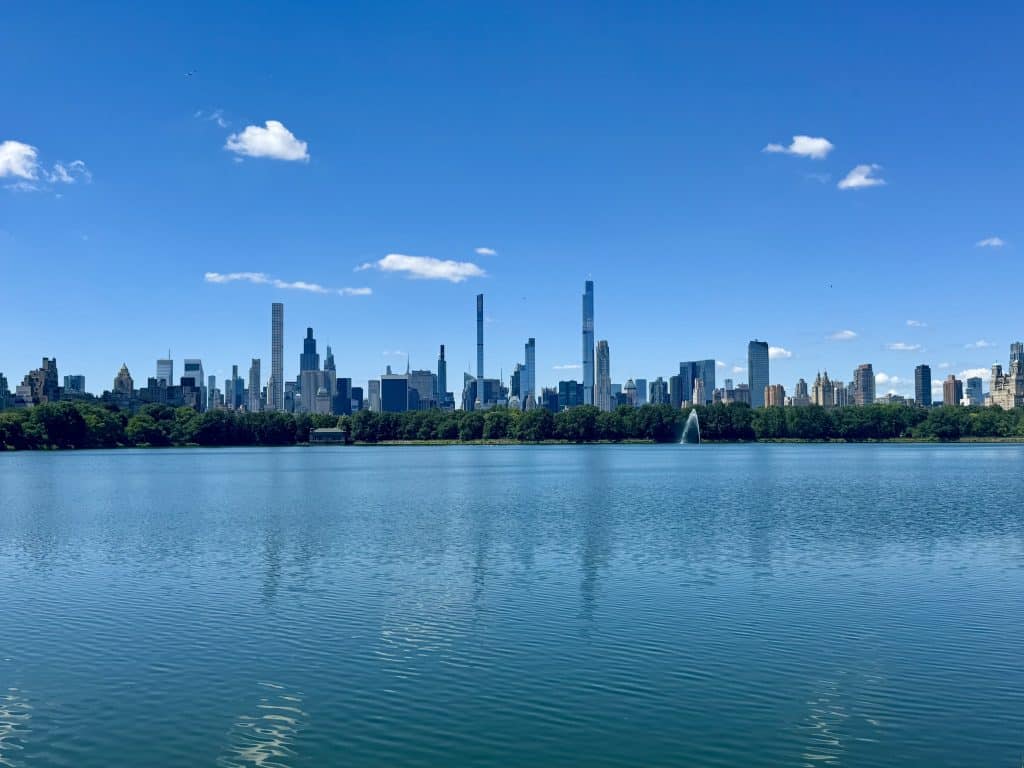
Following the Boston leg, the focus of regional travel shifted toward New York City, specifically the boroughs of Upper Manhattan. Infrastructure updates, such as the increased utility of the George Washington Bridge bus terminal at 178th Street, have begun to alter travel behaviors. By centralizing transit for travelers arriving from New England, the city is successfully diverting traffic away from Midtown, thereby reducing congestion and providing more efficient access to neighborhoods such as Harlem and Washington Heights.

Supporting Data and Urban Dynamics
Urban mobility studies highlight that walking tourism is on the rise, with major metropolitan centers investing in "green corridors" to accommodate the trend. In Boston, the Emerald Necklace—a 1,100-acre chain of parks designed by Frederick Law Olmsted—saw a marked increase in foot traffic this June. Such infrastructure is increasingly critical as cities experience heat-island effects; the current summer season has seen sustained, record-breaking temperatures across the Northern Hemisphere.
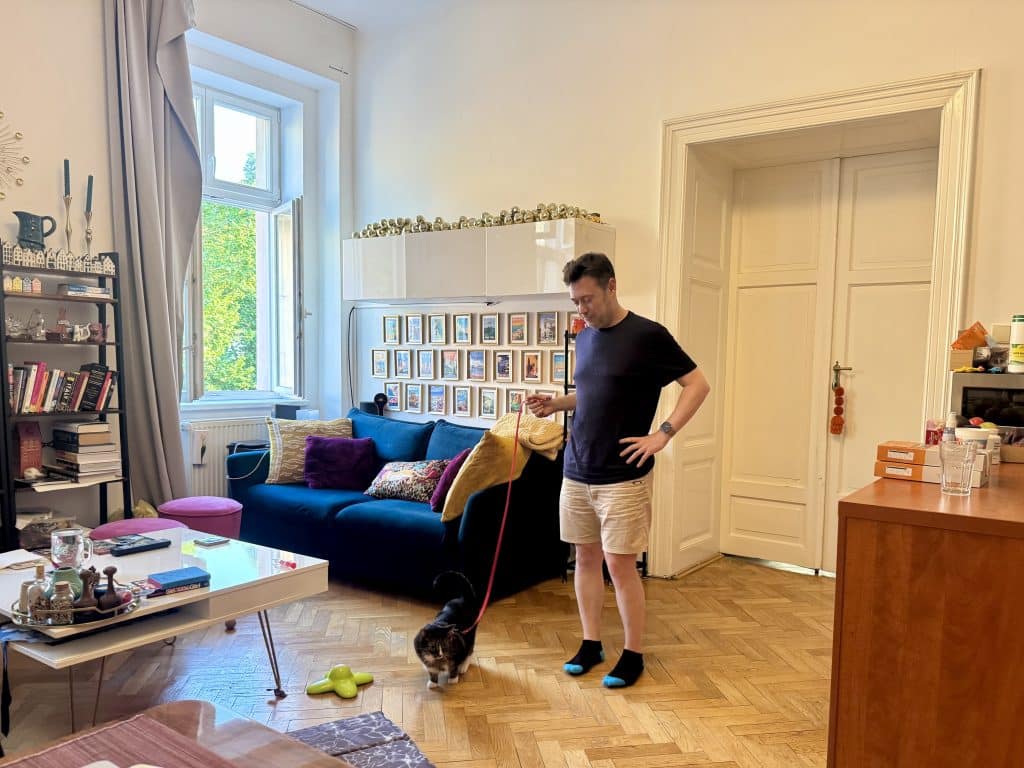
The impact of these heat waves has been profound. In Central Europe, particularly in Prague, the combination of historic architecture and a lack of residential climate control systems has forced a shift in consumer behavior. Travelers and residents alike have increasingly utilized high-end hotel amenities to seek refuge from extreme temperatures. The hospitality sector in Prague has reported a rise in pet-friendly accommodation requests, reflecting a broader trend where travelers are increasingly opting to bring domestic animals on international journeys, necessitating standardized pet-travel protocols across the hotel industry.
Operational Challenges and Infrastructure Resilience
The month was not without operational friction. A notable incident involving a public transit malfunction in Prague, where a passenger was temporarily trapped on an out-of-service tram, has sparked a dialogue regarding safety protocols during extreme weather events. Transit authorities are under increased pressure to ensure that vehicles are fully inspected before entering storage, especially when temperatures reach levels that could compromise human health within minutes.
Furthermore, the cancellation of high-profile entertainment events, such as the scheduled performance by Ricky Martin, underscores the vulnerability of large-scale public events to climate-related disruptions. While organizers frequently cite "production" issues, industry analysts suggest that the logistical burden of maintaining safety standards during record-breaking heat is often the primary driver for such cancellations.

Broader Cultural and Economic Implications
The influence of international football fans on local economies serves as a case study for future city planning. When thousands of visitors integrate into local neighborhoods, the economic ripple effect extends beyond hotels and restaurants to local cultural exchange. The viral nature of social media content generated by these interactions—such as the digital engagement surrounding the Tartan Army—indicates that modern tourism is as much about the shared cultural narrative as it is about the destination itself.
Simultaneously, the pursuit of "slow culture"—evidenced by the ongoing trend of consuming exhaustive lists, such as Rolling Stone’s 500 Greatest Albums—reveals a shift in how travelers occupy their downtime. This intellectual engagement with media, often shared across global platforms, creates a digital community that transcends geographical borders.
Looking Ahead: The July Outlook
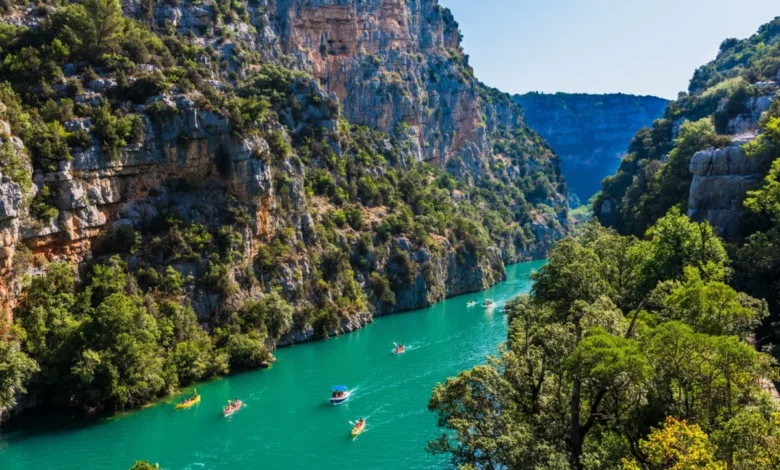
As July 2026 begins, the focus shifts to the European continent, with a projected increase in road-based tourism. The route from Central Europe to the Provence region of France is expected to see a 15% increase in traffic compared to previous years. This route, passing through Germany, Switzerland, and Liechtenstein, highlights the importance of the Schengen Area’s ease of movement for the European tourism economy.
Travelers are increasingly gravitating toward regions that offer a blend of natural landscapes—such as the lavender fields of Valensole and the geological formations of the Gorge du Verdon—and historic cultural sites. The continued popularity of Mediterranean islands, specifically Ischia in Italy, suggests that despite the global rise in temperatures, coastal destinations remain the primary objective for the mid-summer period.
Policy and Industry Reactions
Industry experts remain cautiously optimistic about the remainder of the summer. While environmental concerns and infrastructure limitations remain, the resilience of the travel sector indicates a sustained recovery. For municipal authorities, the challenge lies in balancing the influx of visitors with the preservation of local infrastructure and the well-being of the permanent resident population.
The events of this past month serve as a reminder that tourism in the modern era is deeply interconnected with climate, public health, and digital connectivity. As the industry moves into the second half of the summer, the emphasis is expected to remain on logistical efficiency, climate-adaptive urban planning, and the continued integration of cultural exchange as a primary pillar of global tourism.