Slothee Still Wants Coffee Expands Global Childrens Literacy Series With Educational Focus On World Cultures And Coffee Origins

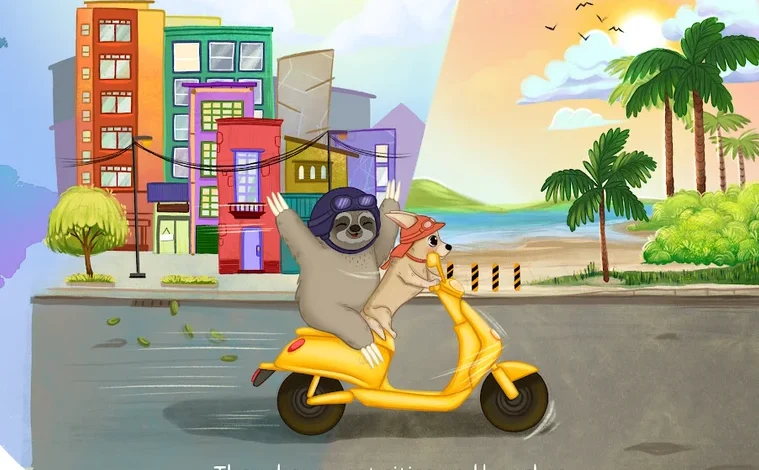
The global children’s literature landscape has seen a notable addition with the widespread release of Slothee Still Wants Coffee, the second installment in the popular Slothee and Friends series. Authored to engage young readers and their families, the publication follows the titular character, Slothee, on an expansive international journey spanning seven distinct nations—Costa Rica, Peru, Mexico, Jamaica, Uganda, Vietnam, and Australia. Designed as both an entertaining narrative and an educational resource, the book introduces children to diverse global cultures, international geography, and the rich traditions surrounding coffee cultivation and production across different continents.
The launch of this new title marks a significant milestone for the franchise, which aims to bridge the gap between early childhood entertainment and multicultural education. As publishers and educators increasingly emphasize the importance of global awareness in foundational learning materials, works like Slothee Still Wants Coffee provide a structured medium for introducing complex concepts such as international trade, agricultural diversity, and cross-cultural friendships to young demographics.
Background Context of the Slothee and Friends Series
The inception of the Slothee and Friends series was rooted in a desire to create literature that transcends standard domestic settings, encouraging children to look beyond their immediate environments. The first book in the series established the character of Slothee, a deliberate choice of animal protagonist given the slow-paced, observant nature of sloths, which allows young readers to absorb their surroundings at a measured and thoughtful pace.
Following the initial introduction of the character, creator and publisher insights highlighted a strong demand for content that combines travel, animal companionship, and culinary exploration. Coffee, as a globally consumed commodity with deep historical and cultural roots in the regions where it is harvested, offered a unique thematic vehicle for geographical exploration. By tracing the journey of coffee from plant to cup, the narrative introduces young audiences to the agricultural backbone of numerous developing economies, framing everyday consumer goods within a broader global context.
The deliberate selection of destination countries in the new book reflects a comprehensive mapping of major coffee-producing and coffee-cultivating regions. From the high-altitude plantations of Costa Rica and Peru to the rich heritage of Mexican and Jamaican coffee farming, and extending across the globe to the expanding agricultural landscapes of Uganda and Vietnam, alongside the distinct cafe culture of Australia, the itinerary provides a well-rounded geographic survey of the international coffee map.
Chronology of Development and Publication
The rollout of Slothee Still Wants Coffee followed a carefully orchestrated publishing timeline designed to maximize audience reach and educational adoption.
- Initial Conceptualization: Following the positive reception of the inaugural Slothee and Friends title, preliminary outlines for a geographically expansive sequel began taking shape, focusing on international trade routes and agricultural origins.
- Research and Cultural Consultation: Authors and illustrators engaged in extensive research regarding the agricultural practices, regional attire, local fauna, and cultural nuances of Costa Rica, Peru, Mexico, Jamaica, Uganda, Vietnam, and Australia to ensure authentic representation within the narrative illustrations.
- Manuscript Finalization and Illustration Phase: Over a twelve-month period, visual assets were developed to highlight the distinct landscapes of each stop on Slothee’s itinerary, emphasizing visual storytelling to aid comprehension among pre-literate and early-reading demographics.
- Official Release and Distribution: The title was made available through major retail channels, independent bookstores, and educational suppliers, accompanied by promotional reading guides intended for classroom and library use.
- Post-Launch Educational Integration: Educators and literacy advocates began incorporating the text into elementary reading programs, utilizing the narrative framework to support geography and social studies curricula.
Supporting Data on Early Childhood Literacy and Global Education
Educational research consistently demonstrates that early exposure to diverse cultures significantly enhances cognitive flexibility, empathy, and social comprehension in children. According to data compiled by literacy advocacy organizations, reading materials that incorporate international settings and cross-cultural interactions help mitigate xenophobia and foster an inclusive worldview from an early age.
Furthermore, integrating real-world commodities—such as coffee, cocoa, and textiles—into children’s literature aligns with modern pedagogical strategies known as thematic or inquiry-based learning. Studies in primary education indicate that children retain geographical and historical facts more effectively when attached to a tangible narrative anchor. By following a character on a quest for a specific item, readers naturally absorb information regarding:
- Global Geography: Understanding the relative locations of North America, Central America, South America, Africa, Asia, and Oceania.
- Agricultural Awareness: Recognizing that everyday food and beverage items originate from specific farming communities and require specialized cultivation techniques.
- Social Dynamics: Observing how different communities interact, celebrate, and welcome travelers, thereby reinforcing fundamental concepts of hospitality and global citizenship.
Industry sales data for children’s illustrated travel books have shown a steady upward trajectory over the past five years. Parents and educators increasingly seek out media that offers dual utility: entertaining the child while simultaneously delivering verifiable educational content. The Slothee and Friends series positions itself directly within this high-demand market sector.
Official Responses and Stakeholder Perspectives
While specific statements from individual literary critics vary, the broader consensus within educational reviewing bodies has highlighted the strategic value of introducing international economics and agriculture to children through fiction.
Publishing analysts note that characters like Slothee serve as effective pedagogical proxies. Because the protagonist is on a quest—specifically, the search for the best cup of coffee in the world—young readers are psychologically invested in the outcome, effectively turning a geography lesson into an engaging adventure. This narrative drive is considered essential by primary education specialists who advocate for experiential reading models.
Publishers associated with the release have emphasized that future iterations of the series will continue to build upon this foundational model. Plans are currently underway to expand the scope of exploration to include alternative globally significant beverages, such as tea, as well as additional geographic regions that have yet to be featured in the current bibliography.
Representatives from educational non-profits have also commented on the utility of such books in multicultural classrooms. By featuring accurate depictions of diverse landscapes and cultural practices, texts like Slothee Still Wants Coffee provide students from represented countries with a sense of literary validation, while simultaneously offering peers a window into lifestyles different from their own.
Broader Impact and Industry Implications
The release of Slothee Still Wants Coffee arrives at a time when the publishing industry is placing renewed emphasis on diversity, global interconnectedness, and educational depth in children’s media. The implications of this trend extend across several distinct sectors:
Impact on Primary Education Curricula
Elementary educators are increasingly turning to trade books to supplement traditional social studies textbooks. Narrative-driven literature is frequently cited as more accessible and engaging for young learners compared to standard academic compendiums. By embedding lessons on international agriculture within a fictional framework, the book provides teachers with a versatile tool for cross-curricular lesson planning, combining reading comprehension with basic global geography.
Influence on the Children’s Publishing Market
The success of culturally expansive series encourages other publishers to invest in content that looks beyond domestic markets. As global distribution networks become more streamlined, the demand for stories that resonate across international borders has grown. Books that celebrate specific national identities while maintaining a universal narrative appeal are increasingly viewed as high-value assets within the publishing sector.
Fostering Early Cross-Cultural Empathy
On a sociological level, early engagement with diverse cultures helps lay the groundwork for open-mindedness in later life. When children read about characters navigating different societies, trying new foods, and forming international friendships, they develop a normalized expectation of cultural diversity. This gentle introduction to the wider world serves as a building block for global citizenship.
As Slothee continues his literary journey across continents, the broader impact of the series remains anchored in its core mission: to educate, entertain, and inspire curiosity about the world. With plans for future expansions into new beverages and unexplored territories, the franchise demonstrates the ongoing viability of combining whimsical character-driven narratives with substantive global education.