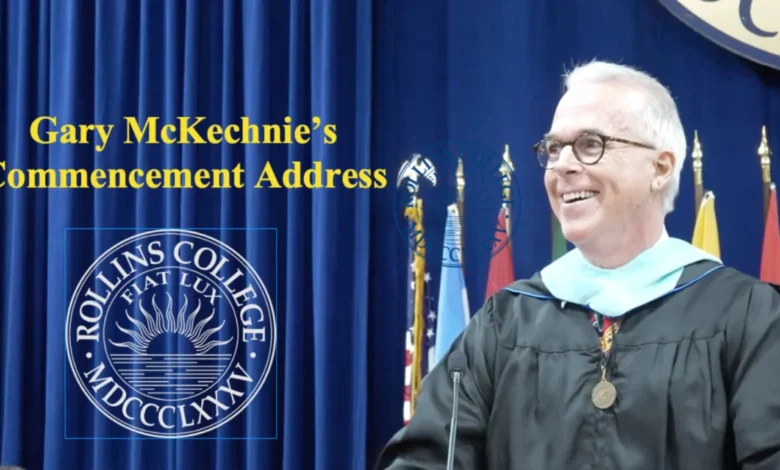
In an era defined by linear career tracks, mounting consumer debt, and the relentless accumulation of material possessions, the traditional post-graduate trajectory often leaves young adults tethered to institutional and financial obligations before their lives have truly begun. Addressing this modern dilemma, travel author, journalist, and motivational speaker Gary McKechnie used his recent commencement address to the graduating class to champion an alternative philosophy. By trading the relentless pursuit of acquisition for the experiential wealth of solo travel, individuals can cultivate resilience, adaptability, and emotional intelligence—qualities that contemporary sociologists and psychologists increasingly recognize as essential for lifelong success.
The modern discourse surrounding solo travel frequently frames the practice as a leisure activity or a luxury for the affluent. However, a growing body of sociological data and developmental research suggests that independent travel serves as a powerful catalyst for personal growth, cognitive flexibility, and cross-cultural competence. Travel industry analyses indicate a sustained surge in solo bookings over the past decade, driven largely by younger demographics seeking autonomy and self-discovery. Educational and psychological experts point out that navigating unfamiliar environments entirely on one’s own forces individuals to confront cognitive biases, manage acute problem-solving scenarios, and build a robust sense of self-efficacy. McKechnie’s life trajectory—from a financially destitute 23-year-old backpacker in Europe to a multi-award-winning travel writer and lecturer—offers a compelling case study in how early unstructured exploration translates into professional and personal maturation.
The Genesis of an Odyssey: A Lesson in Economics and Freedom
The philosophical foundation of McKechnie’s worldview was established decades prior to his academic honors, rooted in a formative reading experience during his youth. In 1975, at the age of 13, he encountered Studs Terkel’s landmark oral history compendium, Working. Within its pages, a specific profile left an indelible impression: a young college graduate who accepted a conventional corporate position, seduced by prestige, benefits, and an annual two-week vacation. Upon calculating the arithmetic of his career, the subject realized that trading 26 years of continuous labor for a cumulative total of one year’s worth of leisure was an unfavorable exchange, prompting him to resign immediately.
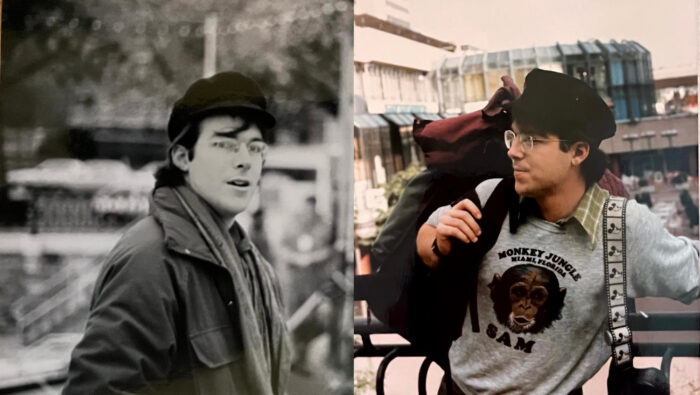
This revelation deeply influenced a young McKechnie, who resolved to structure his life around autonomy rather than institutional routine. The execution of this blueprint materialized immediately following his undergraduate graduation. Armed with a stand-by flight to Luxembourg and a meager capital reserve of just $800, he embarked on what was initially envisioned as a one-year backpacking expedition across Europe.
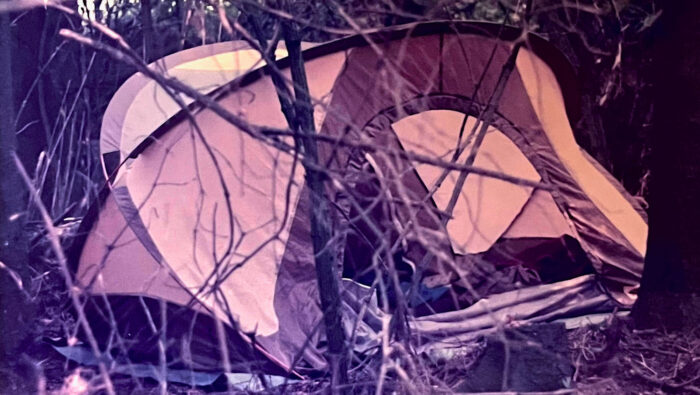
The financial reality of the journey quickly tested his resolve. Operating on an astonishingly lean budget that averaged approximately $11 a day—covering nutrition, transit, lodging, and miscellaneous expenses—McKechnie was forced to adopt an improvised lifestyle. His itinerary was sustained through sporadic international labor: working a construction site in London, facilitating student arrivals at an Athens hostel, and distributing marketing collateral at a German industrial exhibition. Accommodations were similarly austere, ranging from a backpack-strapped tent pitched in agricultural fields and Sherwood Forest to urban park benches and, on one memorable stormy evening, the courtyard of a cemetery in search of shelter from the elements.
The Crucible of Adversity and the Kindness of Strangers
While economic hardship defined the logistical contours of the journey, the psychological transformation occurred through unexpected human encounters. Travel sociologists note that solo travelers are disproportionately reliant on the goodwill of local populations, a dynamic that breaks down insular cultural perceptions and fosters deep interpersonal empathy.
Throughout his seven months traversing the continent, McKechnie’s survival and progression frequently hinged on spontaneous acts of hospitality. British travelers offered their home as a logistical base in return for past kindnesses at Disney World; a Canadian motorist provided crucial transport to Austria, where his relatives welcomed the hitchhiker with garden-shed quarters and daily provisions.
However, the journey’s most defining crisis occurred in Edinburgh, Scotland, where a sophisticated financial scam divested the young traveler of nearly all his remaining funds, leaving him with a precarious fifteen pounds. Seeking subsistence employment, McKechnie found his way to the historic Royal and Ancient Golf Club of St. Andrews, where a sympathetic caddy master engaged him as an auxiliary bag carrier.
The turning point arrived when an Atlanta golfer named Hunter S. Tison engaged the young caddy during a round, learned of his predicament, and offered immediate financial assistance. Refusing formal promissory notes or rigid repayment terms, Tison provided the funds necessary to stabilize McKechnie’s expedition, offering a simple directive: "The ball’s in your court." McKechnie later honored this trust by mailing systematic installment payments from the United States until the debt was fully liquidated. Analysts of interpersonal economics frequently highlight such unstructured transactions as profound exercises in social capital, demonstrating how trust across cultural and economic divides can alter the trajectory of an individual’s life.
Broader Implications: Solo Travel as a Developmental Tool
The lessons forged during these months of forced adaptability laid the groundwork for McKechnie’s subsequent career, which would eventually span motorcycle expeditions across the United States, extensive road travel, and international lecturing engagements aboard luxury vessels such as Cunard’s Queen Mary 2. Yet, despite the contrast between sleeping in a makeshift tent and addressing audiences on transatlantic liners, the core developmental benefits remain identical.
From a psychological perspective, solo travel disrupts habitual routines and forces the brain to process novel stimuli continuously. Educational analysts argue that traditional academic environments, while effective for acquiring theoretical knowledge, often fail to teach real-world resilience, crisis management, and emotional regulation. Independent travel, by contrast, acts as an experiential curriculum. It demands that individuals reconcile cultural differences, dismantle personal prejudices, and navigate the psychological landscape of solitude.
Furthermore, economic and lifestyle trends indicate that contemporary society is increasingly valuing experiential intelligence over material accumulation. As remote work models expand and global connectivity increases, the capacity to operate independently in foreign environments is transitioning from a niche recreational pursuit to a valuable professional competency. Cross-cultural adaptability, resourcefulness under pressure, and the ability to forge rapid, meaningful connections with diverse populations are precisely the skills modern enterprises seek in leadership roles.
When McKechnie stood before the graduating class of Rollins College, his message was not merely a nostalgic recounting of 20th-century backpacking exploits. It was an evidence-based challenge to modern conformity. By encouraging young adults to acquire curiosity, embrace challenge, and step boldly into the unknown without the safety net of familiar companions, the address underscored a timeless truth: the most rigorous education often occurs far away from the lecture hall, and the insights gained from navigating the world alone remain the most enduring assets an individual can possess.