Beneath the polished facade of Australia’s major metropolitan centers—where millions of tourists annually photograph sandstone heritage buildings and shimmering, modern skylines—exists an alternative, subterranean history that rarely makes it onto a postcard. From the cobblestone alleys of Sydney’s The Rocks to the gritty, former industrial wharves of Fremantle, a growing sector of the travel industry is shifting focus from celebrated landmarks to the documented, often violent, narratives of the past. These dark history tours, which utilize archival evidence rather than folklore, offer a structural analysis of urban development through the lens of criminality, corruption, and social upheaval.
For the casual observer, a walk through a city center is often defined by its aesthetic markers: the opera houses, the botanical gardens, and the upscale dining districts. However, historical records suggest that the foundations of these cities were frequently forged in environments of extreme social pressure, labor exploitation, and systemic lawlessness. By focusing on the "under-story" of these locations, these tours provide a nuanced understanding of how Australian urban centers evolved from colonial outposts into modern global cities.
The Evolution of Urban Crime Landscapes
The historical trajectory of Australia’s capital cities is inextricably linked to their origins as penal colonies or rugged maritime ports. In Sydney, the district of The Rocks serves as a primary example. Established in 1788, the area was the site of the first European settlement. By the mid-19th century, it had developed a reputation as a volatile slum characterized by "push" gangs, such as the Rocks Push, who dominated the local economy through extortion and territorial violence.
Contemporary historical research indicates that the criminal networks of the 19th and early 20th centuries were not mere fringe elements; they were essential, albeit destructive, components of the economic fabric. In Brisbane, the city’s development was punctuated by scandals involving political corruption and police racketeering that lasted well into the late 20th century. In Perth and Fremantle, the maritime history of the Western Australian coast provided a unique environment for smuggling, labor disputes, and unsolved disappearances that defined the character of the port towns.
Methodological Approach to Historical Re-enactment
Unlike traditional sightseeing tours that rely on architectural trivia or sanitized narratives, dark history walking tours operate on a methodology of archival verification. Guides are trained to synthesize primary sources—including digitized court transcripts, contemporary newspaper reports from the Trove archive, and police records—to construct a narrative that anchors specific events to precise geographical coordinates.
The pedagogical impact of this approach is significant. By physically standing on the site of a documented crime or social injustice, participants are forced to reconcile the modern, gentrified reality of a street corner with its historical counterpart. This cognitive dissonance—the friction between the present-day coffee shop and the past-day scene of a notorious trial—is what researchers in the field of dark tourism identify as a "transformative learning experience."
Chronology and Geographical Scope of Operations
The current landscape of dark history tourism in Australia is geographically diverse, with major hubs operating in four key cities:
- Sydney (The Rocks): Focuses on the period between the 1880s and the 1930s, documenting the transition of the area from a rough penal neighborhood to a contested urban space.
- Brisbane: Highlights the "Fitzgerald Inquiry" era and the preceding decades of illicit gambling and protection rackets that influenced urban planning.
- Perth: Traces the intersection of the gold rush boom and the subsequent rise of organized criminal syndicates in the city’s central business district.
- Fremantle: Concentrates on the maritime labor history and the complex social dynamics of the working-class port culture.
These tours typically span 90 to 100 minutes, a duration determined by the optimal threshold for sustained pedestrian engagement and the physical distance between key historical sites. The pacing is designed to facilitate a narrative flow that connects disparate events into a cohesive timeline of municipal development.
Analytical Implications: Why It Matters
Sociologists studying urban tourism suggest that these tours serve a function beyond entertainment. By highlighting the marginalized, the criminal, and the forgotten, these tours democratize history. They challenge the "Great Man" theory of history, which often focuses solely on political leaders and architects, by elevating the stories of laborers, victims, and petty criminals who were equally responsible for shaping the city’s social identity.
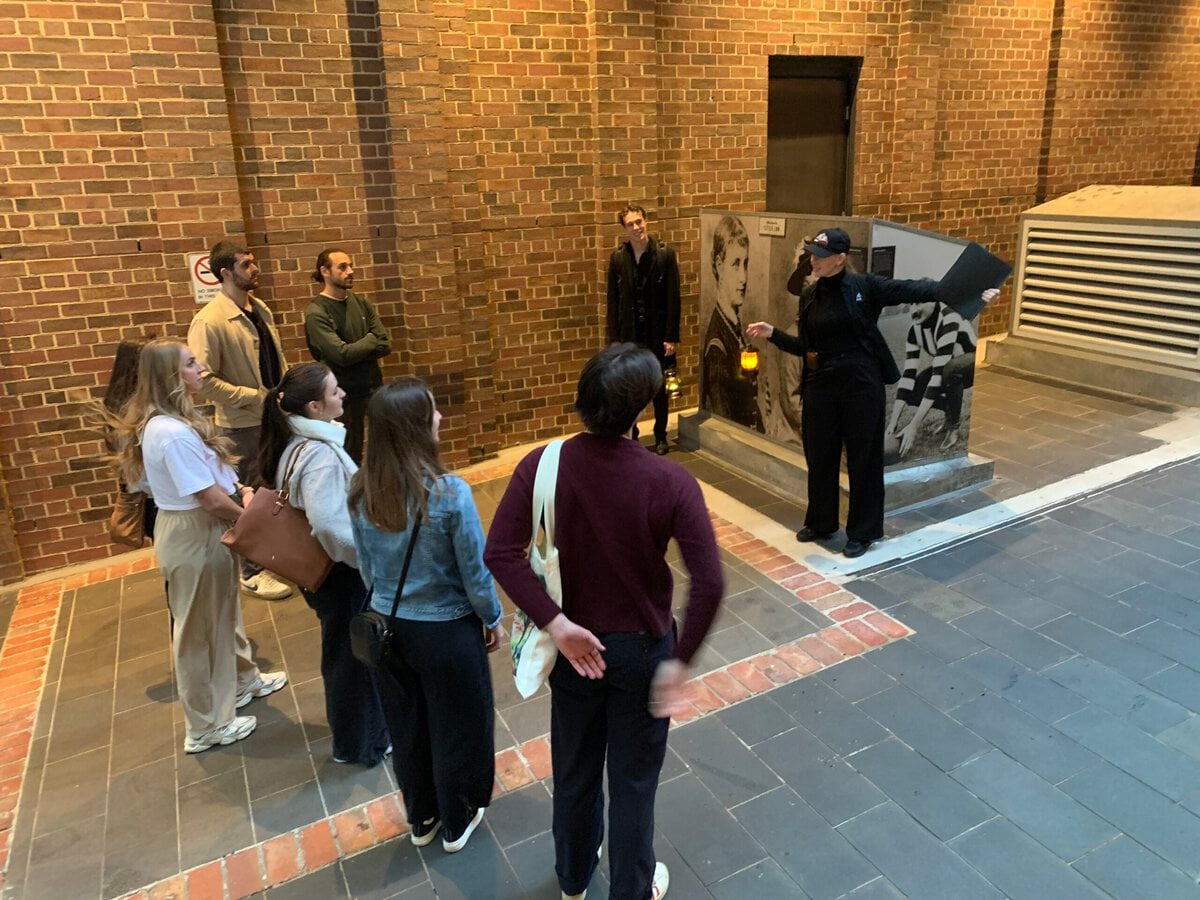
Furthermore, the surge in interest toward these tours reflects a broader cultural shift in Australia. There is an increasing demand for "authentic" experiences that move beyond the superficial consumption of cityscapes. When a visitor realizes that the alleyway they are walking through was once the site of a landmark legal case that changed the state’s judicial system, the city becomes a living classroom.
Participant Engagement and the "Personal History" Factor
One of the most notable observations reported by tour operators is the frequency with which participants identify personal connections to the material. It is common for visitors to realize, during the course of a narrative, that their own family histories intersect with the events being discussed. Whether through an ancestor who served in the local police force or a relative who witnessed a historically significant crime, these intersections transform the tour from an academic exercise into a personal encounter with heritage.
This phenomenon underscores the importance of the guide’s role. Because these tours rely on personal, face-to-face delivery rather than static placards, the guide acts as an oral historian. They possess the ability to read the room and adjust the delivery based on the participants’ reactions, ensuring that the tone remains respectful of the victims while satisfying the audience’s desire for factual depth.
Distinctions from Supernatural or "Ghost" Tours
It is critical to distinguish these evidence-based dark history tours from the proliferation of supernatural or "ghost" tours. While ghost tours rely on anecdotes of hauntings and paranormal phenomena—which are by definition unfalsifiable—dark history tours are strictly bound by the rules of historical inquiry.
When a guide leads a group to a site in Fremantle, they are not discussing spirits; they are discussing the verified trade in illicit goods or the documented labor strikes that forced changes to maritime law. This focus on objective truth—even when that truth is unpleasant—is what gives these tours their credibility and differentiates them from entertainment-first, spectacle-driven tourism.
Economic and Logistical Considerations
The tourism sector has recognized the viability of these experiences, leading to more structured booking systems and professionalization of the industry. From an operational standpoint, the tours are resilient; they are largely unaffected by weather, as the atmospheric quality of a damp or wind-swept lane often enhances the historical immersion.
From an economic perspective, these tours provide a boost to the "night-time economy" of these cities. By drawing participants into the city center after dark, they support local hospitality businesses, restaurants, and bars. This creates a symbiotic relationship where the tour acts as a cultural anchor for the evening, encouraging visitors to spend more time in the local area than they otherwise would have.
Future Outlook and Ethical Responsibility
As this sector matures, the focus must remain on the ethical treatment of history. Sensationalism is a constant risk in the true-crime genre, but the most successful operators are those who avoid exploitation. By framing these stories within the context of systemic issues—such as the impact of poverty, the evolution of the justice system, and the changing demographics of urban Australia—these tours maintain their status as valuable educational tools.
The future of urban tourism in Australia appears to be trending toward this deeper, more investigative style of engagement. Travelers are increasingly seeking out narratives that complicate, rather than simplify, their understanding of the places they visit. By acknowledging the "dark" elements of the past, cities can offer a more honest, rounded, and ultimately more compelling version of their own story.
In summary, the next time you find yourself standing on a bustling street corner in Sydney, Brisbane, Perth, or Fremantle, consider that the architecture around you is only the top layer of a much more complex history. The real story of Australia is not just in the monuments that are celebrated in sunlight, but in the hidden, often challenging, events that occurred in the shadows of the very streets we walk every day. Whether you are a local or a visitor, engaging with this history provides a rare opportunity to see a city not as a static collection of buildings, but as a living, evolving entity shaped by the actions of those who came before.
Related posts: