Beyond the Mask: An In-Depth Look at Mexico City’s Lucha Libre Culture and the Evolution of the Spectacle

For most first-time visitors, walking into the legendary Arena México is an exercise in sensory overload, a whirlwind of masked performers, theatrical violence, and a crowd whose collective roar is as much a part of the performance as the wrestling itself. However, to truly understand the nuance of this high-flying sport, one must look past the spectacle and into the rigorous training grounds where the discipline is forged. By experiencing a lucha libre school firsthand—where participants learn to fall, roll, and navigate the tension of the ropes—the sport transforms from a mere show into a profound display of athletic artistry and cultural heritage.
The Historical Significance of the Lucha Libre Tradition
Lucha libre, which translates literally to "free wrestling," is a cornerstone of Mexican popular culture that dates back to the early 20th century. While professional wrestling has roots across the globe, the Mexican iteration evolved into a unique medium that combines Greco-Roman wrestling techniques with a heavy dose of dramatic narrative.
The sport’s governing body, the Consejo Mundial de Lucha Libre (CMLL), was founded in 1933 by Salvador Lutteroth González. Often referred to as the "father of lucha libre," Lutteroth introduced the spectacle to Mexico City, forever changing the country’s entertainment landscape. Today, the sport operates on a binary morality system: the técnicos, or the "technicians," who represent the heroes, and the rudos, or the "rough ones," who act as the villains. This clear-cut divide ensures that the audience remains deeply engaged, often acting as a Greek chorus that dictates the emotional arc of the match through cheers and jeers.
The Anatomy of the Mask: Identity and High Stakes
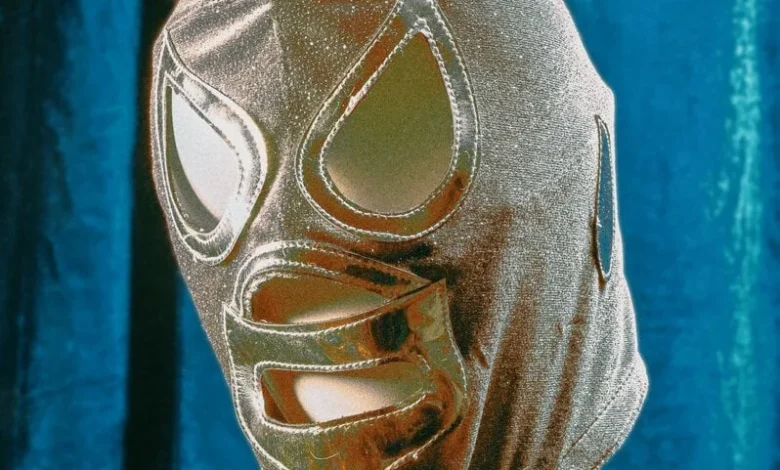
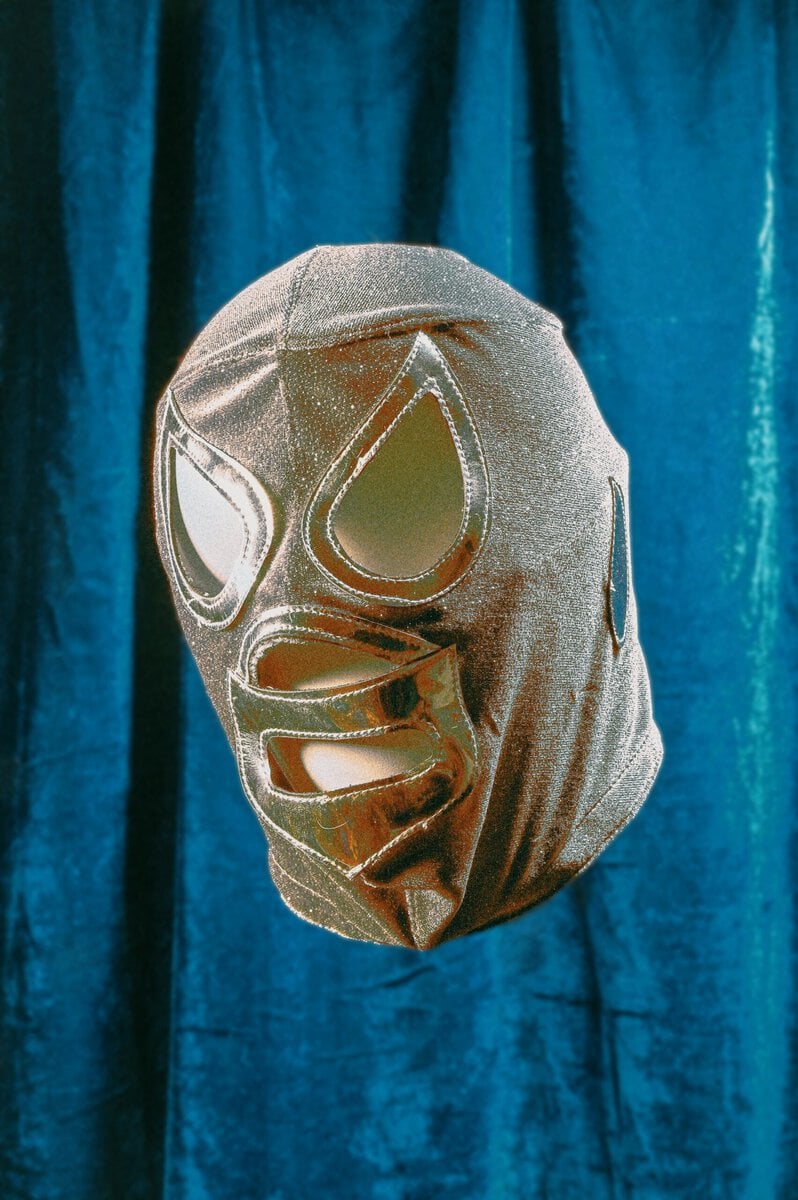
At the center of the lucha libre mythology is the mask. More than a simple costume piece, the mask is a sacred emblem of a wrestler’s professional persona. When a performer dons the mask, they assume a character that is often distinct from their private life. In many cases, a wrestler will protect their real identity for decades, performing under a pseudonym and wearing their mask even in public settings to maintain the illusion.
The most dramatic manifestation of this tradition is the máscara contra máscara (mask versus mask) match. This is the highest stakes event in the industry. The loser of such a bout is required to unmask in the center of the ring, effectively ending the persona they have spent years, or even lifetimes, cultivating. For many, this is a career-defining moment of humiliation or transition. To the uninitiated, the mask may seem like a prop; to the practitioner, it is their identity, their history, and their future.
Chronology of a Lucha Libre Experience
To grasp the full weight of the sport, guided experiences—such as those provided by local experts at venues like Territorio Sagrado—have become a popular way for international visitors to bridge the gap between tourist and participant. A typical evening is structured to provide an immersive educational trajectory:
- The Introduction (18:00 – 19:00): Guests are introduced to the school, where they select a mask. This serves as an initiation, forcing the visitor to grapple with the significance of the anonymity the mask provides.
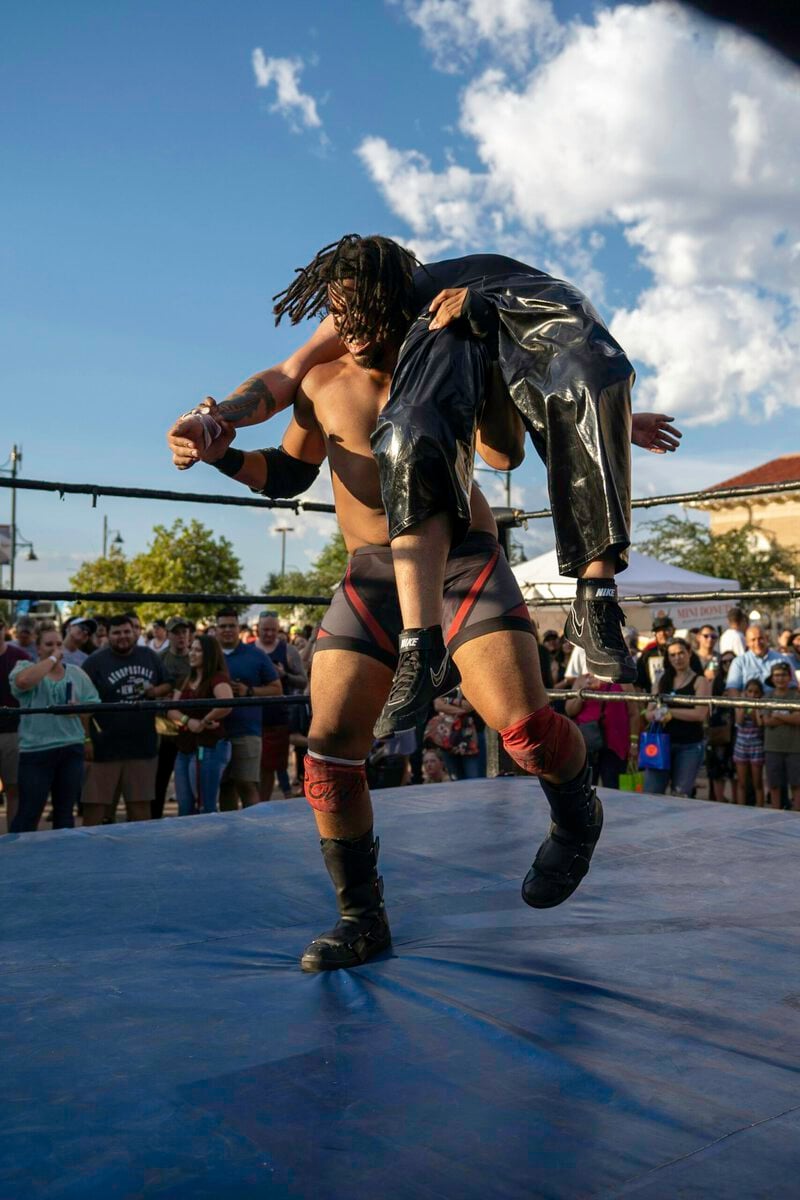
- Technical Training (19:00 – 19:45): Under the supervision of professional luchadores, participants engage in basic physical exercises. These drills—learning how to fall safely on the canvas and understanding the physics of the ropes—often result in a stark realization: what appears fluid and effortless on television is, in reality, a high-impact, physically demanding discipline.
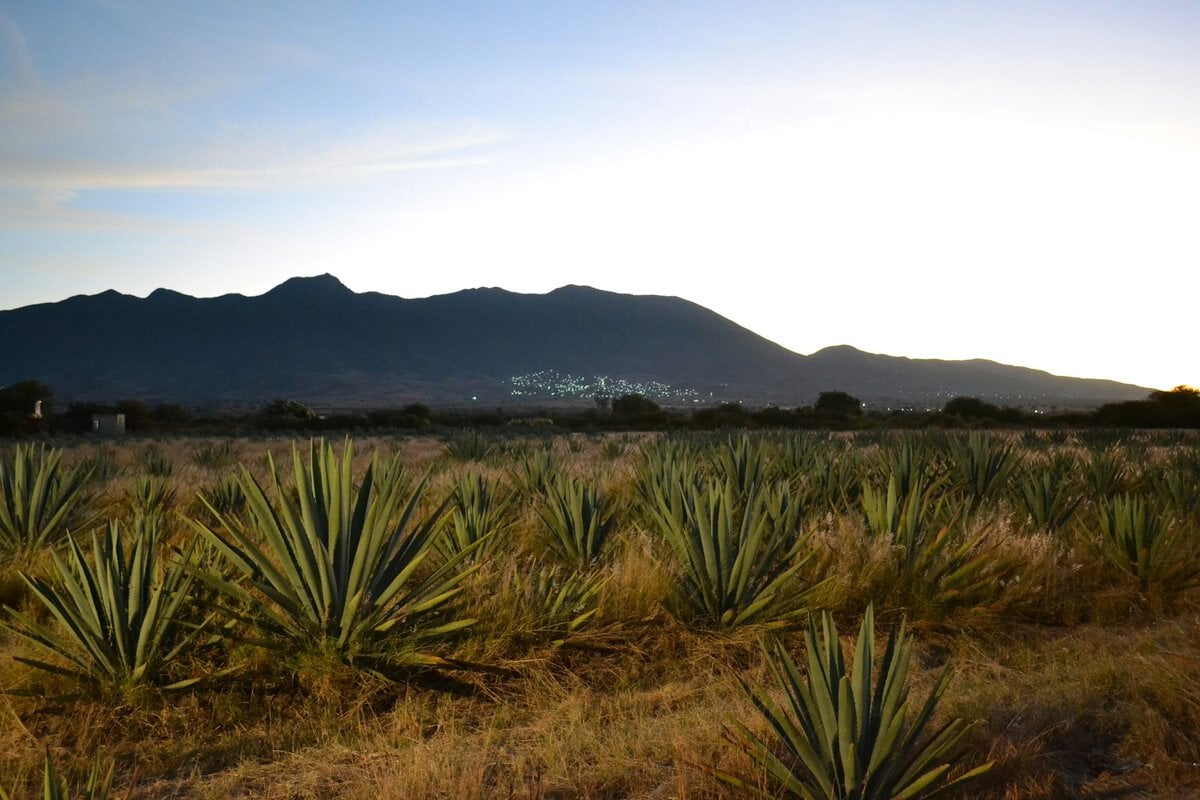
- The Cultural Tasting (19:45 – 20:15): The experience incorporates ancestral mezcal, a distilled spirit with deep roots in Oaxacan culture. This serves as a social bridge, allowing for candid dialogue between the professional wrestlers and the guests.
- The Street Food Integration (20:15 – 20:45): A visit to a local taquería provides context regarding the socioeconomic environment of the neighborhoods surrounding the arenas, such as Colonia Doctores.
- The Main Event (21:00 – 22:30): The evening culminates at the "Cathedral of Lucha Libre," Arena México. Having learned the basic rules of the tag-team falls and the importance of the masks, the spectator no longer watches as a passive observer but as one who understands the cost of every maneuver.
Data and Logistics: Navigating the Arenas
Mexico City is home to two primary temples of the sport, both managed by CMLL. Arena México, situated in Colonia Doctores, is the epicenter of the movement. Opened in 1956, it accommodates approximately 16,500 spectators. The Friday night shows are widely considered the gold standard, featuring the most significant rivalries and the most intricate choreography.
Alternatively, the older Arena Coliseo, located in the Centro Histórico, offers a more intimate setting. Opened in 1943, its steeper seating configuration allows for a tighter, more intense connection between the crowd and the ring. While the price of admission varies, entry-level tickets typically start at approximately 200 MXN, with premium ringside seating reaching upwards of 1,200 MXN.
Expert Perspectives and Safety Considerations
Professional luchadores, such as the veteran técnico "Sky Man," emphasize that the primary goal of these sessions is to demystify the violence. By teaching the basics of movement, they help audiences understand that the performers are elite athletes who train for years to mitigate the risks of high-flying maneuvers. "The outcome may be predetermined for the sake of the narrative," one trainer notes, "but the impact of the body hitting the canvas is entirely real."
For international travelers, safety is a recurring concern. Industry professionals suggest that while the arenas are safe, visitors should exercise standard urban precautions:
- Valuables: Leave professional cameras and unnecessary cash at the hotel.
- Transportation: Utilize ride-hailing applications rather than hailing taxis on the street after the final bout, as the areas around the arenas can be congested and difficult to navigate.
- Accessibility: It is important to note that many of the historic venues, including the upper tiers of the arenas, feature significant staircases and limited accessibility features.
The Broader Impact: Lucha Libre as Cultural Diplomacy
The global perception of lucha libre has shifted from that of a niche, "fake" sporting event to a recognized form of cultural performance art. The inclusion of lucha libre elements in international film, fashion, and even video games has solidified its status as an export of Mexican soft power.
However, the true value of the sport remains local. The rituals surrounding the events—the specific chants, the consumption of street food, and the communal booing of the rudos—serve as a vital social lubricant in a city of over 20 million people. It is one of the few spaces where the boundaries of class and background dissolve under the common goal of supporting a favorite performer.
As interest in authentic cultural experiences continues to rise, the professionalization of the "lucha libre tour" serves as a necessary educational framework. By moving beyond the surface-level observation and engaging with the physical reality of the training gym, the audience is able to appreciate the athletic sacrifice required to maintain a tradition that is as much about identity as it is about entertainment. Whether one is a casual observer or a dedicated fan, the experience of witnessing a mask versus mask match in the Cathedral of Lucha Libre is, quite simply, an essential facet of the modern Mexico City experience.