How to Master the Orlando Staycation: A Strategic Guide for Florida and Georgia Residents

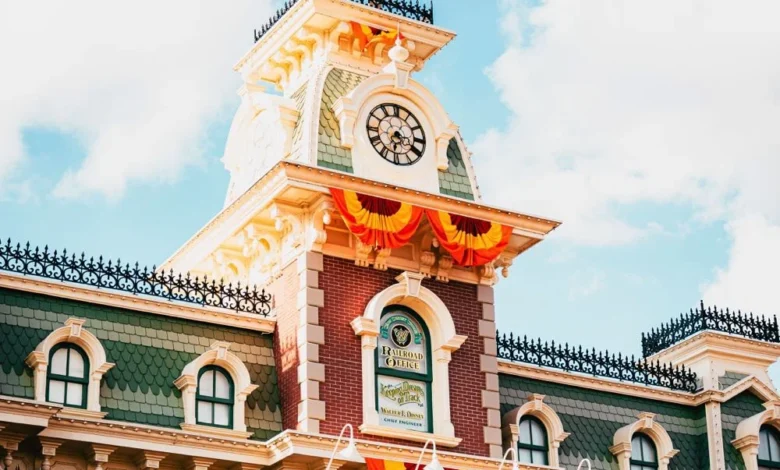
Millions of travelers annually embark on long-haul journeys to reach the Orlando metropolitan area, enduring crowded airports, significant transit costs, and the physical exhaustion associated with high-intensity tourism. While international and domestic visitors often adhere to rigid itineraries—characterized by 8:00 p.m. dining reservations and a frantic "rope-drop-to-fireworks" pace—a significant portion of the local population residing within a 90-minute radius of the city frequently overlooks the region as a viable vacation destination. By reframing Orlando as a staycation hub, residents of Florida and Georgia can leverage significant geographic advantages, economic incentives, and seasonal flexibility to create a high-quality leisure experience that bypasses the logistical burdens of traditional air travel.
The shift toward regional tourism, or "staycationing," has gained momentum as travel costs have risen. Industry data indicates that the average family of four spends approximately $4,500 to $6,000 for a week-long Orlando vacation when accounting for airfare, lodging, park tickets, and dining. For residents, however, the elimination of flight costs and the ability to utilize personal vehicles for transport can reduce these expenses by nearly 40%. Furthermore, the ability to curate a flexible schedule—rather than attempting to optimize every minute of a high-priced, time-limited trip—allows for a more authentic and restorative break.

Historical Context and Strategic Advantages
Orlando’s development into a global tourism powerhouse began in earnest with the 1971 opening of Walt Disney World, which catalyzed the expansion of infrastructure along the Interstate 4 corridor. Today, the region boasts over 120,000 hotel rooms and a diverse array of attractions that extend far beyond the well-known theme parks. While the peak tourist seasons—coinciding with school holidays and summer breaks—often result in massive crowds and inflated pricing, the "shoulder seasons" present a unique window for residents. By targeting the second week of September, late January, or the first half of May, local visitors can benefit from significantly reduced hotel occupancy rates and shorter wait times for regional attractions.
Strategic Neighborhood Selection

A primary reason staycations often fail is poor planning regarding accommodation location. The Orlando sprawl is vast; selecting a base near the airport to save money often leads to increased transit times in heavy traffic, negating the relaxation benefits of a getaway. Effective planning requires matching the neighborhood to the desired experience:
International Drive (I-Drive) functions as the city’s primary resort corridor. Running parallel to Interstate 4, this area is densely packed with hotel properties, the Orange County Convention Center, and a high concentration of restaurants and entertainment venues. It serves as an optimal base for those seeking accessibility to Universal Orlando and large-scale resort amenities.
Lake Buena Vista and the Kissimmee/Highway 192 corridor are situated within the primary orbit of Walt Disney World. This area is the most logical choice for families, as it offers a higher density of villa-style accommodations with kitchen facilities, which are essential for managing dining costs and providing a home-like environment for longer stays.

Winter Park provides an alternative for those seeking to avoid the "theme park" atmosphere entirely. Characterized by historic brick-lined streets, independent boutiques, and access to the Chain of Lakes, this neighborhood offers a sophisticated, pedestrian-friendly environment suitable for an adult-oriented getaway.
Downtown Orlando, specifically the neighborhoods surrounding Lake Eola, Thornton Park, and the Mills 50 District, offers an immersive urban experience. This area is home to a burgeoning culinary scene and local arts culture, including the monthly gallery walks in the Thornton Park district, providing a necessary contrast to the curated tourist experience of the resort areas.
Economic Incentives for Regional Residents

The hospitality sector in Central Florida recognizes the value of regional loyalty. Major chains, such as Westgate Resorts, provide specific discounts for Florida and Georgia residents, acknowledging that these demographics provide consistent occupancy during non-peak times. These programs frequently include reduced rates, complimentary parking, or bundled amenity access.
Furthermore, the major theme park operators—Disney and Universal—maintain robust Florida Resident ticket programs. These offers are not merely discounted admission; they are designed to encourage repeat visits. For those planning to visit multiple times per year, the annual pass model, often available with monthly payment plans, effectively decouples the "cost-per-visit" pressure. This shift in mindset—viewing a park visit as an evening outing rather than a once-in-a-lifetime marathon—is the hallmark of a successful local vacation.
Diversifying the Itinerary: Beyond the Theme Parks

The Orlando metropolitan area offers significant non-park attractions that are frequently overlooked by international tourists. The Chocolate Kingdom Factory, for instance, provides an educational, bean-to-bar tour that explores the agricultural and industrial aspects of chocolate production. Similarly, the Orlando Eye at ICON Park offers a vantage point over the region that, on clear days, provides visibility as far as the Kennedy Space Center.
The Kennedy Space Center, located approximately one hour east of Orlando, serves as one of the most prominent educational and historical destinations in the state. As an active NASA facility, it offers a substantive, full-day excursion that contrasts sharply with the fantasy-based entertainment of the city center. For nature enthusiasts, Wekiwa Springs State Park offers natural, cold-spring swimming and kayaking. Because of high demand, the Florida State Parks system now requires advance registration for day-use entry; this serves as a reminder that local residents must plan with the same foresight as international travelers to ensure access.
Operational Best Practices for the Staycation

To ensure the experience feels like a legitimate vacation rather than a weekend trip to a nearby city, residents should adopt a specific operational framework:
- Logistics and Packing: Pack a full suitcase rather than a travel bag. The act of preparation is a psychological signal that the work week has ended.
- Digital Decompression: Implement a strict "offline" policy. The inability to disconnect from professional emails or domestic responsibilities is the primary barrier to the restorative effects of a vacation.
- Schedule Elasticity: Limit planned activities to a maximum of one or two primary events per weekend. The goal is to avoid the "exhaustion cycle" that typically plagues tourists.
- Dietary Management: Utilizing accommodations with kitchen facilities allows for a "mixed-dining" strategy. Preparing breakfast and lunch in the suite allows for the reallocation of funds toward a single, higher-quality dining experience in the evening.
- Transit Efficiency: Residents should avoid the congestion of peak-hour driving. Scheduling arrivals for midday on Friday and departures for Sunday evening can save hours of transit time and allow for more leisure hours at the resort pool.
Impact and Long-Term Implications
The rise of the "staycation" model has broader implications for the regional economy. As residents become more familiar with their local offerings, there is an increased demand for authentic, non-tourist-centric businesses. This has been particularly evident in the revitalization of the Milk District and the growth of the culinary scene in Downtown Orlando.

Moreover, the shift toward local tourism provides a buffer for the hospitality industry during periods of reduced international travel. By fostering a local culture of exploration, the Orlando tourism board and local businesses create a more sustainable and resilient economic environment.
In conclusion, an effective Orlando staycation is rooted in the strategic avoidance of "tourist habits." By utilizing resident-only incentives, selecting appropriate neighborhoods, and prioritizing a slower, more deliberate pace of life, residents can enjoy the world-class amenities of their own backyard without the physical and financial tolls of long-distance travel. The key is not the distance traveled, but the change in routine and the permission to transition from the obligations of daily life to the leisure of a vacationer.