Inspiring Inclusion: Evaluating the Role of the Global Tourism Sector in Advancing Gender Equality

The 2024 International Women’s Day campaign, centered on the theme "Inspire Inclusion," serves as a critical diagnostic tool for industries worldwide to assess their progress in dismantling systemic barriers. Within the global tourism sector—an industry that serves as a primary economic engine for many developing nations—this call to action is particularly salient. While the sector has long touted itself as a vehicle for cultural exchange and economic empowerment, a closer inspection of labor statistics and leadership representation reveals a stark discrepancy between the high volume of female participation and the actual distribution of power and financial reward.
The Historical Context and Evolution of International Women’s Day
International Women’s Day (IWD) traces its origins to the early 20th-century labor movements in North America and Europe. The first national Women’s Day was observed in the United States in 1909, organized by the Socialist Party of America. By 1911, the movement had crossed the Atlantic, with the first International Women’s Day marked by rallies in Austria, Denmark, Germany, and Switzerland. Over the decades, the day evolved from a focus on suffrage and labor rights to a broader global platform for addressing gender-based violence, reproductive rights, and economic parity. The 2024 theme, "Inspire Inclusion," underscores a contemporary shift: moving beyond simple representation toward the active cultivation of environments where women from diverse backgrounds are not just present, but structurally empowered to lead.
A Statistical Portrait of Gender in Tourism
The tourism industry is often cited as a champion of female employment. Data from the World Travel & Tourism Council (WTTC) prior to the COVID-19 pandemic indicated that women accounted for approximately 54% of the tourism workforce worldwide. This figure is frequently presented as a success story for gender inclusivity. However, longitudinal research conducted by the United Nations World Tourism Organization (UNWTO) provides a more nuanced, and arguably more sobering, reality.
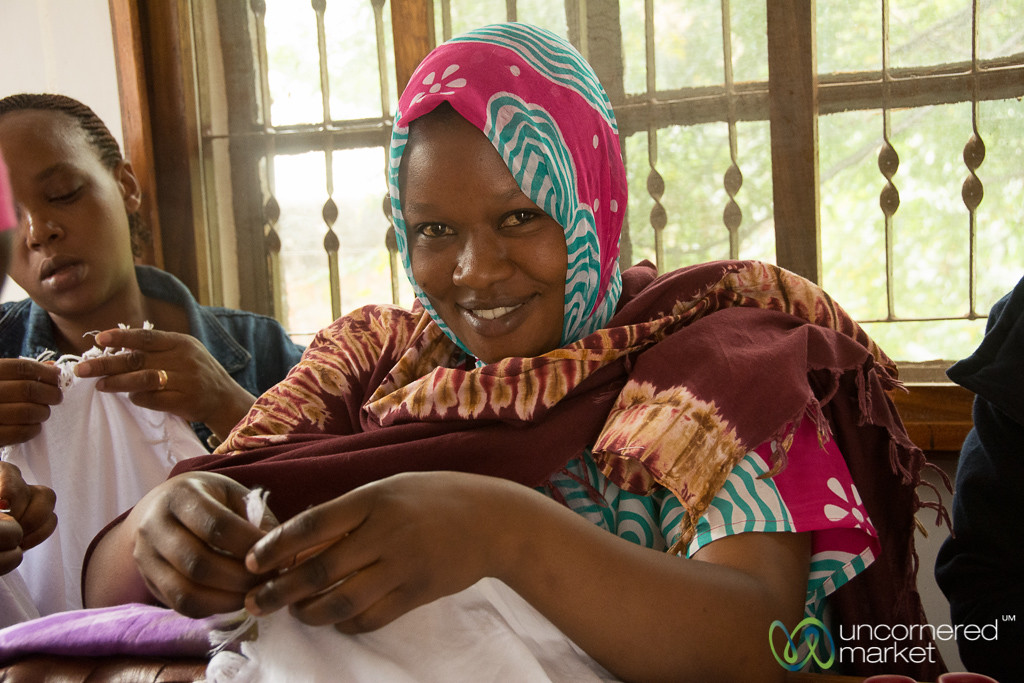
The concentration of female labor is heavily skewed toward the "bottom of the pyramid." Women are disproportionately represented in low-skilled, low-wage, and informal roles—such as housekeeping, catering, and retail—where job security is fragile. Conversely, as one ascends the organizational hierarchy, female representation drops precipitously. Only 19% to 25% of leadership positions and C-suite executive roles within global tourism corporations are held by women. This "glass ceiling" in tourism reflects broader global economic trends, but it is particularly acute in an industry that relies so heavily on female labor for its day-to-day operations.
The Chronology of Economic Vulnerability
The vulnerability of this labor structure was laid bare during the 2020-2022 global pandemic. Because women in tourism were predominantly employed in informal or service-based sectors, they were the first to face mass displacement during the industry-wide shutdown.
- Pre-2019: The sector saw steady growth in female employment, though wage gaps and vertical segregation remained persistent.
- 2020: Global travel restrictions led to a total collapse of international tourism, resulting in the disproportionate termination of female staff, particularly in the hospitality and aviation sub-sectors.
- 2021-2023: As the industry entered a recovery phase, advocacy groups including the UNWTO and various non-governmental organizations (NGOs) began pushing for "gender-responsive recovery" plans, emphasizing the need for reskilling and formalizing employment contracts for women.
- 2024: The current focus has transitioned toward institutionalizing inclusion, moving from temporary crisis response to long-term systemic change.
The Multiplier Effect: Why Investing in Women Yields Returns
The rationale for prioritizing gender inclusion in tourism is not merely ethical; it is empirically supported by economic data. Microfinance institutions, such as Kiva, have consistently reported that women reinvest approximately 80% of their earnings back into their families and communities. This contrasts with broader global averages where men often allocate a smaller percentage of income to domestic and educational expenditures.
When tourism enterprises invest in female entrepreneurs—by providing access to credit, business training, and supply chain inclusion—they trigger a multiplier effect. Research from UN Women confirms that when women participate fully in the economy, there is a measurable increase in girls’ education rates, improved child nutrition, and higher levels of community stability. In the context of tourism, this means that a local handicraft cooperative or a women-led guiding service does not just generate profit; it serves as a foundational pillar for regional socio-economic development.

The Business Case for Executive Diversity
Beyond the social impact, corporate entities are increasingly recognizing the business case for gender diversity. McKinsey & Company’s decade-long study on workplace diversity suggests a direct correlation between executive-level gender diversity and economic profitability. Organizations with higher gender parity in leadership are better positioned to capture market share, largely due to their ability to understand their customer base.
The tourism market itself is heavily driven by female purchasing power. Estimates indicate that women influence 70% to 80% of all travel decisions. When an organization’s leadership team lacks gender diversity, it creates a "cognitive blind spot," where the company may fail to recognize the preferences, safety concerns, and service needs of its primary demographic. Bridging this gap is not just a matter of equity; it is a fundamental requirement for competitive advantage in a post-pandemic travel market.
Strategies for Institutional Change
To move from the performative nature of annual observances to substantive action, industry analysts and labor experts suggest a three-pronged approach:
- Supply Chain Inclusion: Tourism companies must conduct audits of their supply chains to ensure that women-owned small and medium-sized enterprises (SMEs) are being awarded contracts for services, goods, and local experiences.
- Mentorship and Leadership Pathways: Organizations must implement formal mentorship programs that provide women with the technical and soft skills necessary to bridge the gap from entry-level service roles to management positions.
- Data Transparency: Companies should be encouraged to publish gender-disaggregated data regarding their payroll, promotion rates, and board composition. Transparency acts as a catalyst for accountability, forcing firms to confront and rectify internal disparities.
Future Implications for the Travel Sector
As the tourism sector looks toward the future, the integration of "inclusion" into the definition of "sustainability" will be paramount. Historically, sustainable travel focused primarily on environmental conservation and carbon footprint reduction. The emerging paradigm shifts the focus to "social sustainability," where the success of a destination is measured by its ability to provide equitable opportunity for its local inhabitants.

If the tourism sector can successfully rise to the challenge of the 2024 IWD theme, the result will be a more resilient industry. By moving women from the periphery of labor to the center of decision-making, the sector will not only mitigate the risks of future economic shocks but will also foster the creation of more authentic, culturally sensitive, and transformative travel experiences.
The transition requires a departure from the "status quo," where women are treated as the backbone of the industry but denied the influence of its brain. "Inspiring inclusion" in this context is the active process of opening doors, providing capital, and ensuring that the structural framework of tourism supports the success of all participants, regardless of gender. The industry is currently at a juncture where the choices made in recruitment, investment, and leadership development will define the landscape of global travel for the next decade. Success will be determined not by the slogans used on International Women’s Day, but by the measurable progress made in the boardrooms and local communities throughout the year.