Cape Froward National Park: A New Frontier for Conservation and Wilderness Exploration in Chilean Patagonia

The establishment of Cape Froward National Park marks a pivotal milestone in the history of South American conservation, solidifying the protection of one of the planet’s most rugged and ecologically significant wilderness areas. Located at the southernmost tip of the South American mainland, the region is slated for formal designation as a national park by the end of 2027. This initiative, spearheaded by the conservation organization Rewilding Chile, represents a decades-long effort to preserve the unique biodiversity of the Brunswick Peninsula and its surrounding marine environments.
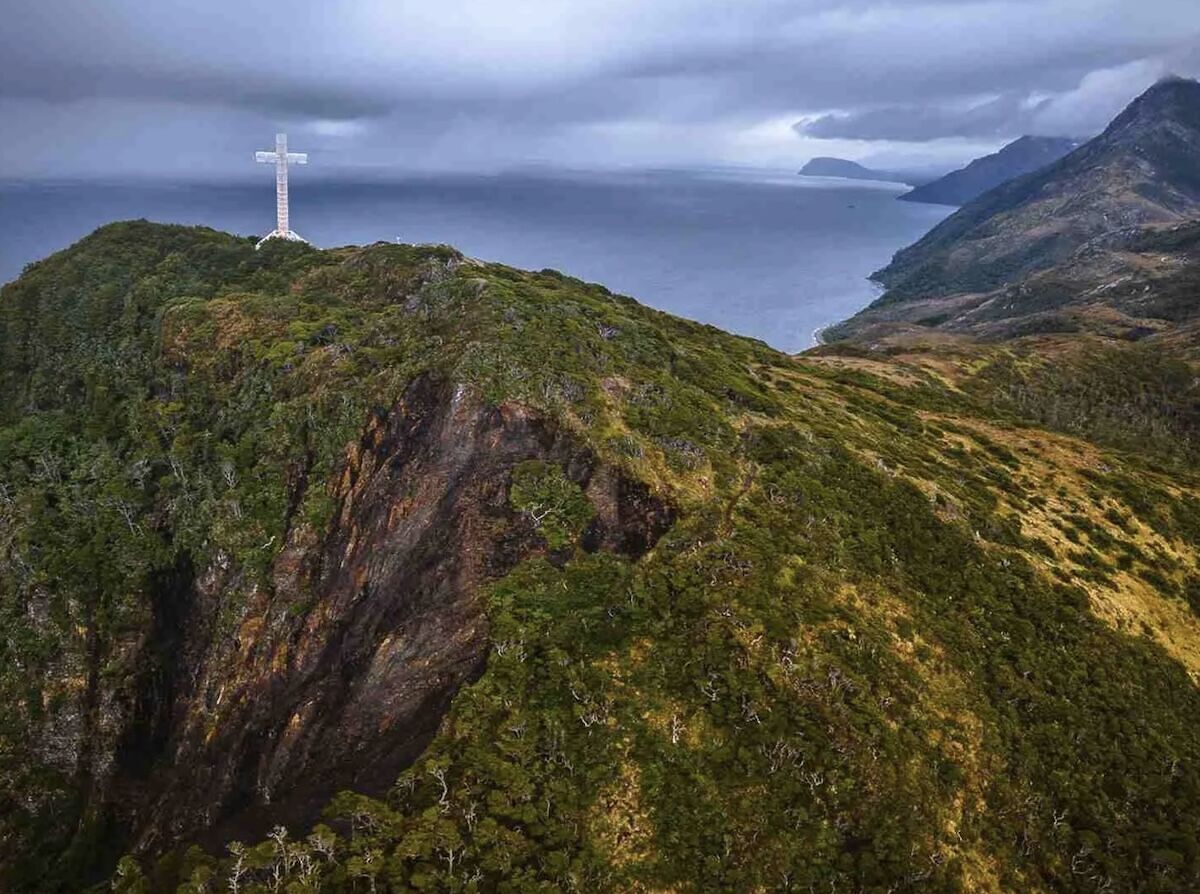
While the administrative process of creating the park is still underway, the area currently exists as a primitive, roadless landscape that draws a small but dedicated contingent of international hikers, researchers, and wilderness enthusiasts. Accessing the region requires a level of logistical preparation rarely demanded by more established parks in Chile, such as the internationally renowned Torres del Paine. Travelers wishing to reach the iconic Cruz de los Mares, the metal cross that signifies the southernmost point of the continental landmass, must contend with a demanding multi-day trek that involves navigating rocky beaches and timing river crossings to coincide with volatile tidal cycles.
A Chronology of Conservation
The journey toward creating Cape Froward National Park is rooted in a series of strategic land acquisitions and government mandates spanning two decades. The project’s origins date back to 2006, when the Chilean Ministry of National Assets first moved to designate portions of the cape as a protected zone. The primary catalyst for this initial action was the critical need to secure habitat for the huemul (Hippocamelus bisulcus), an endangered Andean deer that serves as a national symbol of Chile, appearing prominently on the country’s coat of arms alongside the Andean condor.
The project gained significant momentum through the involvement of Rewilding Chile, an organization established by Kristine Tompkins and her late husband, Doug Tompkins—the former executives of Patagonia and The North Face, respectively. By November 2025, Rewilding Chile had successfully donated over 314,000 acres to the project. A subsequent agreement finalized in November 2026 further bolstered these holdings by incorporating additional private properties into the protected area. In a significant show of support, the Chilean government committed to contributing approximately 82,500 acres of state-owned land, exceeding its initial promises by nearly 13,000 acres.
Currently, the project is in a critical phase of administrative consultation. The Chilean government is mandated to engage in formal discussions with the Indigenous peoples of the region, specifically the Kawésqar, whose ancestral territory encompasses the cape. These consultations, which are expected to conclude by March 2027, are designed to ensure that the creation of the park respects traditional customs, land-use rights, and the historical relationship between the Indigenous population and the environment.
Ecological and Climate Significance
The designation of Cape Froward is driven by more than just tourism potential; it is a vital strategy for protecting fragile ecosystems. The park’s geography serves as a sanctuary for several high-priority species. Beyond the huemul, the area is a crucial refuge for the endangered ruddy-headed goose. Furthermore, the forests of the peninsula are characterized by the presence of the Guaitecas cypress (Pilgerodendron uviferum), which holds the distinction of being the southernmost naturally occurring conifer species in the world.
The region also plays a quiet but essential role in global climate mitigation. The park contains extensive wetland systems that have acted as carbon sinks for millennia. These peatlands and marshes have accumulated vast layers of partially decomposed organic matter, effectively sequestering significant quantities of carbon. Environmental scientists emphasize that protecting these wetlands from development or drainage is essential; disturbing these lands could result in the rapid release of stored carbon into the atmosphere, thereby exacerbating global warming.
Historically, the peninsula is a site of immense scientific and cultural interest. The Kawésqar people have navigated these waters via canoe for thousands of years, developing a sophisticated knowledge of the marine and terrestrial landscape. Later, in 1834, the area served as a critical site for Charles Darwin during his voyage on the HMS Beagle. Darwin famously ascended Mount Tarn, a 2,700-foot peak that remains a popular, albeit challenging, destination for modern-day hikers.
Navigating the Southernmost Mainland
For those looking to explore the area, the city of Punta Arenas serves as the essential gateway. With regular air service from Santiago, Punta Arenas acts as the primary logistical hub for expeditions into the Brunswick Peninsula. Unlike the highly developed tourism infrastructure found in northern Patagonia, Cape Froward offers a "raw" wilderness experience.
The trek to the Cruz de los Mares remains the ultimate objective for many backpackers. This out-and-back journey typically takes one week and is characterized by its technical difficulty. The absence of roads means that visitors must either hike along the coastline, where progress is dictated by the tide, or coordinate with specialized boat outfitters in Punta Arenas to bypass the most difficult segments.
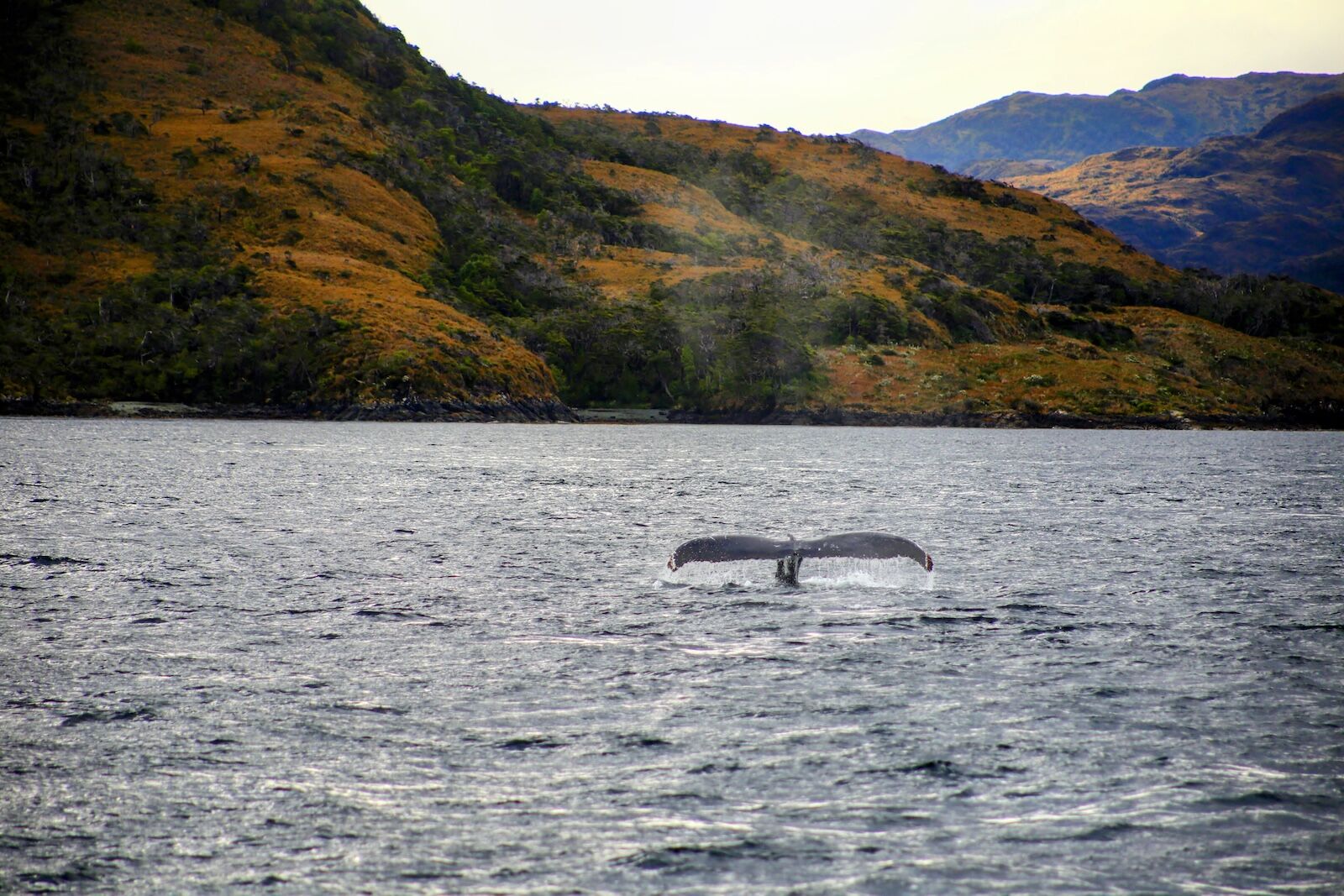
For travelers seeking less intensive experiences, the region offers the San Isidro Lighthouse trek, a 3.5-mile coastal walk that provides excellent opportunities for spotting dolphins and other marine mammals in the Strait of Magellan. The hike up Mount Tarn offers a more strenuous, 7.4-mile round-trip experience, rewarding hikers with panoramic views toward Tierra del Fuego.
Infrastructure development is a subject of ongoing debate and planning. Rewilding Chile has published proposals for a network of trails, designated campsites, and basic shelter facilities near the cape. However, officials caution that these amenities will be implemented incrementally. Travelers are currently advised to be entirely self-sufficient, as there are no refugios or supply points in the park’s interior. The ideal window for visitation spans from November through March, during which the region experiences its longest daylight hours. Even during the peak of the austral summer, however, visitors must prepare for sub-freezing temperatures, gale-force winds, and the ever-present possibility of snow.
Broader Implications and Global Context
Cape Froward is a significant addition to "Chile’s Route of Parks," a 1,700-mile network of protected areas that spans the length of the Chilean Patagonia. By integrating Cape Froward into this broader framework, Chile is positioning itself as a global leader in the "rewilding" movement—a conservation strategy that focuses on restoring natural processes and wilderness corridors.
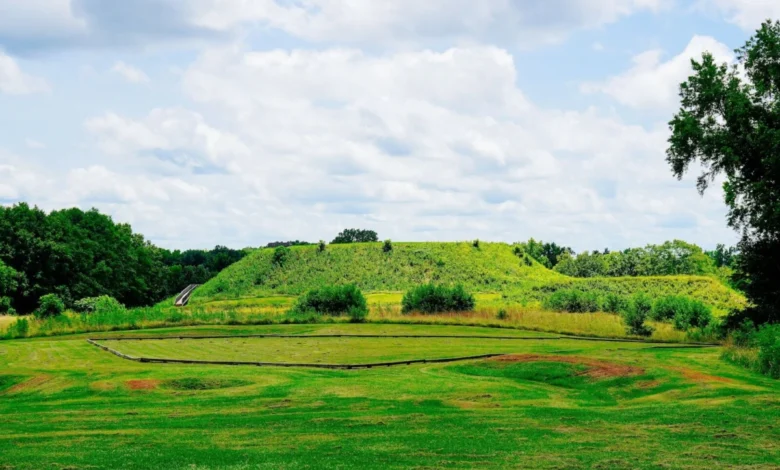
The trend of establishing or expanding national parks is mirrored elsewhere. In the United States, legislative efforts to designate the Ocmulgee Mounds in Georgia as a national park reflect an ongoing push to recognize both ecological and cultural historical sites. Similarly, in Canada, a massive, 12.4-million-acre watershed in northern Manitoba is being evaluated for protection, which would provide a sanctuary for polar bears and wolves. Meanwhile, Australia’s Great Koala National Park in New South Wales is nearing completion, aiming to safeguard a habitat for an estimated 12,000 koalas.
The common thread among these global initiatives is the transition from extractive land use to a model of permanent protection. For Cape Froward, the challenge will be to balance the influx of tourism with the preservation of the very wilderness that attracts visitors. As the 2027 deadline approaches, the success of the park will likely be measured not by visitor numbers, but by the stability of the huemul population and the integrity of the carbon-rich wetlands that the area is intended to protect. For now, the cape remains a testament to the wild, offering a rare glimpse into a landscape largely untouched by the modern world.