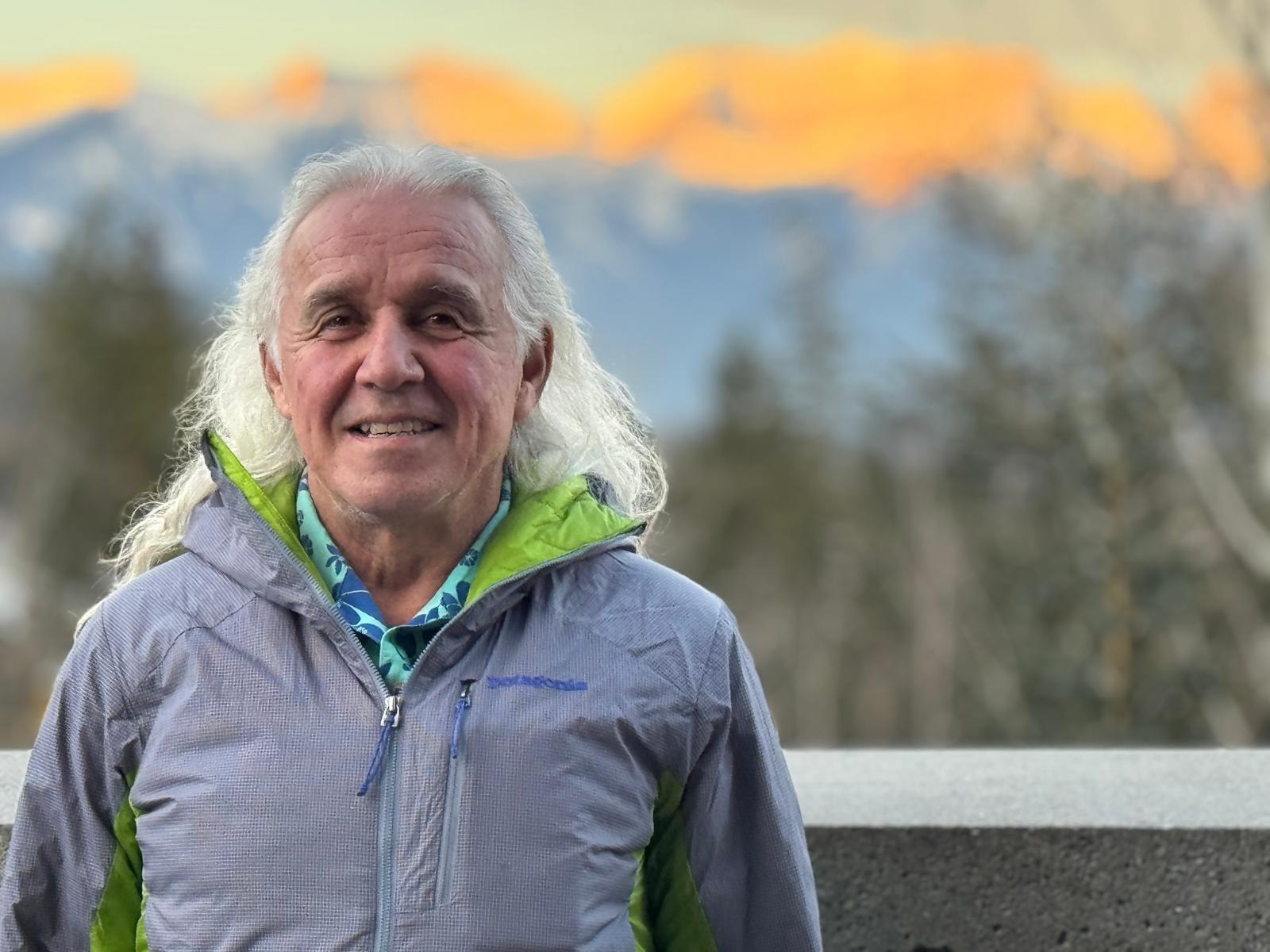
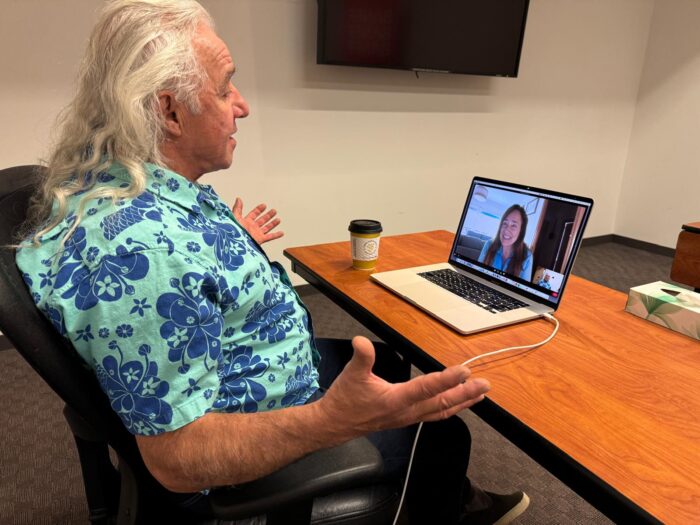
Over the course of five decades, Canadian alpinist Barry Blanchard has defined the outer limits of human endurance, scaling some of the most formidable peaks on the planet while navigating a life punctuated by near-death experiences. Now 67, the veteran climber and mountain guide recently appeared at the Banff Centre Mountain Film and Book Festival to discuss his memoir, The Echo: Stories from the Edge of Survival. The work serves as a candid autopsy of his career, exploring the collision between professional high-stakes mountaineering and the realities of domestic life.
Blanchard’s career is a testament to the evolution of climbing. When he began his journey in the late 1970s, the sport was a rugged, often reckless pursuit characterized by heavy gear and minimal safety margins. Today, as he reflects on his transition from a young, uncompromising alpinist to a seasoned mentor and guide, the narrative of his life mirrors the broader shift in mountaineering culture: a move toward technical proficiency and risk mitigation, even as the inherent danger of the sport remains unchanged.
A Chronology of Survival
Blanchard’s life has been a series of narrow escapes, though his most significant recent challenge did not occur on a sheer rock face or an icy col. Following a traumatic brain injury (TBI) sustained in a domestic fall down a concrete stairway—an accident that resulted in 11 skull fractures—Blanchard faced a recovery that forced him to re-evaluate his identity.
"I had 11 skull fractures, and we didn’t know if I would ever be able to guide again or even climb or walk again," Blanchard noted during the festival. For a man who had survived the volatile conditions of the Canadian Rockies and the Himalayas, the fragility of a standard domestic environment was a profound irony. His recovery process was grueling, involving a 13-day period of total memory loss and a long-term struggle to regain cognitive executive functions.
Blanchard’s rehabilitation was a measured, professional process. His return to climbing began in the safety of a controlled gym environment before progressing to ice climbing, where he relied on world-class peers to ensure his safety. His method for managing post-concussion vertigo and balance issues—a technique of intentional deep breathing—highlights the intersection of clinical medical advice and the intuitive discipline required by elite athletes.
The Evolution of Risk and Alpinism
To understand Blanchard’s career, one must consider the timeline of modern alpinism. During the 1980s and 90s, the "death rate" among elite climbers was significantly higher, a reality that fostered a grim "gallows humor" culture. Blanchard recalls the prevailing sentiment of the era: "I’m glad we didn’t die, now we can try something harder."
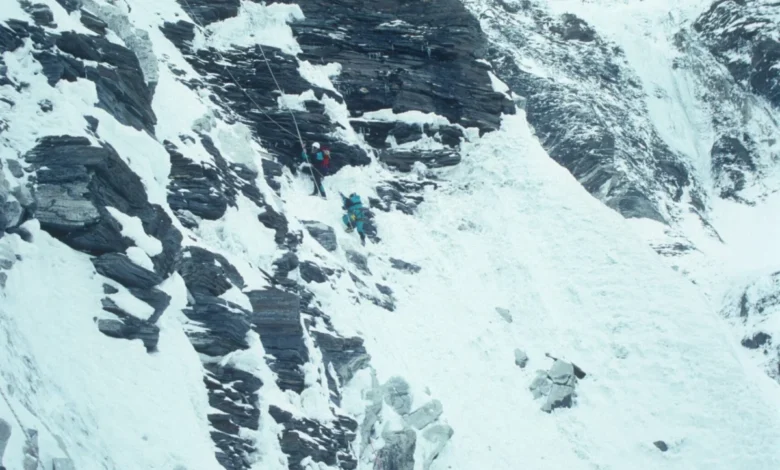
Data from that period corroborates the extreme risk profiles of the time. The 1999 Howse Peak incident remains a pivotal moment in his history—a near-fatal avalanche that serves as a case study for the role of luck in mountaineering. While Blanchard and his partner, Steve House, survived, the same peak would later claim the lives of elite climbers David Lama, Jess Roskelley, and Hansjorg Auer in 2019. Blanchard’s analysis of these events is objective: he views them not as failures of skill, but as a combination of environmental unpredictability and the brutal, often capricious nature of high-altitude terrain.
The Domestic-Adventure Paradox
One of the most compelling aspects of Blanchard’s memoir is his examination of the "four quarters" of his life, a metaphor he draws from Canadian football. The first two quarters were dominated by an unconditional, almost religious devotion to alpinism. He admits that this focus came at a high personal cost, including the dissolution of his first marriage.

The birth of his daughters marked a decisive shift in his approach to risk. Alpinists often speak of "risk tolerance," a metric that is recalibrated by personal responsibility. For Blanchard, this shift became tangible while climbing the north face of Bravo Peak in the Coast Range. As he navigated a maritime snowpack—materially different from the continental snow of his home range—he found that every decision was filtered through the lens of fatherhood. The presence of his family in his mind effectively replaced the cavalier attitude of his youth with a heightened sense of caution.
Indigenous Heritage and Philosophical Perspective
As a member of the Métis community, Blanchard’s relationship with the mountains is deeply rooted in indigenous perspective. He rejects the colonial terminology of "conquering" peaks, which has become common in the era of commercialized, high-traffic expeditions on mountains like Everest.
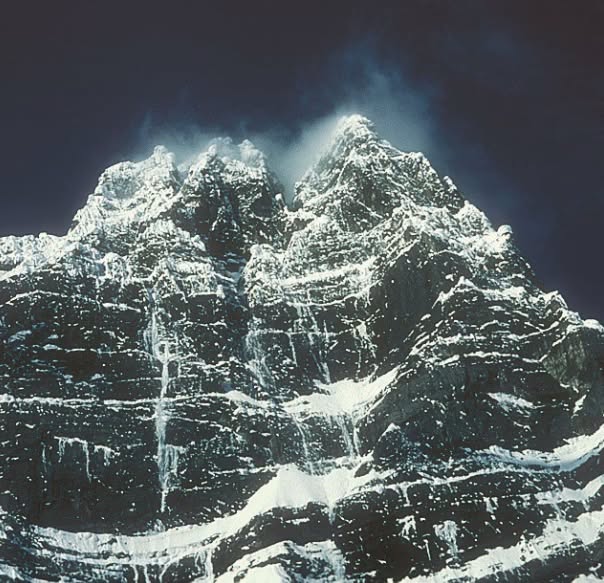
Instead, he views mountains as sentient, ancestral entities. His long-standing relationship with the mountain known to the Stoney Nakoda people as ʔayɛ Mnathka (Yamnuska) is central to his guiding philosophy. By offering tobacco at the base and seeking permission before ascending, Blanchard maintains a practice of reciprocity. This perspective provides a critical counter-narrative to the modern trend of mountaineering as a purely athletic or commercial endeavor. It shifts the focus from the human ego to a respectful engagement with the environment.
Professional Impact and Legacy
Beyond his own climbing, Blanchard has become a vital technical advisor for the film industry, contributing his expertise to productions like Jennifer Peedom’s Tenzing. His role as a safety officer on these sets serves as a bridge between the historical reality of 1953 expedition climbing and contemporary audiences.
However, his life continues to be a series of physical tests. During the filming of Tenzing in New Zealand, he suffered a ski-related injury that necessitated further surgery. When combined with his previous mountain accidents and his recent TBI, Blanchard has become a regular recipient of care within the Canadian public health system. His peers often joke that he is among the most "reconstructed" climbers in the country, a testament to his longevity in a field where many of his contemporaries did not survive to tell their stories.
Analysis: The Future of the Alpinist
The implications of Blanchard’s career are clear: the sport of alpinism is moving toward a more sustainable, if no less dangerous, future. The technological advancements he notes—superior ice screws, lightweight gear, and hyper-accurate weather forecasting—have undoubtedly made the sport more accessible. However, he maintains that the internal experience of the climber remains unchanged. Fear is still a primary component of the ascent.
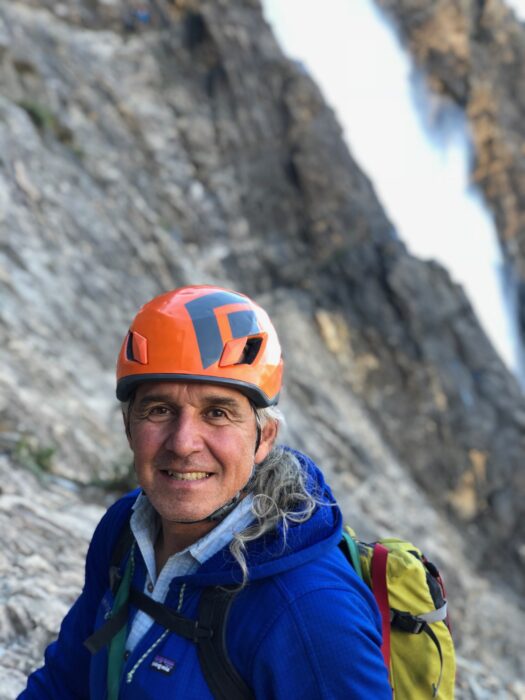
"One of the gifts of alpinism is that you learn to make fear an ally," Blanchard explains. His transition from the reckless ambition of his youth to the disciplined, reflective, and community-oriented guide he is today provides a blueprint for the next generation of climbers.
As the mountaineering world grapples with the issues of commercialization, climate change, and the ethics of ascent, Blanchard’s voice remains a stabilizing force. He is not merely a survivor of his nine lives; he is an archivist of a vanishing era of exploration. His memoir does not attempt to justify the risks taken; rather, it documents the maturation of an athlete who learned that the ultimate challenge is not reaching the summit, but successfully navigating the descent back into a meaningful life.