Beyond the Traditional Safari: An Exclusive Exploration of Miavana by Time + Tide on Madagascar’s Nosy Ankao Archipelago


The global luxury travel sector has increasingly shifted its focus toward ultra-remote, low-density destinations that offer absolute privacy alongside immersive ecological experiences. Among the most ambitious developments in this category is Miavana by Time + Tide, a private-island sanctuary situated on Nosy Ankao within a protected marine and terrestrial archipelago off the northeastern coast of Madagascar. Accessible exclusively via helicopter, the resort represents a convergence of high-end hospitality and remote wildlife conservation, appealing to affluent travelers seeking an alternative to the conventional African safari circuit.
Main Facts and Geographic Context
Madagascar, located roughly 250 miles off the southeastern coast of mainland Africa, separated from the continental landmass millions of years ago. This profound geographic isolation resulted in the evolution of endemic flora and fauna found nowhere else on Earth, including hundreds of species of lemurs, unique reptiles, and towering baobab trees.
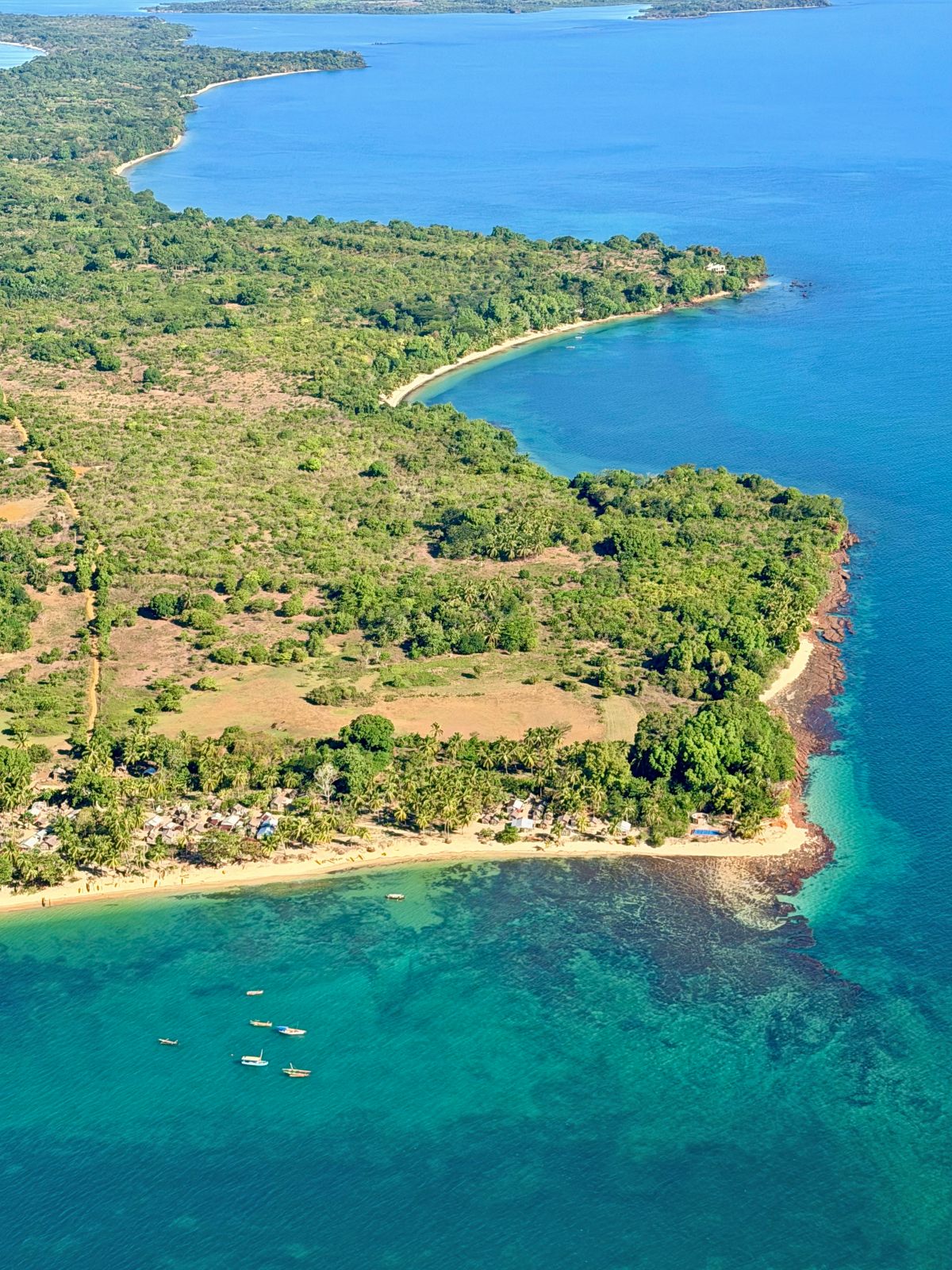
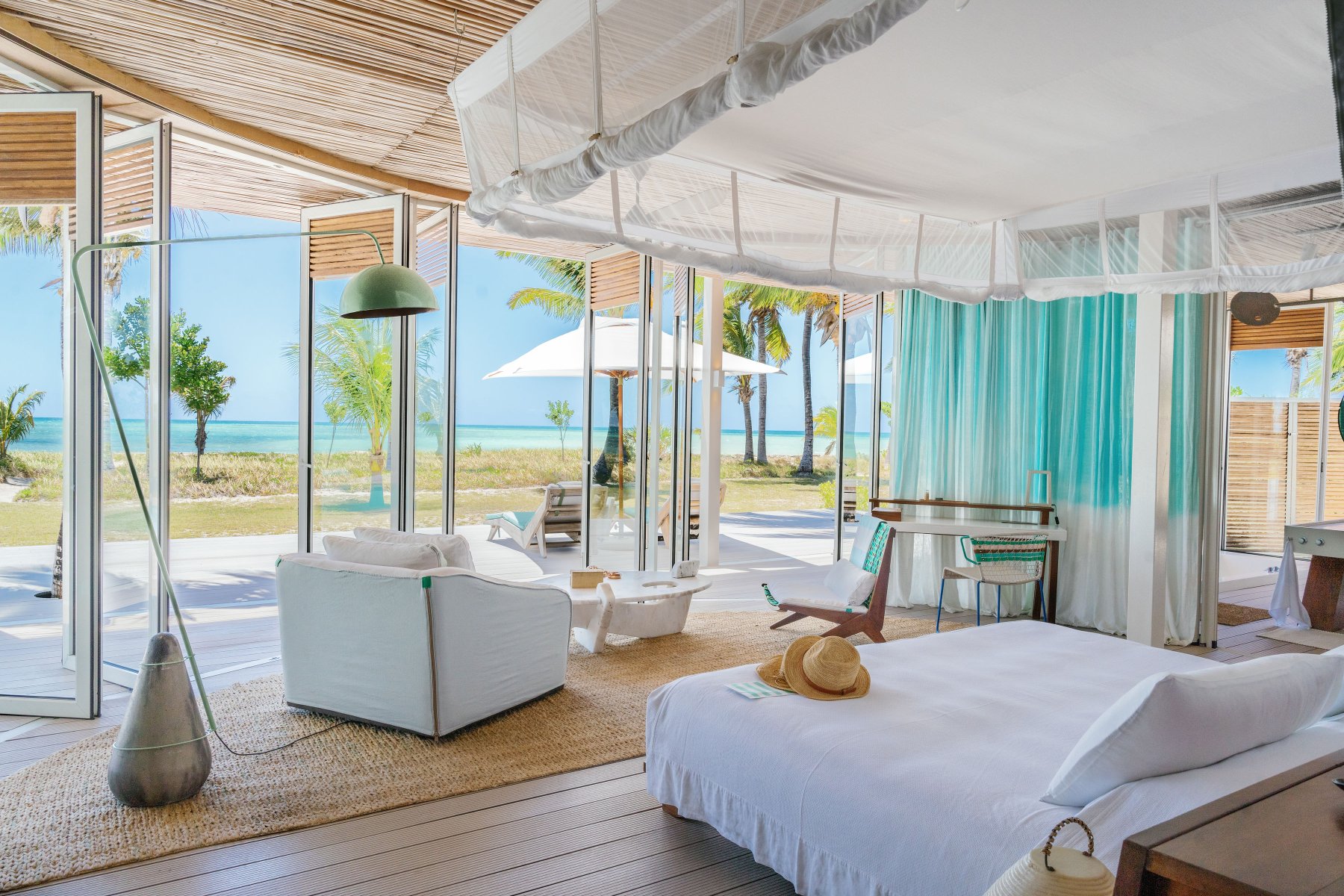
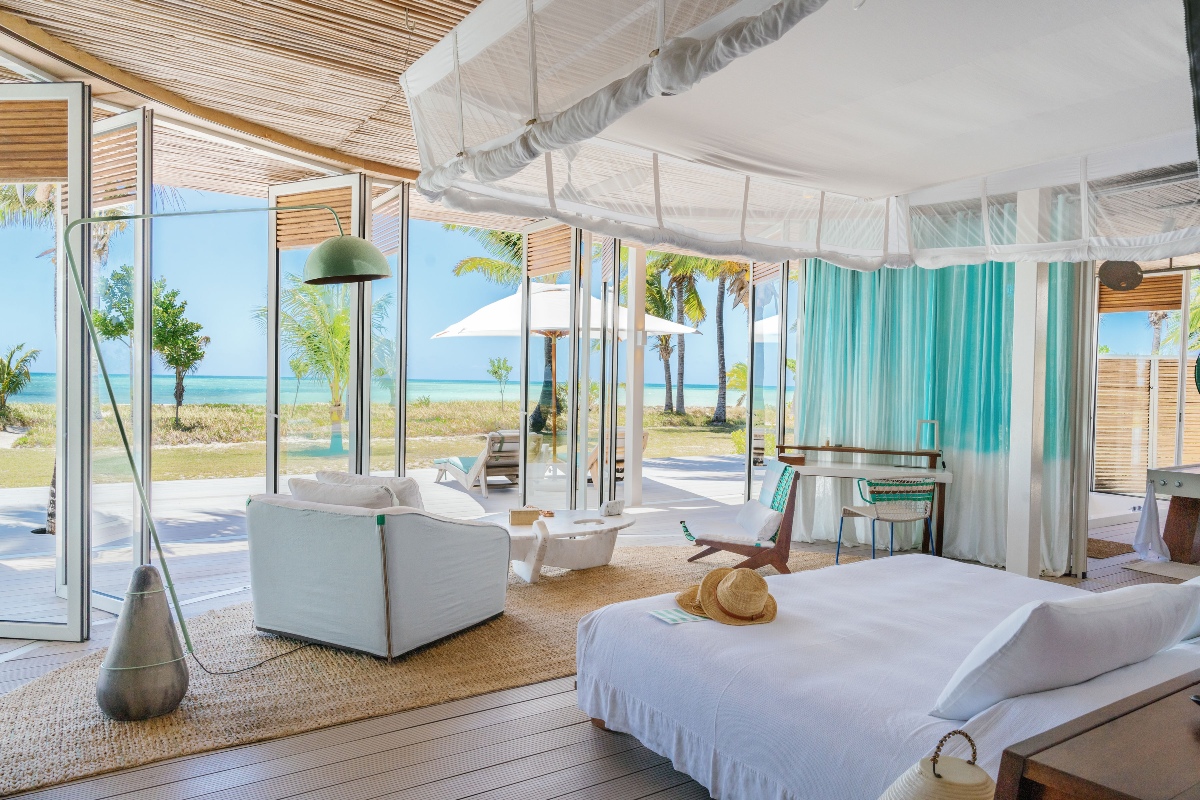
Nosy Ankao, the site of Miavana, sits within a barrier reef system rich in marine biodiversity. The resort itself comprises just 13 expansive beachfront villas configured in one-, two-, and three-bedroom layouts. Each residence features private freshwater infinity pools, direct access to white-sand shorelines, and floor-to-ceiling glass paneling designed to integrate interior living spaces with the surrounding coastal environment. Infrastructure on the island is deliberately low-impact, supported by renewable energy initiatives and stringent conservation mandates overseen by the Time + Tide Foundation.
Logistics and Chronology of Access
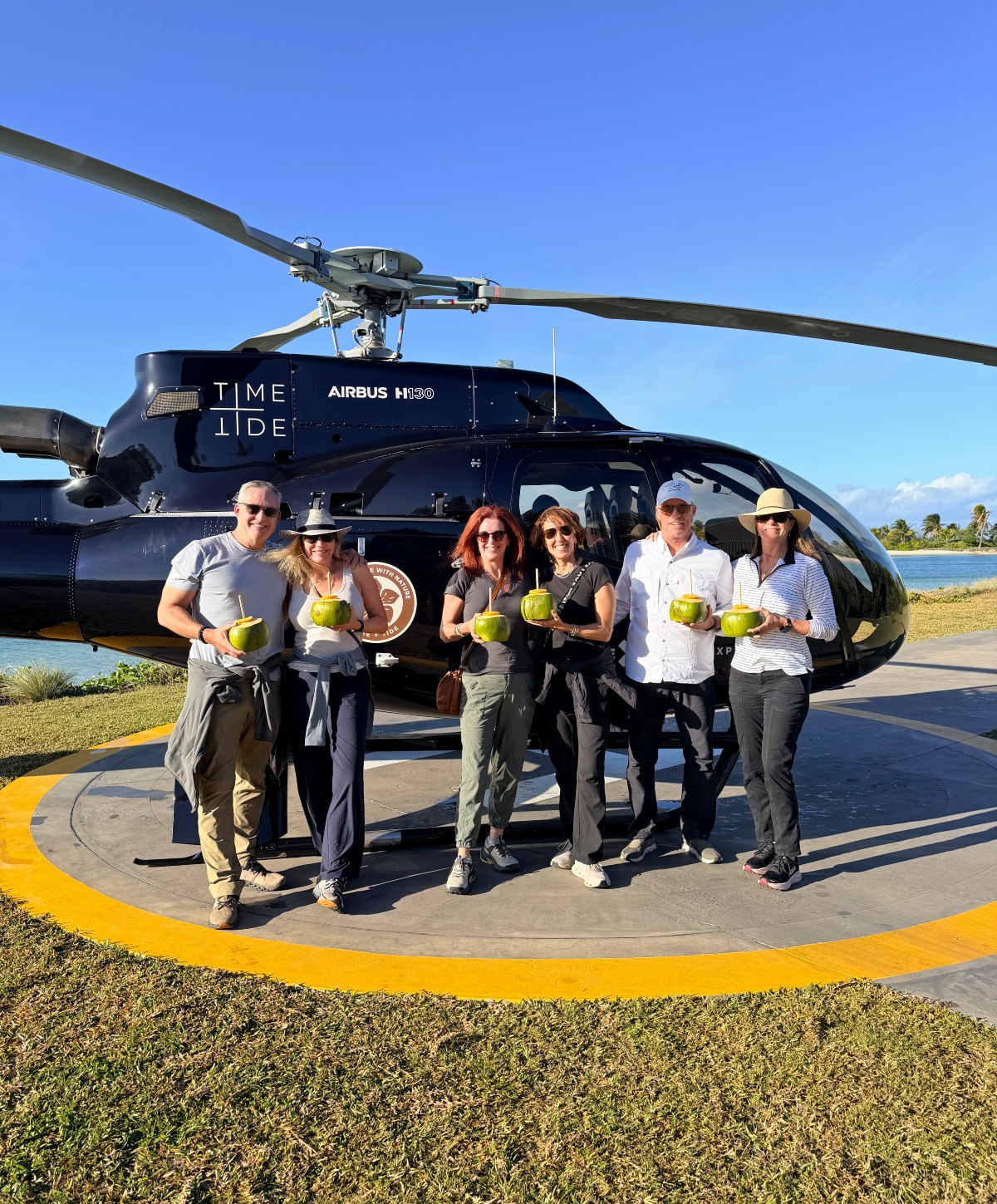
Traveling to a destination of this remoteness requires meticulous logistical coordination. Most international itineraries involve long-haul flights into major African transit hubs such as Johannesburg, South Africa, followed by regional flights to Madagascar’s northern airports. The final leg of the journey utilizes specialized helicopter transfers operated by the resort, transporting guests directly from mainland airstrips over baobab forests, traditional villages, and turquoise reefs onto Nosy Ankao.
The journey demands advance planning often spanning several months. Travel planning organizations, such as Ciao Bambino in partnership with the Exeter Safari Company, frequently manage these multi-stage itineraries—including overnight accommodations in South Africa, customs clearances, and internal air charters—to mitigate the complexities associated with travel in developing island nations.
Supporting Data and Resort Infrastructure
Miavana operates on an all-inclusive luxury model tailored to high-net-worth individuals and multigenerational family groups. Key infrastructure and operational metrics include:
- Accommodation Capacity: 13 private villas accommodating couples and large family groups.
- Transportation Fleet: Two dedicated on-site Airbus helicopters facilitating mainland excursions and aerial transfers, supplemented by electric buggies and bicycles for internal transit.
- Dining Venues: Multiple distinct culinary spaces, including the Piazza Restaurant and Lounge, Silvio’s, and the beachside Crab Shack, supported by locally sourced seafood and imported provisions.
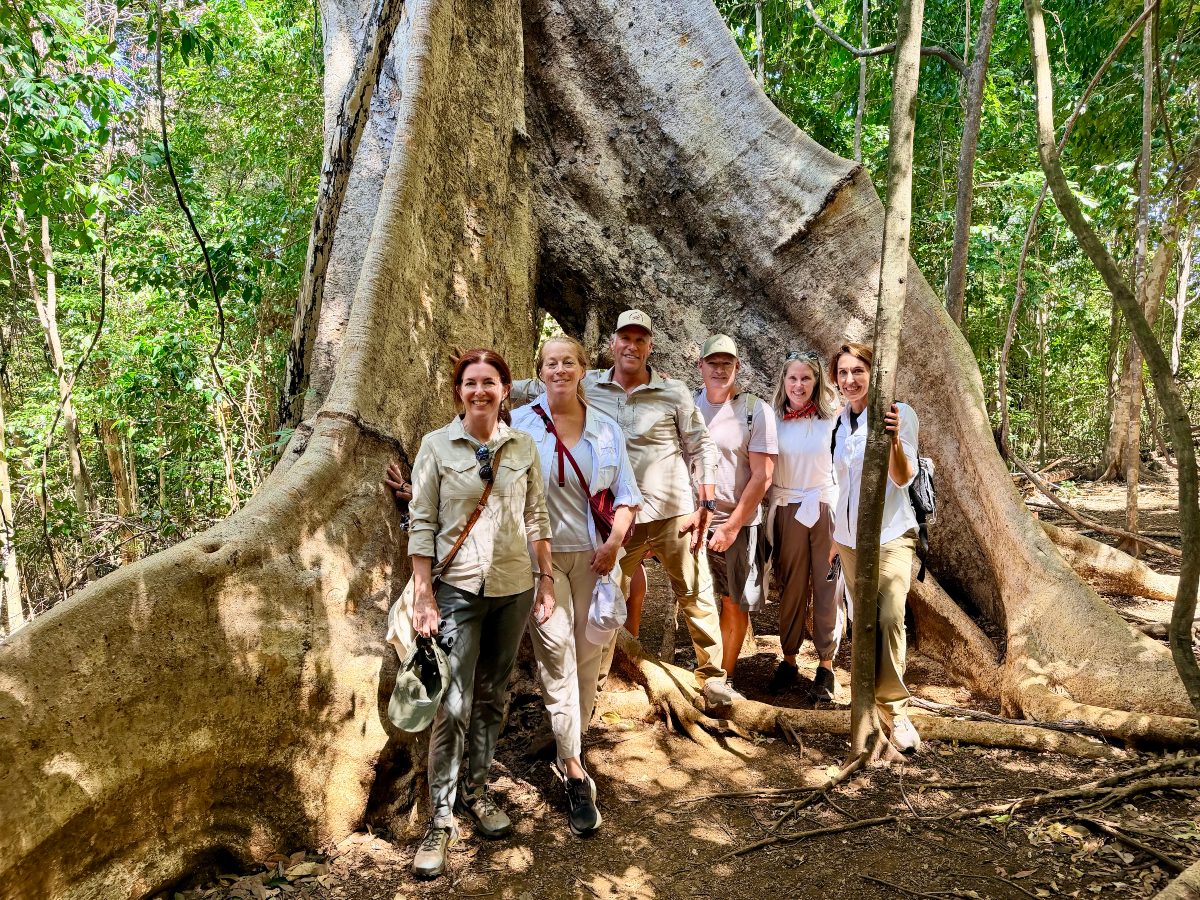
- Activity Center: A comprehensive base for marine sports—such as scuba diving, deep-sea fishing, and mangrove kayaking—as well as terrestrial excursions including ATV tours and historical site visits.
Official Responses and Conservation Implications
Hospitality and conservation analysts note that properties like Miavana occupy a critical intersection between high-end tourism and environmental preservation. By positioning Madagascar as a premier ecotourism destination, such developments generate vital funding for local habitat protection and community development.
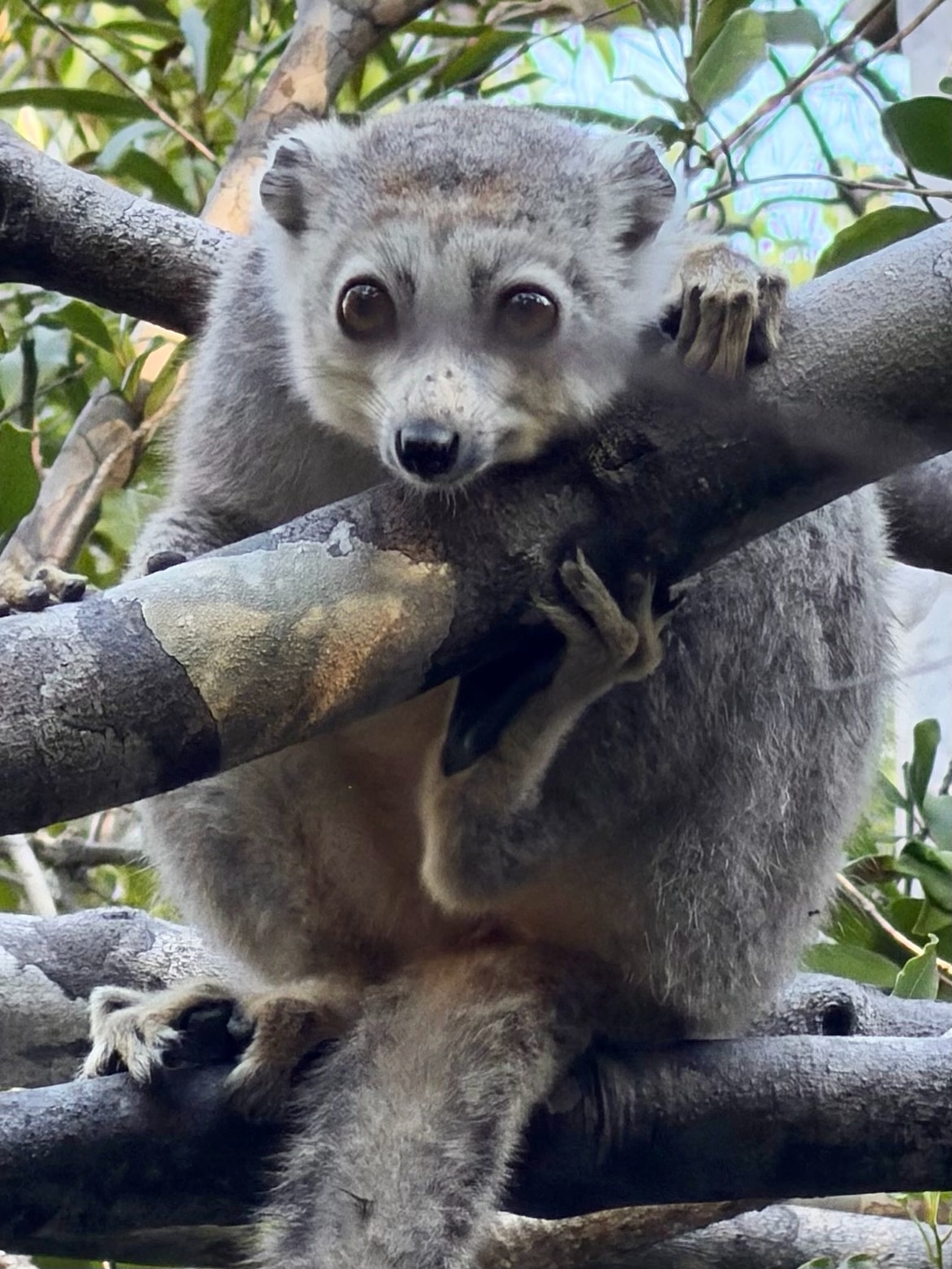
Representatives from Time + Tide emphasize that the resort’s operational framework is built around community integration. Local employment accounts for a significant portion of the resort’s staff, and collaborative programs support regional education, healthcare, and sustainable fishing practices within the Nosy Ankao marine protected area. Conservation biologists have pointed out that high-yield, low-volume tourism minimizes human footprint while providing economic incentives for local populations to protect endangered species, such as the crowned lemur and various marine turtle populations.
Broader Impact and Market Implications
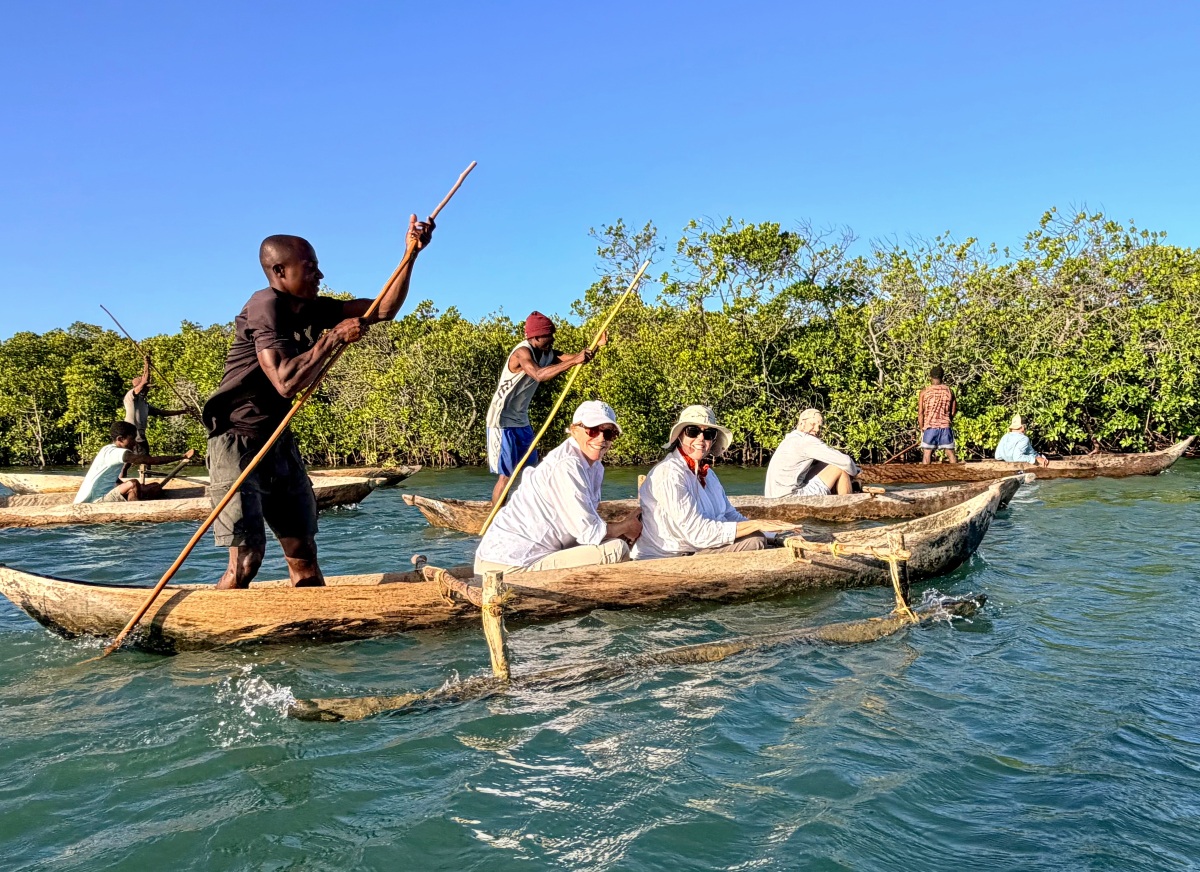
The launch and sustained operation of ultra-luxury properties in Madagascar signal a broader shift in experiential travel. Wealthy demographic cohorts are increasingly bypassing conventional European capitals and crowded beach resorts in favor of hyper-isolated, nature-centric locations.
The economic implications for Madagascar are multifaceted. While tourism infrastructure remains concentrated in a few elite enclaves, these high-end projects showcase the nation’s unique biodiversity to global travelers, potentially stimulating broader interest in infrastructure improvements and national park funding. However, industry observers caution that balancing hyper-exclusive tourism with broader socio-economic development remains a complex challenge for regional policymakers.
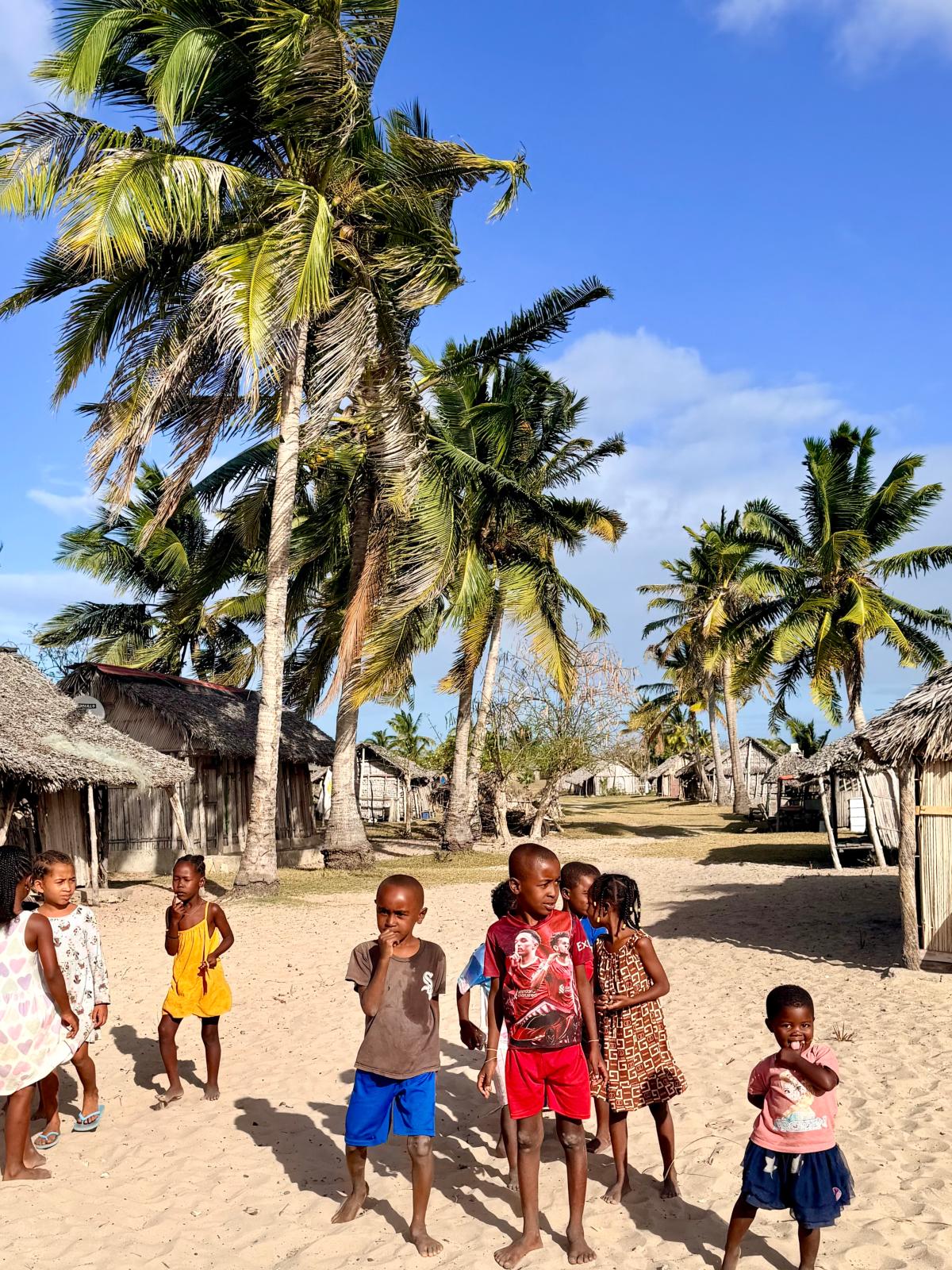
Ultimately, Miavana by Time + Tide illustrates the evolving definition of modern luxury: one characterized not merely by material opulence, but by complete seclusion, access to untouched ecosystems, and seamless logistical execution in some of the planet’s most challenging environments.