Discovering Tasmania: A Comprehensive Culinary Guide to the Apple Isle’s Premier Dining Destinations

Tasmania has steadily emerged as one of the Southern Hemisphere’s premier culinary destinations. Long recognized for its pristine natural environment, invigorating air, and diverse native wildlife, the Australian island state is now equally celebrated for its agritourism and fine dining sectors. Driven by a cool maritime climate, fertile soils, and strict biosecurity laws that protect local agriculture, Tasmanian producers yield exceptionally fresh seafood, artisanal cheeses, premium meats, and cool-climate wines. Food tourism has consequently transformed the regional economy, drawing gourmands from across the globe to sample the island’s distinct farm-to-table offerings.
The Evolution of Tasmania’s Food Scene
The transformation of Tasmania’s gastronomic landscape is rooted in a cultural shift toward localized, sustainable agriculture over the past two decades. Historically reliant on traditional primary industries such as forestry, mining, and conventional farming, the state experienced a significant economic pivot in the early 2000s. Producers, chefs, and entrepreneurs began capitalizing on the island’s unique geographical isolation to cultivate niche, high-quality products.
The establishment of initiatives like the Launceston Harvest Market in 2012 provided a direct-to-consumer platform for local growers, while cultural anchors like the Museum of Old and New Art (MONA), opened in Hobart in 2011, redefined the state’s tourism demographic. MONA’s integration of high-end gastronomy—exemplified by venues such as The Source Restaurant—catalyzed a broader renaissance in modern Australian dining across both Hobart and Launceston. Today, Tasmania’s hospitality sector contributes significantly to the state’s tourism revenue, emphasizing hyper-local sourcing, ethical farming, and indigenous culinary traditions.
Northern Tasmania: From Farm Gates to Vineyard Estates

The northern region of Tasmania offers a diverse array of dining experiences, blending rural agricultural heritage with contemporary culinary techniques.
Christmas Hills Raspberry Farm Cafe, Elizabeth Town
Situated along the Bass Highway in Elizabeth Town, the Christmas Hills Raspberry Farm Cafe integrates agricultural production directly with hospitality. Operating on a long-standing commercial raspberry farm, the venue allows diners to consume fruit harvested mere meters from their tables. The menu spans breakfast, lunch, and specialized dessert offerings, with house-made raspberry ice creams, sorbets, and baked goods serving as primary attractions. The cafe capitalizes on the region’s ideal berry-growing conditions, which are bolstered by cool winters and abundant fresh water resources.
Saturday Harvest Market, Launceston
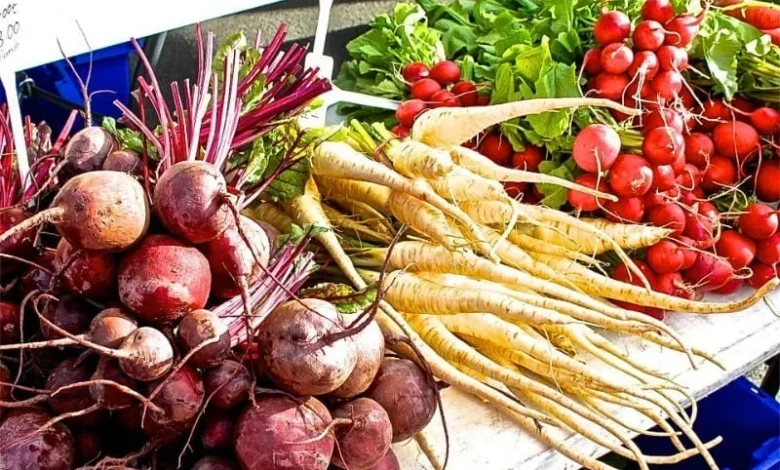
Operating weekly in the Cimitiere Street Car Park, the Launceston Harvest Market serves as a vital economic hub for approximately 135 small-scale regional enterprises, nearly half of which utilize organic farming methods. Established to promote food sovereignty and local supply chains, the market restricts vendors to businesses operating within the state. Consumers can source a wide array of goods, ranging from artisanal cheeses and organic vegetables to specialty proteins such as sustainably harvested wallaby meat, which offers a lean, iron-rich alternative to traditional red meats.
Josef Chromy Vineyard Restaurant, Relbia
South of Launceston lies the Josef Chromy Winery, a 61-hectare estate that has contributed to the international reputation of Tasmanian cool-climate viticulture since 1990. The estate’s restaurant pairs its award-winning sparkling wines, Rieslings, and Pinot Noirs with a modern Australian menu. Utilizing regional produce, the kitchen features preparations such as Ink-infused squid risotto and locally sourced Atlantic salmon. The venue exemplifies the broader trend of vineyard dining in the Tamar Valley, where landscape integration and agricultural provenance drive the consumer experience.
Levee Food Co. Seaport, Launceston
Positioned along the scenic Tamar River waterfront in Launceston’s Seaport district, Levee Food Co. caters to a demand for casual, waterfront dining. The establishment highlights regional seafood and seasonal produce, offering dishes such as salt-and-pepper calamari salads paired with local cheeses and house-made aioli, reflecting the city’s maritime trading history.
Hobart and Surrounds: Urban Sophistication and Historic Charm

As the state capital, Hobart represents the epicenter of Tasmania’s contemporary dining movement, seamlessly blending colonial-era architecture with cutting-edge culinary innovation.
Templo, Hobart
Located within the historic backstreets of Hobart, Templo operates on a micro-restaurant model, seating a maximum of 20 patrons. Opened to champion intimate, communal dining, the venue focuses on Italian-influenced modern Australian plates paired with low-intervention, natural wines. The limited capacity fosters an intensive farm-to-plate execution, allowing the kitchen to adapt its menu dynamically based on daily market availability.
Urban Greek, Hobart
Urban Greek addresses the city’s appetite for authentic Mediterranean cuisine. Emphasizing traditional Hellenic hospitality, the restaurant serves classic dishes including souvlaki, gyros, moussaka, and spanakopita. By utilizing high-quality Tasmanian proteins and dairy alongside imported Mediterranean spices, the kitchen bridges traditional Greek culinary methods with local produce.
Landscape Restaurant & Grill, Hobart
Situated within a meticulously restored 1830s Georgian warehouse in Hobart’s historic waterfront precinct, Landscape Restaurant & Grill offers a premium dining environment steeped in heritage. The interior design incorporates historical artifacts and fine art, providing a sophisticated backdrop for a menu centered on Tasmania’s pasture-fed beef and wild-caught seafood. Cooking methods rely heavily on custom-built charcoal grills, imparting distinct smoky profiles to prime cuts.
Dier Makr, Hobart
Operating in the heart of Hobart’s Central Business District, Dier Makr challenges conventional dining structures through its continuously evolving degustation menu. Led by Head Chef Kobi Ruzicka, the establishment focuses on technical precision, fermentation, and cross-cultural flavor profiles. The minimalist interior design directs consumer focus entirely onto the plate, cementing the venue’s status as a destination for experimental gastronomy.
Franklin Wharf, Hobart
Positioned on the Murray Street Pier, Franklin Wharf capitalizes on its direct harbor frontage. The kitchen delivers a diverse, accessible menu featuring gourmet burgers, house-made pastas, and grilled seafood. Its strategic location serves as a focal point for tourists exploring Sullivan’s Cove, merging panoramic views of the Derwent River with accessible regional dining.

North Hobart and Suburban Innovations
North Hobart’s Victoria Street and surrounding precincts function as a vibrant incubator for cafe culture and alternative dining.
Born in Brunswick, North Hobart
Born in Brunswick reflects the wave of specialty cafe culture driven by Melbourne expatriates relocating to Tasmania. The cafe prioritizes ethical sourcing, seasonal menu adaptations, and sustainability. In addition to specialty coffee programs, the venue offers progressive brunch plates tailored to diverse dietary requirements, operating within a minimalist, industrial-designed space.
The Winston Bar, North Hobart
Functioning as a staple of the North Hobart social scene, The Winston Bar offers a traditional tavern atmosphere combined with a contemporary craft beer and cocktail program. The kitchen focuses on elevated pub classics, utilizing locally sourced meats and seafood to service a loyal clientele of both residents and visitors.
The Derwent Valley and Iconic Cultural Institutions
The broader Tasmanian landscape features destinations that merge art, history, and radical agriculturalism.

The Source Restaurant (MONA), Berriedale
Perched atop the Museum of Old and New Art, The Source Restaurant provides an architectural and culinary statement. Named in honor of the museum’s provocative ethos, the restaurant features floor-to-ceiling windows overlooking the Derwent River. The menu showcases hyper-seasonal, locally sourced ingredients transformed through advanced culinary techniques. The venue operates in tandem with MONA’s broader cultural footprint, reinforcing the symbiotic relationship between contemporary art tourism and high-end gastronomy in Tasmania.
Brooke Street Pier, Hobart
Moored at Sullivan’s Cove, the Brooke Street Pier is a floating pontoon structure housing a collective of food and beverage vendors. Functioning simultaneously as a ferry terminal and a culinary marketplace, the pier offers consumers immediate access to regional specialties, including freshly shucked oysters, artisanal spirits, and boutique baked goods, all within a floating architectural marvel.
The Agrarian Kitchen Eatery, New Norfolk
Located in the historic Derwent Valley town of New Norfolk, The Agrarian Kitchen Eatery represents the pinnacle of the paddock-to-plate movement in Australia. Founded originally as a heritage cooking school in a 19th-century schoolhouse, the enterprise expanded to include an expansive restaurant focusing on self-sufficiency and regenerative agriculture. Utilizing produce harvested directly from its own acreage alongside goods from trusted local farmers, the eatery produces wood-fired, seasonal dishes that pay homage to Tasmania’s rich culinary heritage.
Broader Economic and Tourism Implications
The rapid ascent of Tasmania’s food and wine sector has generated substantial economic ripple effects across the island. Agritourism has diversified the regional economy, encouraging young professionals and master artisans to establish small businesses in rural and regional municipalities previously dependent on declining manufacturing and primary industries. Furthermore, the emphasis on sustainable farming, organic certification, and ethical supply chains aligns with growing global consumer demands for transparency in food production.
As state and municipal authorities continue to invest in infrastructure supporting culinary trails—such as the Cradle to Coast Tasting Trail and the Coal River Valley wine route—Tasmania is well-positioned to maintain its status as a premier global destination for culinary travelers. The integration of agriculture, indigenous ingredients, and world-class hospitality ensures that the island’s gastronomic sector will remain a cornerstone of its long-term economic development.