A Comprehensive Guide to Haggling in Morocco and Navigating Souks for Authentic Souvenirs

The art of commercial negotiation remains a cornerstone of the traditional retail experience throughout North Africa, most notably within the labyrinthine alleyways of Morocco’s historic urban markets. For international travelers navigating the bustling souks of Marrakech, Fes, and surrounding regional cooperatives, understanding local economic customs, pricing structures, and cultural nuances is essential for securing fair transactions. Recent travel data from late 2026 highlights a resurgence in guided group tourism across the region, putting renewed focus on ethical consumerism, sustainable handicraft purchasing, and transparent trading practices between visitors and local artisans.
Historical Context and the Economics of the Souk
Commercial trading in Morocco’s imperial cities dates back centuries, evolving as a vital hub for trans-Saharan trade routes. Today, the traditional marketplace, or souk, operates as a dynamic ecosystem where pricing is rarely fixed outside of modern supermarkets and government-regulated pharmacies. Economists and cultural historians note that haggling—locally understood as a social dialogue rather than a combative negotiation—serves an important function in maintaining market equilibrium. Sellers typically quote initial prices well above market value to account for the customary reduction process, allowing both buyer and artisan to eventually arrive at an agreeable middle ground.
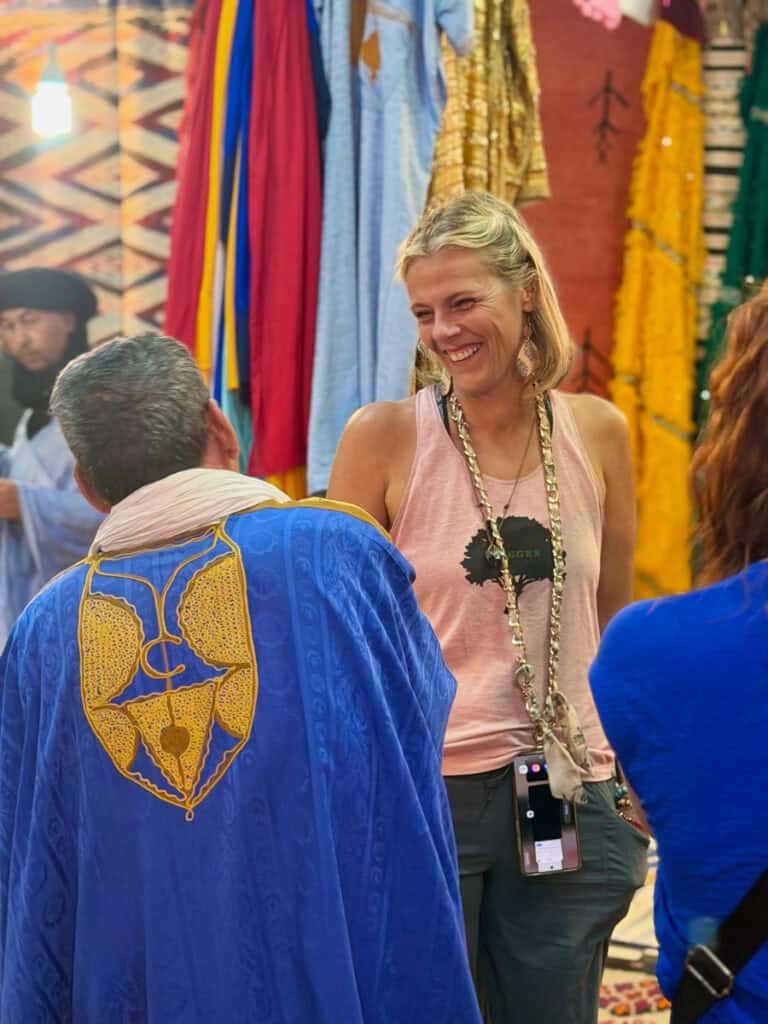
Consumer advocates and regional guides generally recommend opening negotiations at approximately one-third of the initial asking price, with transactions traditionally closing near the halfway mark. This baseline guideline ensures that local artisans receive fair compensation for their labor while protecting foreign buyers from steep tourist markups. Timing also plays a strategic role in marketplace dynamics; retail analysts suggest visiting the souks shortly after they open, typically between 9:00 AM and 9:30 AM. Local vendors often view the first transaction of the day as a harbinger of good fortune, making them more amenable to favorable pricing on items ranging from spices to hand-woven textiles.
Regional Specialization: Where to Purchase Authentic Goods

Travel itineraries spanning from Marrakech to Fes reveal a diverse landscape of regional craft production. Purchasing souvenirs directly from the communities where they are manufactured ensures higher authenticity and directly supports local economies.
Argan Oil and Apothecary Products in Marrakech
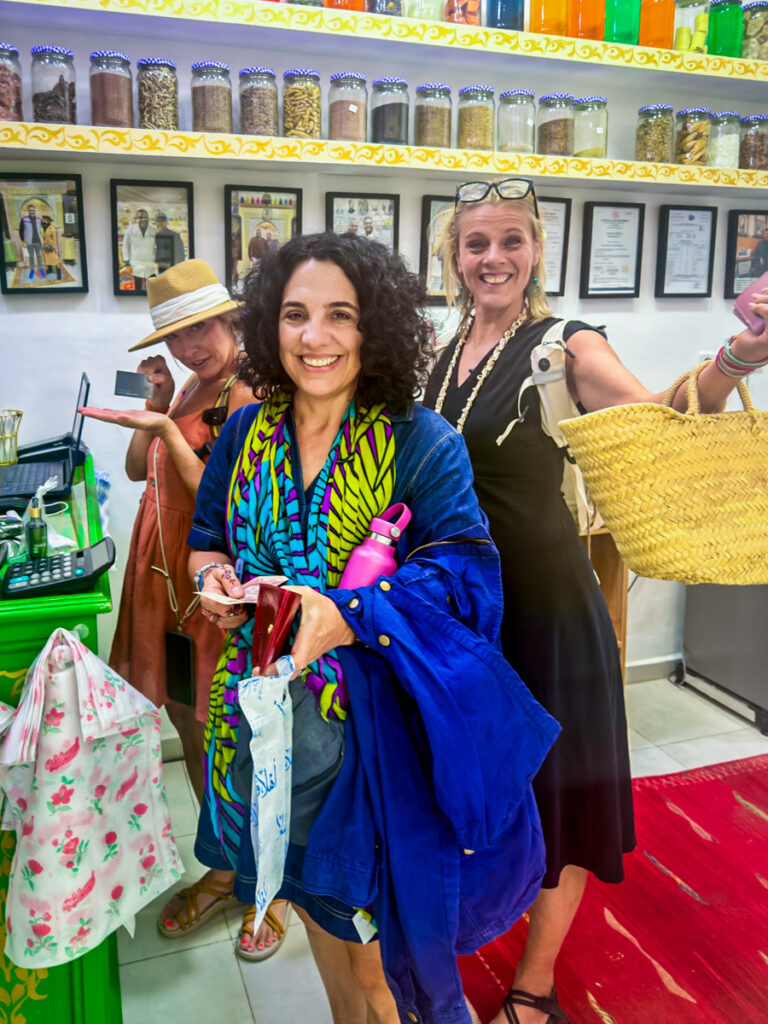
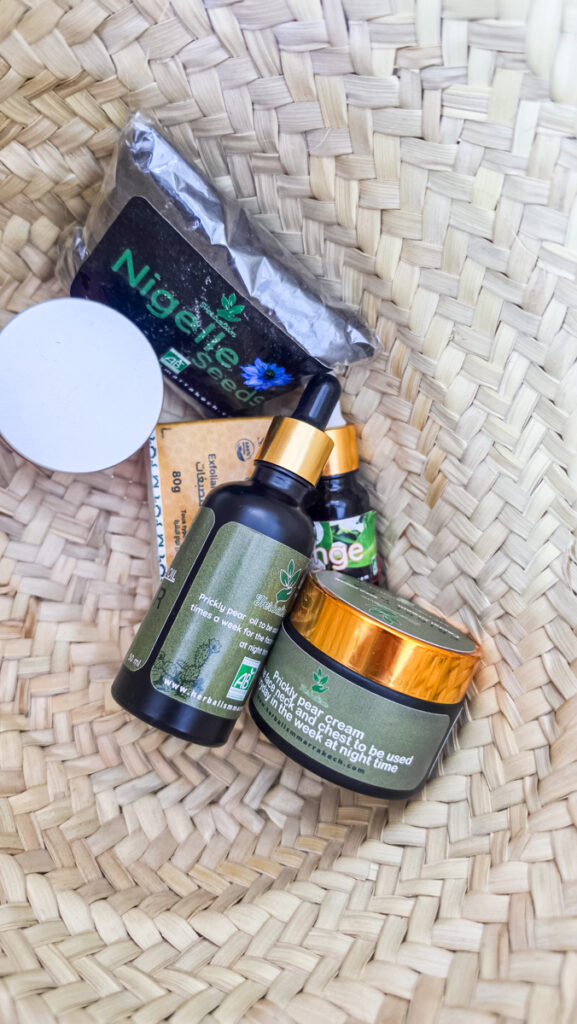
Argan oil, extracted exclusively from the kernels of the endemic argan tree found in southwestern Morocco, is a staple of local commerce. While ubiquitous in the Marrakech souks, unverified stalls frequently sell diluted or counterfeit products. To guarantee purity, travelers are increasingly directed toward regulated herbal pharmacies—such as specialized herbalism centers in Marrakech—where trained practitioners offer certified organic items, including culinary and cosmetic argan oils, cactus seed oil, and natural wellness remedies. Although these establishments command higher prices than open-air market stalls, the investment ensures quality control and consumer safety.
Berber Carpets and Regional Cooperatives
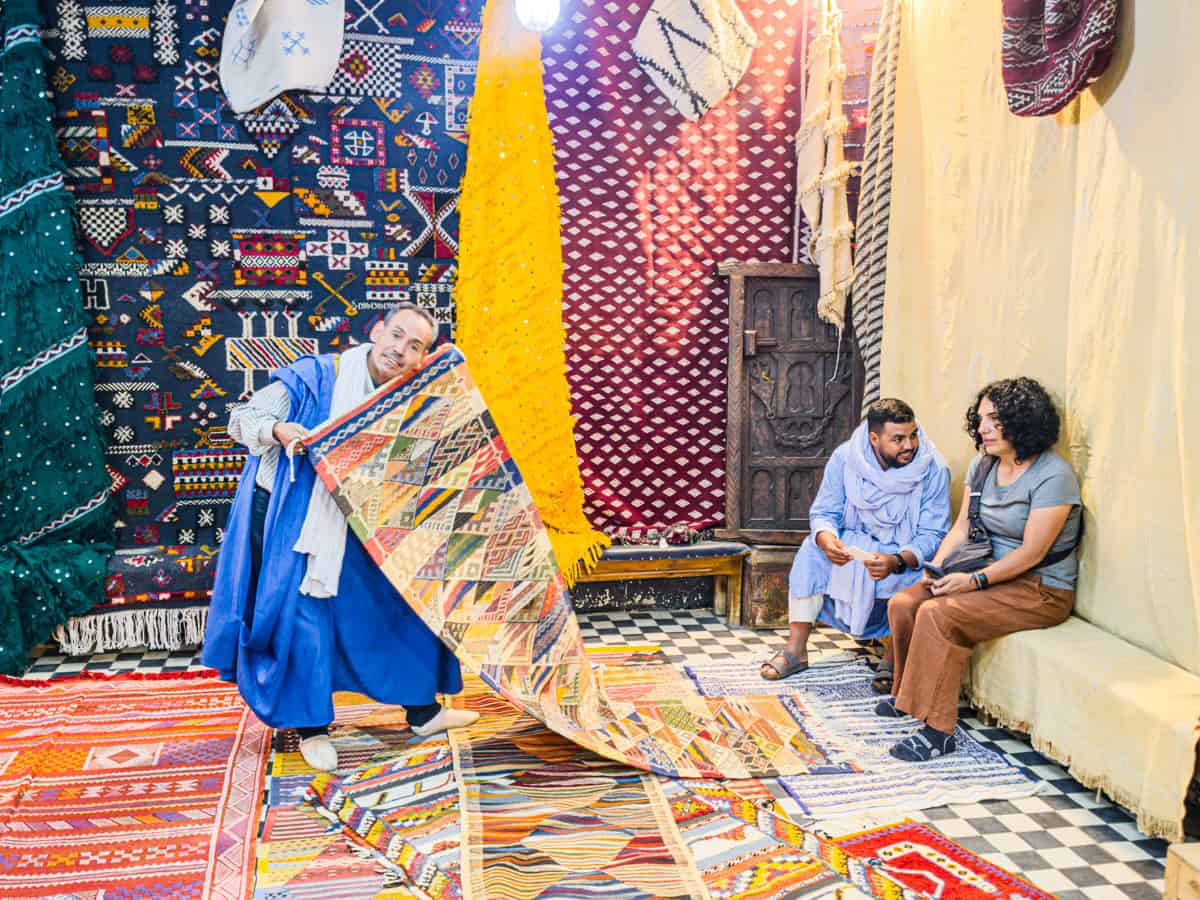
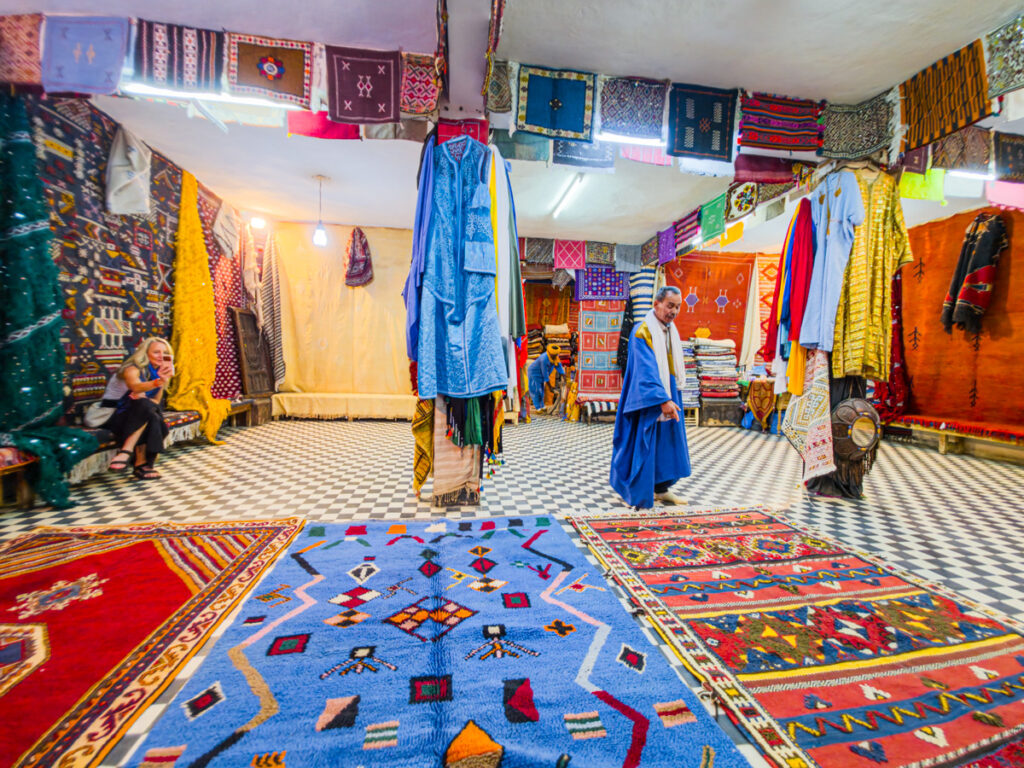
Hand-woven Moroccan carpets represent one of the country’s most significant cultural exports. While Marrakech and Fes offer countless carpet shops, women’s weaving cooperatives located along transit routes—such as the Berber carpet cooperatives in Tinghir—provide a more ethical purchasing model. In these cooperative structures, proceeds directly benefit female artisans and their families. High-end hand-knotted wool and silk rugs can command substantial sums, reflecting weeks or months of specialized labor. Industry experts advise buyers to inspect knot density, verify material origins, and establish clear shipping arrangements before committing to large purchases.
Ceramics and Zellige Tilework in Fes
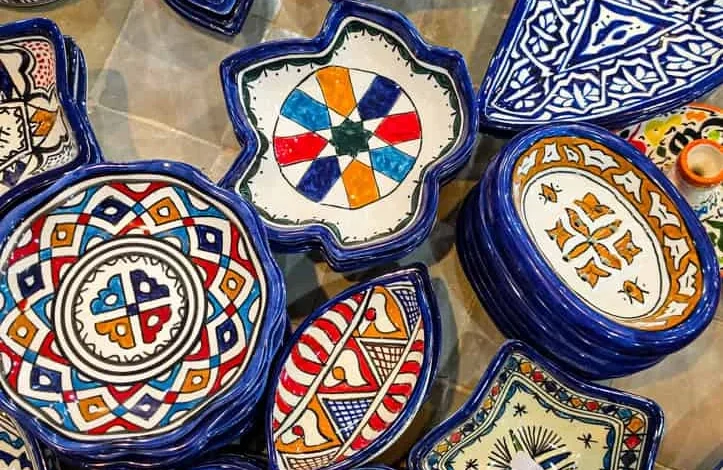
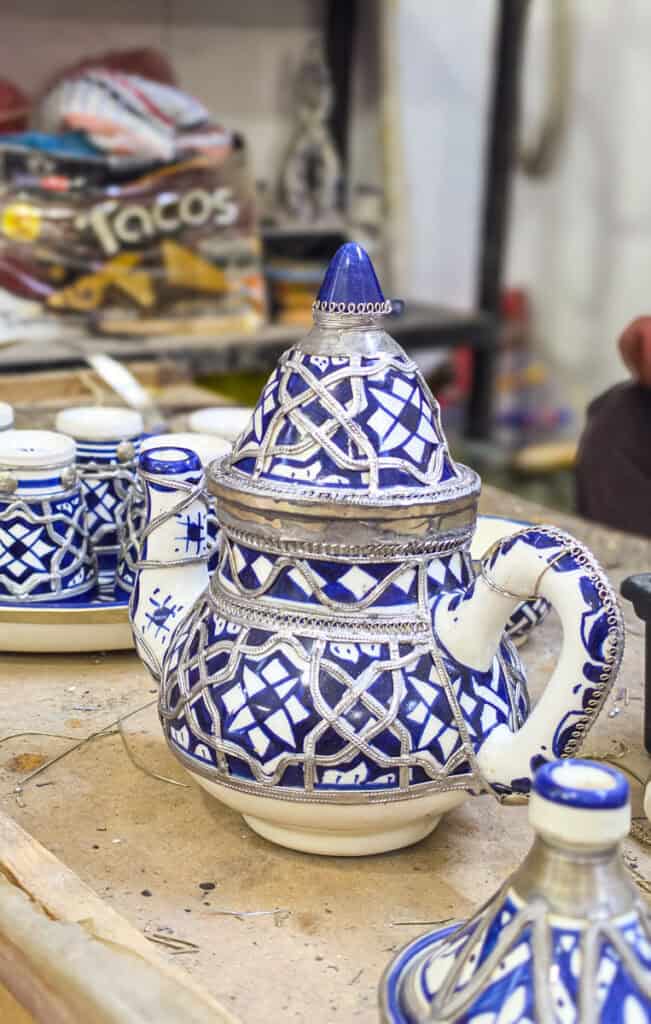
The city of Fes maintains an international reputation for its distinctive blue-and-white pottery and intricate zellige mosaics. Traditional workshops situated on the periphery of the Fes medina allow visitors to observe master potters and tile-cutters at work. Purchasing directly from verified artisan workshops ensures that products are lead-free and safe for culinary use—a critical safety standard that cheaper souk alternatives frequently fail to meet. Additionally, workshops often provide international shipping and educational masterclasses in mosaic assembly.
Logistical Challenges: Currency, Cash Flow, and Regulations
Navigating Moroccan commerce requires careful preparation regarding payment methods and currency regulations. Despite modernization efforts across major urban centers, cash remains indispensable. Point-of-sale card terminals in traditional markets and regional restaurants frequently experience connectivity failures, and automated teller machines (ATMs) are entirely absent in remote desert regions such as the Sahara camps. Consequently, travelers are advised to withdraw sufficient Moroccan dirhams in major cities prior to excursions.
Furthermore, the Moroccan dirham is classified as a closed currency, meaning it cannot be acquired outside the country and is subject to strict export limits. According to regulations enforced by the Office des Changes, departing international travelers are legally permitted to carry a maximum of 2,000 dirhams in cash out of the country. Foreign visitors are also strongly advised to retain all currency exchange receipts and ATM withdrawal slips, as border and exchange authorities frequently require documentation before converting unspent dirhams back into foreign currency.
Customs, Shipping, and International Trade Regulations
For travelers purchasing bulky items such as full-sized carpets, furniture, or large quantities of ceramics, international shipping services provided by established cooperatives and workshops offer a practical alternative to airline baggage checks. Consumer protection organizations recommend securing comprehensive written agreements that detail shipping costs, estimated delivery timeframes, and photographic documentation of the exact item purchased to prevent transit discrepancies.

Upon returning to the United States, travelers must navigate federal customs regulations overseen by Customs and Border Protection (CBP). While items carried personally in checked or carry-on luggage contribute toward standard personal duty-free exemptions—typically valued at $800 per resident—separately shipped merchandise is subject to distinct evaluation protocols. Recent shifts in federal trade enforcement regarding low-value duty exemptions mean that consumers may incur additional processing fees and import duties upon the domestic arrival of freight-shipped souvenirs.
Broader Impact and Economic Sustainability
The burgeoning interest in authentic Moroccan handicrafts has had a profound impact on local artisan communities, helping to preserve ancient techniques passed down through generations. By shifting consumer preferences away from mass-produced trinkets toward ethically sourced cooperative goods, modern tourism plays a vital role in sustaining rural employment and female economic empowerment. Industry analysts emphasize that as global travel continues to expand, maintaining transparent commercial practices and respecting local economic traditions will remain paramount for both travelers and the regional economy.
Related posts: