Prague Travel Guide: What to See, Do and Know Before You Go
Prague, the historical and political capital of the Czech Republic, continues to assert its position as one of Central Europe’s most resilient and culturally dynamic urban destinations. Drawing millions of international travelers annually, the metropolis spans the Vltava River and serves as a living museum of architectural evolution, featuring structures that date back over a millennium. From its origins as a fortified Slavic settlement in the late ninth century to its status as a modern European capital, Prague presents a unique synthesis of medieval heritage, geopolitical transformation, and contemporary economic growth. Navigating the city requires an understanding of its distinct neighborhoods, logistical frameworks, and deeply ingrained cultural traditions, particularly as tourism infrastructure adapts to contemporary sustainability and visitor management challenges.
Chronology and Historical Context of the Czech Capital
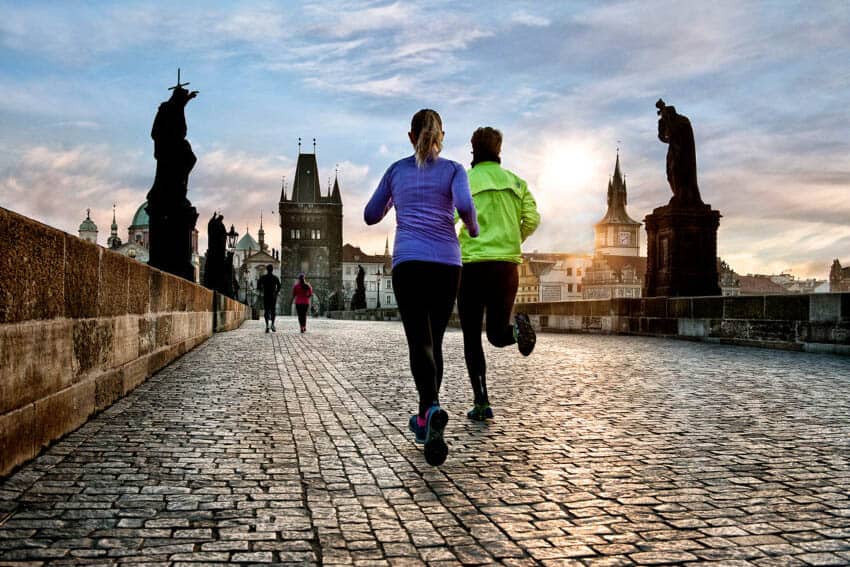
The historical narrative of Prague is defined by periods of immense political significance, architectural innovation, and geopolitical friction. Founded around 870 AD with the establishment of Prague Castle by Prince Bořivoj of the Přemyslid Dynasty, the settlement rapidly evolved into a vital trading crossroads between Eastern and Western Europe. By the 14th century, under the reign of Holy Roman Emperor Charles IV, Prague achieved its medieval zenith as the capital of the Holy Roman Empire. This era marked the construction of landmark civic infrastructure, including the foundational stones of the Charles Bridge in 1357 and the establishment of Charles University in 1348, the oldest institution of higher education in Central Europe.
Subsequent centuries subjected the city to profound religious and political upheavals. The Defenestration of Prague in 1618 catalyzed the Thirty Years’ War, fundamentally altering the political and demographic landscape of Central Europe. Despite recurring conflicts, foreign occupations, and the twentieth-century pressures of the Austro-Hungarian Empire, Nazi occupation, and Soviet-dominated communist rule, Prague’s physical infrastructure remained remarkably intact. The peaceful overthrow of the communist regime during the 1989 Velvet Revolution returned the city to democratic governance, paving the way for its integration into the European Union in 2004 and a subsequent tourism boom that transformed its economic base.

Architectural Heritage and the City of a Hundred Spires
Widely recognized as the "City of a Hundred Spires"—though architectural surveys indicate the actual count approaches one thousand—Prague’s urban landscape is a textbook of European architectural movements. Urban planners and preservationists credit the city’s survival through two World Wars for the unbroken continuity of its historical core. Romanesque rotundas, Gothic cathedrals, Renaissance palaces, Baroque facades, and Art Nouveau apartment blocks exist in close proximity, creating a cohesive visual tapestry across the municipal districts.
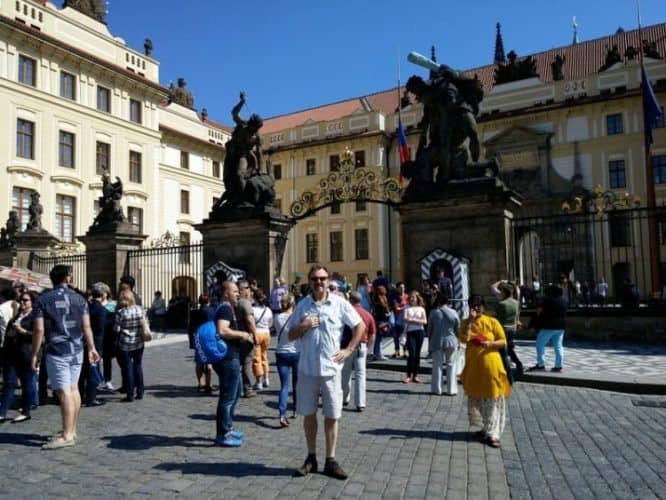
Prague Castle, recognized by Guinness World Records as the largest ancient castle complex in the world, occupies a dominant ridge above the Vltava River. Spanning nearly 70,000 square meters, the complex functions as the official office of the President of the Czech Republic and incorporates significant structures such as St. Vitus Cathedral, the Old Royal Palace, and the picturesque lanes of Golden Lane. Tourism management authorities report that the complex routinely attracts upwards of two million visitors annually, prompting local officials to implement staggered entry protocols and enhanced security screenings to preserve the structural integrity of the monuments.

To the east of the river lies the Old Town Square, which has served as the municipal marketplace and civic gathering place since the 12th century. The square is anchored by the Prague Astronomical Clock (Orloj), installed in 1410, making it the third-oldest astronomical clock in the world and the oldest still in operation. Engineering analyses of the clock highlight its intricate medieval mechanisms, which track Babylonian time, old Czech time, sidereal time, and the position of the sun and moon across the zodiac.
Logistical Frameworks and Urban Navigation
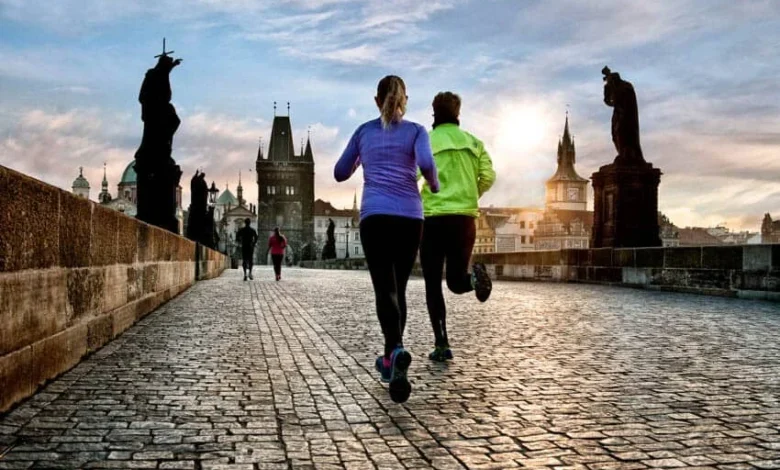
The spatial layout of Prague demands specific logistical considerations for visitors and urban commuters alike. The historic center is characterized by extensive pedestrian zones and centuries-old cobblestone networks that present mobility challenges. Urban infrastructure experts emphasize that while the historic districts of Staré Město (Old Town), Malá Strana (Lesser Town), and Hradčany (Castle District) are best traversed on foot, footwear selection is a critical factor in avoiding navigation injuries related to uneven stone surfaces.
For broader municipal transit, the Prague Integrated Transport (PID) system operates an efficient, highly interconnected network comprising the metro, municipal trams, buses, and the Petřín funicular railway. Transport authorities note that the three-line metro system (Lines A, B, and C) moves over one million passengers daily, while the extensive tram network provides essential connectivity to residential and commercial zones outside the immediate tourist core. Public transit ticketing utilizes a unified time-based tariff system, ensuring accessibility for both residents and international travelers.
Economic Impact of Tourism and Local Industry
Tourism represents a cornerstone of Prague’s service-oriented economy, generating substantial municipal revenues and supporting tens of thousands of local jobs in hospitality, retail, and cultural preservation. However, municipal authorities and economic analysts have increasingly focused on the management of overtourism, particularly within the UNESCO-protected historical districts. Regulatory measures introduced by the Prague City Hall include restrictions on short-term residential rentals, noise ordinances in historic quarters, and targeted campaigns to disperse visitor traffic toward lesser-known neighborhoods such as Vinohrady, Žižkov, and Letná.

Beyond tourism, Prague serves as the primary economic engine of the Czech Republic, contributing a disproportionate share of the national Gross Domestic Product. The city has emerged as a prominent hub for information technology, financial services, biotechnology, and advanced manufacturing. Foreign direct investment has spurred the modernization of infrastructure, while preserving historical regulations that safeguard the visual horizon of the Vltava riverbanks and skyline.
Cultural Institutions and Gastronomic Evolution
Prague’s cultural identity is deeply intertwined with its literary, musical, and culinary traditions. As the birthplace of Franz Kafka and the long-term residence of Wolfgang Amadeus Mozart, the city sustains a robust calendar of classical music concerts, theater productions, and literary festivals. Institutions such as the National Theatre, the Rudolfinum, and the Estates Theatre maintain the city’s historic reputation as a premier destination for the performing arts.

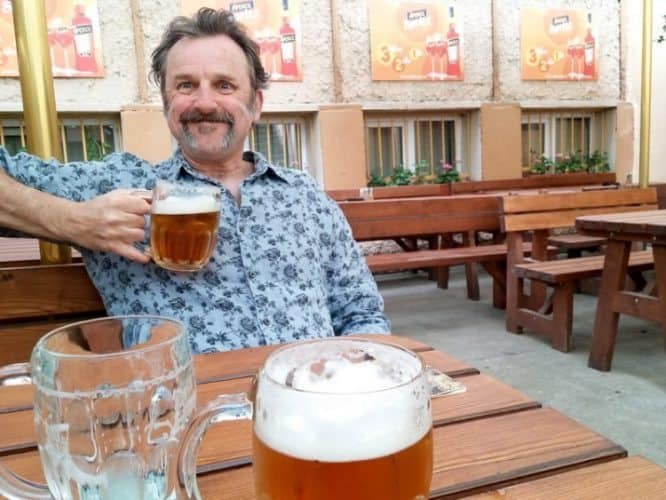
Culinary traditions in the Czech Republic reflect hearty Central European influences, traditionally anchored by dishes such as svíčková na smetaně (marinated sirloin in cream sauce), goulash, and roast pork served with bread dumplings. Concurrently, the nation maintains the highest per capita beer consumption globally, an economic and cultural phenomenon supported by centuries-old brewing traditions centered around pilsner-style lagers. In recent decades, Prague’s gastronomic sector has experienced a significant modernization wave. International culinary techniques, specialty coffee culture, and farm-to-table dining establishments have integrated with traditional Czech hospitality, broadening the city’s appeal to contemporary global travelers.
Planning Recommendations and Best Practices for Visitors
Tourism boards and travel safety analysts recommend comprehensive pre-trip planning to optimize a visit to Prague. The optimal visiting windows generally fall during the shoulder seasons of spring (April to May) and autumn (September to October), when municipal foot traffic is lower and meteorological conditions are moderate. Summer months bring prolonged daylight and cultural festivals but coincide with peak international arrivals and elevated lodging costs. Winter visits offer distinct advantages, including festive holiday markets in the Old Town Square and reduced crowds at major historical sites, albeit with colder ambient temperatures.
Duration of stay significantly influences travel quality. While a standard 48-hour itinerary permits a cursory exploration of primary landmarks such as the Charles Bridge, Old Town Square, and Prague Castle, urban planning specialists recommend allocating a minimum of four days. Extended stays enable travelers to explore diverse peripheral districts, engage with local cultural venues, and navigate the city at a sustainable pace that respects local residential communities.
Ultimately, Prague functions as an intricate intersection of medieval heritage and modern European mobility. By balancing heritage conservation with contemporary urban development, the Czech capital maintains its status as an essential focal point for international cultural exchange and historical inquiry.
Related posts: