42 Genius Backpacking Hacks, DIY Gear Fixes, and Smart Trail Shortcuts from the Backpacker Archives

The culture of long-distance backpacking has long been defined by ingenuity, resourcefulness, and a willingness to adapt everyday items for survival in the wilderness. For decades, outdoor enthusiasts and veteran thru-hikers have developed specialized knowledge—often referred to as "dirtbag engineering"—to make outdoor excursions lighter, cheaper, and more efficient. Recently, outdoor publication Backpacker compiled a comprehensive retrospective of 42 of its most effective trail-tested hacks, drawing from decades of editorial archives, contributor insights, and guest expert experiences. This curated collection highlights how simple household items, budget-friendly substitutions, and clever mechanical tweaks can drastically alter the modern backpacking experience without requiring expensive retail gear investments.
The Evolution of Trail Resourcefulness and DIY Culture
The practice of modifying or creating outdoor equipment dates back to the early days of recreational mountaineering and long-distance trekking, long before the establishment of modern ultralight cottage industries. Historically, pioneers of the Appalachian Trail and the Pacific Crest Trail relied on surplus military gear, modified canvas packs, and homemade alcohol stoves out of financial necessity. Over time, as commercial gear became more accessible, specialized, and lightweight, the foundational philosophy of self-reliance did not disappear; rather, it evolved into a distinct subculture of optimization.
Modern backpacking culture places a heavy emphasis on reducing base weight—the total weight of a pack excluding consumables like food and water. While manufacturers have responded by introducing high-tech materials such as Dyneema composite fabrics and ultra-fine titanium cookware, the financial barrier to entry for lightweight backpacking remains high. Consequently, editorial teams and seasoned backpackers have continued to document and share low-cost alternatives. The recent compilation of 42 trail hacks serves as a modern synthesis of this ongoing tradition, bridging the gap between high-end gear culture and accessible outdoor recreation.
Transforming Household Waste Into Functional Gear
One of the most prominent categories within the newly compiled archive focuses on the adaptive reuse of common household items that are typically discarded. Commonly referred to in the community as "trash-to-treasure" hacks, these methods demonstrate that functional utility can often be derived from waste materials.
A prime example highlighted in the archives is the humble plastic bread clip. While ostensibly designed solely to keep a bag of sliced bread fresh, seasoned backpackers utilize bread clips in multiple capacities on the trail, including improvised line-tensioners, zipper pull replacements, or lightweight hangers for damp garments inside a tent. Similarly, disposable plastic bottles—particularly 1-liter commercial water bottles—have largely replaced traditional, heavier canteens among thru-hikers due to their negligible empty weight, universal threading compatibility with popular water filters like the Sawyer Squeeze, and near-zero cost.

Other common household items frequently repurposed in the archives include segments of aluminum foil for wind-blocking camp stoves, binder clips for securing tent mesh or food bags, and empty cardboard tubes or straws for packaging spices, toothpaste, or petroleum jelly fire-starters. These substitutions allow hikers to minimize waste while bypassing the premium pricing associated with specialized camping accessories.
Dirt-Cheap Alternatives and Editor-Approved Tweaks
In addition to household trash, the compiled tips feature direct substitutions for expensive gear items, tested and verified by experienced outdoor editors and contributors. Associate Editor Will Brendza, among other industry experts, contributed several low-cost modifications designed to solve common logistical challenges on the trail.
One notable substitution involves footwear and apparel choices for river crossings and wet environments. Rather than carrying dedicated, heavy camp shoes or specialized water sandals, many long-distance hikers opt for inexpensive synthetic running shorts or traditional nylon swim trunks that dry rapidly while walking. This eliminates several ounces of dead weight from the backpack and removes the need to constantly strap bulky footwear to the exterior of a pack.
Other budget-friendly swaps detailed in the archives include:
- Utilizing dented or second-hand aluminum kitchen pots instead of high-priced titanium cooksets, noting that aluminum often provides superior heat distribution for boiling water.
- Substituting commercial backpacking dog bowls with flexible, ultra-light silicone baking cups or cut-down plastic containers for traveling pets.
- Applying thin layers of specialized seam grip or silicone adhesive to the bottom of sleeping pads to prevent sliding inside a tent floor during the night.
The Philosophy of Ultralight Efficiency and Minimalism
A significant portion of the newly organized archive addresses the psychology and mechanics of ultralight backpacking. True ultralight philosophy dictates that weight reduction is achieved not merely by purchasing lighter equipment, but by critically evaluating the necessity of every item brought along and maximizing the utility of essential items.
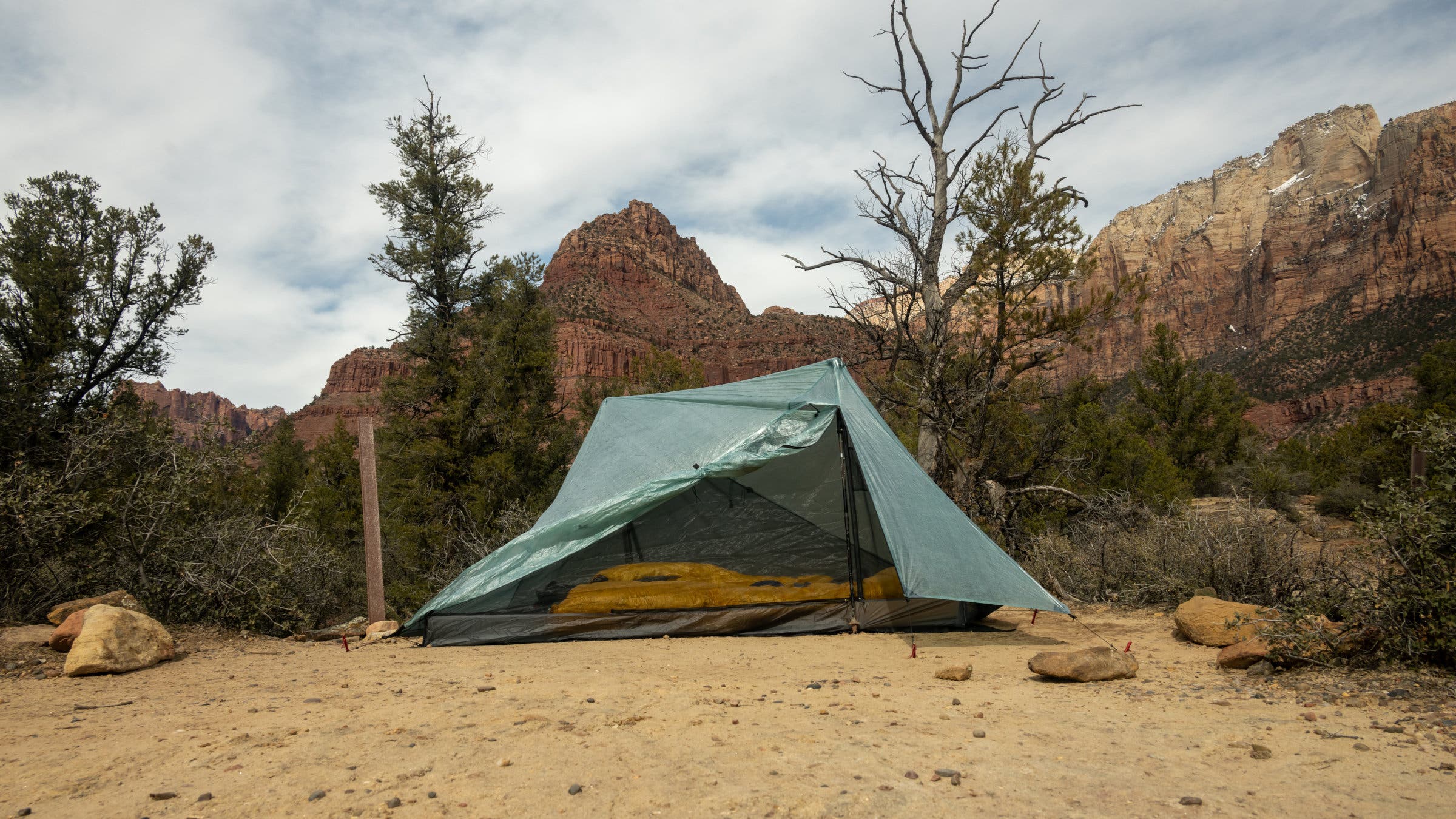
The compiled hacks emphasize multi-use functionality. For instance, a trekking pole double functions as a structural support for a lightweight tarp shelter; a merino wool buff serves variously as a sun shield, a neck warmer, a pot holder, and a pre-filter for murky water sources; and a standard closed-cell foam sleeping pad doubles as a comfortable camp chair during rest breaks.

Furthermore, culinary practices on the trail have undergone significant optimization through these methods. The practice of "cold-soaking"—rehydrating dehydrated meals, couscous, or instant noodles in cold water within sealed containers over several hours rather than cooking them with a camp stove—allows hikers to leave fuel canisters and stoves behind entirely, saving both weight and time during camp setup and breakdown.
DIY Gear Manufacturing as a Modern Craft
While ready-made ultralight gear is more widely available today than at any point in history, the do-it-yourself (DIY) manufacturing movement remains vibrant within the hiking community. The archives feature eight distinct foundational projects designed for backpackers looking to fabricate their own gear at home using raw materials such as ripstop nylon, polyester mesh, and shock cord.
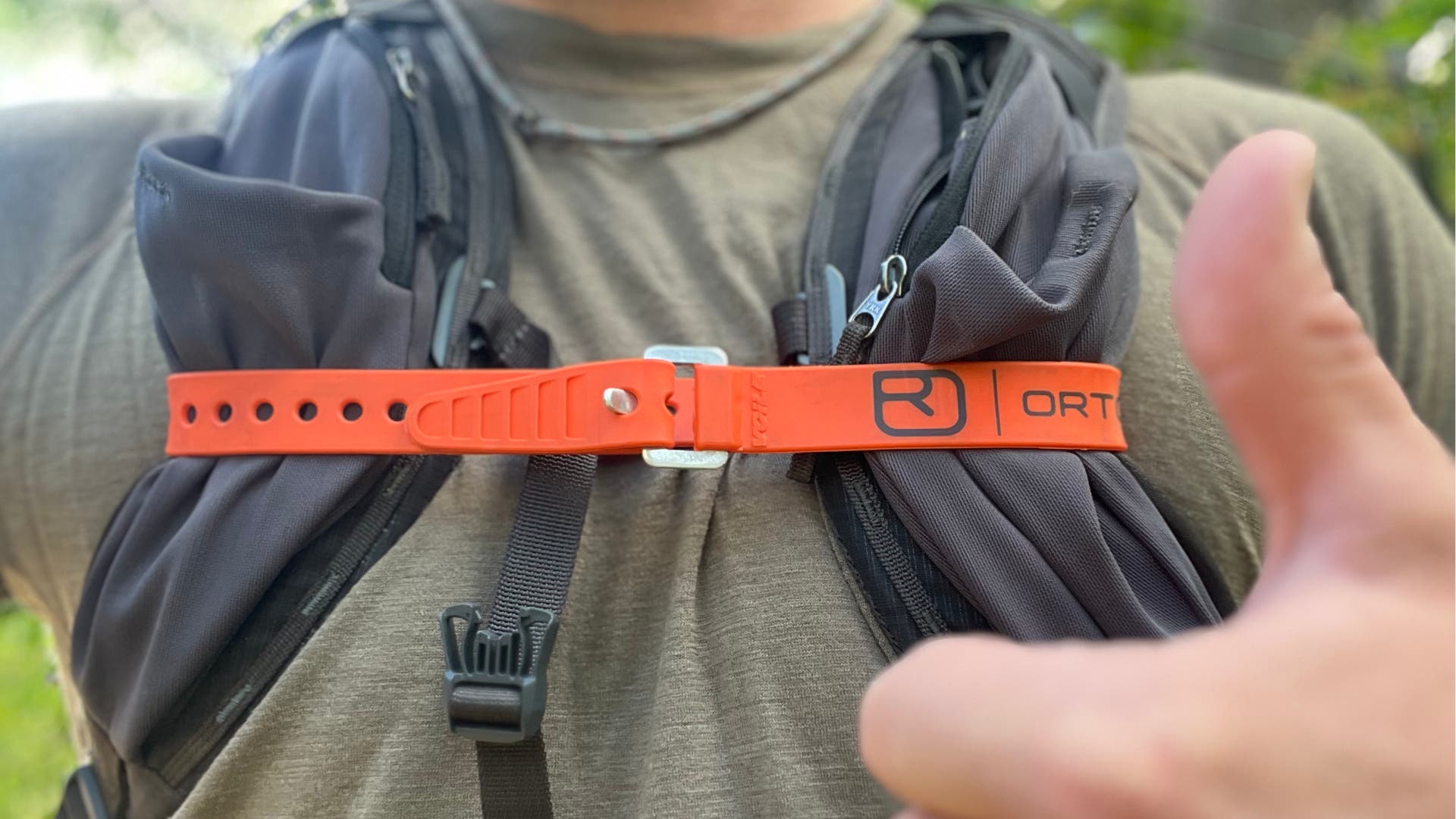
Common beginner-friendly DIY projects include crafting custom stuff sacks, zippered ditty bags, synthetic quilt insulation layers, and minimalist backpack sternum straps. Engaging in gear fabrication allows hikers to tailor equipment precisely to their physical dimensions and specific trip requirements, fostering a deeper understanding of equipment repair and maintenance that proves invaluable during extended backcountry expeditions.
Industry Impact and the Ongoing Relevance of Trail Hacks
The systematic collection of these 42 hacks by a major publication underscores a broader shift in the outdoor recreation industry toward accessibility, sustainability, and self-sufficiency. As participation in hiking and backpacking continues to grow—driven in part by a post-pandemic surge in outdoor tourism and public land usage—newcomers often face steep financial and educational hurdles.
By promoting low-cost alternatives and resourcefulness, veteran hikers help democratize access to the outdoors, proving that prolonged wilderness immersion does not necessitate commercial consumerism. The enduring popularity of these hacks suggests that regardless of how advanced commercial outdoor technology becomes, the fundamental human desire to solve problems creatively in the natural world remains unchanged.
As outdoor enthusiasts prepare for upcoming seasons, these archival insights offer a practical reminder that the most effective gear is often not the most expensive, but rather the result of experience, ingenuity, and a willingness to look at ordinary objects through an adventurous lens.
Related posts: