Experience Pakistan on Two Wheels: The Rise of Truck Art Motorcycle Rentals in Islamabad

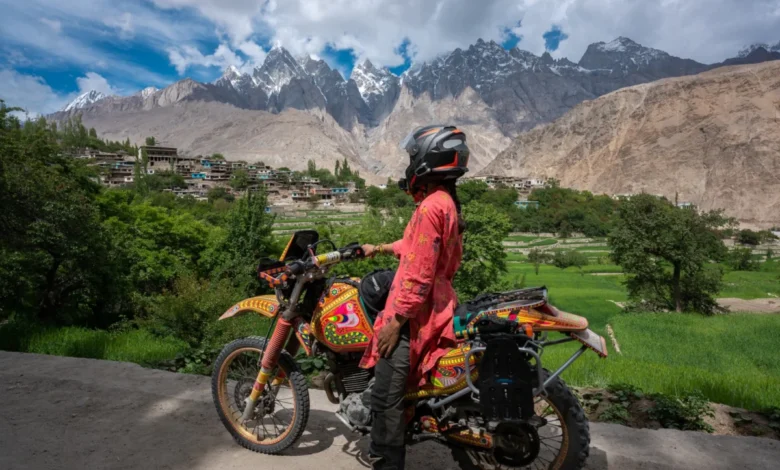
The burgeoning tourism landscape of Pakistan has witnessed a unique convergence of traditional cultural aesthetics and modern adventure travel, as specialized rental services in Islamabad begin offering "truck art" adorned motorcycles to domestic and international explorers. This niche service, primarily facilitated through local tour operators like Coyote Trail, allows travelers to navigate the country’s diverse topography—ranging from the urban sprawl of the capital to the high-altitude passes of the Karakoram—on vehicles customized with the country’s iconic, vibrant, and highly reflective truck art motifs.
Historical Context and Cultural Significance
Truck art is a quintessential element of Pakistani popular culture. Originating from the decoration of heavy commercial transport vehicles, the practice serves as a moving gallery of folk art, featuring intricate floral patterns, geometric designs, calligraphy, and depictions of wildlife. The integration of this aesthetic onto motorcycles is a relatively recent phenomenon that transcends mere decoration; it acts as a cultural bridge between the traveler and the local population.
The practice gained international recognition in 2022 when adventure motorcyclists began commissioning local workshops in Rawalpindi to apply these designs to touring bikes. Beyond the visual appeal, the adhesive vinyl used in modern applications provides a secondary benefit: it acts as a protective layer for the motorcycle’s paintwork and increases visibility for riders during nighttime travel due to the reflective properties of the materials used.
Operational Framework and Fleet Specifications
The rental model is structured around a dual-fleet approach to cater to different levels of rider experience and terrain requirements. The current offerings in Islamabad include:
- The Suzuki GS 150 SE: Positioned as the entry-level, reliable workhorse, this locally manufactured motorcycle is favored for its mechanical simplicity. With a daily rental rate of approximately 6,000 PKR, it is designed for general touring. Its primary advantage lies in the ubiquity of spare parts and the ease of maintenance across Pakistan’s vast mechanical repair network.
- The Yamaha TT-R 250 Raid: Aimed at experienced riders targeting off-road or high-altitude environments, such as the regions of Gilgit-Baltistan and Chitral. Priced at roughly 35 USD per day, this model features enhanced suspension, higher ground clearance, and specialized tires, making it suitable for the rugged, unpaved roads common in the northern mountain ranges.
Strategic Infrastructure and Logistics
The rental operation is headquartered in Islamabad’s E-11/4 district. According to industry practitioners, the service was born out of a surplus capacity model: tour companies maintain high-quality motorcycles for guided expeditions, and to prevent mechanical degradation during inactive periods, these assets are made available for independent rental.
The logistics of renting in Pakistan present unique considerations compared to established markets like Thailand or Europe. Factors contributing to the pricing structure include:
- Maintenance Intensity: Motorcycles operating in extreme high-altitude environments require frequent, specialized servicing to ensure engine performance at elevations reaching 4,800 meters.
- Asset Risk: The challenging nature of Himalayan terrain poses a higher risk of mechanical damage to frames, levers, and lighting systems, necessitating a robust, transparent deposit system—typically capped at 200 USD—to cover potential repairs.
- Import Costs: Specialized adventure motorcycles in Pakistan are often subject to high import duties, making the acquisition and maintenance of high-performance foreign models significantly more capital-intensive than in other regions.
Regulatory and Safety Guidelines
While Pakistan’s regulatory framework technically mandates a motorcycle-specific license for all riders, enforcement for foreign tourists remains inconsistent. However, operators have established internal safety protocols to mitigate liability. A standard driver’s license is sufficient for the 150cc class; however, for the 250cc high-performance fleet, operators strictly require proof of a motorcycle-specific license.
Operators emphasize that travelers are responsible for their own safety and personal insurance. The rental agreements generally cover the mechanical health of the bike—including fresh oil changes and basic roadside readiness—but do not extend to liability for rider error or accidents.
Itinerary Planning and Regional Impact
The surge in motorcycle tourism has prompted the development of standardized, yet customizable, routes designed to optimize the two-week average rental duration preferred by most travelers:
- The Karakoram Highway Corridor: A 10-day itinerary focusing on the fully paved arterial road connecting Islamabad to the Khunjerab Pass. This route is recommended for those with limited time who wish to experience the mountain landscape with minimal off-road navigation.
- The Hunza-Skardu Loop: A two-week itinerary that incorporates a mix of paved and rugged dirt roads, including the high-altitude Deosai Plains. This route is considered a benchmark for adventure riders seeking a deeper immersion into the culture of the Gilgit-Baltistan region.
- The Northern Grand Loop: A comprehensive circuit spanning Gilgit-Baltistan and Khyber Pakhtunkhwa. This route covers the most diverse cultural and geographical spectrum, including the Shandur Pass and the cultural heartlands of Chitral and Peshawar.
Implications for Pakistan’s Tourism Sector
The professionalization of motorcycle rentals signifies a broader shift in Pakistan’s tourism strategy, moving from passive sight-seeing toward active, experiential travel. By utilizing localized "truck art" branding, these businesses are not only creating a unique product identity but also supporting the local economy by engaging traditional artisans in Rawalpindi who specialize in vehicle customization.
As international interest in Pakistan’s northern territories continues to grow, the availability of reliable, culturally integrated transport options like these is expected to play a critical role in increasing the duration and quality of stay for independent travelers. The collaboration between foreign operators and local companies like Coyote Trail serves as a template for future sustainable tourism ventures, blending technical expertise with indigenous artistic heritage to provide a distinctive, safe, and memorable way to traverse the varied landscapes of Pakistan.
Related posts: